Factory technical systems function as the brain and circulatory network that sustain the entire operation of an industrial facility. Poor coordination among mechanical, electrical, and plumbing (MEP) systems, water supply and drainage, air conditioning, and fire protection often leads to serious spatial clashes on construction sites, requiring demolition, repairs, and significant additional costs. Systematically planning factory technical solutions from the construction design stage enables businesses to maintain tighter control over investment budgets while optimizing monthly energy operating expenses.
As a turnkey general construction contractor operating under the Design and Build model, BIC delivers integrated solutions from factory design drawings to on-site construction, ensuring that industrial facilities operate safely, comply with regulatory standards, and maintain consistent production efficiency.
Coordinating technical infrastructure is a fundamental factor in determining the operational readiness of an entire industrial facility. Establishing a unified infrastructure solution from the beginning helps optimize space utilization, shorten construction time, and ensure sustainable building performance.
Industrial factory technical systems consist of an integrated network of specialized supporting engineering disciplines that directly serve machinery operations and the daily needs of personnel. The main components include electrical power distribution and lighting networks, industrial water supply and drainage systems, heating, ventilation, and air conditioning (HVAC), fire prevention and fighting systems, central compressed air supply networks, and wastewater treatment facilities that comply with environmental standards. Technical infrastructure and pre-engineered steel structures are closely interconnected. Accurate factory design drawings must carefully calculate the locations of structural hangers, pipeline loads imposed on steel rafters, and penetrations through concrete floor slabs. Effective coordination between construction design and technical infrastructure helps optimize production space, maintain structural load-bearing capacity, and ensure that industrial equipment operates at its required capacity.

When factory technical systems are implemented separately by multiple subcontractors without effective coordination, the project faces numerous serious risks during on-site construction. The most common problems involve spatial clashes among HVAC ducts, fire protection pipelines, electrical cable ladders, and structural steel beams and rafters. Discovering these conflicts late in the construction process forces the general construction contractor or specialized subcontractors to suspend work while waiting for revised drawings. The direct consequences include substantial additional costs associated with demolishing completed concrete walls, creating new penetrations through concrete floors, or reinforcing machine foundations. These problems not only disrupt construction activities and delay project handover but also cause significant financial losses for investors.
A properly planned and fully coordinated factory technical system delivers long-term economic benefits throughout the project's life cycle. Designing compressed air pipelines, electrical cable routes, and water supply networks according to optimized load requirements helps minimize pressure drops, prevent leakage, and significantly reduce monthly electricity consumption. In addition, allocating sufficient space for technical infrastructure facilitates regular inspections, maintenance, and equipment replacement. Operations engineers can easily access connections, electrical cabinets, and isolation valves without interfering with workers' operating areas. As a result, machinery and equipment can maintain their expected service life, minimize the risk of unexpected failures, and support continuous factory production operations.
The successful integration of industrial factory technical infrastructure requires engineering teams to demonstrate expertise in specialized technical standards while ensuring seamless coordination among supporting systems.
Electricity is the essential energy source that powers all production machinery. In factory design drawings, the locations of central transformer stations and main switchboard (MSB) rooms must be carefully calculated near the electrical load center to minimize energy losses and voltage drops across distribution networks. Distribution boards, suspended cable trays, and electrical wiring systems must be clearly organized using high-quality fire-resistant materials. For lighting systems, energy-efficient industrial LED technology helps maintain the required illuminance levels, measured in lux, for each workstation. In addition, backup generator stations integrated with Automatic Transfer Switch (ATS) systems help maintain continuous power supplies for specialized production lines, preventing raw material damage during interruptions to the public electricity grid.

Controlling indoor air conditions plays a decisive role in product quality and workforce health. Construction design solutions for HVAC infrastructure must flexibly combine natural ventilation through roof vents with mechanical exhaust fan systems. For supporting industries, electronic component manufacturing, pharmaceutical production, and food processing, central chiller air-conditioning systems and Air Handling Units (AHUs) are integrated with High-Efficiency Particulate Air (HEPA) filters. These solutions maintain the required humidity, temperature, and positive room pressure in accordance with applicable international cleanroom standards, helping prevent cross-contamination and maintain a compliant working environment.
Water supply and drainage infrastructure must be planned with completely separate systems for domestic wastewater and industrial wastewater. High-pressure water supply pipelines are installed underground or routed along structural beams and columns to maintain stable water flow for machinery cooling and factory cleaning processes. Floor drainage channels are designed with appropriate slopes and chemical-resistant protective coatings to prevent stagnant wastewater, contamination, and unpleasant odors. In particular, industrial wastewater treatment plants are developed using multifunctional modular configurations that integrate biological and physicochemical treatment technologies, ensuring that treated wastewater meets applicable environmental standards before being discharged into the shared collection network.
Fire prevention and explosion safety are mandatory technical requirements that must be strictly observed in industrial factory design and construction. Automatic fire alarm networks incorporate addressable smoke and heat detectors, while automatic sprinkler systems are designed to provide the required fire protection coverage throughout the building. Pre-engineered steel structures are protected with specialized fire-resistant coatings or heat-resistant mineral wool panel systems to improve their fire resistance ratings in accordance with applicable regulations. Properly arranging fire-rated doors, fire compartment walls, and emergency escape routes facilitates regulatory inspection and approval while creating a safer working environment for businesses.
To help investors comprehensively address technical challenges and optimize project budgets, BIC applies a professional turnkey implementation process supported by technology-driven quality control.
BIC is at the forefront of applying three-dimensional Building Information Modeling (BIM) technology to factory design and construction management. All engineering disciplines, including architecture, structural steel, electrical power distribution, water supply and drainage, HVAC, and fire protection, are developed as detailed models within a unified data platform. Automated clash detection software accurately identifies locations where pipelines intersect steel beams or electrical cable ladders conflict with ventilation ducts during the drawing preparation stage. This enables BIC engineers to resolve technical issues within the digital model, eliminating the risk of demolition and corrective work on-site while ensuring precise installation.
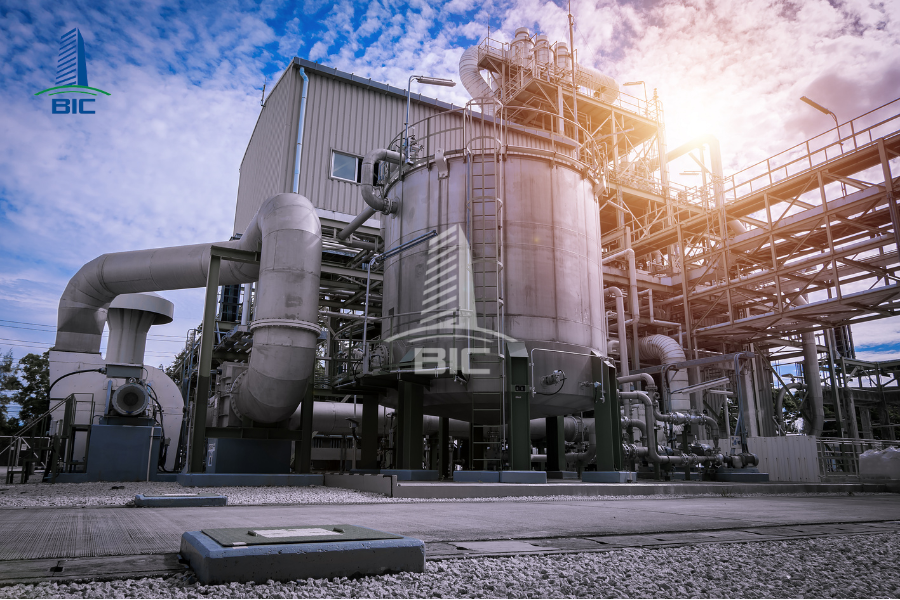
BIC's team of specialists begins each project by thoroughly analyzing the investor's production processes, machinery characteristics, and future expansion plans. Based on actual operating data, we develop integrated construction design documentation that incorporates reasonable space allowances for technical pipeline routes. BIC's drawings not only meet immediate functional requirements but also provide flexibility, allowing businesses to connect additional equipment more easily when increasing production capacity in the future.
Appointing BIC as a turnkey general construction contractor allows investors to eliminate responsibility gaps between design consultants and on-site construction teams. BIC directly coordinates the workforce, construction machinery, and supply chain management for technical materials and equipment. Structural steel fabrication at manufacturing facilities and on-site pipeline installation are controlled through a unified critical-path schedule, ensuring that factory technical systems are completed efficiently, comply with technical standards, and are handed over according to contractual commitments.
BIC accompanies investors throughout the process of working with competent regulatory authorities. BIC's specialized legal team directly prepares construction permit applications, environmental impact assessment reports, and documentation for fire protection design approval. After on-site installation is completed, BIC organizes integrated testing of the entire technical system, coordinates fire protection acceptance procedures, and prepares comprehensive as-built documentation, helping the factory obtain the necessary approvals to begin commercial operations promptly.
BIC's integrated technical infrastructure solutions deliver both capital investment and operating cost benefits, helping businesses protect their financial resources and strengthen their competitiveness.
Through detailed bills of quantities and accurate 3D BIM models, BIC provides transparent cost estimates covering all factory technical systems. Turnkey contracts combined with commitments to prevent additional costs allow investors to proactively manage cash flow while eliminating risks associated with material price inflation or corrective work caused by design errors throughout project implementation.
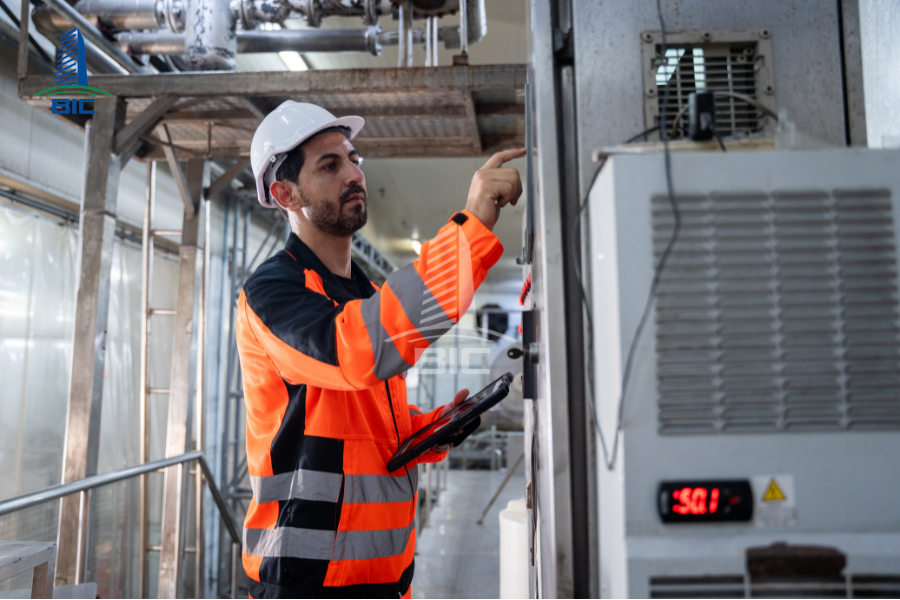
Technical infrastructure designed according to actual operating capacity requirements helps reduce monthly electricity and water consumption by approximately 10% to 15%. Proper electrical load distribution and effective air cleanliness control help protect electronic components and machinery motors against short circuits and overheating, thereby extending equipment service life and reducing maintenance expenses for businesses.
Following factory handover, BIC provides standardized operating procedures and conducts practical training for the investor's technical personnel. We maintain a long-term warranty policy and assign engineering teams to provide prompt support when technical issues arise. BIC's ongoing technical assistance helps factory technical systems maintain reliable operating conditions, protect building safety, and establish a solid foundation for sustainable business development.
Optimizing industrial factory technical systems is a strategic investment decision that directly affects production efficiency and the safety of the entire industrial project. Proactively coordinating technical infrastructure from the construction design stage enables businesses to minimize on-site technical risks, maintain control over initial capital expenditure, and achieve long-term energy savings. Partnering with a reputable, technology-driven general construction contractor like BIC helps investors develop modern factories with fully integrated technical infrastructure, compliance with applicable legal standards, and the operational capabilities required to support sustainable business objectives.