Factory renovation is a crucial step in improving production efficiency, ensuring worker safety, and optimizing workspace. However, this process is far from simple and can lead to numerous risks if not executed correctly. Many businesses have faced significant issues due to mistakes during renovation, ranging from misjudging the current state to designs that do not align with current needs.
This article will highlight common mistakes businesses often encounter during factory renovation, helping you avoid unnecessary risks and save costs.
One of the biggest mistakes in factory renovation is failing to conduct a thorough initial survey and assessment. Skipping this step can lead to serious problems during the renovation process and future use.
- Failure to thoroughly assess the factory’s current state:
Many businesses often overlook the importance of a detailed assessment of the existing factory’s condition. This includes neglecting critical factors such as the durability of the structure, old infrastructure systems, and safety issues. During renovation, these factors could increase repair costs or even pose dangers if not addressed correctly. A thorough evaluation of the current state helps clearly identify issues that need to be resolved before proceeding with design and construction.
- Lack of environmental and surrounding condition surveys:
The environment and surrounding conditions of the factory play a significant role in design. For example, failing to properly survey factors like terrain, foundation, and drainage systems could lead to future risks such as flooding, subsidence, or environmental issues. Careful environmental surveys ensure that the new design is suitable for actual conditions, avoiding unwanted risks and optimizing the factory’s efficiency after renovation.
Skipping the initial survey and assessment can lead to unforeseen mistakes and negatively impact the project’s quality. Therefore, to ensure success in factory renovation, businesses need to invest time and effort into thoroughly completing this step.
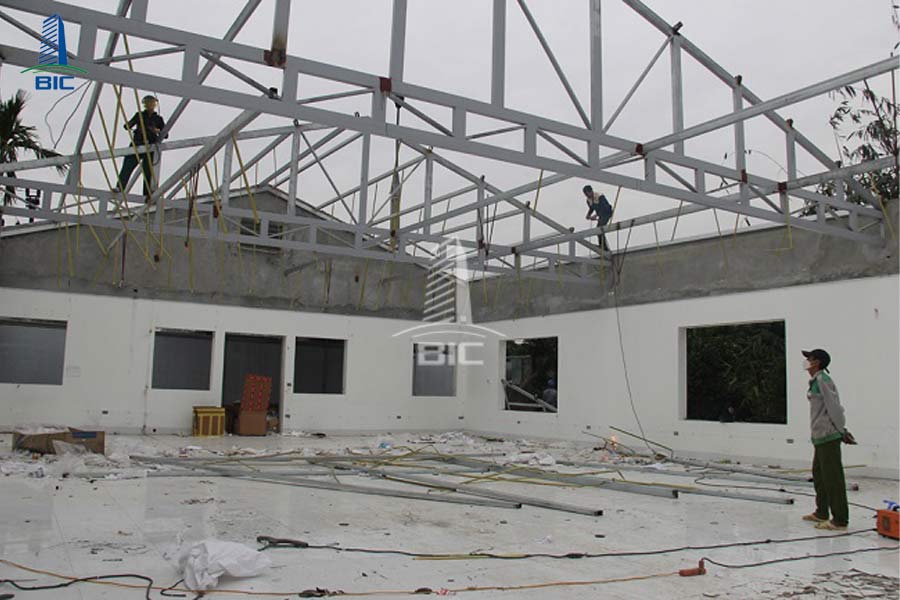
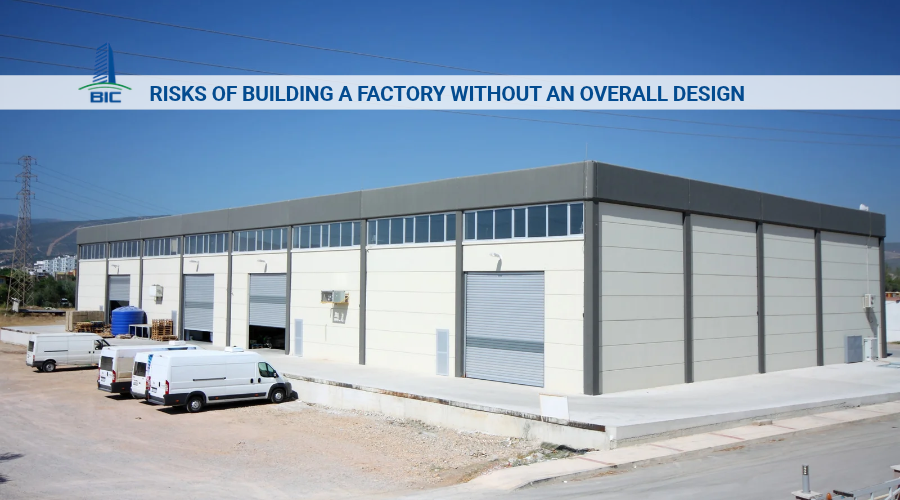
A common mistake when renovating factories is neglecting the factory design phase, leading to a finished project that does not meet usage needs or creates unexpected problems.
- Neglecting the new factory design during renovation:
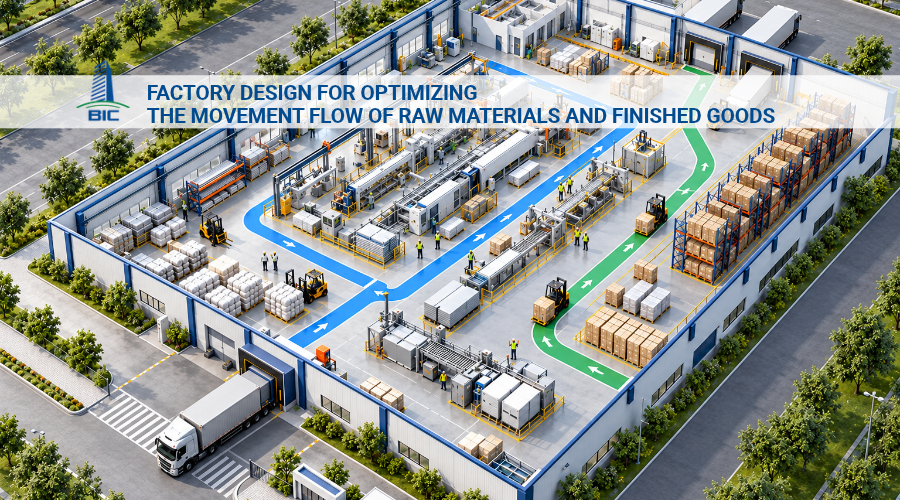
Some businesses focus solely on repairing and upgrading damaged parts without considering the overall design of the factory. This can result in inefficient use of space, a lack of connection between production areas, and a failure to optimize workflow. The new design must be carefully planned, from space layout to the arrangement of functional areas, to ensure flexibility and efficiency in operations.
- Design not aligning with current needs:
Renovating a factory without thoroughly considering current and future needs can result in a design that does not meet the business’s goals. For example, a design that does not optimize storage space, walkways, or ventilation systems can cause difficulties in production and affect productivity. Neglecting ergonomic factors in design can also impact employee comfort and safety, reducing work efficiency.
- Ignoring technical and safety standards:
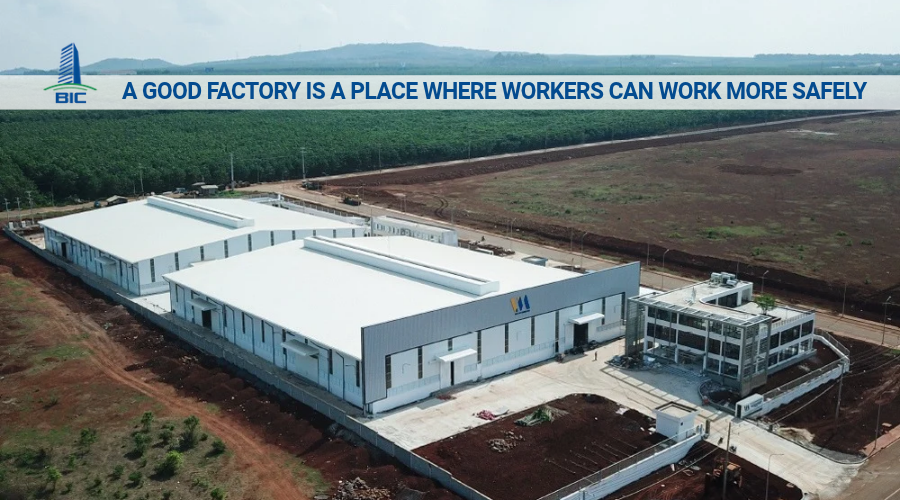
Another serious mistake is failing to comply with technical and safety standards in factory design. ISO standards, occupational safety regulations, and fire protection requirements are essential factors that must be integrated into the design. Non-compliance could lead to legal issues, high repair costs, and the risk of workplace accidents. Ensuring that the design fully meets technical and safety standards will help minimize risks and extend the facility’s lifespan.
Factory design is a core factor in the renovation process. Businesses must invest in a well-planned and comprehensive design to ensure that the new factory meets usage and safety needs in the long term.
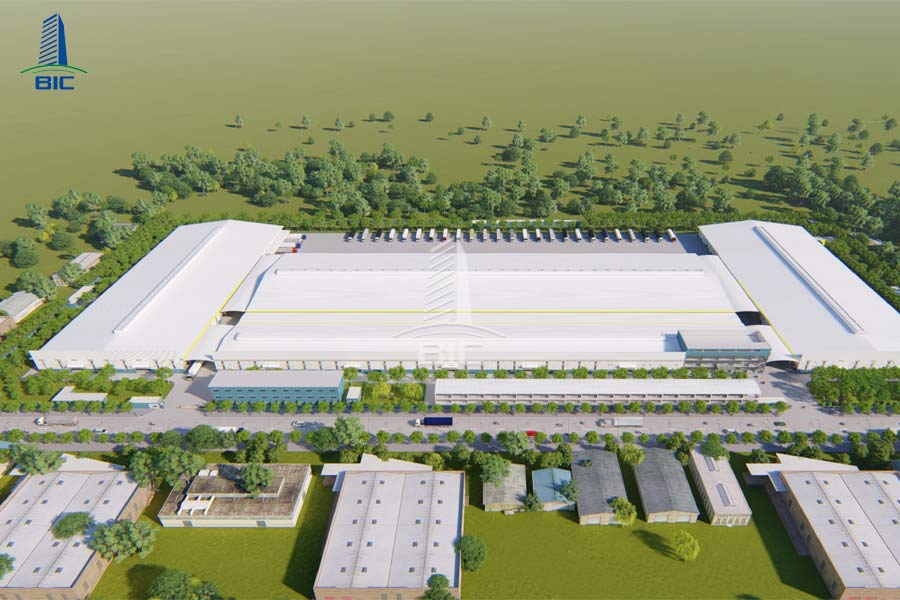
Choosing suitable materials and technology is a crucial part of factory renovation. However, many businesses make critical mistakes at this stage, resulting in suboptimal project performance and increased maintenance costs later on.
- Selecting materials not suited to the factory design:
A common mistake is choosing materials that do not meet the design requirements or operational conditions of the factory. For example, using materials with poor durability or that cannot withstand environmental impacts, such as high temperatures or chemicals, can lead to rapid deterioration and costly repairs. Additionally, selecting materials that do not comply with technical standards can cause safety and quality issues. Therefore, materials must be carefully chosen, ensuring durability and suitability for the factory’s long-term use.
- Not applying modern technology:
In the era of Industry 4.0, failing to invest in modern technology during factory renovation can significantly reduce production efficiency and the company’s competitiveness. Some businesses retain outdated systems instead of upgrading to advanced technologies like intelligent energy management systems, automation, and energy-saving solutions. Not adopting modern technology can make it challenging for the factory to meet increasing production demands and optimize operational processes.
- Ignoring sustainability and environmental friendliness:
With the trend toward sustainable development, choosing materials and technology that are not environmentally friendly can negatively impact the company’s reputation and violate environmental protection regulations. For instance, using non-recyclable materials or those that do not conserve energy can lead to high operational costs and damage the company’s image. Investing in sustainable solutions will not only save long-term costs but also build a positive image in the eyes of partners and customers.
Selecting materials and technology is a strategic decision in the factory renovation process. To ensure success, businesses must carefully consider durability, modern features, and the sustainability of the post-renovation facility.
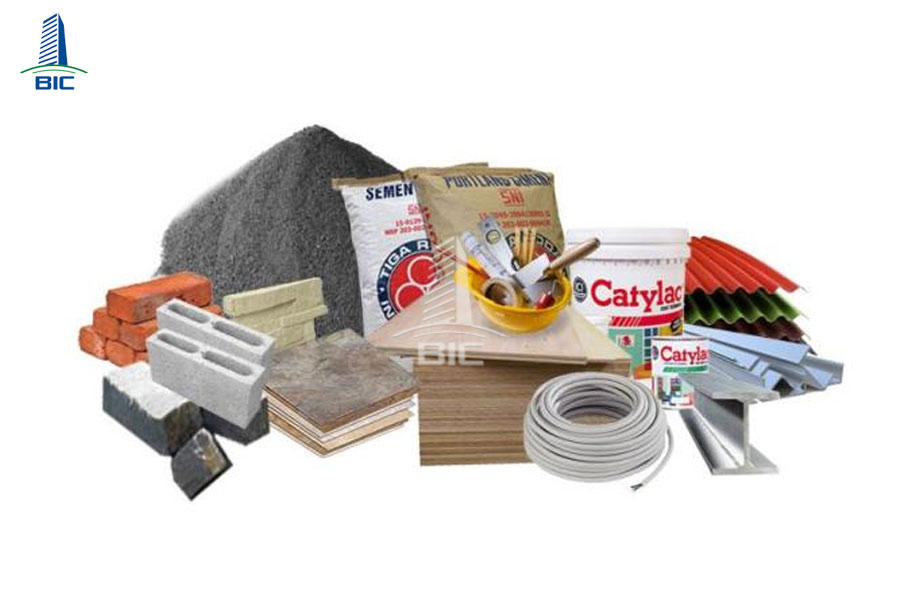
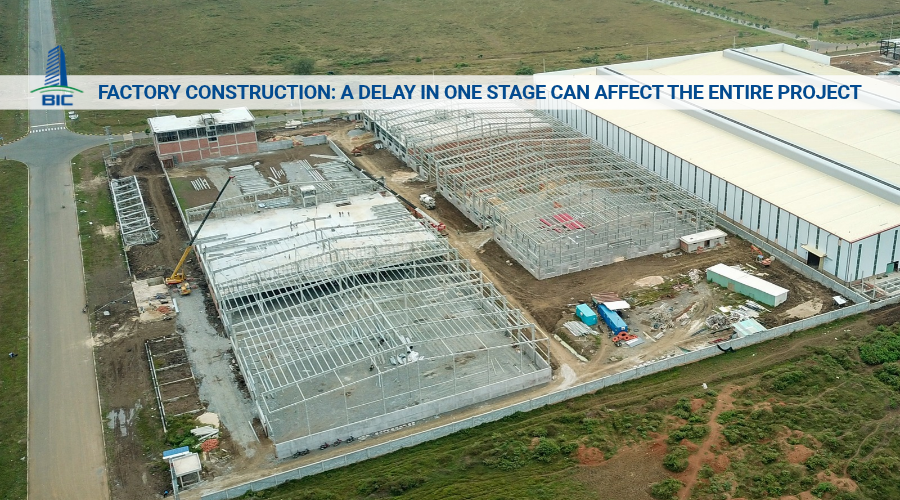
Construction management and supervision are crucial factors determining the quality of the factory renovation process. However, many businesses still make serious mistakes during this phase, leading to undesirable consequences, from delayed timelines to subpar project quality.
- Not adhering to the original design:
A common mistake is making changes to the design during construction without careful consideration. These changes often stem from the desire to cut costs or address on-site issues, but they can have unforeseen consequences. Altering the design without thorough review can reduce the project’s quality, fail to meet technical and safety standards, or create difficulties in future operations. To avoid this mistake, businesses need detailed plans and strict adherence to the approved design from the beginning.
- Loose construction supervision:
Lack of strict supervision during construction is a major cause of subpar project quality. Without continuous monitoring and technical oversight, errors in the construction process, such as using substandard materials, improper construction methods, or non-compliance with safety standards, can easily go unnoticed. This not only affects the overall quality of the factory but can also lead to serious safety issues in the future. Therefore, businesses must ensure they have a professional supervision team and implement rigorous inspection processes.
- Lack of coordination between involved parties:
Another mistake in construction management is the lack of effective coordination between involved parties, including contractors, material suppliers, and the design team. Poor communication and coordination can lead to construction issues, such as using incorrect materials, missing deadlines, or failing to comply with the design. To avoid this situation, a clear project management plan, regular progress updates, and maintaining close communication between all parties are essential.
Construction management and supervision play a crucial role in ensuring the quality of the factory renovation process. Businesses must take this task seriously, from adhering to the original design, closely supervising construction, to maintaining effective coordination between involved parties.

Renovating a factory is a complex process that requires meticulous preparation and careful management at every stage. Mistakes can lead to severe consequences, increasing costs, extending completion times, and affecting project quality. Therefore, to ensure success in renovating and upgrading factories, businesses must pay close attention to every detail, from choosing reputable design partners to strictly adhering to technical processes.
BIC, with extensive experience and deep expertise in factory design and renovation, is always ready to support your business in overcoming any challenges and ensuring the highest quality for your project. Contact us for consultation and let us accompany you on the journey to enhancing production efficiency and optimizing workspace for your factory.