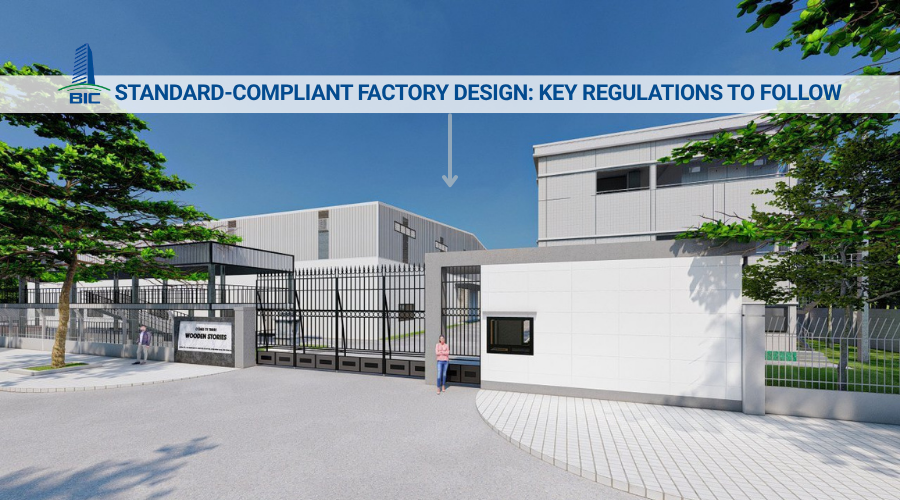
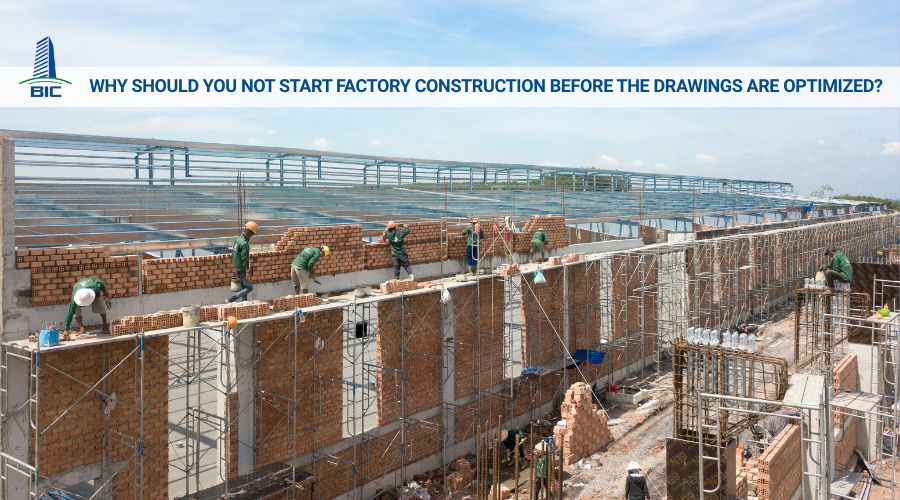
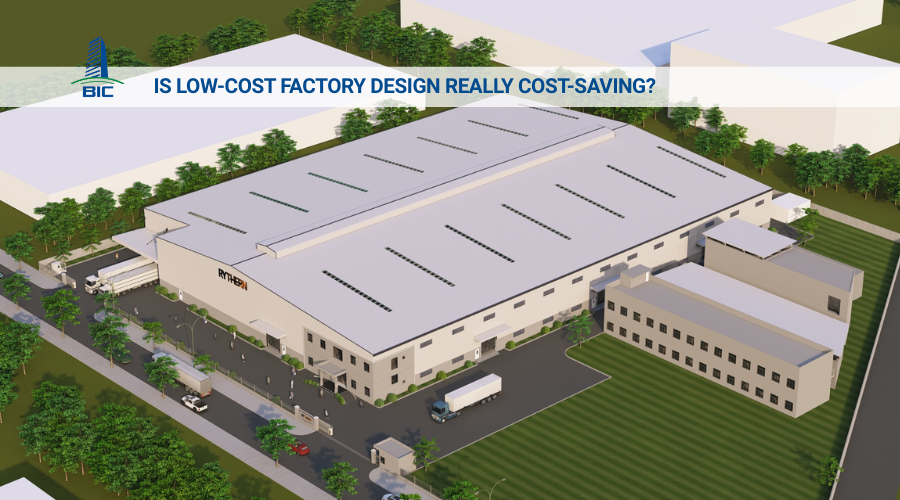
The method of dissecting the volume of steel structure is the basis for calculating construction costs based on which the factory construction volume is accurate and regulated, which will help calculate the exact construction cost.
How to peel off the volume of steel structure
In general, the dissection of the work volume is the determination of the volume by the following methods: Measure, count, calculate, check on the basis of the size and quantity specified in the design drawings, design descriptions or requirements. requirements for implementation of construction design, construction of technical instructions, other relevant instruction documents and construction standards and regulations.
The method of loading and unloading the volume of steel structure must be suitable for the purpose of use, the method of determining and managing construction investment costs according to regulations.
The method of loading and unloading the volume of steel structure needs to show the structural properties of the main materials used and construction methods, ensuring sufficient conditions to determine the construction cost.
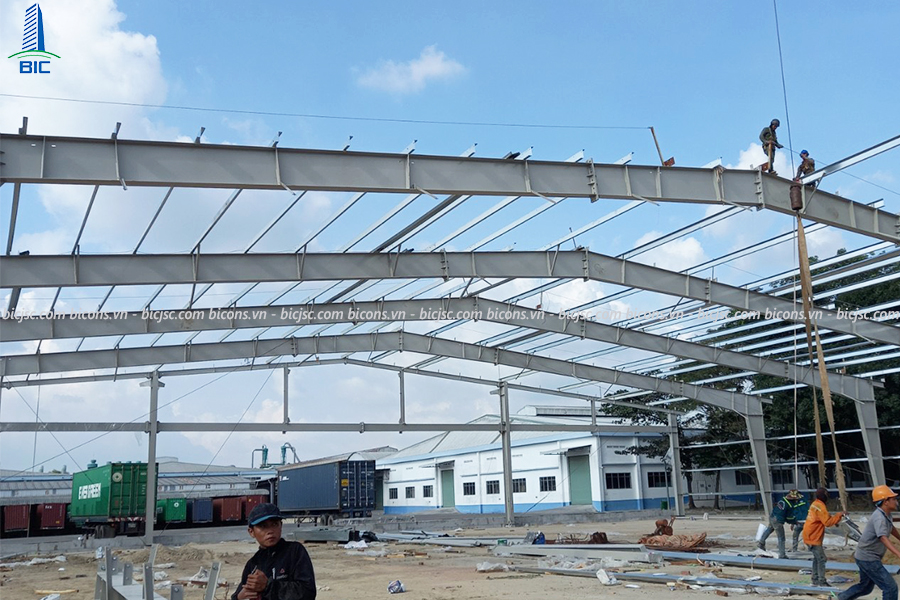
In addition, there are parts that can be shown in the design drawings but cannot be accurately measured and removed, so a provisional volume can be given. The provisional volume will be re-determined upon acceptance, payment and finalization or according to the terms of the contract.
When using volume statistics from specialized software design software, the volume of these works needs to be clearly stated in terms of how determined in the Summary Table of construction volume in accordance with the requirements.
The method of dissecting the volume of steel structures in the acceptance, payment and settlement of construction costs shall comply with the terms of the contract.
Requirements for mass dissection
Dossier to measure and peel off the volume of the factory
+ Summary table of construction volume (sample Table 6.1)
+ Detailed table of construction work volume (Form Table 6.2)
+ Detailed statistics tables
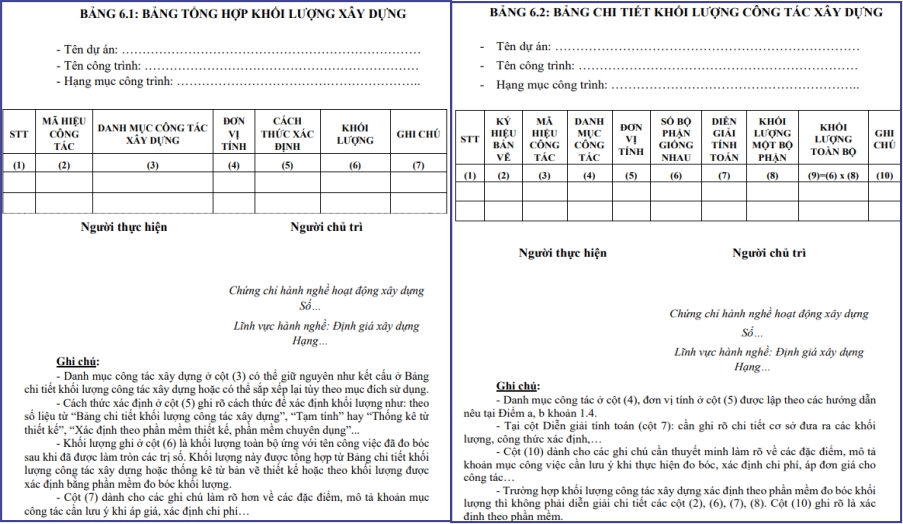
+ Synthesize the results of measurement and removal of the construction volume of the workshop or items, providing information on the volume and other relevant information to serve as a basis for determining construction costs
+ Construction works to be performed must be recorded in the summary table of workshop volume. A summary table of construction volume is made for the entire factory work or items, bidding packages and according to the required progress of the factory construction.
+ Contents of the spreadsheet summarizing the construction volume of the factory (Form Table 6.1)
+ Detailed table of factory construction workload
+ Detailed explanation of the properties, the results of determining the mass during the measurement process (table sample 6.2)
A few other requests
The list of work to be performed is to dissect the volume in accordance with the design drawings, with the technological process and construction sequence, to fully demonstrate the contents of the construction jobs that need to be determined in terms of volume and location. construction parts
The unit work name must be consistent with the unit price norm system.
The symbols used in the Coating Mass Details Sheet are consistent with the symbols shown in the design drawings. The method of dissection of the steel structure of the workshop must be clearly stated according to the design statistics, the drawing data with statistics.
The measurement results of the construction workload dissection from the detailed volumetric table are aggregated into the volume summary table after being processed in the direction of rounding the values.
- Study, check, and grasp the information in the design drawings and accompanying documentation. Where necessary, ask the designer to explain.
Make a detailed table of construction work volume of factory works, workshop items
+ List the work to be done to measure and peel off the volume
+ Divide jobs into specific tasks to perform measurement and dissection
+ Selecting the unit of calculation must be suitable for the system of norms, unit prices and units of measurement
+ The list of work to be measured and peeled is presented in accordance with the construction sequence design drawing, fully showing the contents of the work that needs to be determined the volume, location of parts, construction work of the project.
Measure and disassemble the work volume according to the detailed table of construction volume
Summarize the measured and peeled weights into the Weight Summary Table after rounding the value
Carry out a review and inspection of the dissected factory construction volume.
How to dissect the volume of steel structure by area, capacity scale or capacity to serve factory design
Implemented on the basis of preliminary determination of total construction investment according to the method of determining investment rate of factory construction.
- Measure according to the construction floor area for civil and industrial works
+ The volume of factory floor area is the total construction floor area of all floors, including floors. The building floor area of a floor is the building floor area of that floor including the wall and the ground area of the technical details.
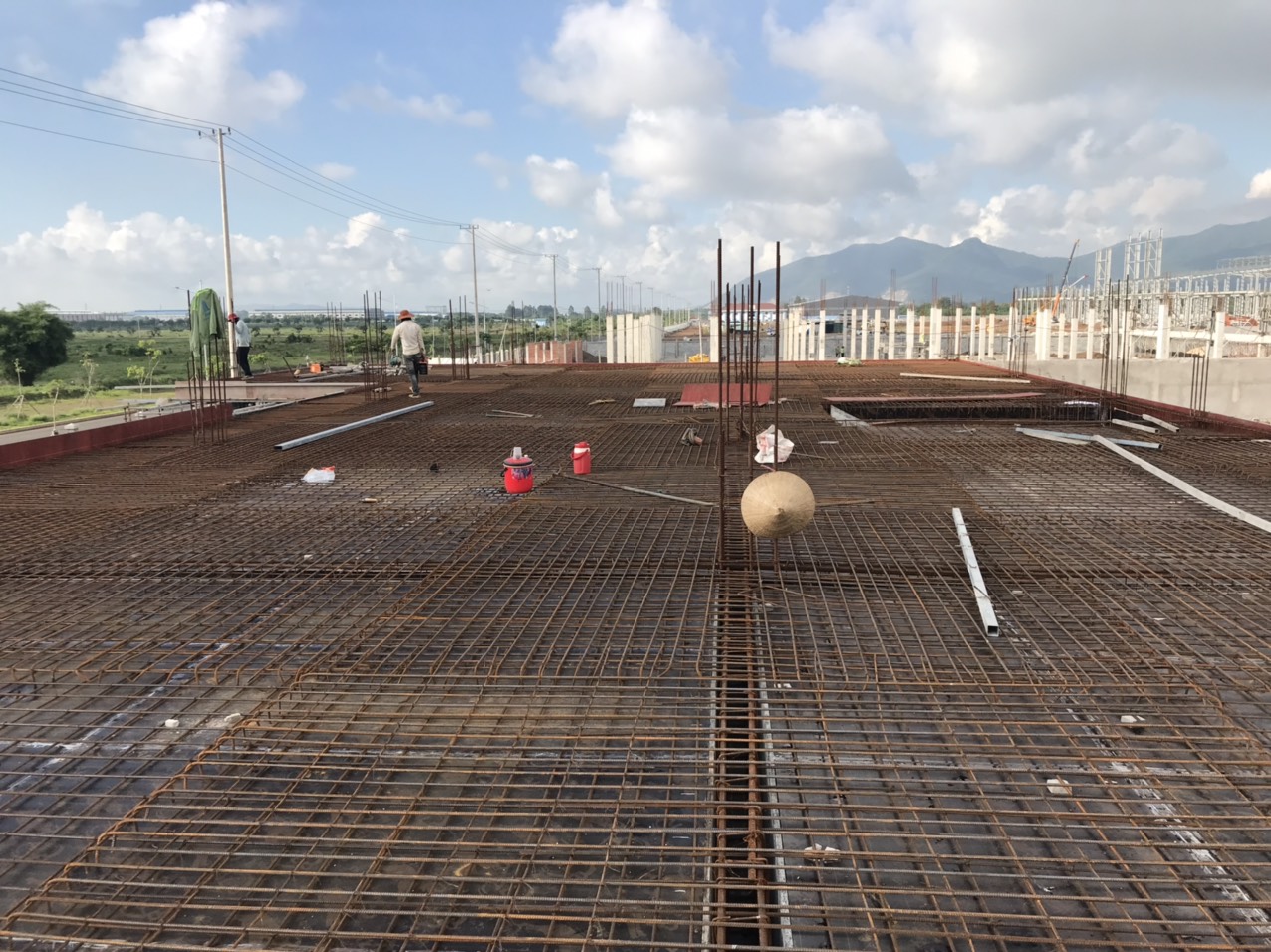
- The descriptive information including the height of the work, and the information related to the cost determination should be recorded in the detailed table of construction workload.
Dissection by area of traffic bridge
+ The volume of the area of the road traffic bridge calculated by the width is the end of the outer handrail edge and the length to the end of the abutment.
+ The descriptive information including other information related to the cost determination should be recorded in the detailed table of construction volume.
Disassembling volume according to capacity scale or service capacity of the factory
+ For the works already in the list of investment rates of investment promulgated by the competent authority, the unit of calculation used for measurement is consistent with the corresponding unit in the promulgated investment rate.
+ When measuring the mass according to the capacity scale according to the specifications or the service capacity according to the design of the work, the descriptive information should be clearly shown about the properties, characteristics and types of materials used to be determined. from the basic design and other necessary requirements in the factory
How to dissect volume by construction work group, structural unit and building part
List of working groups of structural units or work items selected on the basis of the main performance objectives in the construction process
Unit
+ Determine in accordance with the main type of construction work, structural unit or part of the work, ensure the most convenient measurement of night on drawings or in the field when building works and must be suitable with unit calculated according to the published norm
+ For working groups of structural units or work parts already included in the list of norms and unit prices promulgated by competent authorities, the names and units of calculation shall be recorded in the detailed table of construction work volumes. Construction work, Summary table of construction work volume, construction work items in accordance with the name and unit of calculation in the set of unit price norms issued
+ The volume of measurement and removal according to the construction working group of a structural unit or a work part shall be carried out by the method of measuring, calculating and checking on the basis of the size, quantity and statistics in the design documents of the work. , technical instructions, work requirements to be performed of the project.
+ Classification by type of structure to be demolished, type of material to be demolished, construction methods and construction conditions
+ In the name of the work, it is necessary to note the support measures, the volume of anti-dumping measures and the transportation of waste out of the works are calculated into separate works.
The volume of materials after demolition, if utilized, should be recorded in the description of work items in the Summary of Construction Volumes.
Excavation volume: Excavation by group, type of work, type of mud, grade of soil, rock, excavation depth, width of excavation pit, construction conditions, construction methods (manually or by machine).
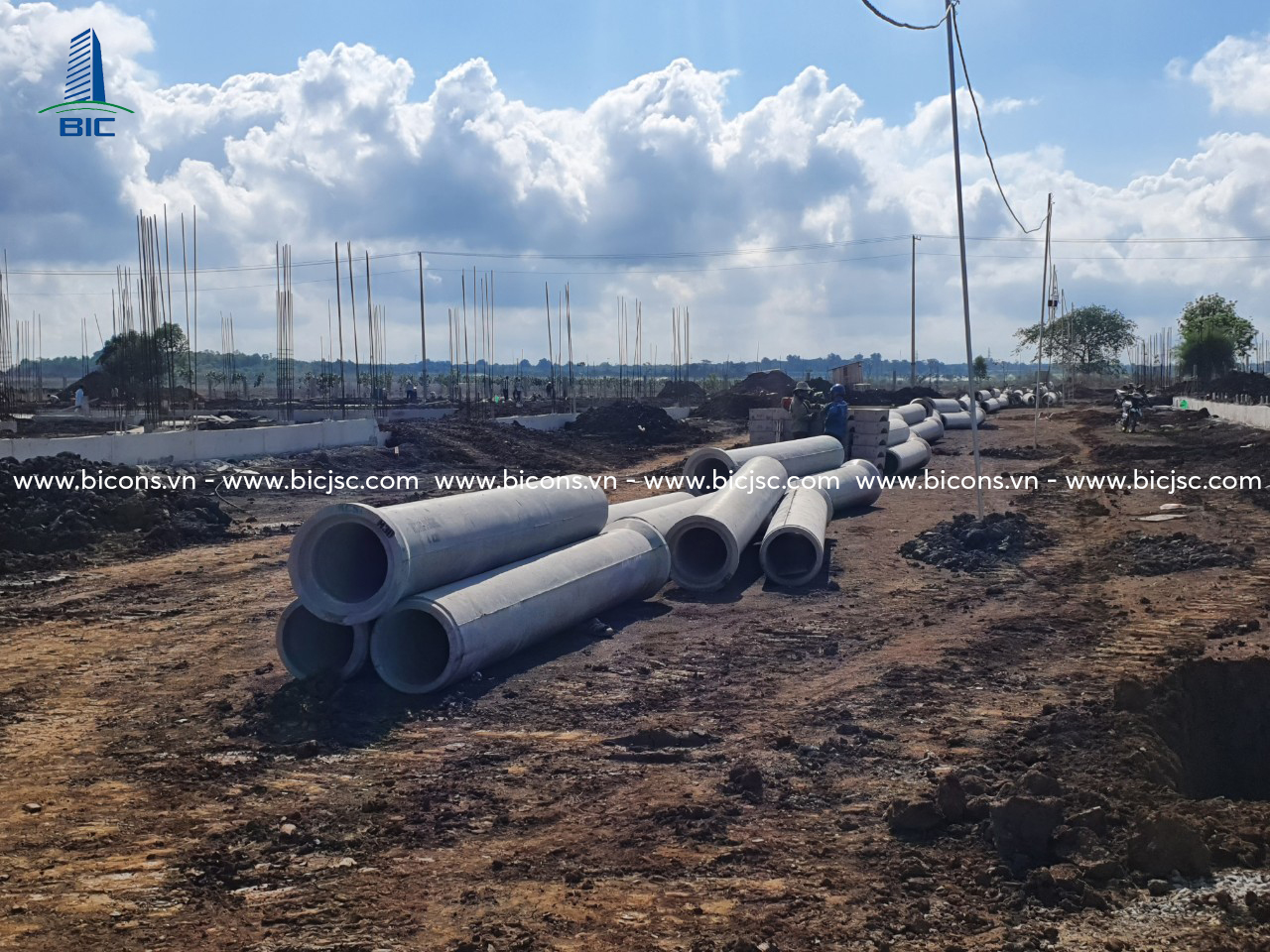
Filling volume: Dissection by group, type of work, type of backfill material (soil, rock, sand ..) grade of soil and rock, thickness of backfill layer, required density when filling, construction conditions , method of construction (by hand or by machine)
The volume of earthworks is calculated according to the dimensions in the design drawings, construction standards and acceptance, without any additional expansion, shrinkage or loss.
In case of excavation for backfill, the volume of excavated soil is equal to the volume of backfill soil multiplied by the conversion coefficient from excavated soil to backfill soil.
In case of purchasing loose soil for filling, the volume of loose soil used for backfilling is determined based on the volume of soil measured at the embankment site multiplied by the soil porosity coefficient (equal to the dry volume of soil according to design requirements). divided by the dry porous mass in the field).
The volume of excavation and backfilling does not include the volume of occupied underground works (engineering pipelines, sewers...).
In the excavated volume, the volume of soils/rocks is not counted separately but differs from the grade of soil/rock being removed if the volume is less than 1m³.
For excavation and foundation work of high-rise buildings, hydraulic works, bridge piers, abutments, tunnels, works along lines, soft ground, in the description of excavation and backfill, pitting methods should be recorded. excavation and backfilling services such as making piles against landslides.. (if any).
The use of materials after excavation (if any), the plan to transport excavated materials out of the site should be specified in the description of the work item.
Separately classified by type of building materials (brick, stone...), mortar grade, masonry thickness, building height, construction parts and construction conditions.
The volume of masonry includes overhangs and connection details attached to the masonry, not excluding voids in the masonry with an area of < 0.25m².
Wall thickness does not include facing, surface coating (plaster layer). The thickness of the bevel wall is the average thickness of that wall.
Independent wall construction with a length of ≤ 4 times the wall thickness is counted as building columns and pillars.
The volume of columns and pillars attached to the wall, designed with the same material as the wall, carried out together with wall construction, shall be included in the wall volume.
How to remove mass in concrete work
Classification by method of concrete production (concrete in situ, commercial concrete)
According to the type of concrete used (crushed concrete, asphalt concrete, heat-resistant concrete, sulphate-resistant concrete...), according to the size of the material (stone, gravel, sand, etc.)
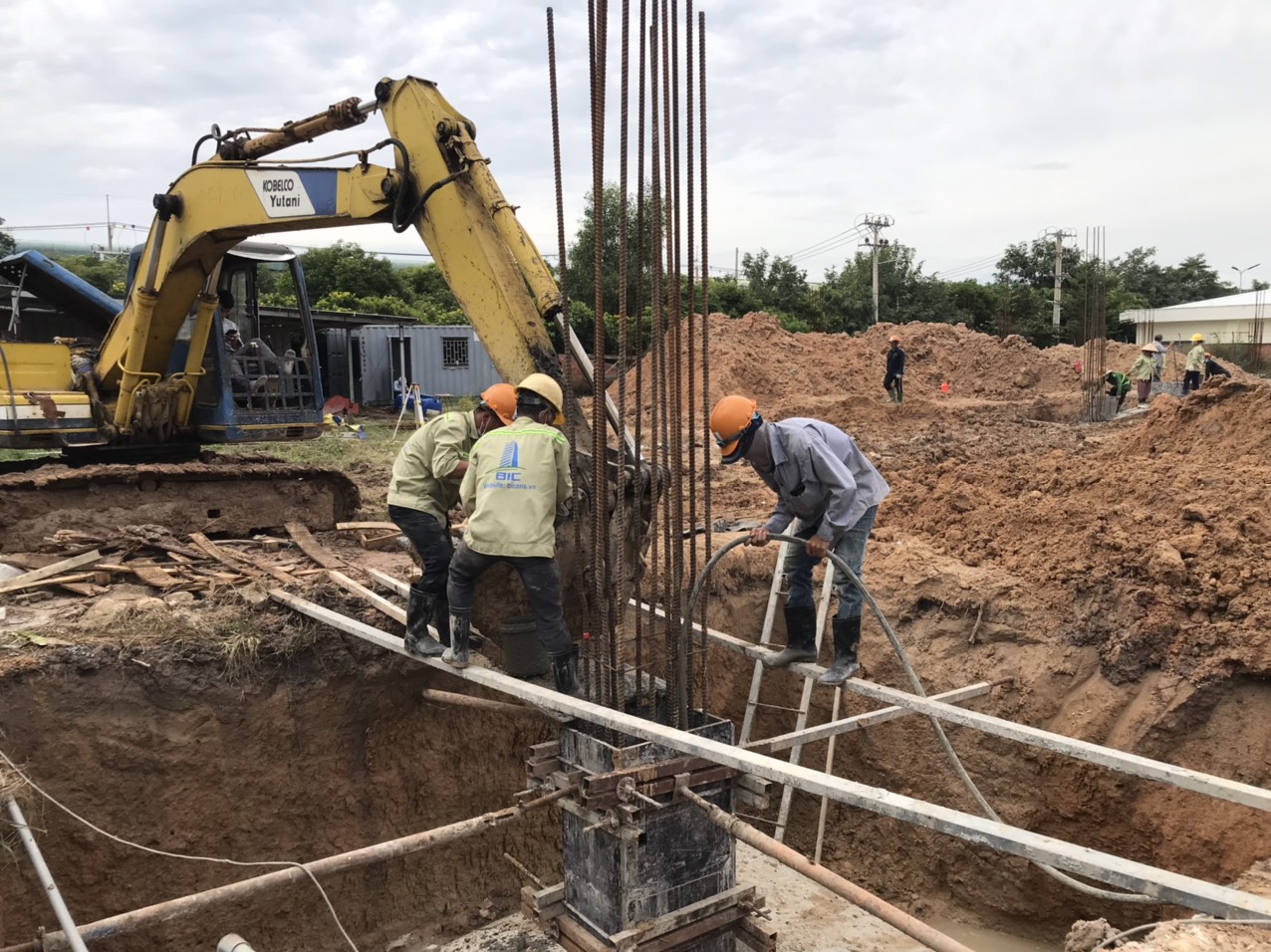
According to the concrete mortar grade,
According to details of structural parts (foundation, wall, column...)
According to concrete block thickness, building height, concrete structure (precast concrete),
According to construction conditions and construction methods.
For some special concrete works, it is also necessary to measure and peel off, classified according to the structure, the height of the member, the diameter of the member.
The mass of concrete including overhangs, excluding reinforcement, fasteners, slabs, pre-sprinklers and the like, is to be subtracted from expansion joints, voids in the surface of the joints. concrete structures with a volume greater than 0.1m³; intersections between structures are calculated once.
Columns, pillars connected to the wall, if they have the same grade and grade of concrete with the wall and do not require separate casting, they are counted as part of the wall.
The concrete at the intersection of columns and beams, if they have the same grade and grade of concrete and do not require separate casting, shall be counted as part of the column.
The concrete part of beams, columns and walls in the floor slab, if it has the same grade and grade of concrete as the slab and does not require separate casting, shall be counted as part of the floor.
Special requirements for beam measures, curing or special handling techniques according to designs or standards, codes, concrete transport plans (distance, vehicle type), grading ratio concrete should be specified.
Classification by materials used to make formwork (steel, wood, plywood...).
The volume of formwork is calculated according to the cross-section of the surface of the concrete structure to which the formwork must be installed and must be subtracted from the expansion joints and voids on the surface of the concrete structure with an area larger than 1m2, the intersection of Foundation - columns - beams - ceilings... are counted once.
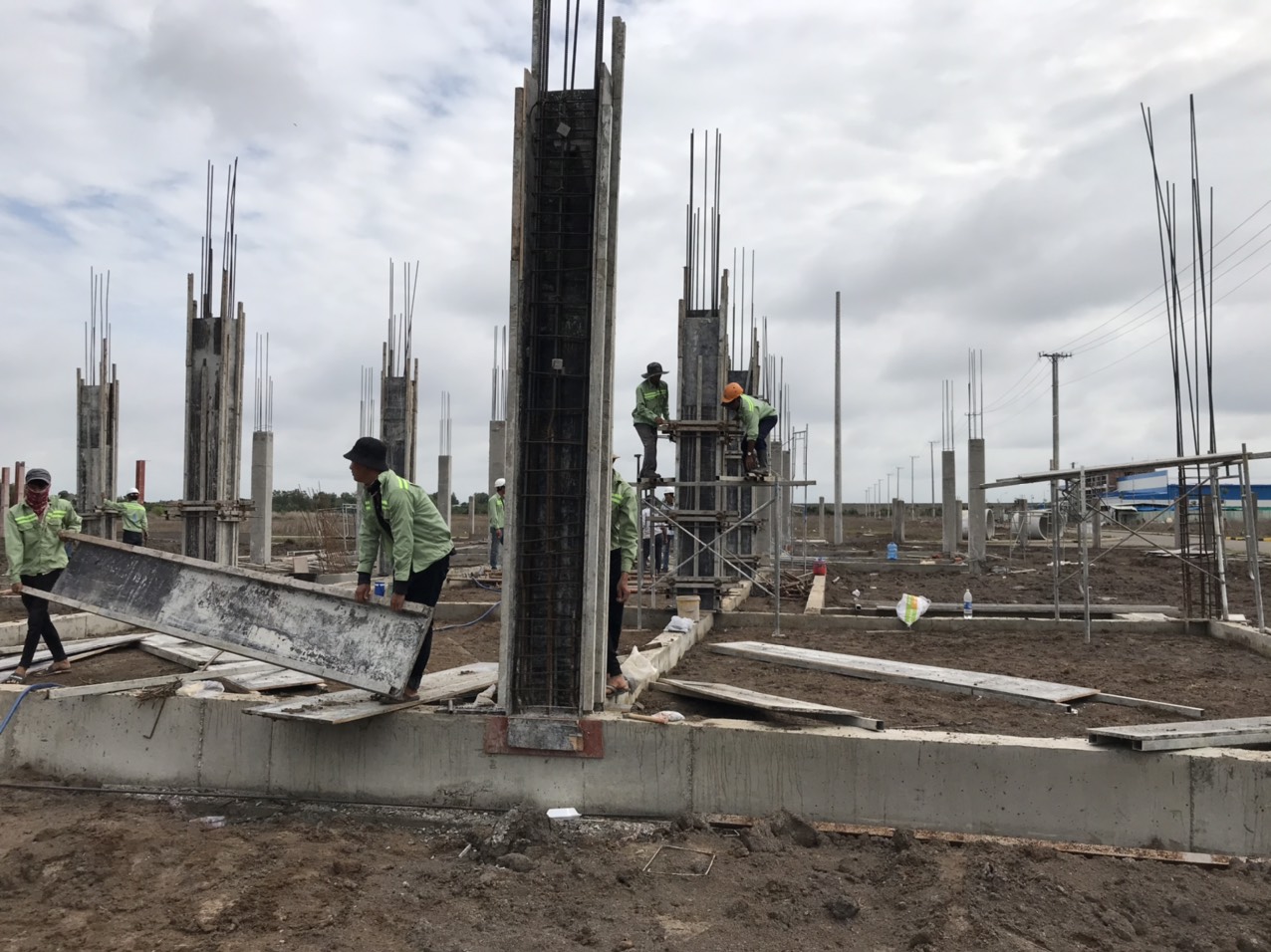
For formwork according to profiled sheets, when constructed according to technical requirements with a size larger than 3m2, the area of the formwork must not be deducted from the voids on the surface of the concrete structure.
The formwork left behind should be specified in the description of the formwork work item.
Classification by type of steel (normal steel and prestressed steel, plain steel, rebar), steel grade, steel group, reinforcement diameter according to details of structural parts (foundation, column, wall...) and condition construction event.
Classification according to the height of the structure.
The volume of reinforcement measured and removed includes the volume of reinforcement, overlapping joints, threaded connections, pipe connections, spacers, millets, connection bolts and the volume of reinforcement with construction methods such as reinforcement between two layers of reinforcement. steel... (if any).
Standard strength information, surface shape and other identification characteristics should be clearly stated in the Table of Calculation and Measurement of Construction Mass.
How to peel off the aggregate volume in pile work
Sort by:
- Materials for making piles (bamboo poles, wood, reinforced concrete, steel),
- Size of piles (length of each pile, diameter, cross section),
- Pile driving method,
- Piling depth,
- Level of soil and rock,
- Construction conditions (on land, underwater, fresh water, brackish water, salt water)
- Construction methods (manual, machine construction).
Pile driving depth is measured along the axis of the pile from the point of contact with the ground to the tip of the pile.
Information related to the necessary requirements when driving piles, connecting piles, and demolishing pile heads should be clearly stated.
For structures of Barrete piles or prefabricated reinforced concrete piles in the field, the removal of the volume of Concrete, reinforcement, and formwork of piles is calculated as guided in the above sections.
Permanently left bulkheads must be specified in the spreadsheet.
How to dissect the volume of steel structure for drilling work
Sort by:
- bore diameter,
- Drilling depth,
- Drilling conditions (drilling on land or under water, fresh, brackish, and salt water environments),
- Supply of soil and rock;
- Drilling method (straight drilling, oblique drilling);
- Drilling equipment (rotary drill, twist drill, shake drill...), techniques for using protection of the borehole wall (wall pipe, bentonite...).
Drilling depth is measured along the borehole, from the point of contact with the ground (for terrestrial drilling) or from the water surface (for underwater drilling) to the height of the bottom of the borehole.
Information about drilling work: Drilling depth, rock level, drilling conditions: drilling on land, underwater, water depth, flow rate, tidal level rise and fall, depth of insertion rock, length of sidewall pipe (if any),... should be specified in the Worksheet.
Classify:
- Type of road (cement concrete, asphalt concrete, asphalt, graded...),
- Sequence of structure (base, foundation, road surface),
- The thickness of each layer,
- Construction methods.
The volume of road construction when measuring and removing must be subtracted from the volume of holes in the road surface (such as manholes, manholes or the like) with an area larger than 1m2. The intersections are counted once.
The information about the type of material, the thickness of the layers, the cross-section of the road, the curb should be specified in the Worksheet.
The workload of sidewalks, medians, guardrails, painted lines, grass area, stake system, signboards, lighting system... are calculated separately.
Construction works, concrete, reinforcement... of road construction are also calculated as guided above
Classify
- According to pipe type,
- tube size,
- Manufacturing materials (concrete, cast iron,...).
The length of the pipe is measured along the center line of the pipe.
The length of the water supply, distribution and drainage pipes is measured including the length with fittings and valves.
The length of the drainage pipe (rain, dirty) does not include the length in manholes, sumps and manholes occupied.
The volume of pipe coating is calculated as the length times the circumference of the pipe to be painted without subtracting or adding flanges, valves, brackets and other protruding fittings.
Materials, connection types, pipe diameters and lining requirements are specified in the Worksheet.
Classify:
- Types of steel,
- Specifications of steel,
- texture size,
- Types of connections (welded, bolted...),
- Necessary technical requirements when processing, erecting, processing and erection methods (manual, mechanized, temporary piers when erecting steel structures...).
The volume of steel structure includes:
- Mass of steel bars, steel plates formed.
- Mass of superimposed joints as prescribed by technical standards,
- bevel cutting, end chamfering or excavating weights to create grooves, holes or engravings on the surface of steel structures each hole having an area less than 0.1m2
- Weight of bolts, nuts, millet but excluding the mass of bolts, parts of temporary assembly.
When calculating the painted area of metal structural parts, do not calculate the details for each joint plate, studs, bolts, nuts and the like.
For steel structures that require protective paint before installation, the paint volume is supplemented with the volume of patching paint and finishing miles after installation.
Classify:
- Wood group,
- Details of structural parts (wooden trusses, wooden purlins, hardwood bridges, wooden beams, bridge deck wooden structures, ...)
- Dimensions of components, details of connections, joints in spatial structure
- According to construction conditions and construction methods.
Weight including joints, wooden joints.
For wooden floors, walls and ceilings, excluding the volume of voids and voids with an area less than 0.25m2.
Excluding materials used to support when erecting wooden structures such as plinths, struts,...
The length of wood parts is measured as the total length excluding joints and joints.
The volume of metal materials to strengthen the structural wood and steel joints, bolts, anchors, stiffeners, nails... and surface finishes are measured separately.
The material, type and dimensions of the fixture are specified in the Worksheet.
Supply requirements of finishing work
* Classification:
- Work to be completed (plastering, smoothing, tiling, paving, painting, plating, making doors, making ceilings, making roofs...)
- Thickness of the surface to be finished (plastering, smoothing, painting, plating...),
- Types and specifications of finishing materials (type of mortar, grade of mortar, type of wood, type of stone, type of ceiling panel, type of roof...),
- Details of structural parts (beams, columns, walls, pillars, ceilings, roofs...),
- Construction conditions and construction methods.
* The volume of finishing work when measuring and peeling is not subtracted from the volume of voids and unfinished voids with an area less than 0.25m2.
* Information on technical characteristics of materials should be specified in the detailed table of construction work volume and the summary table of construction volume.
- Is the volume of surface to be finished determined in contact with the foundation of the structure, including smooth joints, edges, corners, flat intersections, recesses, protrusions...
- The weight of thread edges, moldings and materials used for bonding for plastering and smoothing work such as corner retainers, fibers, and wire meshes are calculated separately.
Measuring and peeling Paving and paving work
- Is the volume of the surface to be covered, the paving of the structure including joints, edges, corners, paving and trenches, paving on underground pipelines and manhole covers, paving in frames and paving around pipes, cantilever beams and the like...
- Weight of decorative details at edges, corners and intersections is calculated separately.
Measure the door work
- Weight is measured by door type and door part such as door frame, door, splints, decorative braces, door box, slotting material (if any), locks, types self-closing and opening accessories...
- Information such as door material (wooden door, glass door, metal door, plastic door, rolling door...), properties of material type (wood group, metal material,...), method Connections, characteristics of erection location (brick wall, concrete wall, wooden structure...), surface treatment and finishing before erection should be clearly stated in the detailed table of construction work volume.
- Calculation by type of ceiling (including ceiling panels, ceiling beams, hanging frames, braces, spacers, border bars ...) and excluding blowers, suction mouths, lights, smoke alarms.. . belonging to the engineering system is attached to the ceiling.
- Ceiling volume can be calculated separately according to ceiling panels and ceiling beams, hanging frames...
Measure roof work
- Calculated according to the type of roof, the surface to be roofed corresponds to each volume according to the part of the roof such as trusses, truss bracing, purlins, wind bridges, roof layers.
- According to the materials used (including topping up, flowing banks).
Measure and peel off the paint job
- Volume of wall painting: is the volume of finished surface concrete.
- Pipeline paint volume: Is the length times the circumference of the painted pipe, excluding additional flanges, valves, brackets and other protruding fittings.
- When calculating the painted area of metal structural parts, do not calculate the details for each joint plate, rivet, bolt, nut and the like.
- For steel structures that require protective paint before installation, the paint volume is added to the paint volume and, after installation, finishing miles.
- The volume of installation of engineering systems such as electricity, water, ventilation, heat supply, light electricity, fire alarm, fire fighting... is measured and classified according to each type of materials and accessories of the system. engineering system according to the schematic design of the system, taking into account the bends and bends according to the details of the structural parts, according to the installation modules, according to the connection type, according to the construction methods and conditions. construction (height, installation depth).
How to disassemble the volume - Installation of construction equipment
Calculation classification:
- Type of device,
- Combination,
- Equipment system to be installed
- According to the installation modules
- By link style
- According to construction methods and construction conditions (height, installation depth)...
The volume of installation of construction equipment includes all accessories for on-site finishing, equipment, complexes, equipment systems according to the design and serving the inspection, test run and temporary operation.
How to disassemble the volume - Scaffolding work for construction
The calculated volume of scaffolding including erection and dismantling is measured by type of scaffolding (bamboo, wood, steel and tool scaffolding), by purpose of use (internal scaffolding, scaffolding, etc.) external scaffolding, complete scaffolding of pillars, independent columns...) and time of using scaffolding, number of rotations, liquidation and withdrawal...
Scaffolding height is the height from the foundation surface, current floor of the building to the maximum height to ensure favorable conditions for construction.
Measuring the volume of tool steel scaffolding for construction, in addition to the above principles, it is necessary to note some specific regulations as follows:
- The external scaffolding is calculated according to the vertical projection area on the outside surface of the structure.
- The internal scaffolding is calculated according to the equal projection area of the structure and is only calculated for the works with a height greater than 3.6m according to the principle of taking the scaffolding height of 3.6m as the base and every increment. add 1.2m to add one layer to accumulate, if the increase is not enough 0.6m, the volume will not be counted.
- Scaffolding for complete columns and independent columns is calculated according to the circumference of the column and pillar cross-section plus 3.6m multiplied by the height of the column or pillar.
When preparing the bidding documents, the investor must clearly specify the principles and methods of measuring and taking off, payment and settlement of the contract.
If there is no other agreement in the contract, the principle of measuring and removing the volume of construction works is mainly guided by the guidance in Clause 5 (Specific volume measurement instructions above) and other relevant regulations.
The completed construction volume is checked, calculated, measured and confirmed between the investor, construction contractor, supervision consultant according to the time or construction stage specified in the terms of the contract. construction contract and must be contrasted with the volume in the approved design to serve as a basis for acceptance and payment. For the package contract, there is no need to measure the finished volume in detail. The volume arising outside the approved design and cost estimate must be approved by the investor or the investment decider as a basis for acceptance, payment and settlement of the contract.
The content of the article is based on Appendix VI-Circular No. 13/2021/TT-BXD dated August 31, 2021 of the Ministry of Construction