In factory design and construction, steel structures are increasingly becoming the preferred choice for many businesses. Thanks to their outstanding advantages such as high durability, strong load-bearing capacity, and flexibility in design, steel structures not only help save costs but also shorten construction time.
However, to ensure the sustainability and safety of the project, paying attention to the technical aspects of steel structures is crucial. In this article, BIC will highlight important considerations to help you gain a comprehensive understanding of applying steel structures in factory design.
Steel structures offer many superior advantages in factory design:
- High Utility: Steel frames have excellent load-bearing capacity, suitable for all types of projects, and can easily be shaped according to design requirements.
- High Durability, Rust, and Water Resistance: Steel has outstanding durability, with rust and water-resistant properties, which helps extend the life of the building.
- Easy to Repair, Assemble, and Replace: The assembly and repair of steel structures are quick, saving time and effort.
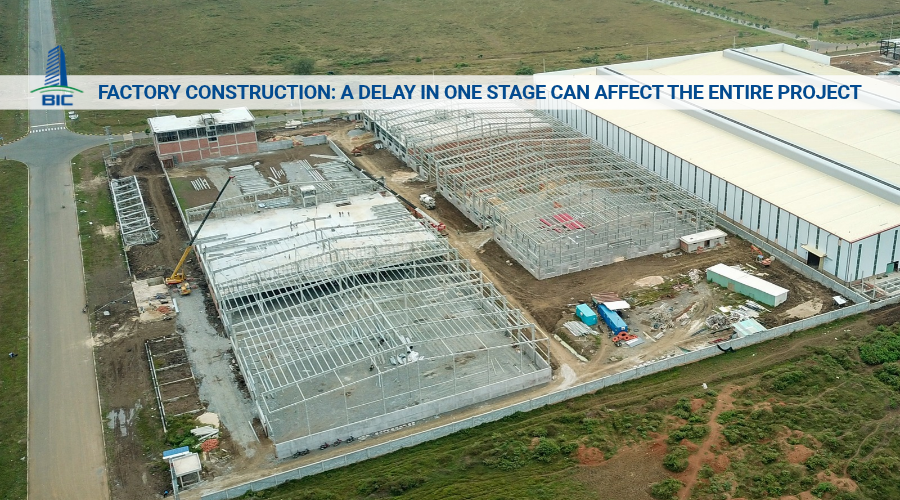
- Rapid Construction: Steel components are pre-fabricated in factories and then assembled on-site in just 5-10 days, saving both time and costs.
- Lightweight and Easy to Transport: Steel is lightweight, making it easy to transport and assemble, reducing labor and transportation costs.
- Lower Cost: Steel structures generally have a lower cost compared to traditional reinforced concrete structures, thanks to savings in time and construction costs.
- High Quality Assurance: Steel frames are produced according to Vietnamese and international standards, ensuring quality and safety for the project.
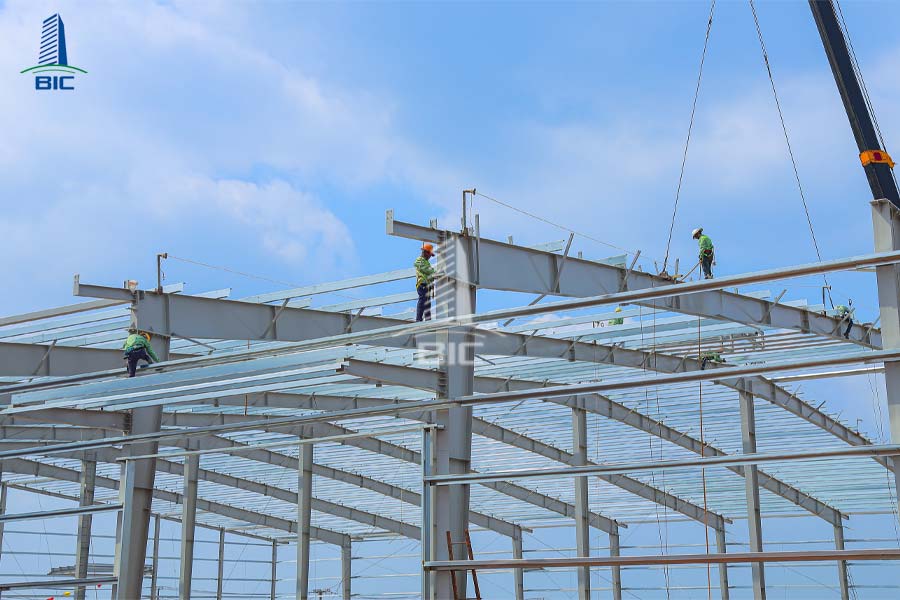
Before starting the structural drawing in factory design, it is necessary to conduct a survey to evaluate the construction conditions. This step includes:
- Site Survey: Assess the terrain conditions, dimensions, and shape of the construction area. Factors such as slope, soil structure, and the presence of special geographical features should be determined.
- Environmental Impact and Influence: Consider surrounding environmental factors that may affect the project, including climate conditions, the presence of natural elements like rivers or lakes, and neighboring constructions.
A thorough survey before design ensures that environmental and geological factors are fully considered, creating conditions for accurate and effective design.
When choosing steel structures, load is a crucial factor to be carefully considered to ensure the durability and safety of the project. There are two main types of loads to be aware of:
- Static Load: This includes the weight of the steel structure itself, fixed equipment, and materials used in the project. Static loads are always present and do not change over time, playing a foundational role in determining the load-bearing capacity of the steel structure.
- Dynamic Load: This type of load varies over time and includes factors such as wind load, snow load, earthquakes, and machinery operations within the factory. Dynamic loads are unstable and require the steel structure to be flexible and withstand unexpected changes to ensure safety.
Both types of loads must be calculated and combined in the factory design process to select the most suitable steel type for the project.
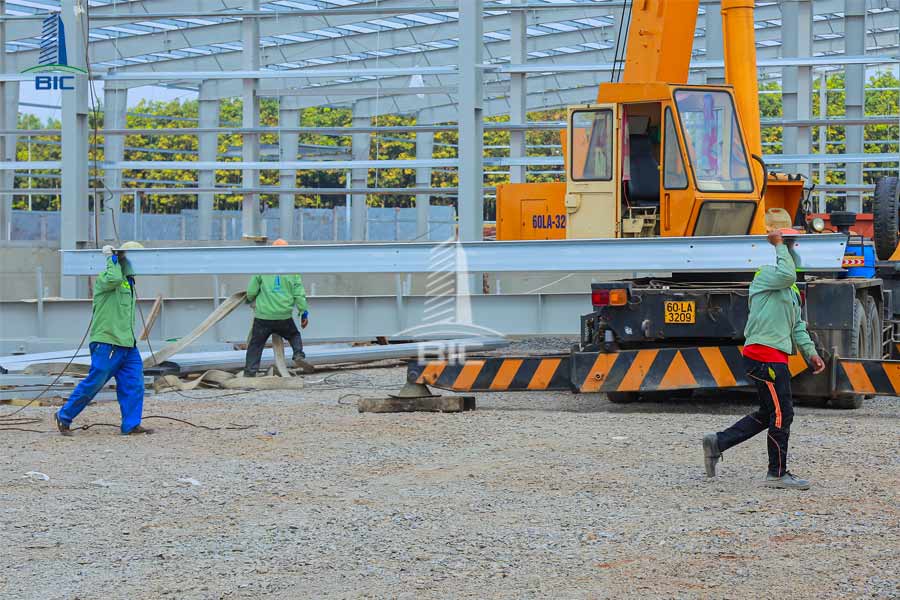
- Structural Requirements: First, clearly define the specific requirements for the steel structure, including the load it needs to bear, the environment of use, and the lifespan of the project. These factors directly affect the strength, corrosion resistance, and other characteristics of the steel you will choose.
- Steel Strength: Choose the appropriate strength of steel based on the load-bearing capacity of the structure. Common strength levels include bending strength, tensile strength, and yield strength, and depending on the requirements of each project, the strength of the steel may vary.
- Corrosion Resistance: If the steel structure will be used in a corrosive environment such as seawater, chemicals, or areas with high humidity, choose a steel type with good corrosion resistance or add protective measures like coatings or corrosion treatment.
- Temperature Requirements: Some applications require steel to withstand high or low temperatures. Therefore, select a steel type with appropriate temperature characteristics to ensure the structure is not adversely affected by thermal impacts.
- Production and Processing Efficiency: Consider the production and processing capabilities of the steel, ensuring that the material can meet the welding, cutting, and shaping requirements of the project effectively.
- Cost Factor: Cost is an important consideration. Steel types vary greatly in price, so it is necessary to choose a material that fits within the project's budget.
- Standards and Specifications: Ensure compliance with current construction standards and specifications to determine which steel type is most suitable for your project.
- Sustainability: With the trend towards sustainable development, more and more projects are choosing steel that can be recycled or reused, aiming to meet environmental protection and sustainable development requirements.
When designing steel structure drawings in factory design, determining the size of related factors is crucial. Key factors to consider include:
- Deflection of Live Load: Consider the distribution of the load and its impact on the structure to ensure stability and safety.
- Span Width of Structural Beams: Determine the length and size of structural beams to select suitable steel components and ensure load-bearing capacity.
- Earthquake Force Intensity: Assess the impact of horizontal seismic forces on the structure to design earthquake-resistant measures and ensure the structure can withstand these forces.
These factors have an important influence on the steel structure drawings in factory design and must be carefully considered to ensure the stability and safety of the project.
Labor safety is a crucial factor in minimizing workplace accidents. Labor protection equipment must be carefully prepared depending on the type of work and the activities of each department. Here are the basic types of protective gear commonly used:
- Reflective Protective Clothing: Ensures easy recognition and protects workers from hazards in the work environment.
- Sturdy Hard Hat and Safety Harness: Protects the head from falling objects and ensures safety when working at heights.
- Canvas, Tarpaulin, and Soft Gloves: Provides protection for the body and hands from hazardous materials or abrasions.
- Safety Goggles and Equipment Pouch: Protects eyes from dust and flying objects while keeping tools organized and easily accessible.
- Scaffolding: Provides a stable working platform when working at heights.
- Safety Netting: Ensures the safety of workers working at heights, preventing falls or collisions.
Proper and correct use of this protective gear helps ensure the safety of workers and reduces the risk of accidents during work.
It is necessary to check and tighten grade 4.6/S and 8.8/S bolts. To ensure effective force transmission contact surfaces, use additional washers or shims when tightening connections. The bolt tightening and final bolt tensioning processes should start from the hardest part of the joint and gradually move to the outer edge of the connections.
Before tensioning, accurately align the position and direction of the bolts to ensure they meet the requirements. Avoid tensioning bolts that have been previously tightened. If it is necessary to re-tighten previously tensioned bolts, follow these principles:
- Perform the tightening once only where the bolt remains in the correct hole and with the same length of the wrench.
- Do not reuse bolts that have been fully tensioned in other positions.
- Galvanized bolts should not be re-tensioned.
- Additional tightening of bolts that become loose when adjacent bolts are tensioned is not considered re-tensioning.
A key point is that final bolt tensioning should only be performed after alignment of direction and height is completed according to requirements.
Inspecting the locking system is an essential step, especially for multi-story steel buildings. The column, beam, and truss systems are the foundational components of the structure, so a meticulous inspection is necessary to ensure they achieve absolute sturdiness after completing the locking system installation. Carefully check for any signs of displacement or movement and take appropriate corrective measures to ensure the stability and safety of the project.
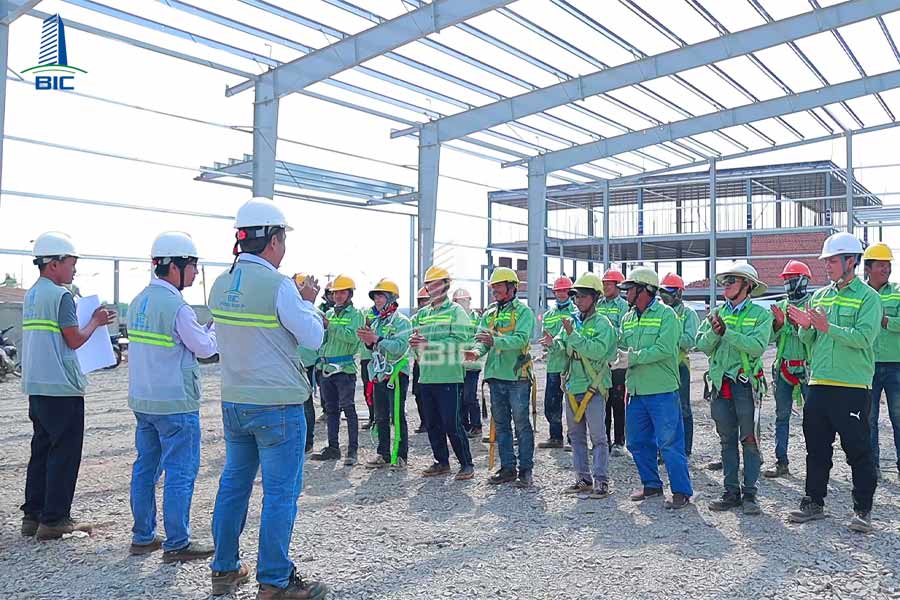
During the installation of steel structures, supervision is very important, especially when the stages may be carried out by different units or construction teams. To ensure everything is done correctly and meets the highest quality standards, follow these steps:
- Appoint an experienced supervision team to monitor the entire installation process. Ensure that the supervisor has full knowledge of the design and technical requirements of the project.
- The supervisor must carefully inspect the execution of factory design drawings and technical requirements. This includes verifying the dimensions, positions, and details of the steel structures.
- Monitor each step of the installation process to ensure that the steel structures are assembled correctly and meet quality standards. Inspect the welds, bolts, and other connections to ensure the solidity and stability of the structure.
- The supervisor must promptly detect any issues or errors during the installation process and take timely corrective measures to avoid affecting the quality and progress of the project.
Strict supervision throughout the installation process will help ensure that the steel structures are installed correctly, meet technical requirements and quality standards, thereby ensuring safety and effectiveness for the project.
In conclusion, steel structures are an optimal solution for modern factory design. However, to ensure that the completed project meets high-quality standards, choosing a reputable construction unit is extremely important. A professional contractor will assist you from design, production to installation, ensuring the project is completed on time and to a high standard. Do not hesitate to contact BIC for detailed consultation and quotes.