Pre-engineered buildings are becoming the top choice for many investors due to their superior advantages over traditional construction methods. In the construction of these facilities, proper design plays a crucial role in determining efficiency, safety, and sustainability. This not only significantly reduces construction time and long-term operation and maintenance costs but also ensures high durability and the ability to effectively meet usage needs if designed accurately.
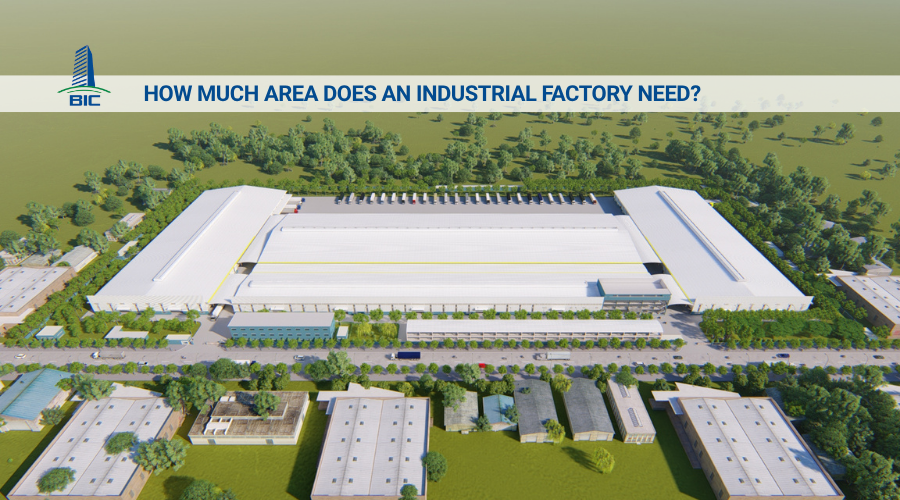
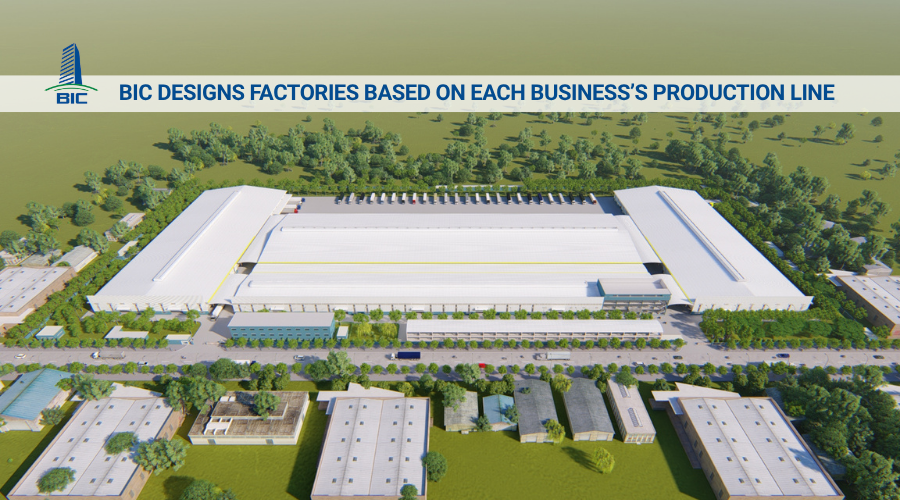
One of the biggest challenges in constructing pre-engineered buildings is how to efficiently optimize space. The space within these buildings needs to be utilized efficiently to ensure that all production processes occur as efficiently as possible.
The best way to achieve this is by designing workspaces so that production processes can occur logically and continuously. This includes arranging machinery and equipment to operate most effectively without hindering other activities.
Design also needs to consider factors such as transportation and storage of finished products. Having an intelligent transportation and storage system not only helps minimize space waste but also enhances productivity by reducing the time and effort needed to move products.
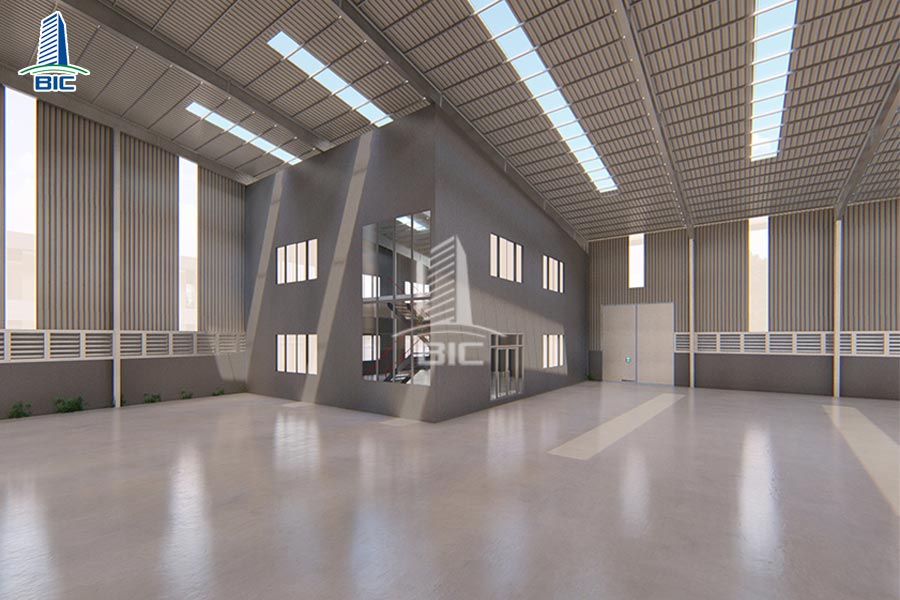
Safety is an undeniable factor in industrial work environments, especially in pre-engineered buildings with complex and risky working environments. The design of pre-engineered buildings needs to carefully consider safety measures to ensure that employees working in these buildings do not face unnecessary hazards.
Safety measures may include arranging work areas for safety, using fire-resistant and heat-resistant materials, as well as providing adequate personal protective equipment for employees. Additionally, an evacuation system needs to be carefully designed to ensure that people can safely exit the building in emergency situations.
One of the main goals of designing pre-engineered buildings is to minimize costs. Smart design can help minimize both initial investment costs and future operating costs.
For initial investment costs, using advanced materials and technology can help reduce construction and equipping costs. Furthermore, designs can be optimized to efficiently use energy, reducing energy-related operating costs.
Meanwhile, future operating costs can be minimized through the use of designs that enhance work efficiency and reduce downtime. This may include using automation systems to optimize production processes and minimize waste.
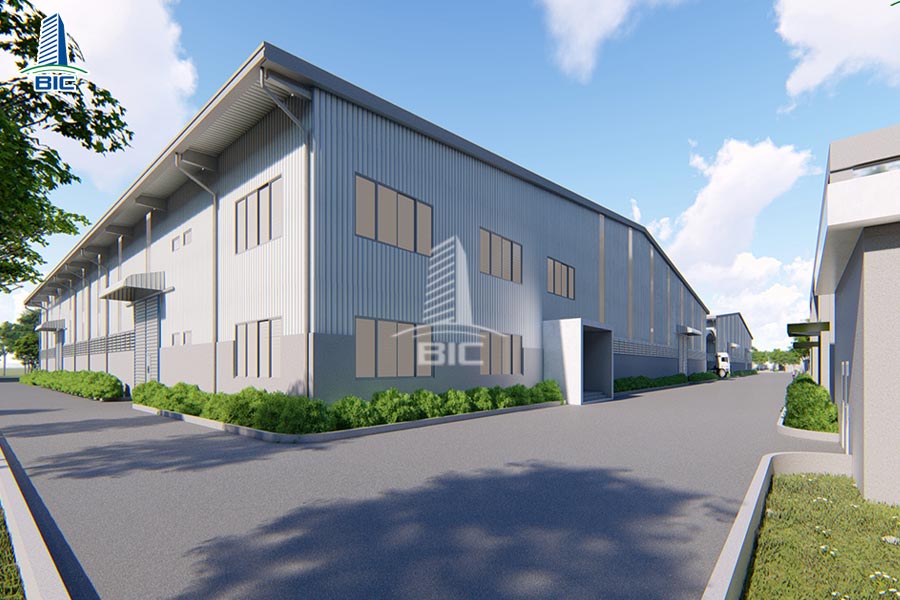
An important aspect of pre-engineered building design is flexibility for expansion and adjustment according to production needs. In a constantly changing business environment, the ability to easily adjust and expand the building is crucial.
Design needs to be carefully considered to ensure that the building can be expanded flexibly when needed without affecting current production processes. This can be achieved through the use of modular structures that can be easily assembled or disassembled.
Additionally, the use of flexible and easily adjustable technology and equipment is also essential. Equipment can be designed to be easily added or removed to meet changing production requirements.
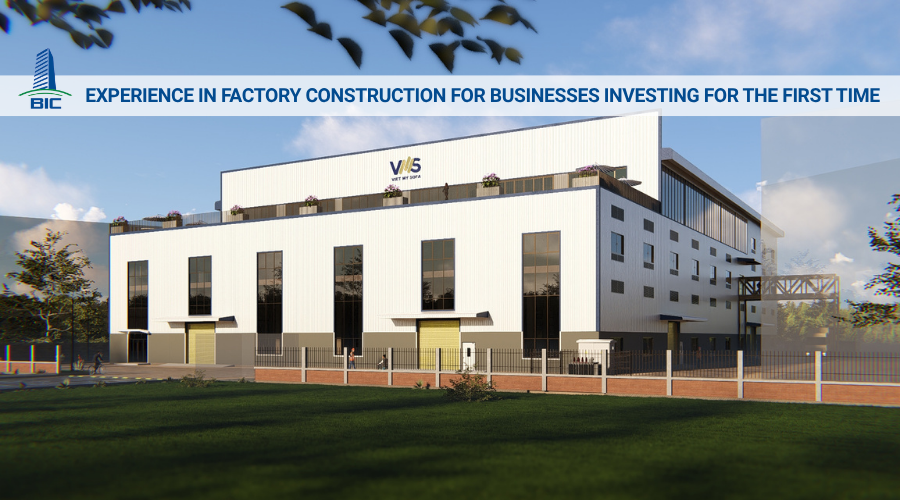
Aesthetics are not only a concern for residential buildings or architectural structures but also important for pre-engineered buildings. A pre-engineered building with aesthetic design not only creates focal points in the work environment but also leaves a positive impression on customers and partners.
Aesthetic design involves not only the appearance of the building but also the proper arrangement of work areas, lighting and ventilation systems, as well as the use of appropriate colors and materials. A pre-engineered building designed harmoniously and professionally can make a strong impression on anyone who comes into contact with it.
Finally, one of the main goals of pre-engineered building design is to optimize production efficiency. Smart design can enhance production processes and minimize downtime, thereby increasing factory productivity.
The design of pre-engineered buildings needs to carefully consider workflow and production processes to ensure that everything is organized logically and efficiently. Using automation systems and high-tech equipment can help optimize production processes and minimize waste.
In this article, we have discussed the importance of proper design in constructing pre-engineered buildings. From optimizing space to ensuring labor safety and enhancing production efficiency, design has a significant impact on all aspects of pre-engineered buildings. Only through proper design can a new factory meet the requirements for performance, safety, and future flexibility.