Small and functional factory designs are becoming increasingly popular, suitable for various purposes of small and medium enterprises. Depending on production, storage, and office needs, each factory model will have different standards and construction costs.
Therefore, BIC helps you come up with a small factory design plan that ensures both aesthetics and functionality while optimizing costs effectively. Let’s explore suitable construction solutions to own a sustainable, cost-effective factory space that fully meets usage needs!
Small factory designs not only meet production and storage needs but also bring many important benefits to investors. Here are the outstanding advantages you should consider when choosing a small factory design:
A scientific factory design, logically dividing areas, allows small factories to make the most of available space, ensuring high functionality. Depending on needs, the factory can be used as a storage warehouse, a small production workshop, or a processing area, helping businesses operate more efficiently in limited spaces.
Maximizing cost savings
Reducing investment costs is always a top concern for factory owners, especially during difficult economic times. Small factory models designed simply and using appropriate materials help optimize construction budgets while still ensuring durability and functionality.
Additionally, choosing the right factory model allows businesses to easily expand or upgrade when there is a need to develop the factory scale without incurring excessive additional costs.
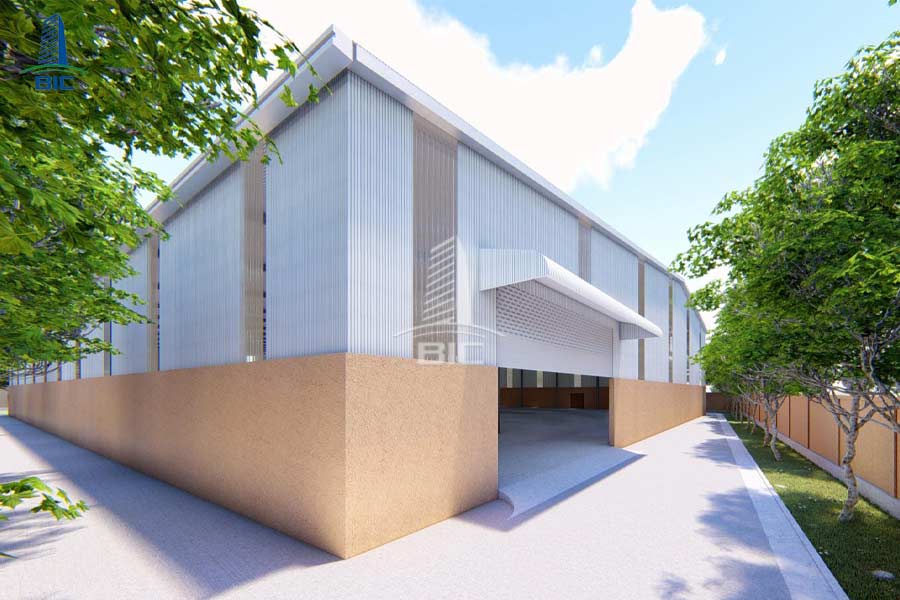
Structure of Small Factories
Each small factory is built to certain standards to ensure safety, convenience, and suitability for its intended use. Below are the important factors in the structure of a beautiful and sustainable factory:
Roof of the Factory
The factory roof should use high-quality waterproof materials to minimize cracking or water accumulation, helping to extend the lifespan of the building. A light-colored ceiling is recommended to reduce heat absorption from the sun, keeping the interior space cool and saving energy for cooling.
Walls and Corners
The surface of the factory walls should be flat for easy cleaning and waterproofing. The corners should be designed with rounded edges to minimize dust accumulation while enhancing the aesthetic appeal of the building. Investors should prioritize choosing paint in light tones to create a clean, professional space and easily monitor the condition of the walls.
Entrance
The entrance in the factory design should ensure ample width, with a smooth, waterproof surface to facilitate the transportation of goods and the movement of workers.
Windows
Windows in the factory should be designed for ventilation, maximizing natural light, saving electricity, and making cleaning and maintenance easier.
Floor
The factory floor should use waterproof, non-slip materials to ensure the safety of workers. Additionally, a good drainage system is necessary to prevent water accumulation, making cleaning and disinfection easier.
Lighting System
The lighting in the workshop needs to ensure adequate illumination, free from obstructions, to create a conducive working environment. The lighting system should be installed appropriately, ensuring safety and avoiding glare or any negative impact on the work process.
Ventilation System
Ventilation is a crucial factor in the design of small workshops, helping to keep the space airy, reduce heat, and improve air quality. Priority should be given to sourcing air from cooler, uncontaminated areas to ensure a clean working environment. The use of protective mesh in the ventilation system is also encouraged to enhance safety and facilitate maintenance and inspection.
Choosing the right design and materials will help small workshops ensure functionality, sustainability, and cost-effectiveness in operation. Investors should carefully consider these factors to optimize the working space and ensure the highest operational efficiency.
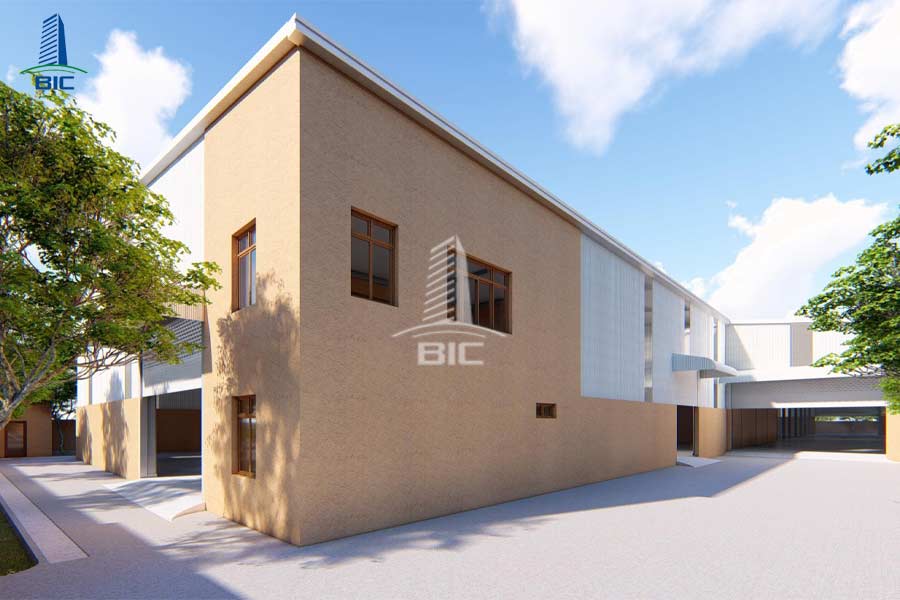
Advantages:
- Quick installation with pre-engineered steel frame structures.
- Cost savings, especially when using recycled steel.
- Diverse functionality, suitable for production workshops, storage warehouses, car garages, machinery installation, etc.
- Optimized space, with flexible designs tailored to the needs of different industries.
For each area and purpose, factory owners can request detailed design plans to optimize the working space.
Advantages:
- Low cost compared to other types of materials.
- Quick construction, saving time.
- High durability, with good resistance to weather conditions.
- Easy to expand or repair when needed.
Factories with metal roofs are suitable for various industries, from production workshops and material warehouses to car garages and mechanical processing workshops.
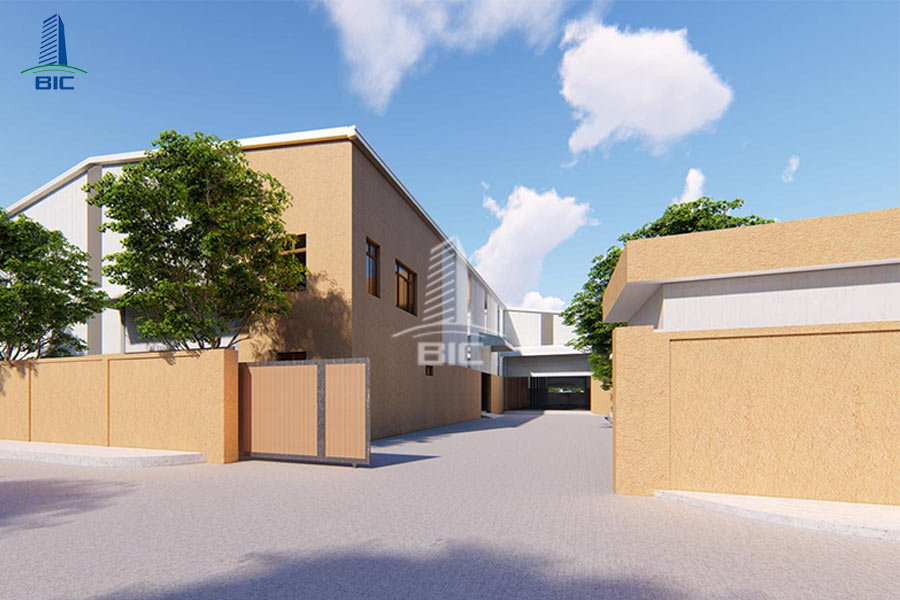
Advantages:
- Sturdy structure with good load-bearing capacity.
- Quick installation, reducing labor costs.
- Material savings, lowering investment costs.
- Well-ventilated, with many windows and skylights for natural light.
Typically, the roofs of prefabricated steel workshops are covered with metal sheets to prevent heat and create a cool environment. Wide entrances facilitate the easy movement of goods, even for large trucks.
Advantages:
- Increases usable area without needing to expand the ground space.
- Flexible functionality, can be used as office space, storage, or a separate production area.
- Cost-effective, no need for additional land investment.
- Durable, with a structure that meets safety standards.
The material used for the mezzanine floor must ensure good load-bearing capacity and stability to meet long-term usage needs. Therefore, mezzanine workshop designs are increasingly favored.
Above is a compilation of beautiful and functional small workshop design models for investors to reference. Depending on needs and budget, you can choose a suitable model to optimize the workspace and save on construction costs. If you need more detailed advice on workshop design and construction, please contact BIC for support!