After a long period of operation, most factories face degradation in terms of architecture, structure, or electromechanical systems that no longer meet the production scale expansion needs of the business. Facing this situation, many investors often fall into a dilemma: demolishing and building new involves too high investment costs and causes long-term supply chain disruption, but deciding to renovate the factory brings concerns about complexity, technical risks, and the safety of the old structure.
In fact, upgrading existing infrastructure is always the wisest and most budget-optimal solution if implemented with the correct method. To help businesses thoroughly solve this problem, the article below by BIC will provide a detailed "compass" with 5 golden principles when renovating factories. These professional experiences not only help the upgrade process take place smoothly and with absolute safety but also ensure cash flow optimization and maintain the production pace for the investor.
When faced with the problem of expanding scale or upgrading facilities, choosing between building new and renovating always gives business leadership a headache. However, in reality, the factory renovation solution is increasingly prioritized by many investors thanks to the following 3 strategic outstanding benefits:
The decision to demolish and build new means the business must bear a series of giant costs: from demolition and debris disposal to re-constructing the entire foundation and erecting new frames and walls. Meanwhile, renovation allows for the maximum utilization of the existing load-bearing structural system. According to the actual implementation of many projects, this upgrade solution helps investors save 50% - 70% of the total initial investment compared to building entirely new or spending a large amount of money to rent or buy another piece of land.
In the manufacturing industry, time is cash flow. A project built from scratch can last from 6 months to over 1 year along with a series of complex legal procedures and permits. Conversely, by taking advantage of the available frame, the renovation construction process is significantly shortened, usually taking only 1 to 3 months. This helps businesses quickly resume production and put new lines into operation to promptly meet large orders.
Moving the entire factory to a new location (often industrial zones further from the center) poses a risk of disrupting the supply chain, increasing logistics costs, and especially the risk of losing a skilled workforce that has been committed for many years. By upgrading facilities on-site, businesses not only maintain their familiar transport partner network but also ensure absolute stability in terms of personnel, without causing disruption to the daily lives and commutes of employees.
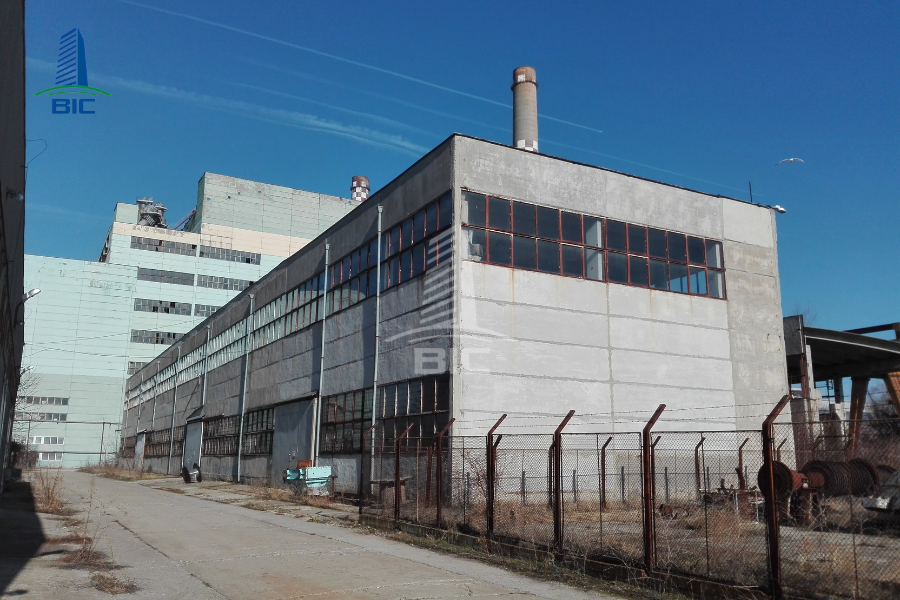
Factories do not suddenly break down but always emit "warning signals." An investor's keen identification of these signs will help prevent heavy property damage and operational disruption. Below are the 3 most common cases showing it is time you must plan a project upgrade:
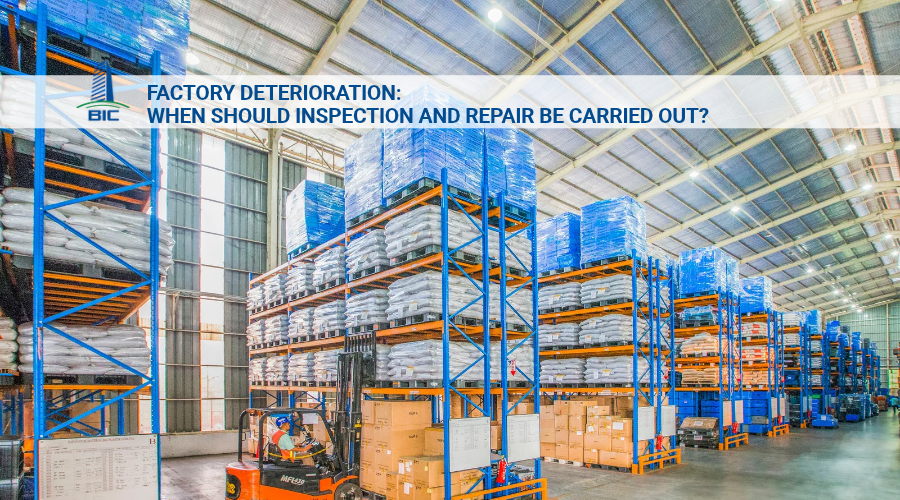
This is the most easily recognizable sign by the naked eye. After years of withstanding weather and continuous operational loads, corrugated iron roofs start to rust, leak, and puncture whenever there is heavy rain, directly threatening expensive machinery systems and stored goods below. Besides, cracked and subsided factory floors not only cause difficulty and jarring for forklift movement but also pose a risk of occupational accidents. Peeling waterproof and fireproof paint layers also significantly reduce the lifespan of the entire project.
When businesses expand production and install more high-capacity equipment, old electric cables and distribution boards often cannot handle the load. This leads to voltage drops, frequent circuit breaker trips, or short circuits, interrupting the production line process. Furthermore, old and inefficient ventilation and cooling systems will make the working environment stuffy, directly affecting the health and productivity of workers.
Sometimes, the factory is still sturdy but no longer fits the business's new strategy. You need to expand assembly lines, convert part of the factory into a cleanroom or cold storage, or are forced to upgrade facilities to achieve international certifications (such as ISO, HACCP, GMP) for export. At this time, a professional factory renovation design is a prerequisite to rearrange the layout optimally, meeting inspection standards without affecting the safety of the foundational structural frame.
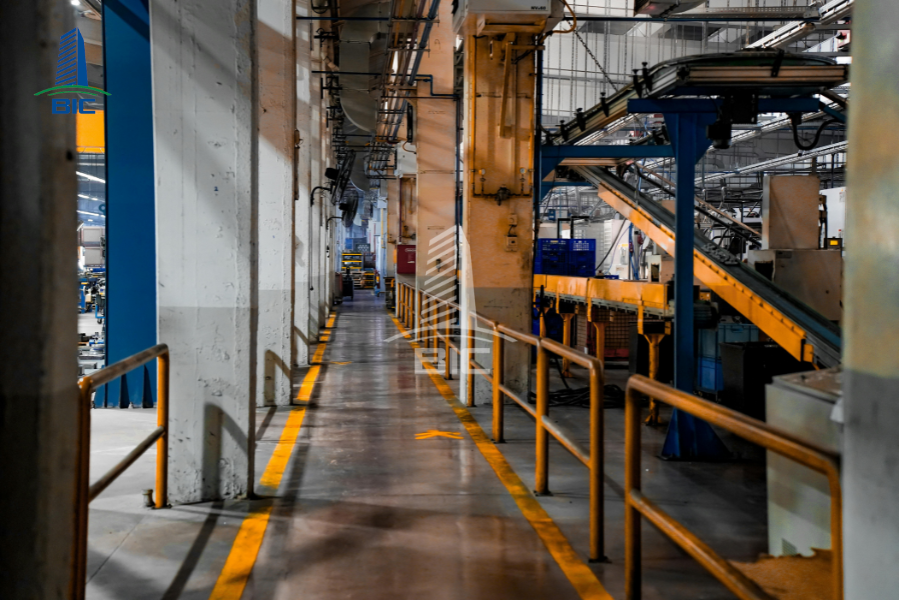
For an upgrade project to be successful, cost-saving, and without leaving behind hidden safety risks, investors and construction units must strictly follow these 5 core principles:
Before starting any demolition or new construction items, the first "unchangeable" principle is to conduct a survey and health inspection of the entire existing structural system. Unlike building new, old factory frames have had to bear loads and environmental impacts for many years, leading to certain material wear and tear.
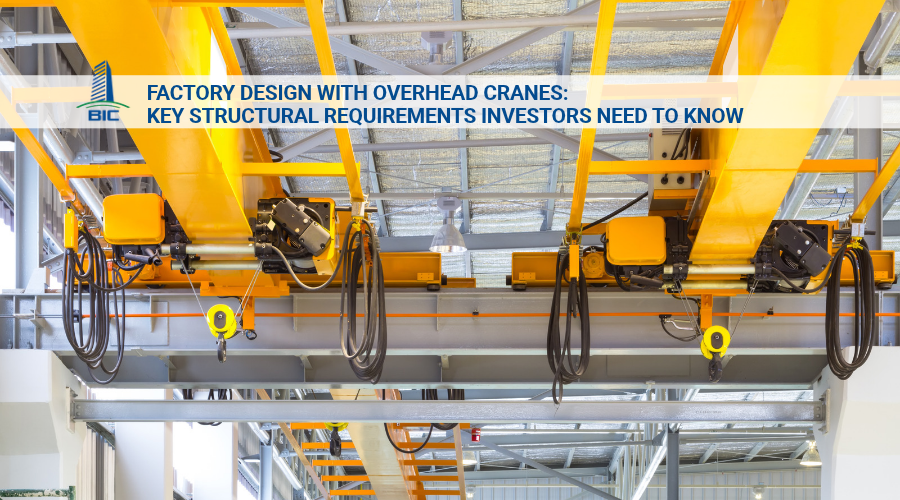
If the investor intends to raise a floor for a mezzanine, expand spans, or install additional heavy-capacity cranes, it is mandatory to hire an independent inspection unit to evaluate the load-bearing capacity of the foundation, column system, and steel beams. This inspection report is the most important scientific basis for engineers to propose foundation reinforcement plans, steel wrapping to increase column sections, or adding bracing systems, ensuring the project does not lose stability or collapse when adding new loads.
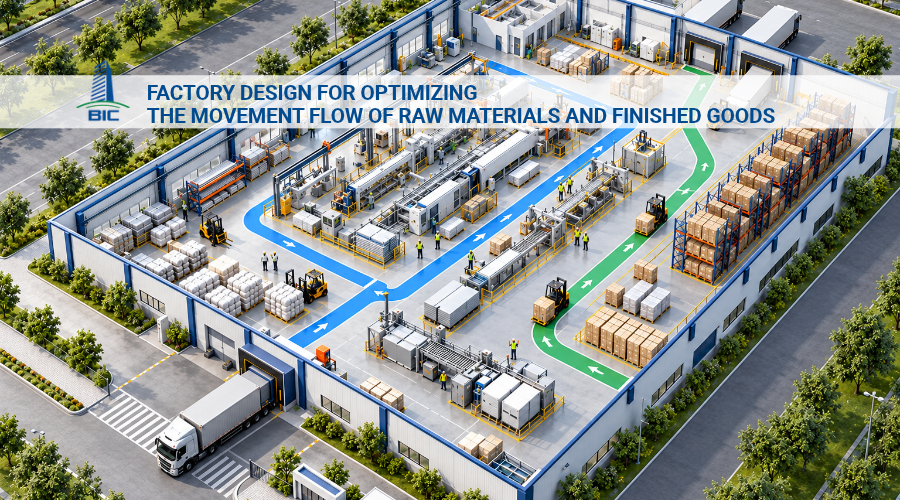
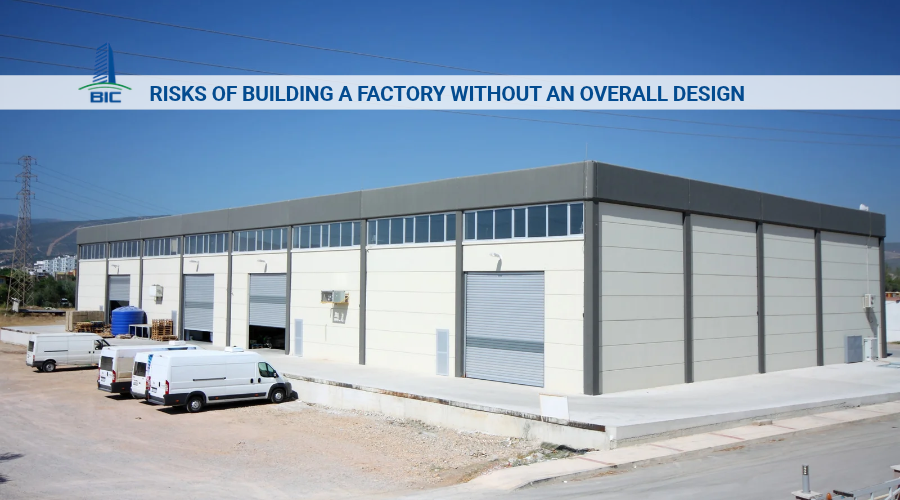
Many businesses make the mistake of only focusing on expanding areas that lack space in a patchy manner, leading to a messy overall architecture, blocked movement flows, and difficulty in management. The second principle is to have a comprehensive renovation factory design drawing that cleverly and synchronously connects the old architectural structure and the new expansion part.
Design engineers need to work closely with the factory management to rearrange the functional diagram (layout). All internal traffic flows (forklift aisles, worker movement flows), raw material circulation processes, and the placement of new production lines must be arranged logically, following the one-way principle to absolutely avoid overlapping.
Unlike building a new factory on vacant land, factory renovation often takes place while the business is still rushing to run orders. Temporarily stopping the entire production system is a taboo because it will cause giant economic damage and reputation loss with partners. Therefore, the third golden principle is to plan construction according to the "step-by-step" method (dividing the construction area into stages). The contractor will zone off to upgrade each subdivision, finishing and handing over this area before moving to another area so that the factory can still operate in parallel.
Throughout the construction process, strict temporary shielding measures with soundproof panel partitions, fireproof tarps, or dust suction systems must be tightly enclosed to ensure that noise, dust, and welding sparks do not fly over and affect goods or the health of workers working right next door.
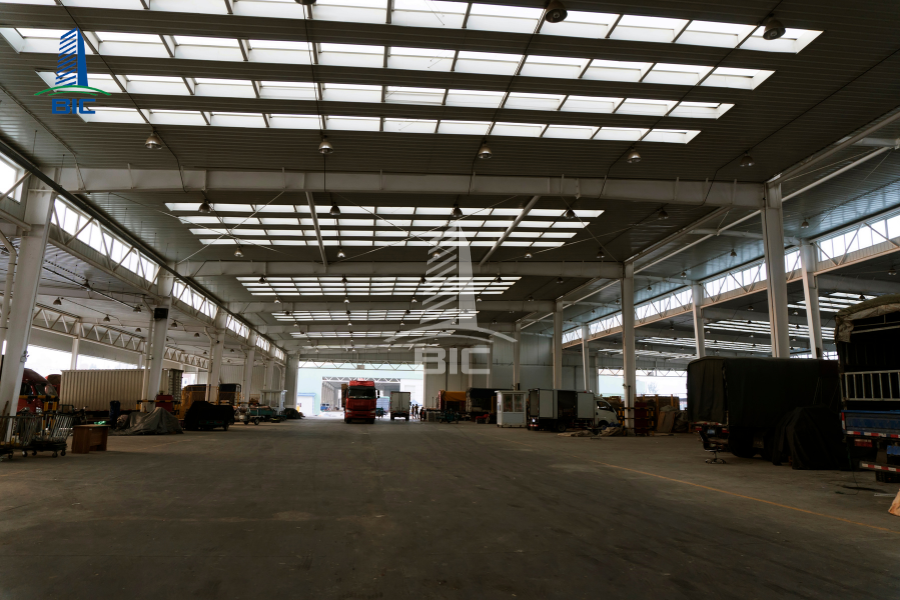
Legal regulations on Fire Prevention and Fighting (FPF) are constantly updated and becoming increasingly strict. It should be noted that the moment you apply for a project renovation permit is also when the FPF police authorities will review the entire fire safety system of the factory according to the strictest current standards. Absolutely do not be subjective or seek ways to cut this item.
Right from the basic design stage, you must fully integrate modern FPF solutions: from re-dividing fire compartments with fire-resistant partitions and equipping automatic fire curtains to calculating the application of fireproof paint to achieve fire resistance ratings for the entire steel structural system. Complying with this principle is not only a pass for the project to go through acceptance but also a "shield" protecting the lives and core assets of the business.
The final principle, also the principle that decides the financial success or failure of the project, lies in "choosing whom to trust." Remember that renovation construction is much more complex and risky than new construction. Building new is working on a blank drawing, while renovating is facing and handling a series of hidden problems inside old walls and underground that sometimes completion dossiers from decades ago did not record.
Therefore, investors should prioritize choosing a package design-and-build general contractor (Design & Build) with extensive experience and deep expertise in the upgrade and repair field. The synchronization from the stage of assessing the current status and creating drawings to implementation at the construction site by the same unit will help them propose excellent risk contingency plans, handle situations flexibly, ensure the committed progress, and especially not incur budget overruns beyond the initial expectations.
To successfully implement the above principles, a reputable contractor will strictly follow the 5-step working process below to ensure information transparency and optimize time for the investor:
This is the indispensable "diagnosis and prescription" step. The engineering team will go directly to the field, using specialized equipment to measure topography, check beam deflection, ultrasound steel reinforcement, and assess foundation subsidence. The results will be synthesized into a detailed report, clearly defining which items can be reused, which items need reinforcement, or which must be demolished to ensure safety.
Based on the survey report and the expansion needs of the business, the architect will sketch an idea drawing (concept layout) for the new functional subdivisions. Note particularly, if the renovation changes the scale of the area, affects the main load-bearing structure, or alters the external architecture of the project, the contractor will support the investor in preparing a dossier to apply for a renovation and repair permit from the functional authorities to ensure the legality of the project.
When the concept plan is approved, construction economic engineers will conduct a take-off of the necessary material volumes (from reinforced steel volume and new roof area to the number of electrical devices). A transparent and detailed estimation quote will be sent to the investor. Finalizing the estimate tightly at this step helps prevent "budget overruns" to the maximum, which is the biggest risk that investors often fear when mentioning renovation.
After finalizing the financial plan, the detailed construction design dossier (architectural, structural, MEP construction drawings) will be issued as a basis for field implementation. The supervision team will be present at the project, coordinating worker teams to perform demolition, reinforcement, and construction according to the agreed "step-by-step" construction method, ensuring labor safety and not stalling the factory's production activities.
Upon completion, the contractor along with the investor's project management board will conduct quality acceptance according to current standards. Completion dossiers and FPF safety certificates will be fully handed over. The factory with a new appearance and modern functionality will officially be put into operation, accompanied by periodic warranty policies from the contractor.
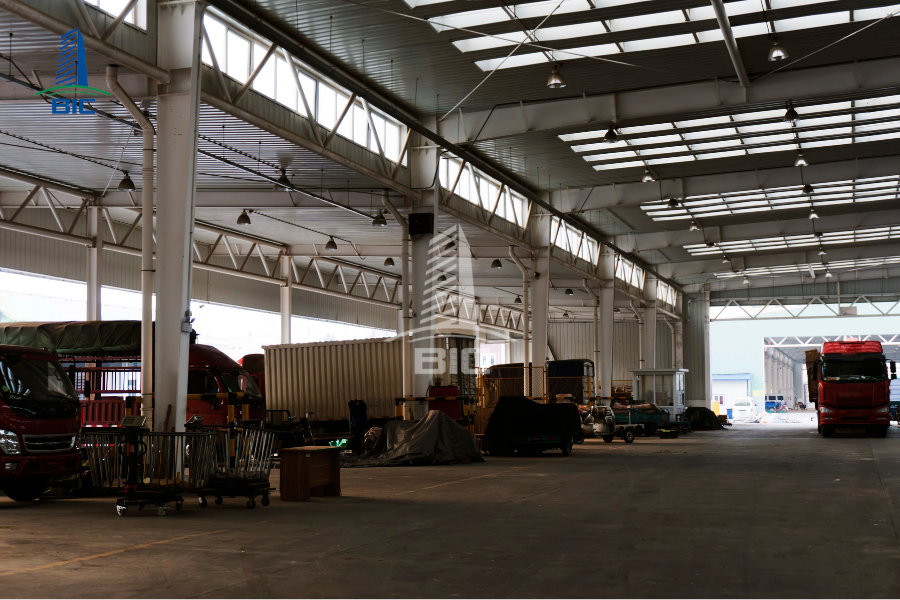
Depending on the level of degradation and the actual needs of each project, construction units often focus on handling some key items to optimize factory functionality:
The factory roof is the area that suffers the most direct and heavy impacts from the weather. Common upgrade items include localized waterproofing, replacing rusted or dented corrugated iron sheets with new-generation color-coated corrugated sheets. Additionally, integrating heat-suction globes, natural ventilation louvers, or spraying thermal insulation PU foam will help cool the interior space significantly.
Old factory floors often show cracking, subsidence, or high adhesion of chemicals and grease. Renovation often includes stripping the old surface layer, leveling, and coating with heavy load-bearing materials such as waterproofing sika or applying Epoxy/Polyurethane floor paint. This paint layer not only helps the floor resist abrasion from forklift wheels but also meets strict hygiene and anti-static standards in cleanrooms.
When the existing land fund cannot be expanded further, developing space vertically is a perfect solution. Engineers will calculate the reinforcement of existing steel column frames to assemble additional deck floors (Mezzanines). This upper space is often transformed into an executive office area or light goods warehouse, helping businesses double their usable area without having to change the external covering structure.
In summary, factory renovation is not just a temporary troubleshooting solution but truly a superior profitable investment strategy, helping businesses save billions of VND compared to demolishing and building new. However, the line between "saving" and "incurred costs" in renovation construction is very thin. Investing wholeheartedly in a meticulous design drawing and thorough inspection of the current status before conducting any demolition activity is the vital key for the project to reach the finish line safely, on schedule, and without exceeding the budget.
A production space that is upgraded methodically, with intelligently arranged functions and absolute compliance with FPF safety, will bring a professional appearance, creating a solid launchpad for businesses to break through in productivity in the future.
If your infrastructure system is showing signs of degradation or overload, do not let hidden risks stall your supply chain. Contact BIC's team of expert engineers immediately for a completely free status survey and receive the most optimal factory renovation plan specifically for your project.