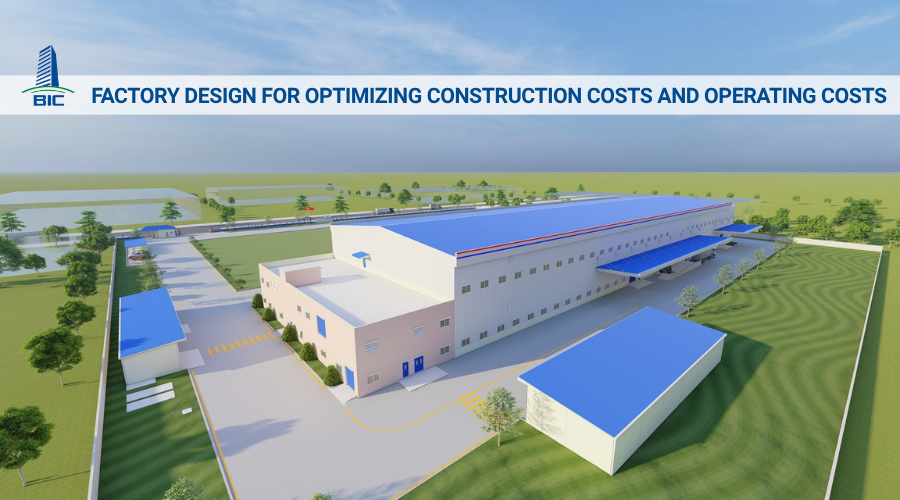
The industrial economy is growing strongly, and owning a modern, smoothly operating factory system is the "ace up the sleeve" that helps businesses enhance their competitiveness in the global supply chain. However, for many investors, the problem of balancing functional use and investment budget is always a major challenge. Reality shows that the initial factory design cost only accounts for a small part of the total investment capital, but plays a decisive role in more than 80% of total operating and maintenance costs later on.
Many businesses have faced unintended risks, and even wasted billions of VND during the construction design process just because of small mistakes in the preliminary planning stage. So how to build an optimal plan that both saves the budget and ensures strict technical standards?
In this article, BIC will provide you with in-depth insights and practical solutions to optimize factory design costs. From selecting smart materials to a smooth design-and-build coordination process, we will help you turn drawings on paper into a sustainable profitable asset.
Optimizing factory design costs is not simply about cutting fees for architects or engineers. In fact, a drawing invested with thorough intellectual effort is the "compass" that helps investors control the entire investment capital flow.
Design drawings are the basis for taking off the volume of materials and labor. A small error in calculating the steel structure or choosing the wrong foundation solution can cause the actual construction budget to increase by billions of VND. Optimizing design is about finding the intersection between sustainable safety and the most reasonable investment level.
Factory design directly affects monthly electricity, water bills, and maintenance fees. For example, a good natural ventilation and lighting system will reduce production electricity costs by 20-30%. Conversely, a design that does not carefully calculate the movement flow of forklifts and workers will reduce labor productivity and increase the risk of infrastructure damage.
A smart design allows investors to easily renovate or expand production scale in the future without having to demolish old structures, thereby saving reinvestment costs.
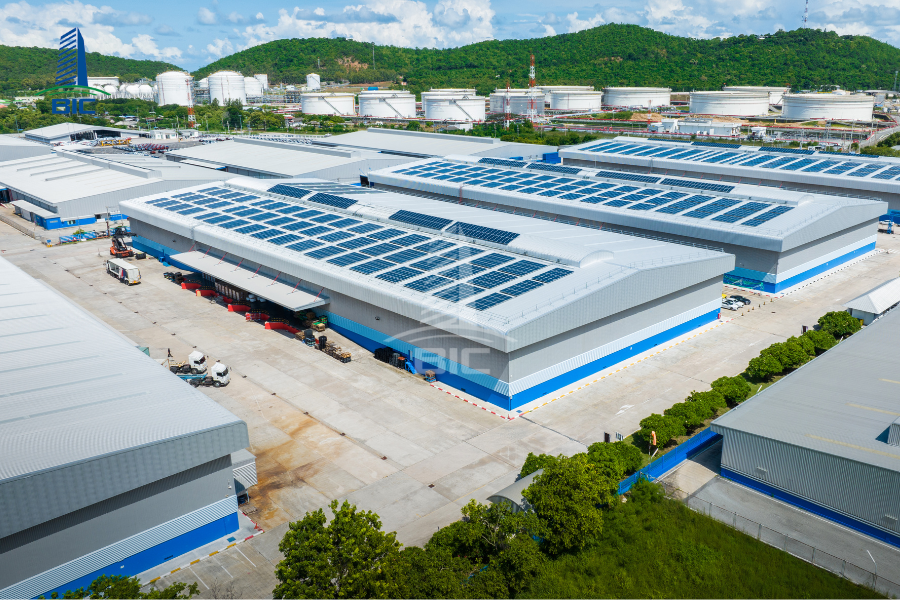
To have an accurate estimate, investors need to clearly understand the variables that most strongly impact the construction design budget. Here are the 4 key factors:
This is the prerequisite factor. A factory producing electronic components or food requires strict standards for controlling humidity, temperature, and cleanliness (cleanroom), leading to much higher design costs for MEP (Mechanical, Electrical, Plumbing) systems compared to a common warehouse or mechanical processing workshop.
The construction site not only affects material transportation costs but also determines the foundation structural solution. If the factory is placed on weak ground (Western region or near a river), architects must calculate complex bored pile or pressed pile solutions, significantly increasing the volume of design work and actual construction costs.
Choosing Pre-Engineered Buildings (PEB) or traditional reinforced concrete will completely change the design approach. Currently, most factory design cost optimization projects prioritize pre-engineered steel buildings due to their large span capability, material savings, and fast erection time.
New regulations on Fire Prevention and Fighting (FPF) are becoming increasingly strict. Designing firewater supply systems, fire compartments, or fireproof paint for steel structures requires close coordination between the design unit and functional agencies, directly affecting the design unit price and total investment.
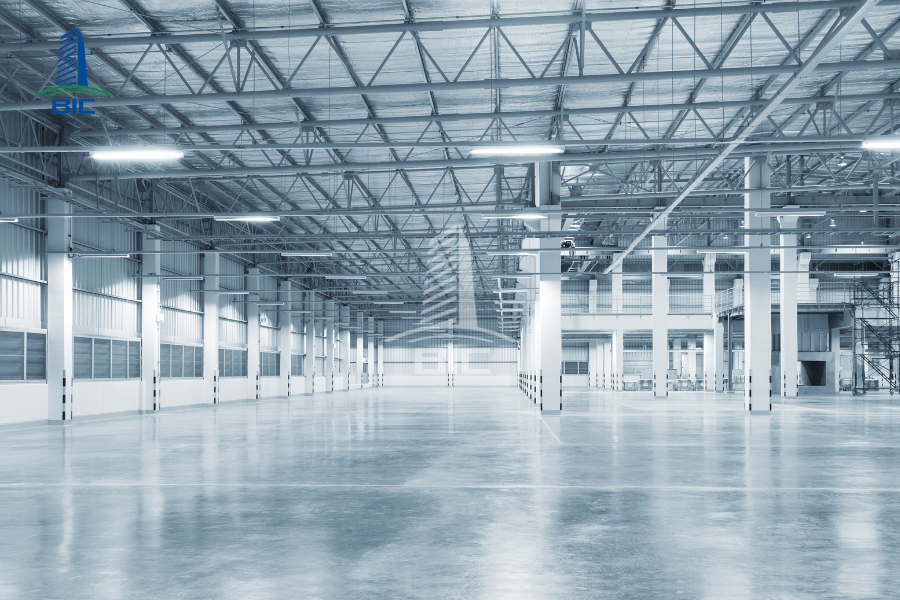
Here are 5 practical strategies to help investors maximize waste reduction and turn drawings into an effective cash flow control tool:
Instead of building with heavy and time-consuming reinforced concrete, Pre-Engineered Buildings are the number one solution to optimize factory design costs. Because components are accurately calculated and prefabricated at the factory before being brought to the site for assembly, this solution significantly reduces the foundation load. Furthermore, shortening the construction progress by 30% - 50% also means saving a large amount of labor costs and project management fees.
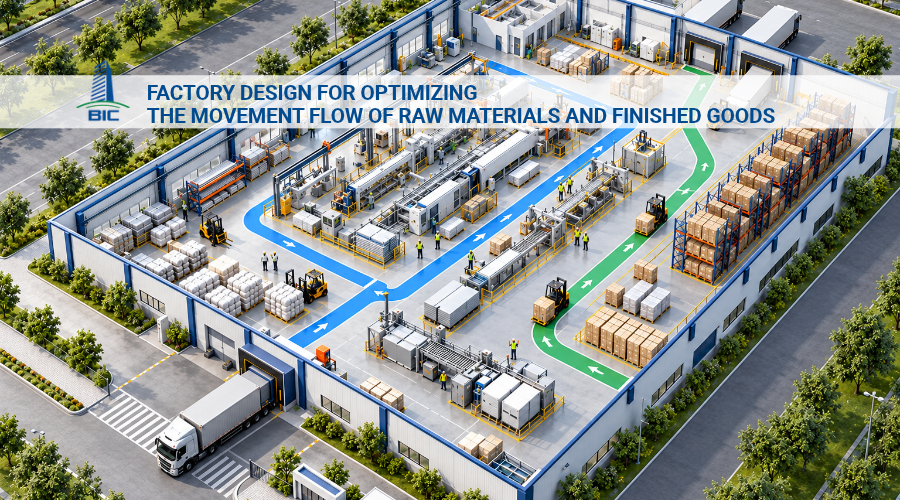
An excellent factory design is a drawing without "dead space." Design engineers need to coordinate closely with the investor to understand the production line, thereby sketching the smartest floor plan (layout). Reasonably arranging raw material gathering areas, machinery lines, finished product warehouses, and forklift aisles will shorten internal goods circulation time, enhance productivity, and avoid wasting construction area.
Many investors mistakenly think that splitting bidding packages (hiring one side for design, one side for construction) will be cheaper. However, the truth is that the package Design & Build general contractor model is the key to preventing budget overruns. When the same unit is responsible from sketching to field implementation, absolute "consistency" is guaranteed. There is no situation of passing responsibility when an incident occurs, and every error on the drawing is self-adjusted by the team before actual construction.
Mechanical and Electrical (MEP) systems often consume a significant amount of money. By applying green architectural solutions, investors can cut these costs. Arranging translucent sheets alternately on the roof, using natural ventilation louvers, or applying specialized heat-resistant paint will help maximize the use of light and air. This not only reduces the initial cost of purchasing cooling and lighting equipment but also saves hundreds of millions of VND in electricity bills every year.
In the digital era, applying BIM technology to construction design is a profitable investment. BIM creates an intuitive 3D model, integrating all disciplines: architecture, steel structure, and MEP/FPF systems. The "clash detection" feature of BIM helps engineers immediately detect errors on the computer (for example: a ventilation pipe piercing through a steel beam). Thanks to that, the risk of having to demolish and rebuild at the site is completely eliminated.
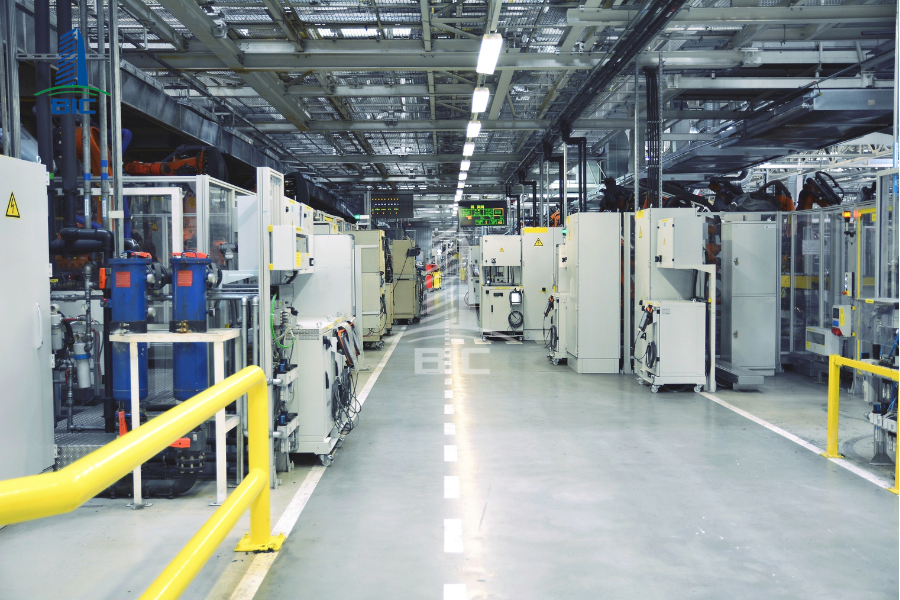
To realize the above secrets, a methodical working process is mandatory. A professional construction design process not only shortens time but also helps investors stick to the budget in each stage:
Every drawing starts from the actual current status. The design unit will send a team of engineers to the field to survey the terrain, geology, and evaluate electricity, water sources, and connecting traffic infrastructure. Based on the production needs and expected budget of the investor, the contractor will advise on the scale, material selection, and most suitable technology solutions to avoid "going in the wrong direction" right from the starting line.
This is considered an important "checkpoint" step. The architect will sketch the space distribution diagram for all areas: main workshop, warehouses, office block, canteen, and internal traffic network. Finalizing the layout carefully at this step helps completely eliminate major functional changes later—which are the leading cause of budget overruns and project delays.
Based on the approved layout, the team will implement the basic design (including architecture, steel structure, and preliminary MEP) to conduct quantity take-offs and prepare a detailed estimation table. At this step, transparency is a vital factor. The quote needs to clearly list each material item, unit price, labor cost, and machinery so the investor can easily balance cash flow.
After fully agreeing on the estimate, engineers will start drawing each component, each bolt joint, and each path of electricity and water pipes in detail. The more meticulous and accurate a construction design drawing is, the more the error rate during site erection approaches zero.
Core note: Transparency in estimation right from Step 3 helps investors control cash flow better. To be safe, ask the contractor to commit that the incurrence rate (if any) must be below 5% based on the finalized drawing.
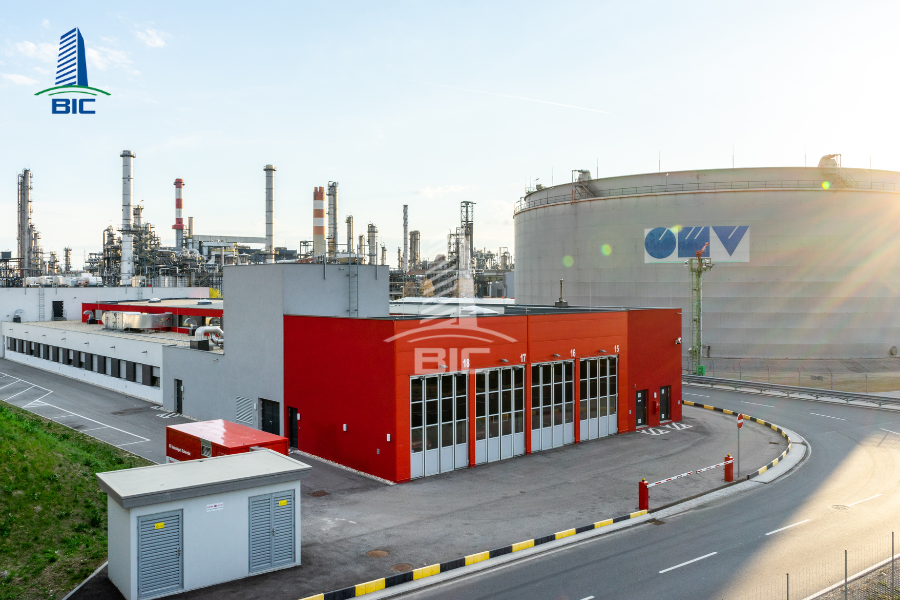
During project implementation, many investors, wanting to save in the short term, have encountered serious mistakes, leading to "fake profits, real losses." Here are 3 classic mistakes to avoid:
In reality, there are many units on the market that accept design at extremely low prices, even "gifting" drawings if awarded the construction. However, a poor-quality drawing that fails to optimize the structure (causing excess steel load) will cause material costs to skyrocket. The lack of experience of non-specialized contractors also leads to technical errors, forcing demolition and rebuilding, making the initial factory design cost seem cheap but turning out expensive.
This is a "nightmare" for every construction design project. The investor's continuous change of mind regarding functionality, expanding area, or changing material types while the foundation is being poured or the steel frame is being erected will completely break the initial estimation table. Every change at this point entails huge incurred costs for new materials, waiting labor, and amendment permit procedures.
The Fire Prevention and Fighting system is currently an item with extremely strict legal regulations. Many investors only focus on architecture while neglecting the FPF appraisal stage during the basic design phase. The consequence is that when construction is finished, the factory does not meet acceptance standards, forcing the cutting of structures, adding underground tanks, or fireproof painting at expensive prices. This correction cost is often many times higher than accurate integration right from the construction design drawings.
Optimizing factory design costs does not lie in trying to cut initial expert hiring costs, but is a strategy of investing intellectual effort to prevent a series of risks arising in the future. From choosing the pre-engineered steel building model, optimizing the functional diagram, to applying BIM technology and choosing a package design-and-build contractor, all point toward a common goal: maximizing the value of every cent of the business's capital.
From a strategic investor's perspective, always remember that: "Investing in a smart design from the beginning is the most effective way to save construction and operating costs." Don't let small mistakes on drawings turn into "fake profits, real losses" on the construction site.
If you are planning to build or expand production scale and need the most budget-optimal construction design plan, do not hesitate to contact BIC's team of experts for in-depth advice.