In industrial factory projects within the chemical sector, wastewater treatment is always far more complex than in conventional manufacturing industries. Wastewater may be generated from production processes, equipment washing, operational area cleaning, or contaminated stormwater. Its composition is often highly variable and may pose risks of corrosion, pollution, or increased operational costs if not properly controlled from the outset. Therefore, for investors, wastewater treatment systems cannot be considered a secondary item implemented at the final stage, but must be integrated early into the overall construction design and detailed engineering design of the project.
From a legal perspective, the design and operation of wastewater systems in chemical factories must comply with the framework of the 2020 Law on Environmental Protection, Decree 08/2022/ND-CP, and Decree 05/2025/ND-CP amending and supplementing several provisions of Decree 08. In addition, the quality of treated industrial wastewater is commonly benchmarked against QCVN 40:2011/BTNMT, the national technical regulation on industrial wastewater issued together with Circular 47/2011/TT-BTNMT.
For a well-structured and sustainable investment, investors need to view wastewater treatment systems in their true nature: not merely as facilities to “meet discharge standards,” but as a critical component of operational strategy, legal compliance, and long-term cost control. In this article, BIC clarifies the proper approach to handling wastewater systems in chemical factories, from initial assessment and technology selection to layout planning and real-world operational optimization.
Unlike many conventional industries, wastewater from chemical factories often has highly complex compositions and fluctuates significantly across different production stages. Depending on the type of production, wastewater streams may contain acids, bases, salts, solvents, metals, or hard-to-degrade organic compounds. This variability means that wastewater treatment cannot follow a standard formula but must begin with a proper assessment of generation sources and actual characteristics of each stream. Vietnam’s current legal framework also adopts an approach based on environmental characteristics of waste sources, as reflected in the 2020 Law on Environmental Protection and Decree 08/2022/ND-CP, which has been amended and supplemented by Decree 05/2025/ND-CP and Decree 48/2026/ND-CP.
Chemical wastewater is not only difficult to treat but also poses higher environmental and operational safety risks than most other industries. If collection and treatment are not properly implemented, wastewater can corrode pipelines, tanks, and equipment, while also reducing or even eliminating the effectiveness of biological treatment processes. Poor collection systems also increase the risk of pollution spreading to factory floors, stormwater drainage systems, or receiving environments. This is why, for chemical industrial factories, wastewater must always be treated as a core component of construction and engineering design rather than a secondary item handled later.
For chemical factories, legal requirements related to wastewater are more stringent because they are directly linked to environmental permits, compliance with discharge standards, and responsibilities for managing waste generated during treatment. The 2020 Law on Environmental Protection and Decree 08/2022/ND-CP form the legal foundation for these requirements, while treated industrial wastewater quality is typically benchmarked against QCVN 40:2011/BTNMT issued under Circular 47/2011/TT-BTNMT. If sludge or hazardous chemical components are generated, investors must also consider hazardous waste management obligations under the same legal framework. In cases of non-compliance, businesses may face penalties under Decree 45/2022/ND-CP.
The most difficult aspect of wastewater systems in chemical factories is that the cost of correcting mistakes is extremely high. If the wrong technology is selected, investors may need to retrofit tanks, replace corrosion-resistant materials, redesign collection pipelines, add physicochemical treatment stages, or even suspend part of operations to upgrade the system. Not only do capital costs increase, but operational costs, compliance costs, and risks of penalties also rise. Therefore, for wastewater treatment systems, doing it right from the design stage is always far more cost-effective than making corrections after the plant is already in operation. This reflects the consistent management logic of the Law on Environmental Protection and its guiding decrees.
In chemical industrial factories, the correct approach must begin with understanding the production technology before selecting wastewater treatment technology. The reason is that even with the same flow rate, pollutant composition can vary significantly depending on processes, raw materials, and operational methods. This approach aligns with the principles of the 2020 Law on Environmental Protection and Decree 08/2022/ND-CP, as amended by Decree 05/2025/ND-CP, where environmental management is tied to the actual characteristics of the waste source rather than only the final output.
For investors, this means that technology should not be selected simply because it is “commonly used” or has been applied in other industries. A suitable system must be based on real plant data: sources of wastewater, whether it is acidic or alkaline, presence of solvents or oils, organic load levels, and whether fluctuations occur by batch or shift. Only by clearly understanding the production problem can a wastewater treatment system be designed to both meet standards and operate stably in the long term.
A very important principle is to separate wastewater streams from the early design stage. In practice, wastewater in chemical factories should not be combined into a single treatment line because each stream may have very different characteristics, and mixing them increases system complexity. Streams that should typically be separated include acid/alkaline streams, organic streams, oil- or solvent-contaminated streams (if any), and domestic wastewater. This technical approach helps reduce the load on the main treatment system and minimizes operational risks, while also aligning with environmental management principles under current regulations.
For investors, proper separation from the beginning is often much more cost-effective than building a single combined system and later having to expand equalization tanks, increase chemical dosing, or retrofit the system when actual operation becomes unstable.
Before finalizing technology, investors must clearly define the target for treated wastewater. In general, there are three main scenarios: discharge to receiving sources, connection to centralized treatment systems, or internal reuse. Each scenario requires different technologies, investment levels, and operational strategies. In legal practice, discharge activities and environmental permits must comply with the Law on Environmental Protection and related decrees, while treated wastewater quality is typically compared against QCVN 40:2011/BTNMT.
If the final objective is not clearly defined from the beginning, the system can easily be misdesigned—either underinvested and non-compliant or overinvested and unnecessarily costly. Therefore, determining “how far to treat” must be resolved before selecting tanks, equipment, and technologies.
A common mistake is estimating treatment capacity based on assumptions or nominal plant figures. In reality, wastewater systems must be designed based on actual flow rates, peak flows, operational fluctuations by shift or batch, and sudden discharge events such as equipment cleaning. Proper calculation ensures sufficient capacity while avoiding oversized systems that waste capital and increase operating costs.
For chemical wastewater, this is especially important because pollutant loads tend to fluctuate more than in conventional industries. From an investment perspective, the correct capacity is one that matches real operations with reasonable allowance for expansion—not simply the largest possible capacity.
Finally, an effective wastewater system must be fully integrated with construction design. This means that tanks, treatment buildings, pipelines, corrosion-resistant materials, chemical storage areas, sludge handling zones, and operational access must all be designed together with the treatment technology. If technology is selected independently from actual site layout, investors may face issues during construction such as insufficient space, pipeline conflicts, maintenance difficulties, or structural modifications.
The most effective approach is to treat the wastewater system as an integral part of the overall factory project rather than an additional component added later. When treatment technology and construction solutions are developed in parallel from the beginning, the project becomes easier to implement, minimizes changes, and supports long-term operation more effectively.
In industrial factory projects within the chemical sector, wastewater treatment is always far more complex than in typical manufacturing industries. Wastewater may be generated from production processes, equipment cleaning, operational area sanitation, or contaminated rainwater, with compositions that often fluctuate and pose risks of corrosion, pollution, or increased operational costs if not properly controlled from the outset. Therefore, for investors, wastewater treatment systems cannot be treated as a secondary item implemented at the final stage, but must be integrated early into the overall construction design and detailed engineering design of the project.
From a legal perspective, the design and operation of wastewater systems in chemical factories must comply with the framework of the Law on Environmental Protection 2020, Decree 08/2022/ND-CP, along with Decree 05/2025/ND-CP amending and supplementing certain provisions of Decree 08. In addition, the quality of treated industrial wastewater is typically benchmarked against QCVN 40:2011/BTNMT, the national technical regulation on industrial wastewater issued together with Circular 47/2011/TT-BTNMT.
Therefore, to ensure a structured and sustainable investment, investors need to view wastewater treatment systems in their true nature: not merely as facilities to “meet discharge standards,” but as an essential part of operational strategy, legal compliance, and long-term cost control. In this article, BIC will clarify the correct approach to handling wastewater systems in chemical factories, from initial assessment and technology selection to layout planning and operational optimization.
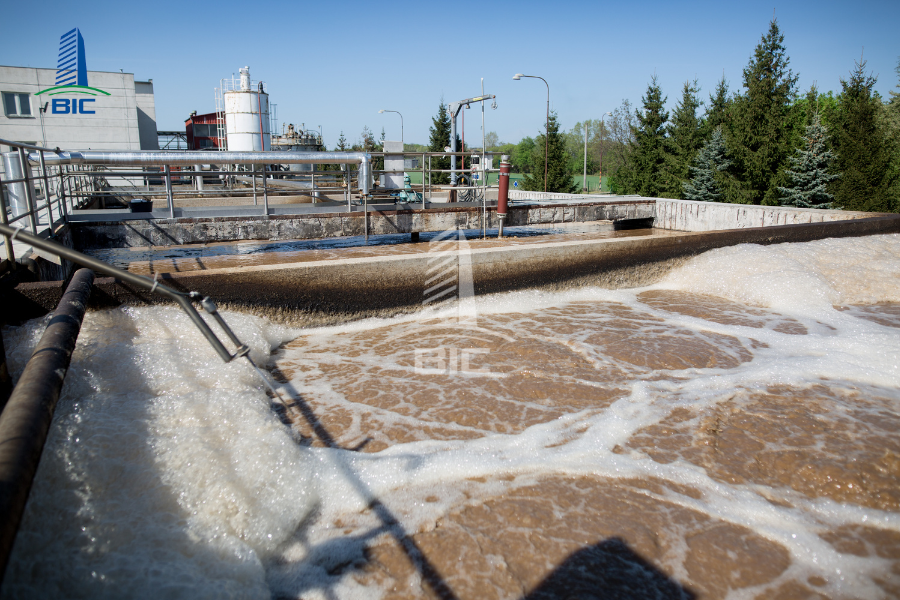
Unlike many conventional industries, wastewater from chemical factories often has highly complex and fluctuating compositions depending on each process stage. Depending on the production type, wastewater streams may contain acids, bases, salts, solvents, metals, or refractory organic substances. This variability means that wastewater treatment cannot follow a standard formula, but must begin with accurate assessment of generation sources and real characteristics of each stream. Vietnam’s current legal framework also adopts a management approach based on the environmental characteristics of waste sources, as reflected in the Law on Environmental Protection 2020 and Decree 08/2022/ND-CP, as amended by Decree 05/2025/ND-CP and Decree 48/2026/ND-CP.
Chemical wastewater is not only difficult to treat but also poses higher environmental and operational safety risks compared to other industries. Improper collection and treatment may lead to corrosion of pipelines, tanks, and equipment, and may disrupt or inhibit biological treatment processes. Poor collection systems also increase the risk of pollution spreading to factory floors, stormwater drainage systems, or receiving environments. This is why, in chemical industrial factories, wastewater must always be treated as a core component of construction and engineering design, not as an auxiliary system added later.
For chemical factories, wastewater-related legal requirements are more stringent due to their direct connection to environmental permits, discharge standards, and responsibilities for managing waste generated during treatment. The Law on Environmental Protection 2020 and Decree 08/2022/ND-CP form the legal foundation, while treated wastewater quality is typically assessed against QCVN 40:2011/BTNMT. If sludge or hazardous components are generated, investors must also comply with hazardous waste management regulations under the same legal framework. Violations may result in penalties under Decree 45/2022/ND-CP.
The most challenging aspect of wastewater systems in chemical factories is that the cost of correcting mistakes is often extremely high. If the wrong technology is selected, investors may need to retrofit tanks, replace corrosion-resistant materials, redesign collection systems, add physico-chemical processes, or even suspend operations for upgrades. Not only do capital costs increase, but operational costs, compliance costs, and penalty risks also rise. Therefore, in wastewater treatment, getting it right at the design stage is far more cost-effective than fixing issues after the plant is operational. This principle aligns with the overarching management logic of environmental laws and implementing regulations.
In chemical industrial factories, the correct approach begins with understanding the production process before selecting wastewater treatment technology. Even with the same flow rate, pollutant composition can vary significantly depending on processes, materials, and operations. This aligns with the management principles of the Law on Environmental Protection 2020 and Decree 08/2022/ND-CP (as amended by Decree 05/2025/ND-CP), which emphasize managing environmental issues based on actual waste characteristics rather than just end-of-pipe outcomes.
For investors, this means avoiding technology selection based solely on popularity or previous applications in other industries. A suitable system must be based on real plant data: sources of wastewater, acidity or alkalinity, presence of solvents or oils, organic load levels, and variability across batches or shifts.
A critical principle is to separate wastewater streams at the design stage. In practice, chemical factory wastewater should not be combined into a single treatment line from the outset, as different streams may have vastly different characteristics. Mixing them increases system complexity. Typical streams to consider separating include acid/alkaline streams, organic streams, oil- or solvent-contaminated streams, and domestic wastewater. This approach reduces the load on the main treatment system and minimizes operational risks, consistent with environmental management principles.
Before finalizing technology, investors must clearly define discharge objectives: discharge to receiving water bodies, connection to centralized treatment systems, or internal reuse. Each scenario entails different technological requirements, investment levels, and operational approaches. Legally, discharge and environmental permits must comply with the Law on Environmental Protection 2020 and related decrees, while treated wastewater quality is assessed against QCVN 40:2011/BTNMT.
A common mistake is estimating treatment capacity based on assumptions rather than actual conditions. Systems must be designed based on real flow rates, peak flows, production variability, and cleaning operations. Proper calculation ensures sufficient capacity without overinvestment. This is especially important in chemical wastewater, where pollutant loads fluctuate significantly.
An effective wastewater system must integrate civil design with treatment technology. Tanks, pipelines, chemical storage, sludge handling, and operational access must all be planned alongside the treatment process. Separating these aspects often leads to design conflicts, construction difficulties, or costly modifications later.
In chemical factory wastewater systems, the first principle is to prevent clean stormwater from mixing with production wastewater. From a technical perspective, separating these streams reduces the volume requiring treatment, avoids dilution or fluctuations in pollutant loads, and helps the system operate more stably. From a legal perspective, wastewater collection and treatment must comply with environmental protection requirements under the Law on Environmental Protection 2020 and Decree 08/2022/ND-CP, along with subsequent amendments.
In chemical factories, all wastewater should not be combined into a single line from the beginning. Acidic/alkaline streams, organic streams, oil- or solvent-contaminated streams, and domestic wastewater should be separated because each requires different treatment mechanisms. Technical guidance from the EPA on industrial wastewater treatment shows that a typical system begins with collection, flow equalization, and neutralization before moving to appropriate treatment stages. This demonstrates that early stream segregation is an effective approach to reduce system load and avoid technological conflicts.
Because chemical wastewater may contain corrosive substances or extreme pH levels, the collection system must use materials and structural designs suitable for actual operating conditions. In principle, channels, sumps, and pipelines must be sealed, easy to maintain, and capable of resisting corrosion to prevent leakage, reduce structural degradation, and avoid environmental contamination. EPA technical documents on corrosion and industrial waste management emphasize the importance of understanding wastewater characteristics before selecting infrastructure solutions.
Chemical factories should include dedicated areas or reserve capacity to collect emergency wastewater, equipment wash water, or chemical spills instead of allowing them to flow directly into the main system. This is a critical measure to protect downstream treatment processes, prevent shock loads, and improve control over abnormal situations. EPA guidelines on secondary containment and spill prevention identify this as an essential layer of protection against pollutant release.
Wastewater collection systems must also address odors, solvent vapors, and toxic gases generated from open channels, pits, and collection systems. EPA data indicates that VOC emissions depend heavily on pollutant composition, flow rates, and system design. Additionally, acid-base reactions may produce hazardous gases. Therefore, for volatile or reactive wastewater streams, solutions such as enclosure, localized ventilation, vapor recovery, or gas control must be integrated into the design stage.
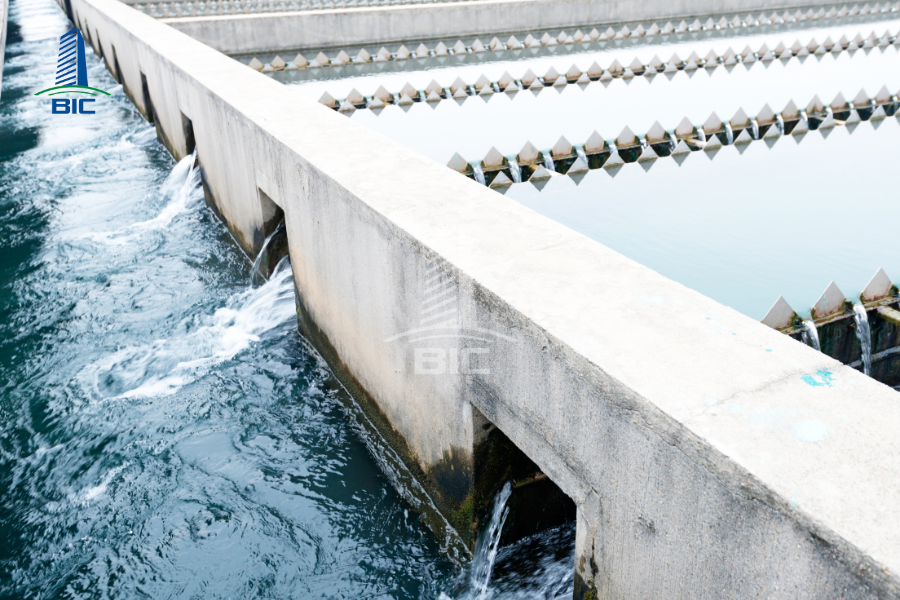
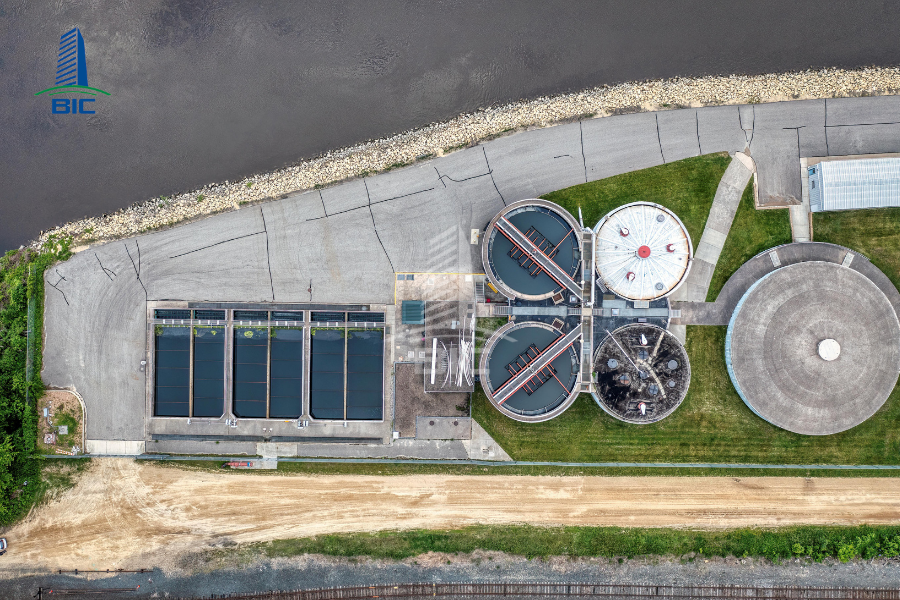
At the initial stage, screening, collection pits, and equalization tanks are used to remove coarse solids, collect wastewater, and stabilize flow and pollutant concentrations before main treatment. EPA technical documents highlight equalization as a key process to balance flow and pollutant loads, especially important for chemical wastewater with highly variable characteristics.
For acidic or alkaline wastewater, pH neutralization is a fundamental step before further treatment. EPA documents show neutralization as a common stage in industrial wastewater systems, particularly for streams that may disrupt downstream processes. In chemical factories, this step also reduces corrosion risks and stabilizes conditions for subsequent treatment.
For wastewater containing fine particles, color, metals, or colloidal substances, coagulation and flocculation are used to form larger flocs for easier separation. EPA materials confirm these processes are widely used to remove suspended and colloidal pollutants. This stage is especially common in chemical wastewater treatment.
If wastewater contains oil, grease, solvents, or heavy particles, additional units such as oil-water separators or sedimentation tanks are required. EPA identifies oil-water separation as a typical early-stage process in industrial wastewater treatment systems.
Not all chemical wastewater is suitable for biological treatment. However, for streams with biodegradable organic content after pre-treatment, biological processes can effectively reduce BOD and COD. EPA notes that biological treatment is applicable when wastewater characteristics are compatible.
If conventional processes cannot achieve required standards, advanced treatment such as filtration, activated carbon adsorption, membranes, or advanced oxidation may be necessary. These technologies provide higher efficiency but come with increased costs.
At the final stage, disinfection may be required before discharge or reuse. EPA indicates that chlorine is commonly used where needed. The goal is not only clear water but compliance with regulatory standards such as QCVN 40:2011/BTNMT.
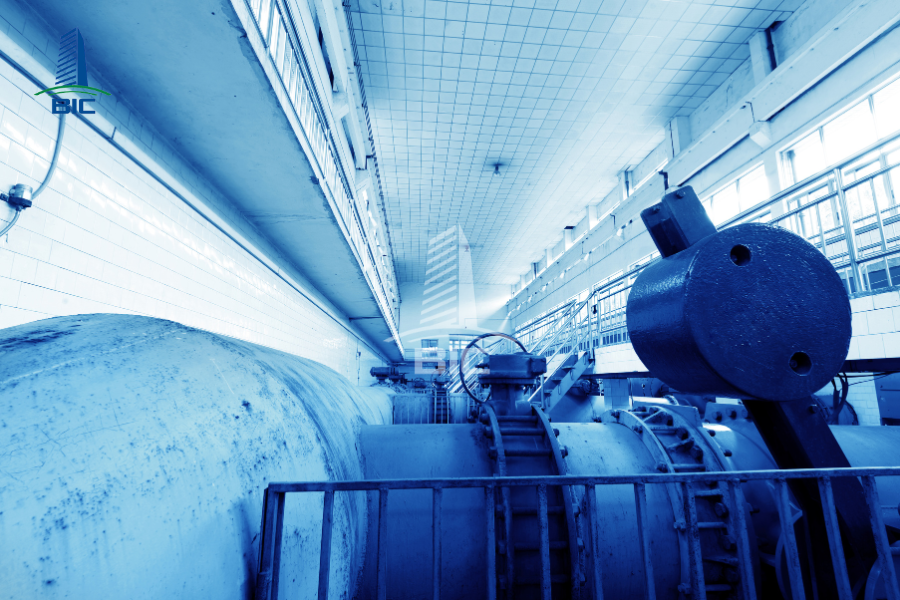
From a contractor’s perspective, wastewater solutions must begin with understanding production processes, not selecting equipment. Wastewater characteristics, flow rates, and variability are directly linked to production operations.
An effective system must align construction design with treatment technology. Tanks, pipelines, chemical storage, sludge handling, and maintenance access must be planned together to avoid conflicts.
There is no universal solution. The right system depends on actual capacity, environmental risk, and investment budget. In addition to meeting QCVN 40:2011/BTNMT, investors must consider operating costs and potential penalties.
Reviewing environmental and technical designs early helps detect issues when correction costs are still low, minimizing risks during construction and operation.
A good system must be easy to operate, maintain, and upgrade—not just meet standards at completion. Operational costs and long-term performance must be considered from the beginning.
Contractors should accompany investors from initial assessment through commissioning and stabilization. The commissioning phase is critical to verify system performance under real conditions.
For chemical industrial factories, wastewater treatment is not merely an environmental requirement but a core component of investment, operation, and legal compliance from the outset. Vietnam’s current regulatory framework—including the Law on Environmental Protection 2020, Decree 08/2022/ND-CP and its amendments, and QCVN 40:2011/BTNMT—clearly reflects this.
For investors, the greatest value of doing it right from the beginning lies in achieving alignment between treatment systems, production processes, factory layout, and long-term operational strategy. Proper assessment, stream segregation, appropriate technology selection, and early integration into design significantly reduce the risk of costly modifications, operational disruptions, and compliance penalties.
From a practical perspective, a well-designed wastewater system is not just one that meets discharge standards, but one that matches wastewater characteristics, operates efficiently, is easy to upgrade, and ensures long-term safety. That is why BIC considers wastewater treatment solutions a core component of industrial projects, requiring careful planning from the earliest stages to ensure both environmental compliance and investment efficiency.