Is choosing a low-cost construction contractors the best option for construction projects? This is a question many homeowners consider when trying to reduce expenses. In this article, BIC will help you better understand the benefits and risks associated with selecting a low-cost contractor, while also providing advice to ensure your project is both cost-effective and meets the desired quality standards.
Cheap contractors are companies or construction units that offer services at lower prices compared to the general market rates. This is a common competitive strategy to attract customers, especially in an increasingly competitive construction market. However, to offer low prices, these contractors often implement cost-saving measures, which can pose significant risks for investors.
- Use of Cheap Materials: One of the easiest ways to cut costs is by choosing substandard building materials that lack clear sourcing or are of low quality. This directly impacts the quality process and may lead to safety issues in the future.
- Minimizing Skilled Labor: Contractors often reduce costs by employing unskilled or inexperienced workers. This diminishes the quality of construction, making it prone to errors, damage, or failure to meet technical standards.
- Lack of Supervision and Inspection: Some construction contractors may skip inspection steps or fail to adequately monitor the process or perform thorough quality checks. This results in subpar technical standards, leading to issues such as wall cracks, softness, or rapid deterioration.
- No accompanying safety regulations: These contractors may also fail to ensure adequate occupational safety measures, putting workers and stakeholders at risk.

- The construction market is becoming increasingly competitive, which is why some contractors have to lower their prices to attract customers. This leads to reasonable values that do not accurately reflect the quality of work that contractors can provide.
- Customers are not fully aware of the potential dangers when choosing low-cost contractors, often focusing only on the initial investment costs without considering other factors such as quality, project timelines, and maintenance after completion.
- Many disreputable contractors operate in the construction market, employing pricing strategies that involve cutting material costs, using unskilled labor, or lacking commitment to quality and processes. This increases the risk of serious incidents occurring after a short period of use.
Thus, low-cost construction contractors not only create unhealthy competition but also pose many risks if investors do not have an effective contractor selection plan. Although the prices are attractive when choosing a contractor, investors need to fully assess other factors such as capability, reputation, and commitment to quality.
Choosing a low-cost contractor can help save on initial investment costs, but it also carries significant risks. These risks not only affect the quality of the construction but can also lead to substantial losses in time and money. Below are some key risks associated with selecting low-cost construction contractors:
- Low-quality materials: To cut costs, low-cost contractors may use substandard construction materials, materials of unclear origin, or even counterfeit materials. This will reduce quality, making the structure more prone to damage or deterioration over time, severely impacting stability and the entire process.
- Improper construction techniques: Low-cost contractors may skip essential construction processes and fail to adhere to technical standards, resulting in structures that do not meet requirements. This can lead to significant issues during use, such as safety hazards or failure to achieve the intended effectiveness of the project.
- High repair and maintenance costs: Due to the lack of quality assurance, after a period of use, the investment will face issues such as structural damage and system failures. This leads to higher repair and maintenance costs, making it essential to choose a reputable contractor from the outset.
- Additional material costs: Low-cost contractors may select materials that do not meet the project's requirements, forcing the owner to replace or supplement with new materials to achieve the desired quality, thereby increasing costs.

- Lack of manpower and equipment: Low-cost contractors often do not have sufficient resources, both in terms of skilled labor and construction equipment, to ensure project timelines are met. This leads to delays in construction progress, affecting the investment plans of the owners.
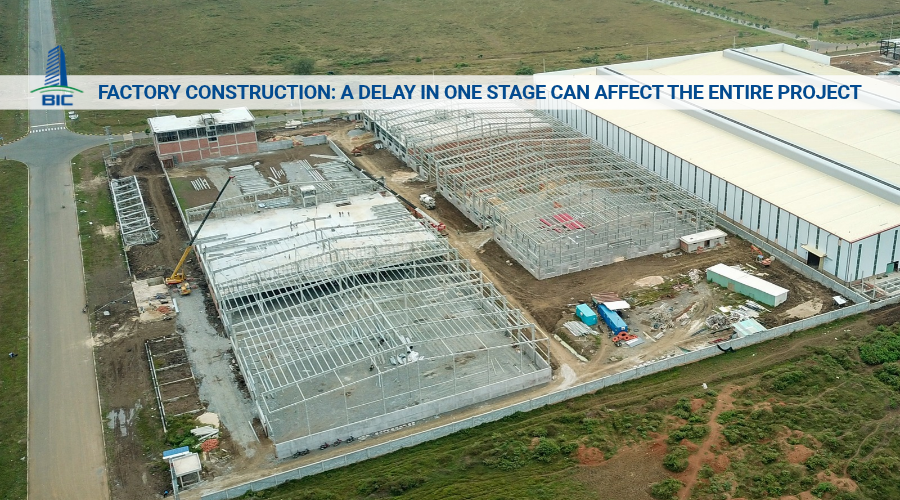
- Difficulties in progress control: A lack of monitoring processes from the contractor can result in slow or incomplete projects that do not meet the agreed timelines. This can lead to delays in production and business investment plans, especially for project factories that need to start quickly.
- No maintenance services: Low-cost contractors may not provide maintenance services for the project after completion. This is disadvantageous for the owner when maintenance or repairs are needed after a period of use.
- Poor support in case of issues: If problems arise with the project, the low-cost contractor may lack the capacity or responsibility to address them quickly and effectively. This can force the owner to resolve issues independently or seek other service providers, resulting in additional costs and wasted time.
Choosing a low-cost contractor may reduce initial expenses, but the potential risks can lead to long-term consequences regarding both the quality of the project and additional costs. Therefore, investors need to carefully consider technical aspects and evaluate other factors such as reputation, experience, and warranty capabilities before deciding on a construction contractor for their project.
When selecting a contractor for a construction project, especially important projects like the design and construction of factories, it is essential to consider various factors to ensure the quality of the work and avoid unnecessary risks. Below are the key factors to consider:
- Reputation: A reputable contractor typically has a high level of credibility, trusted by many clients and highly regarded for the quality of their work. A contractor with many years of experience in the construction field will be better equipped to address arising issues and ensure project timelines are met. Investors should thoroughly research the projects the contractor has previously completed to gain an overall understanding of their actual capabilities.
- Experience in Similar Fields: A contractor with experience in constructing similar projects, such as industrial factories, will have a better understanding of specific technical requirements and necessary standards. This helps ensure that the project requirements are met safely and effectively.
- Stable Financial Capability: A contractor with solid financial capacity will help the project run smoothly without interruptions due to a lack of funding. If the contractor is not financially strong enough, the process may slow down or encounter issues in supplying materials and equipment.
- Workforce and Equipment: The contractor needs to have a skilled workforce, technicians, and experts in the construction field. Additionally, construction equipment is crucial to ensure the progress of the work and maintain quality standards.
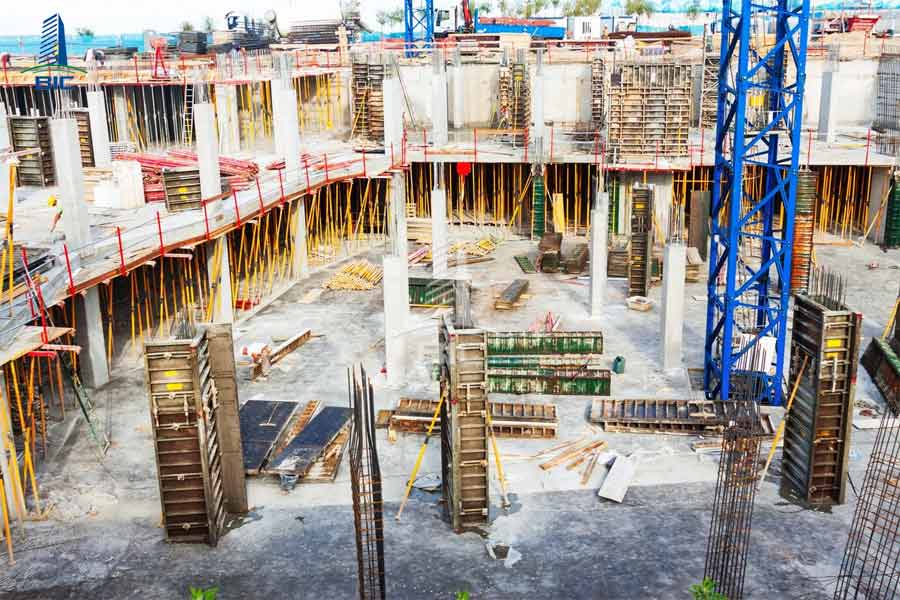
- Construction Progress: One of the important factors when choosing a contractor is their ability to complete the project on schedule. The contractor needs to have a detailed plan and commitment regarding the construction timeline. If this process is delayed, the investor will face additional costs, and business activities or products may be disrupted.
- Support in Case of Incidents: The contractor must have a responsive support team ready to address any issues that arise during the construction process, ensuring that the project is completed on time without compromising quality.
- Project Warranty: A reputable contractor typically provides warranty services for the completed project. This helps investors feel more assured about the quality of the process and alleviates concerns about potential issues during use. The longer the warranty period, the more confidence the contractor has in the quality of the project.
- After-Sales Service: The contractor's after-sales service includes maintenance, repairs, and support throughout the project's usage. A contractor with good after-sales service will help homeowners quickly resolve issues and ensure that the project remains in optimal condition.
When selecting a contractor for the construction of a factory, investors need to carefully consider to ensure quality and construction progress. Contact BIC now for consultation on factory design and quality construction services. With a professional team and many years of experience, BIC is committed to providing you with a sustainable and effective project.