When starting a construction project, effective collaboration with the contractor is crucial to the project’s quality and timeline. However, working with a contractor requires experience; mistakes can lead to wasted time and money. Perhaps you didn’t know that statistics show up to 30% of projects face delays or quality issues due to problems that arise while working with contractors. So, what are the most common mistakes, and how can you avoid them? Join BIC as we dive into this article to help you safeguard your project from unnecessary risks
Partnering with a contractor who lacks experience or doesn’t meet project requirements is one of the most common mistakes. Without a proper research process, investors can easily be swayed by low prices or enticing advertisements, leading them to choose a contractor lacking expertise or quality assurance.
This affects the project timeline, adds unexpected costs, and requires repairs to multiple sections, impacting the overall structure and causing unwanted expenses. To avoid this, investors should carefully evaluate the contractor's qualifications, reputation, and completed projects before making a decision.
Failing to establish a detailed contract with the contractor is a serious mistake that can lead to disputes and legal risks. A vague contract often omits important terms like completion timelines, quality commitments, responsibilities for issues, and additional fees. This can lead to conflicts between the investor and the contractor during the project, especially when changes or adjustments are required. To protect their interests, investors should ensure the contract includes comprehensive terms, covering progress, quality, and procedures for handling issues.
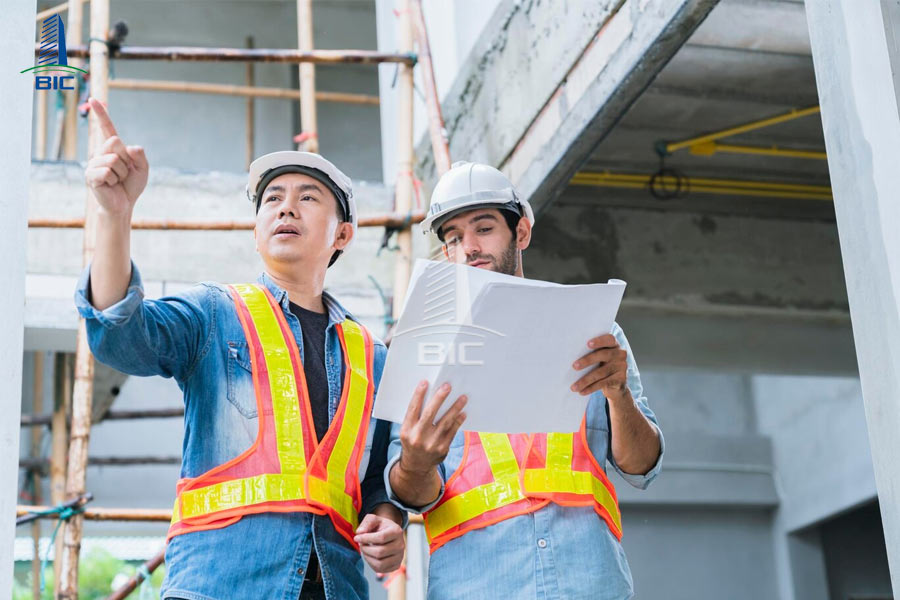
Failing to closely monitor and control progress during construction can result in issues like delays, poor quality, and technical errors going unnoticed. This extends the project timeline or necessitates multiple repairs, wasting time and money. Regular supervision enables the investor to stay on top of real-time progress and ensures that all activities meet standards.
To mitigate risk, investors should set up regular inspections, request progress reports from the contractor, and be ready to intervene or adjust when irregularities occur. A robust monitoring process not only ensures smooth project flow but also enhances management effectiveness.
Many investors make the mistake of overlooking the acceptance process for each phase or conducting it hastily. Not thoroughly inspecting each stage of construction can allow technical issues and quality problems to slip by, affecting the overall structure and potentially leading to significant repair costs. Acceptance of each stage helps identify errors early and ensures that construction quality meets the required standards. To avoid this mistake, investors should establish a rigorous acceptance process for each phase and work closely with related parties to conduct thorough inspections before moving to the next stage.
Ineffective communication between the investor and the contractor is one of the main causes of misunderstandings and issues during construction. Without regular contact and clear discussions about requirements, timelines, or necessary adjustments, the contractor might misinterpret the requirements or fail to meet the investor’s expectations, impacting both quality and timeline.
To avoid this, investors should set up a clear communication channel and maintain regular discussions with the contractor. Regular meetings, progress updates, and formalized agreements help both parties better understand the work at hand, minimize errors, and keep the project on track.
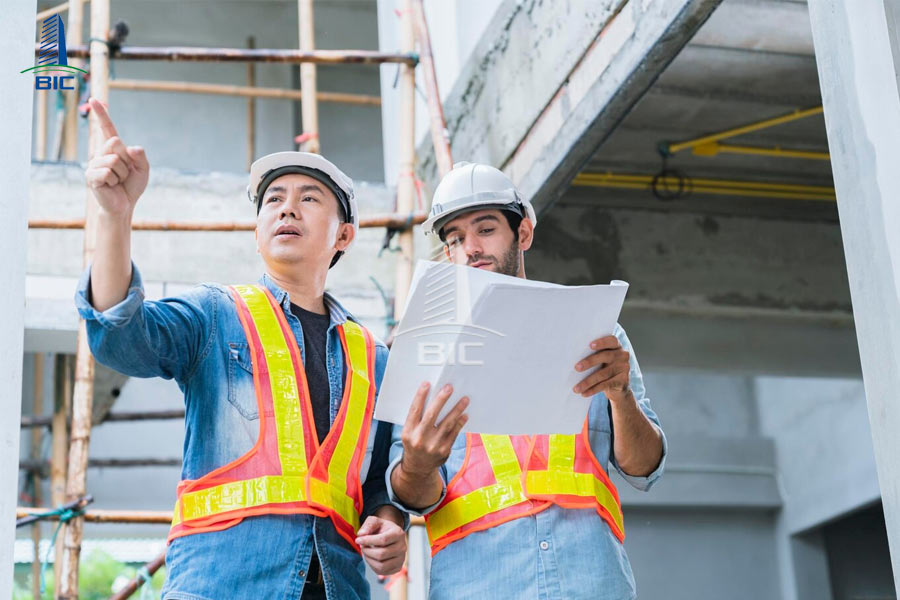
To ensure effective collaboration with contractors, investors should take practical steps to avoid common mistakes and protect project quality. Below is a detailed breakdown of essential principles when selecting and working with construction contractors:
The selection process is critical, and thorough research is the first step to ensuring quality. Investors should assess the contractor based on their qualifications, review their previous projects, and seek feedback from past clients. An experienced contractor typically has a professional working process, a skilled team, and can effectively handle arising issues. Choosing a reliable and experienced contractor helps ensure that the project will be carried out to standards, meeting technical and timeline requirements, and minimizing risks and repair costs.
A contract is an essential legal foundation that protects the rights and responsibilities of both parties. A detailed contract includes terms about completion time, costs, technical and quality standards, safety regulations, and clauses for handling unexpected issues. Lacking these terms creates a legal gap, leading to disputes when unforeseen problems occur. In particular, the contract should clearly state each party’s responsibility and commitment to ensuring project progress and quality. A detailed contract not only safeguards the investor’s interests but also clarifies expectations and obligations that the contractor must meet, reducing misunderstandings during construction.
Supervision and progress control are the most effective ways to ensure that the project stays on track and meets standards. Investors should set regular inspection schedules or assign a supervisor on-site to monitor each stage of construction. This helps identify potential issues early, such as technical errors or delays, and enables prompt solutions. Progress reports from the contractor should also be carefully reviewed to ensure transparency and timeliness. Tight supervision not only ensures construction quality but also allows the investor to maintain control and intervene when necessary, avoiding project delays and unexpected expenses.

Acceptance of each phase is essential to ensure that the project meets technical standards at every stage. This process helps investors detect technical errors or construction flaws early, allowing for timely corrections before moving to the next phase. Acceptance not only protects the overall structure but also reduces safety risks and future repair costs. An effective acceptance process ensures consistent quality throughout the project and enables investors to monitor the timeline and quality at each stage.
A transparent and clear process is key to maintaining unity and clarity between the investor and contractor. Regular updates about progress, arising changes, or adjustment requirements allow both parties to stay up-to-date, reducing misunderstandings and errors during construction. Investors can organize regular meetings or use online communication tools to ensure timely and accurate information. A clear communication channel creates a transparent work environment, fostering cooperation and responsibility from the contractor in completing the project to meet the required standards and timeline.
When working with a construction contractor, there are some mistakes to avoid to ensure the project proceeds smoothly and meets desired quality. If you’re considering finding a suitable contractor or need assistance in managing your project, contact BIC's experienced consulting team. We’re ready to provide advice and support to help you make the right decision, ensuring your project is carried out with the highest quality