In a construction project, collaboration among participants is a key factor for success. Main contractors and subcontractors play pivotal roles in ensuring that every stage is executed efficiently and on schedule. Main contractors typically handle overall management, while subcontractors are responsible for specific, specialized tasks. Understanding the differences between these two types of contractors not only helps investors select the right partners but also optimizes quality control and project costs.
The main contractor, also known as the general contractor, serves as the central entity in a construction project, undertaking critical functions to ensure the project is executed effectively. Acting as the "backbone" of the project, they are responsible for major tasks and directly engage with the investor. Below is a detailed analysis of the main contractor’s responsibilities:
- The main contractor is responsible for creating a detailed plan for the entire project, including task allocation, timelines, and budgets.
- They oversee and manage the progress of major tasks, ensuring the project follows the agreed schedule with the investor.
- They ensure resources are allocated appropriately, including manpower, materials, and equipment.
- The main contractor acts as the coordinator, managing the tasks assigned to subcontractors and ensuring synchronization among all parties.
- They monitor the quality and progress of each subcontractor's work to ensure it meets technical standards and safety requirements.
- They resolve issues or conflicts among subcontractors to avoid project delays.

- Main contractors often directly handle significant and critical tasks, such as structural construction or technical systems.
- These tasks require highly specialized technical teams and modern equipment to ensure quality standards.
- As the entity directly contracting with the investor, the main contractor is fully accountable for the quality, progress, and costs of the project.
- They provide regular updates to the investor, reporting on progress and proposing solutions if problems arise.
- The main contractor ensures that all aspects of the project comply with current technical standards and legal regulations.
- They manage procedures related to construction permits, quality inspections, and project acceptance.
- The main contractor is responsible for implementing safety measures at the construction site.
- They organize safety training and supervision to protect workers and minimize risks during construction.
With their significant role and broad scope of work, the main contractor is crucial to the success of a construction project, ensuring smooth and efficient progress from construction to handover.

A subcontractor is an entity that performs specific tasks within a construction project, as assigned by the main contractor through a subcontract. Their role focuses on highly specialized or meticulous work, such as installing electrical and mechanical systems, plumbing, or interior finishing. These are tasks that the main contractor typically does not handle directly but delegates to professional subcontractors.
- Specialized Work Execution: Subcontractors focus on tasks requiring specific expertise, such as machinery installation, detailed construction, or supplying specialized materials. Their specialization ensures that these tasks meet the highest technical standards.
- Support for the Main Contractor: As key collaborators, subcontractors help reduce the workload for the main contractor, ensuring seamless project implementation. Their work is carried out under the guidance and supervision of the main contractor to ensure quality and safety.
- Resource Provision: Subcontractors supply the required labor, equipment, and materials tailored to each project phase or specific task.
Subcontractors do not work directly with the investor; they operate entirely under the contract and directives of the main contractor. Thus, their responsibilities are confined to the scope of work assigned to them, ensuring timely and high-quality completion.
The role of subcontractors is indispensable in any project, especially large-scale constructions requiring multiple specialized components. Effective collaboration between main contractors and subcontractors is a decisive factor for the overall success of a project.

Below are the primary criteria to clearly differentiate between the two types of contractors:
|
Criteria |
Main Contractor |
Subcontractor |
|
Definition |
The main contractor is the entity that participates in the bidding process, directly signs the contract, and executes all or part of the project if awarded. This contractor may operate independently or as part of a consortium. |
The subcontractor, on the other hand, is responsible for performing specific portions of the project as outlined in a contract with the main contractor. In special cases, the subcontractor may handle critical tasks proposed in the bid invitation as required. |
|
Contracts Signed |
Signs contracts directly with the investor and subcontractors. |
Signs contracts with the main contractor. |
|
Relationship with Investor |
Acts as a direct partner of the investor, with rights and obligations clearly defined in the contract. |
Operates under the direction of the main contractor, without independent relations with the investor. |
|
Responsibility |
Takes full responsibility with the investor for the scope, quality, timeline, and work performed by subcontractors. |
Carries out assigned tasks as stipulated in the contract with the main contractor. The subcontractor's work value must not exceed the percentage specified in the main contract. |
|
Obligations |
Commit to completing tasks as per the contract and providing necessary documents and materials when required. Appoint representatives to address arising issues as requested by the investor. |
Ensure the execution of tasks assigned by the main contractor. Report work progress to the main contractor to keep them informed of timelines and quality. |
Example:
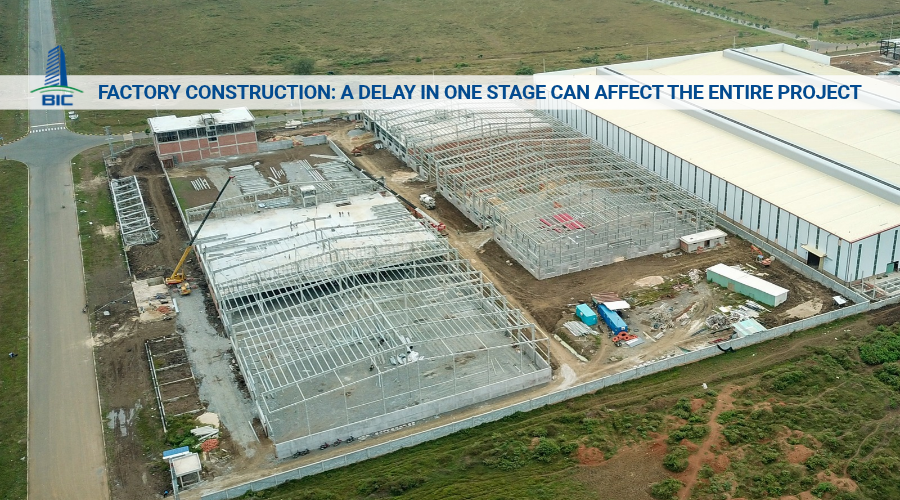
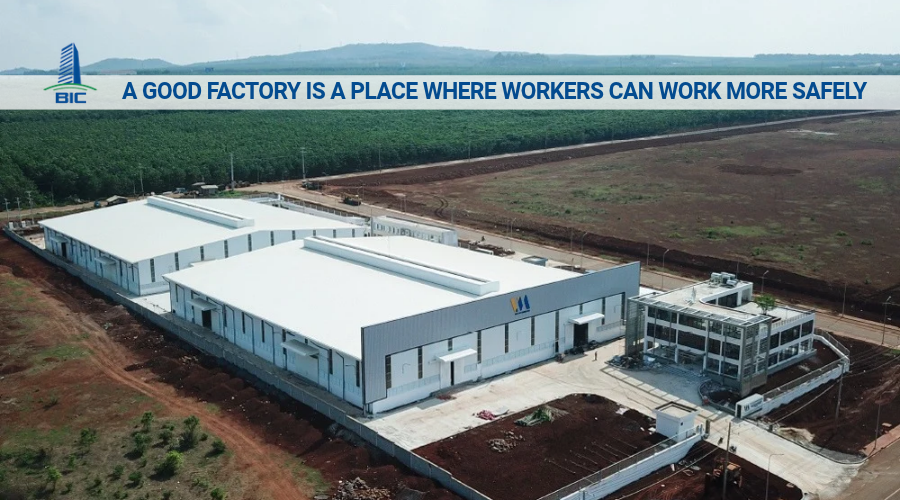
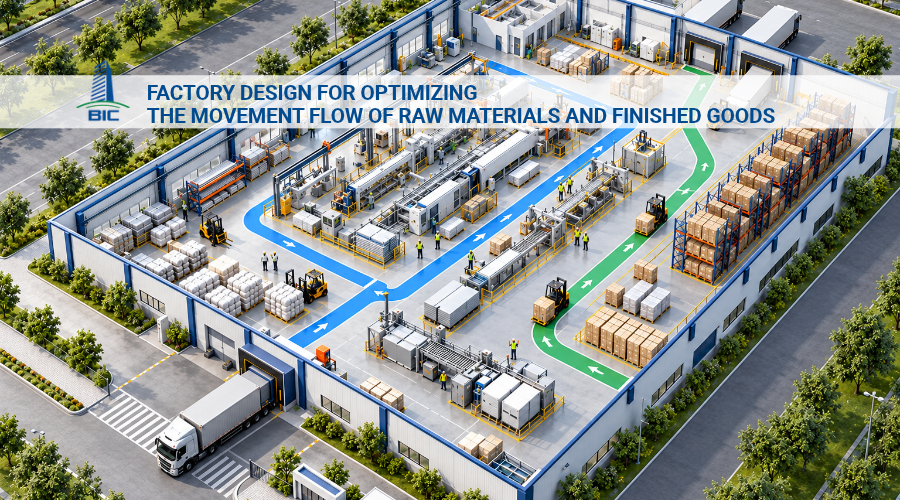
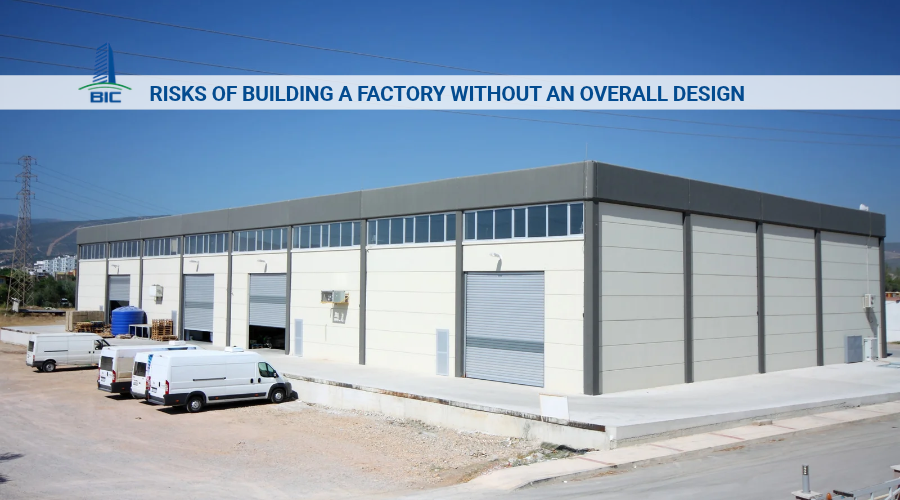
For instance, consider a factory construction project. In this case, BIC acts as the main contractor, managing the entire process from design and construction to supervision and handover. BIC works directly with the investor to ensure the project meets quality, schedule, and budget requirements. However, the main contractor cannot execute all tasks independently, relying on subcontractors for specific aspects such as electrical systems, plumbing, and fire prevention systems.
The clear distinction between main and subcontractors plays a vital role in helping investors make informed decisions and choose the right partners for their projects. If you are looking for a reputable and professional general contractor, contact BIC for detailed consultations. With proven experience and credibility across numerous projects, BIC has become a "strategic partner" for both domestic and international businesses investing in Vietnam. We are committed to delivering comprehensive and high-quality solutions for your project.