Rising energy costs are becoming one of the major challenges facing industrial manufacturing enterprises. In this context, integrating solar energy into factory design is no longer an experimental solution but has evolved into a strategic investment choice. With large roof areas, wide structural spans, and stable electricity demand, factories are particularly well suited to efficiently harness this renewable energy source.
Designing factories integrated with solar energy is not simply about installing solar panels on the roof after construction is completed. This solution requires close coordination from the construction design stage, including roof structural calculations, electrical system layout, operational safety assurance, and long-term performance optimization. When properly integrated, solar energy not only reduces electricity costs but also enhances asset value and the overall competitiveness of the factory.
In the article below, BIC provides a comprehensive analysis of the technical and investment aspects of solar-integrated factory design, helping investors clearly understand the benefits, implementation conditions, and key considerations to make informed, effective, and sustainable decisions.
Electricity costs account for an increasingly large proportion of operating expenses for manufacturing enterprises. Electricity prices tend to fluctuate and rise over time, while factory power demand continues to grow due to production expansion and automation. Under this pressure, many investors are seeking solutions to reduce reliance on the grid, with solar energy integration into factory design emerging as an effective and sustainable approach.
Sustainable development and Net Zero targets are becoming common strategic orientations for enterprises and industrial zones. The use of solar energy helps reduce greenhouse gas emissions, meet environmental requirements, and comply with increasingly stringent ESG standards. When integrated from the construction design stage, solar energy systems enable factories to meet production needs while aligning with long-term sustainability strategies.
Factories offer significant advantages such as large roof areas, wide spans, and minimal shading, making them ideal for solar panel installation. In addition, factory electricity consumption typically peaks during daytime hours, matching the solar generation cycle and optimizing on-site power usage. When solar integration is considered from the initial design stage, energy generation efficiency is significantly higher than retrofitting systems later.
Factories integrated with solar energy offer clear competitive advantages for investors and tenants. Better-controlled electricity costs help reduce production expenses and improve business efficiency. Moreover, factories using renewable energy project a strong image of environmental responsibility, making them more attractive to partners and clients. This factor is increasingly important as markets prioritize green and sustainable manufacturing models.

The most direct and tangible benefit of integrating solar energy into factory design is the reduction of operating electricity costs. Solar power systems can supply a significant portion of production electricity demand, reducing dependence on the grid and mitigating the impact of electricity price fluctuations. When planned from the design stage, solar energy utilization is more efficient and delivers stable long-term cost savings.
Factory roofs typically offer large areas with limited functional use. Integrating solar panels transforms the roof into a revenue-generating asset. Factory designs that accommodate solar installation allow optimization of roof orientation, slope, and structure, thereby increasing power generation efficiency and maximizing the use of available space.
Using solar energy significantly reduces greenhouse gas emissions compared to relying solely on conventional power sources. This helps enterprises meet increasingly strict environmental regulations and sustainability standards. When integrated into factory design, solar energy delivers not only economic benefits but also demonstrates strong environmental responsibility.
Solar-integrated factories have higher operational and asset value than conventional factories. Solar power systems make facilities more attractive to tenants and partners, especially those prioritizing green and sustainable criteria. At the same time, aligning a company’s image with environmentally friendly manufacturing enhances brand credibility and market competitiveness.
Designing factories with integrated solar energy aligns with long-term sustainable development strategies. This approach balances economic efficiency, environmental responsibility, and future scalability. When renewable energy is incorporated from the outset, factories gain a strong foundation to adapt to evolving production, environmental, and governance requirements.

Factory design plays a fundamental role in determining the feasibility and operational efficiency of solar power systems. From the construction design stage, factors such as building scale, layout, technical spaces, and overall electrical systems must be coordinated with solar energy solutions. Early integration ensures stable operation, minimizes technical conflicts, and reduces later adjustment costs.
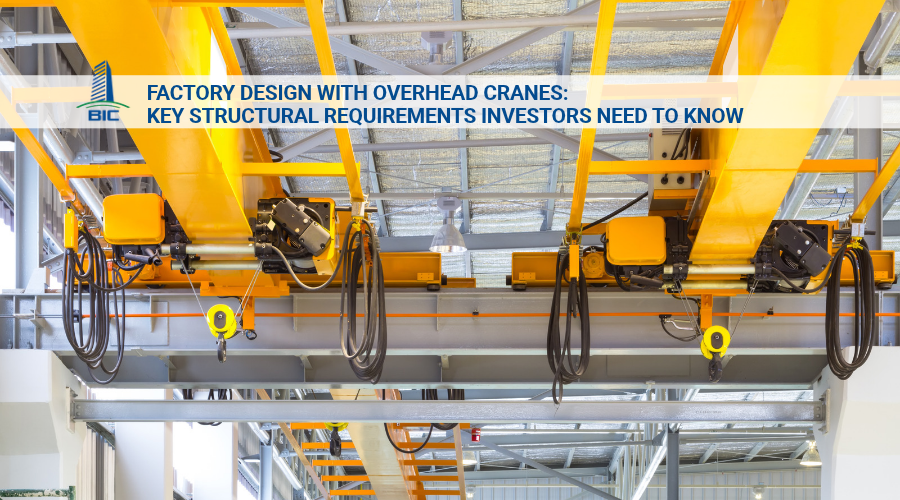
Roof structure and factory span directly affect the feasibility of solar panel installation. Factory design must ensure the roof can accommodate additional loads from panels, mounting systems, and wind forces. For large-span factories, appropriate structural solutions help distribute loads effectively, ensuring safety and sustained power generation throughout the building’s lifespan.
Construction design enables optimization of installed solar capacity by determining roof orientation, slope, and usable roof area. A well-designed solution minimizes shading, maximizes solar radiation exposure, and enhances power generation efficiency. Considering these factors from the beginning allows investors to fully utilize solar potential without expanding building footprints.
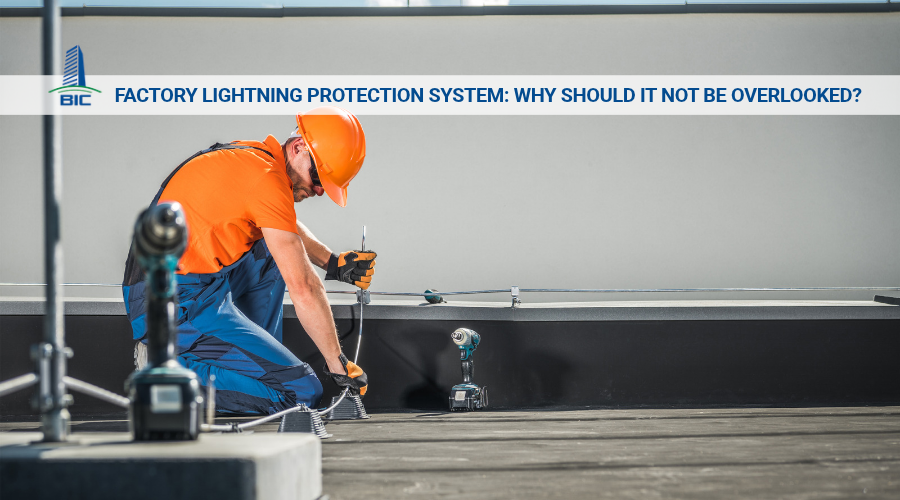
Factory design directly affects the safety and lifespan of solar power systems. Electrical layout, lightning protection, roof drainage, and maintenance access must be carefully integrated. When design meets all technical and safety requirements, solar systems operate reliably, reduce incident risks, and maintain long-term performance, delivering sustainable value to investors.

Roof orientation and slope directly influence solar power generation efficiency. Factory roofs should be designed with appropriate orientation and pitch to maximize solar radiation throughout the year. Usable roof area must exclude shaded zones or areas affected by technical equipment to ensure optimal energy output.
Solar panel systems impose additional loads on factory roofs. Construction design must assess the load-bearing capacity of frames, purlins, and roofing systems. Accurate calculations ensure structural safety and prevent deflection or damage during operation. For renovation projects, evaluating existing load capacity is mandatory before solar integration.
Solar-integrated factory design must allocate adequate space for electrical systems, control panels, inverters, and auxiliary equipment. Proper technical space planning facilitates operation, maintenance, and electrical safety. Cable routing and connection points should be coordinated with the factory’s main electrical system to avoid technical conflicts.
Installing solar panels on roofs can affect natural ventilation and heat dissipation. Factory design should integrate appropriate ventilation and thermal control solutions to maintain stable working conditions. When designed properly, solar panels not only generate electricity but also reduce direct heat radiation on the roof, improving the internal factory environment.
The effectiveness of solar power systems largely depends on how well they match factory electricity demand. Factory design should analyze load profiles over time to determine appropriate system capacity. Balancing generation capacity with consumption optimizes investment efficiency, avoids waste, and ensures stable long-term operation.
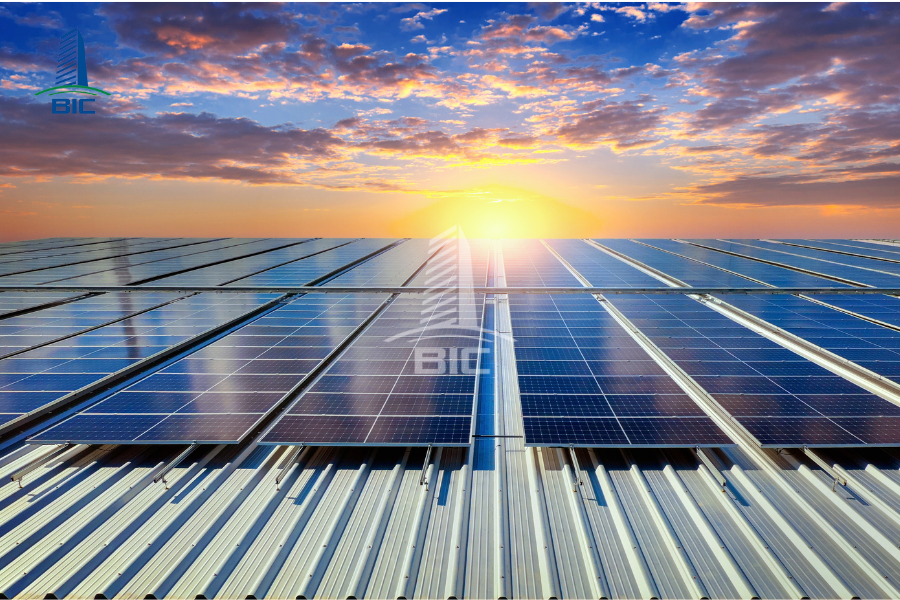
One of the most common mistakes is neglecting solar system load calculations during factory design. Installing panels after construction may exceed roof load capacity, posing structural safety risks. Early load calculations ensure safety and avoid unnecessary reinforcement costs.
Many factories are designed without considering solar integration, resulting in unfavorable roof orientation, slope, or geometry. Poor placement of technical equipment can cause shading and reduce energy output. Inadequate initial design makes later solar integration inefficient and costly.
Insufficient coordination between construction design and solar electrical design can cause technical conflicts during construction and operation. Common issues include inadequate technical spaces, overlapping cable routes, and insufficient electrical safety measures. Integrated design from the outset ensures stable operation and ease of maintenance.
Another common mistake is evaluating investment efficiency based on assumptions that do not reflect actual factory operations. Failure to accurately analyze power demand, operating conditions, and costs can result in inappropriate system sizing. Accurate evaluation from the design stage supports sound investment decisions and long-term efficiency.
Designing factories integrated with solar energy is becoming a strategic investment trend amid rising energy costs and increasing sustainability requirements. When integrated from the construction design stage, solar power systems not only reduce operating electricity costs but also optimize structural design, enhance roof utilization, and ensure technical safety throughout the building’s lifecycle.
From an investor’s perspective, the value of solar-integrated factory design extends beyond short-term economic benefits to include increased asset value, compliance with environmental standards, and enhanced corporate image. Selecting the right implementation timing, fully accounting for technical factors, and ensuring close coordination between construction design and electrical systems are key to achieving sustainable investment efficiency.
In the long term, factories designed with integrated solar energy gain a clear competitive advantage and can readily adapt to evolving requirements for green manufacturing and energy management. This strategic direction should be considered from the project preparation stage to optimize investment efficiency and support sustainable development.