In industrial projects, factory construction costs usually account for a large proportion of the total investment. Cost control not only affects the construction budget but also directly determines the operational efficiency and payback capability of the project. Without a clear cost management plan, investors may face budget overruns, project delays, and increased financial pressure during project implementation.
Factory construction costs are influenced by many factors such as project scale, structural solutions, materials used, and actual construction conditions. Among these factors, construction design plays an important role in determining construction quantities, selecting technical solutions, and minimizing changes during the construction process. When factory design is carried out systematically and closely coordinated with the construction process, many cost risks can be controlled from the early stages of the project.
In this article, BIC analyzes the factors affecting factory construction costs and introduces effective cost management methods. Through proper planning, strict cost control during factory construction, and the selection of suitable design solutions, investors can optimize costs while still ensuring project quality and schedule.
In industrial projects, factory construction costs usually represent the largest portion of the total project investment. Work items such as foundations, structural systems, technical infrastructure, and internal utilities require significant capital. Therefore, controlling construction costs from the beginning helps investors manage budgets effectively and avoid financial pressure during factory construction.
Construction costs are not only related to the building budget but also directly affect the investment efficiency of the entire project. When costs are well controlled, investors can optimize capital use and shorten the payback period. Conversely, if factory construction costs exceed the initial plan, the project may face financial imbalance and affect the operational production plan.
If construction costs are not carefully managed, many risks may arise during project implementation. Design changes, incorrect construction quantities, or fluctuations in material prices can all increase costs beyond the original budget. In addition, extended construction schedules may increase labor, equipment, and site management costs. These factors can significantly reduce the efficiency of factory construction projects.
Construction design plays a crucial role in controlling factory construction costs. A well-developed factory design solution helps accurately determine construction quantities, select appropriate structural systems, and optimize material usage. When design documentation is detailed and aligned with the construction plan, many cost risks can be minimized from the project preparation stage.

Foundations are a critical component in factory construction because they must bear large loads from building structures, machinery, and production activities. Foundation costs depend on geological conditions, the type of foundation used, and the scale of the project. For industrial factories, soil improvement, pile foundations, or ground reinforcement can represent a significant portion of total construction costs.
Construction materials are one of the largest cost components in factory construction. For projects using steel structures, costs include the main steel frame, purlins, cladding systems, roofing systems, and connection components. Material prices may fluctuate according to market conditions, so selecting an appropriate structural solution in factory design helps optimize costs while still ensuring structural durability and safety.
MEP systems include electrical systems, water supply and drainage, ventilation, air conditioning, and fire protection systems. These are essential components in manufacturing facilities. In addition, technical infrastructure such as internal roads, drainage systems, lighting, and auxiliary facilities must also be developed simultaneously. Depending on the type of production and project scale, MEP systems can account for a significant portion of factory construction costs.
Labor and construction equipment directly influence project progress and construction quality. These costs include worker wages, machinery operation costs, equipment usage, and expenses related to site organization. Efficient construction management and appropriate construction methods help reduce costs and shorten factory construction time.
In addition to direct costs, factory construction projects also include management costs such as construction supervision, quality inspection, occupational safety management, and schedule control. Unexpected costs resulting from design changes, quantity adjustments, or material price fluctuations should also be considered in the financial plan. Reasonable contingency planning allows investors to maintain budget control and minimize risks during construction.
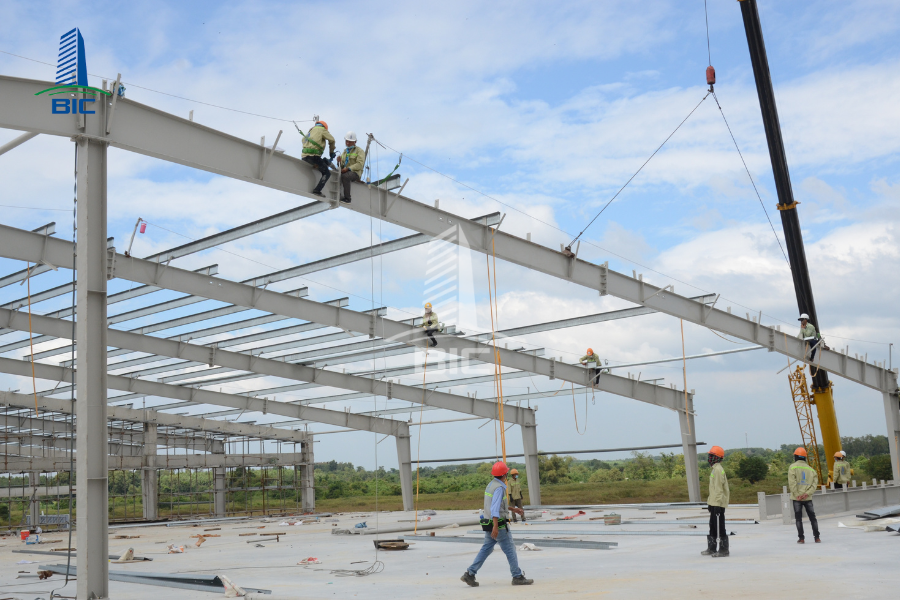
Project scale and building area directly affect factory construction costs. Large factories require greater quantities of materials, structural components, and infrastructure systems, which increases the overall cost. However, in some cases, the cost per square meter may decrease as the project scale increases due to optimized factory design and improved construction efficiency.
Structural solutions and material selection greatly influence factory construction costs. Prefabricated steel structure factories often have faster construction times and relatively reasonable structural costs, while reinforced concrete structures may require higher foundation and construction costs. Choosing materials appropriate to the facility’s function and site conditions helps balance investment costs and structural durability.
Geological conditions are a key factor in selecting foundation solutions. If the soil is weak or the groundwater level is high, investors may need to apply soil improvement methods or pile foundations, increasing construction costs. Conversely, favorable soil conditions allow the use of shallow foundations, which can significantly reduce construction costs.
Different industries have specific technical requirements for factory buildings. Some factories require heavy-load floors for machinery, specialized ventilation systems, or strict environmental standards. These requirements directly affect factory design, MEP systems, and structural solutions, thereby influencing construction costs.
The construction schedule also affects project costs. When projects require accelerated schedules, contractors may need to increase manpower, equipment, and work shifts, resulting in higher costs. Conversely, well-planned construction schedules prepared during the construction design stage help optimize progress and reduce additional expenses.

Factory design provides the foundation for selecting structural solutions suitable for the scale and function of the facility. When structures are calculated properly, the quantity of materials and components can be optimized while maintaining load-bearing capacity and stability. This helps reduce material costs while improving construction and operational efficiency.
A complete and detailed construction design documentation set clearly defines the scope of work, construction quantities, and technical requirements. When design is carefully prepared, many risks that cause additional costs during construction can be minimized. This helps investors maintain better control of factory construction costs and avoid costly design changes.
Close coordination between design and construction ensures that technical solutions align with actual site conditions. When designers understand construction methods and contractor capabilities, work items can be organized more efficiently, reducing material waste and time loss. This approach helps optimize construction costs and improve project management efficiency.
Factory design must closely follow the requirements of the production line and operational workflow. When layouts, structures, and technical systems are properly arranged from the beginning, the factory can meet production requirements without requiring major adjustments after operation. Functional design reduces renovation costs in the future and improves long-term facility value.
Preparing a detailed cost estimate during the design stage provides investors with a clear overview of total construction costs. The estimate should be based on construction design documentation, including structural quantities, materials, technical systems, and infrastructure items. Accurate estimates allow investors to adjust design solutions to match the project budget and investment goals.
After completing the cost estimate, investors need to determine the appropriate project budget and allocate contingency funds for unexpected risks. During factory construction, factors such as material price fluctuations, technical requirement changes, or construction conditions may increase costs compared to the original plan. Contingency planning helps maintain project progress without causing financial pressure.
Factory construction costs should be distributed according to project phases, such as foundation work, structural installation, architectural finishing, and MEP system implementation. This approach allows investors to monitor cash flow, control work quantities, and evaluate construction progress more effectively. Managing costs by phases also helps detect deviations from the original budget early.
Materials and labor are two of the largest cost components in factory construction. Investors should closely monitor material usage, manage supply sources, and select reliable suppliers to avoid price fluctuations. In addition, proper labor organization and efficient construction methods help reduce resource waste. Effective control of materials and labor ensures better management of construction costs throughout the project.
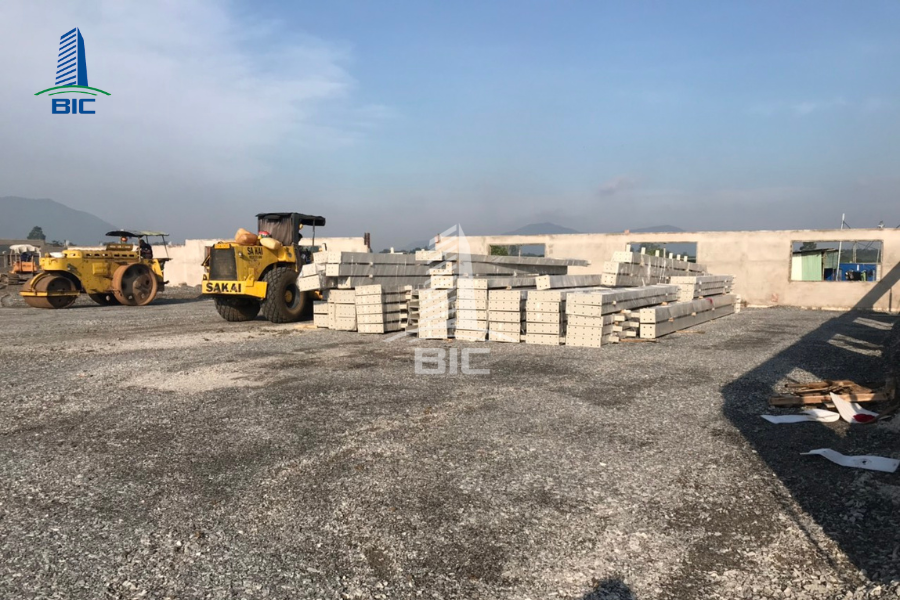
During construction, comparing actual work quantities with construction design documentation is essential for cost control. Structural works, foundations, cladding materials, and technical systems should be inspected regularly to ensure they are implemented according to factory design. Tight control of quantities helps prevent cost overruns and budget deviations.
Design changes during construction are one of the most common reasons for increased factory construction costs. Changes in structural systems, materials, or technical layouts may require adjustments to work quantities and construction schedules. Therefore, every change should be carefully evaluated in terms of technical impact and cost before implementation and properly documented in project management records.
Construction progress directly affects project costs. When schedules are delayed, expenses related to labor, machinery, site management, and equipment rental can increase significantly. Detailed construction planning, regular progress monitoring, and timely problem-solving help ensure that factory construction projects proceed according to schedule and avoid unexpected costs.
Effective cost management requires continuous monitoring and updating throughout the construction process. Investors should compare actual costs with the original estimates at each stage of the project to evaluate deviations. If discrepancies arise, corrective measures should be implemented promptly to ensure total factory construction costs remain within the approved budget.
Construction design is the foundation that shapes the project’s technical solutions and construction quantities. When factory design is carefully developed from the start, structural systems, materials, technical infrastructure, and functional layouts can be optimized according to investment objectives. This approach reduces material waste, minimizes design changes during construction, and helps control project costs.
Effective collaboration between designers and construction contractors ensures technical solutions align with real site conditions. When communication between the two sides is maintained regularly, technical issues can be resolved quickly before affecting schedule or costs. This coordination helps reduce design conflicts and improves project management efficiency.
Structural solutions and material choices have a major impact on overall construction costs. Selecting structures suitable for project scale and function helps optimize material quantities and construction expenses. At the same time, choosing materials compatible with environmental conditions and operational requirements reduces long-term maintenance costs and extends the facility’s lifespan.
Appropriate construction methods help save time and resources during project implementation. Applying modern construction techniques, organizing the construction site efficiently, and using suitable equipment improves labor productivity and reduces labor costs. Optimized construction processes ensure factory projects are completed on schedule while maintaining investment efficiency.
Construction design consultants play an important role in proposing technical solutions aligned with project investment goals. Through analysis of functionality, project scale, and construction conditions, factory design consultants can select appropriate structural systems, materials, and layout solutions. These decisions directly influence construction quantities and costs, helping investors optimize budgets from the early stages.
During the preparation of design documentation, construction design consultants also participate in quantity take-offs and cost estimation for project components. Clearly identifying quantities of materials, structural systems, and technical infrastructure allows investors to control budgets and assess project feasibility. Accurate quantity calculations improve cost management throughout construction.
A detailed and coordinated design documentation set helps reduce technical conflicts during construction. When architectural, structural, and MEP disciplines are integrated effectively from the beginning, contractors can implement construction more smoothly and reduce unexpected changes. This helps maintain better control over factory construction costs and avoid costly project adjustments.
Construction design consultants do more than provide design documents—they can also offer technical support throughout the construction phase. This collaboration ensures design solutions are implemented correctly on site and helps resolve emerging issues promptly. When design and construction are closely coordinated, investors can effectively manage project costs, schedule, and quality.
Managing factory construction costs is one of the key factors determining the investment efficiency of industrial projects. From planning and construction design to construction management, every stage must be carefully controlled to ensure costs remain within budget and the project is completed on schedule. When investors understand the cost components, influencing factors, and effective management methods, many risks during factory construction can be significantly reduced.
In addition, the role of factory design and the coordination between design and construction are essential for cost optimization. A well-developed design solution accurately determines construction quantities, selects appropriate structures and materials, and facilitates the construction process. When a project is thoroughly prepared and supported by an experienced construction design consultant, factory construction costs can be effectively controlled while still ensuring project quality and long-term durability.
Contact BIC for consultation on industrial factory construction design solutions and legal support for construction projects.