In the context of increasingly complex climate change in Vietnam, factory design capable of withstanding natural disasters not only ensures infrastructure safety but also helps businesses minimize losses in terms of human life and property. Risks such as storms, floods, and earthquakes can cause significant damage to factories that are not designed to meet proper standards.
This article will guide businesses on sustainable factory design solutions, from material selection to technical factors, to protect production facilities from the harsh impacts of nature. Let’s explore with BIC the measures to enhance your factory’s resilience against natural disasters.
Natural disasters are one of the biggest threats to industrial buildings, especially factories—where valuable assets are housed and play a crucial role in the production chain. Depending on geographical location, each area may face different natural disaster risks, leading to distinct factory design structures.
Storms and floods are constant threats in coastal and lowland areas, where strong winds can tear off roofs and blow away inadequately reinforced structural parts. In particular, floods can lead to prolonged waterlogging, causing severe damage to technical systems such as electricity, water, machinery, and raw materials within the factory. Factories without effective drainage systems risk water intrusion, destroying foundations and load-bearing structures.
Earthquakes are a primary concern in mountainous areas and regions with seismic activity. With violent shaking, earthquakes can cause weakly structured buildings to collapse or crack. This is especially dangerous if the factory lacks a solid foundation or is not designed with shock-absorbing systems. Earthquakes not only damage physical structures but also threaten the safety of workers inside.
.jpg)
Landslides and rockslides often occur in hilly regions where soil and rocks are prone to sliding after heavy rains. This can lead to subsidence or the destruction of buildings located at the foot of mountains, causing severe, sometimes irreparable, damage to factories. Factories located in landslide-prone areas, if not protected by barriers or retaining walls, face the risk of being swept away or collapsing.
Additionally, droughts and wildfires are significant risks to factories located in arid climate areas. When water is scarce, and humidity is low, the risk of fire and explosion increases, especially in factories that house flammable materials such as chemicals, wood, or paper. If a factory’s design lacks timely fire prevention measures, the damage to property and the risk of production downtime can be enormous.
Each type of natural disaster brings different challenges, but overall, all of them can disrupt production, cause financial loss, and endanger employees’ lives. Therefore, thoroughly understanding and analyzing natural disaster risks in the construction area is the first essential step in designing an effective disaster-resistant factory.
Vietnam endures major storms every year, making it essential for factories to be designed with disaster resistance as a mandatory factor. To ensure safety, factory design and construction in areas prone to storms must be meticulously calculated and detailed analyses of the impact of natural disasters must be carried out based on the topography and climate characteristics of each region.
Designing a disaster-resistant factory requires adhering to fundamental architectural and technical principles to maximize the protection of the building from nature’s unexpected forces. Each factor in the design process plays a crucial role in ensuring factory safety and maintaining stable production operations.
- Factory location: This is the first key factor that must be carefully considered. Areas prone to flooding, earthquakes, or landslides should be excluded from the list of potential locations. Building factories in safe areas helps reduce the risk of being affected by natural disasters from the outset. For areas where natural disasters are unavoidable, specific protective plans should be in place, such as building retaining walls, protective embankments, or elevating the foundation to prevent flooding.
- Construction materials: determine the factory's resistance capacity. Using sustainable materials that can withstand strong winds or pressure from floods, such as reinforced concrete, stainless steel, or advanced composite materials, is an effective method to increase the building’s resilience. Additionally, choosing fire-resistant and waterproof materials in factory design can withstand high temperatures from wildfires while preventing damage caused by water during floods.
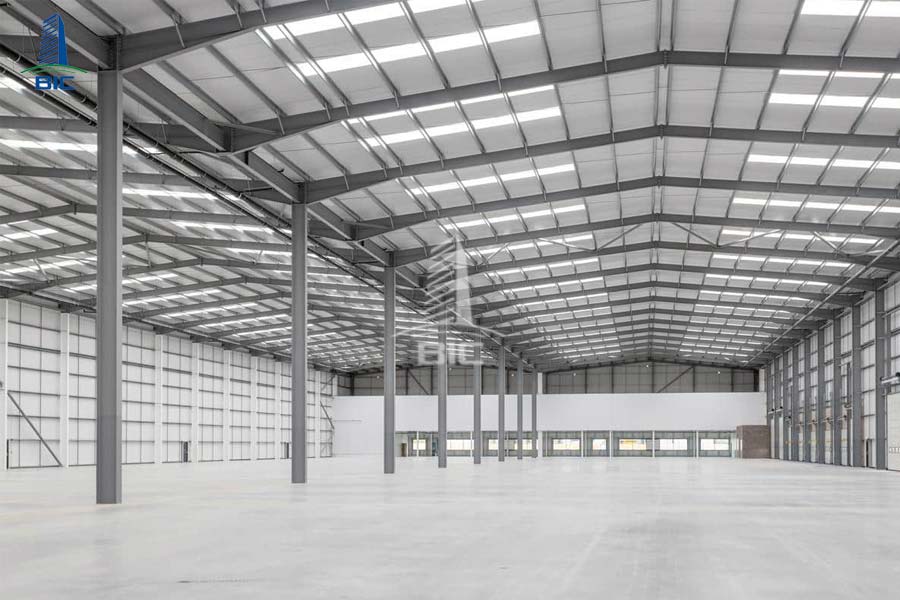
- Architectural and structural design: play a crucial role in disaster resistance. The foundation must be built solidly, capable of high load-bearing and enduring shocks from earthquakes. The drainage system needs to be intelligently designed to quickly direct water away from the factory area, preventing waterlogging. The roof should be designed with a moderate slope to resist wind force during storms, and the wall’s load-bearing structure should be reinforced to prevent collapse in the event of earthquakes or landslides.
- Technical protection systems for the factory must also be prioritized. For electrical and water systems, careful protective measures must be in place to prevent short circuits or disruptions during disasters. For example, the electrical system can be designed with an automatic shut-off mechanism in hazardous situations, and water pipes should be installed underground or insulated to avoid damage from flooding. Installing storm-proof doors and natural ventilation systems not only ensures factory safety but also maintains a comfortable working environment for employees.
Following these principles will help the factory not only withstand nature’s forces but also operate stably, ensuring the safety of people and property. Businesses need to invest in sustainable factory design and construction that align with the natural conditions in the area to minimize disaster risks.
Designing a disaster-resistant factory brings many outstanding benefits, helping businesses not only protect assets but also maintain stability in production operations.
- Minimizing material damage: When disasters like storms, floods, or earthquakes occur, factories that are not designed to withstand them will easily suffer severe damage. For example, a factory with an unreinforced roof system could lose its entire roof during a major storm, leading to serious damage to machinery, goods, and facilities. Conversely, a factory built with a solid structure, using storm-resistant materials or an efficient drainage system, will help minimize damage, significantly reducing repair and recovery costs after a disaster. This not only protects direct assets but also helps businesses avoid unnecessary production disruptions.
- Protecting workers and property: Every business needs to ensure the safety of its workforce, especially in hazardous working environments like factories. Designing disaster-resistant factories, with measures such as solid retaining walls, escape systems, and storm-proof doors, helps reduce risks for workers in emergency situations. The safety of workers is not only a moral responsibility but also directly affects productivity and employee loyalty. A well-designed factory will help protect the lives and health of employees, minimizing workplace accidents in the event of a disaster.
- Increasing the building’s lifespan: This is a long-term benefit, helping businesses save on maintenance and repair costs throughout the factory’s lifecycle. A well-built structure can withstand the strong impacts of nature, reducing structural failure or premature degradation. This not only ensures that the factory remains in good condition but also helps increase the long-term value of the property. A solid factory also enhances the business’s reputation in the eyes of partners and customers, as they will highly value the stability and safety of a professionally designed production facility.
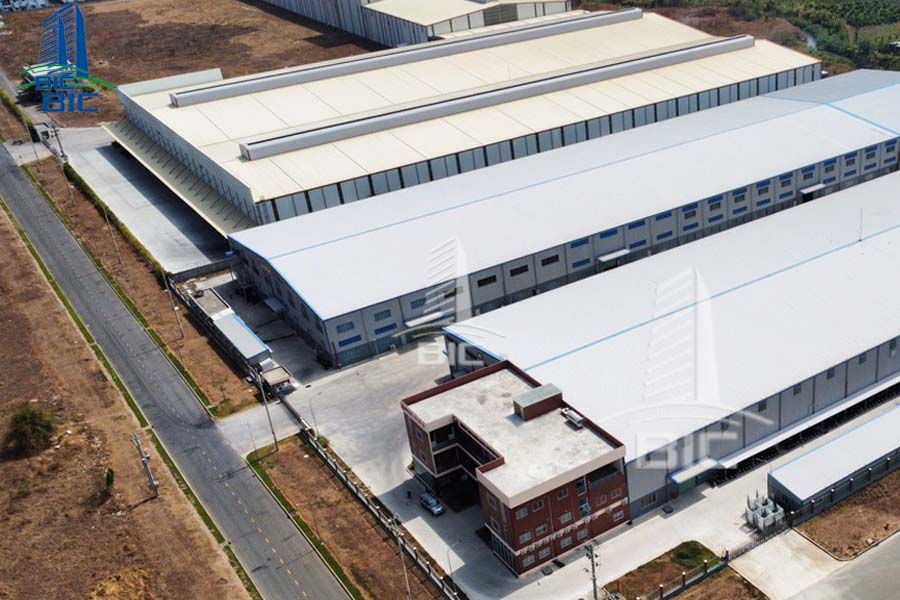
- Maintaining continuous production: is a core benefit that any business aims for. In a competitive business environment, ensuring uninterrupted production is critical to maintaining market advantage. When the factory is designed to withstand natural disasters, businesses can rest assured that even when disasters occur, they can quickly recover and resume normal operations. This helps businesses maintain the supply chain and meet customer demand without encountering unforeseen disruptions. A factory that suffers severe damage after a storm or flood will lead to prolonged production stoppages, affecting not only revenue but also the trust of partners and customers.
Designing a disaster-resistant factory requires a close combination of various technical solutions, from selecting sustainable materials, and designing solid structures, to effective drainage and early warning systems. These factors not only protect assets and workers but also ensure that the business’s production activities are consistently maintained, even in harsh natural conditions.
To ensure that your factory is designed and built with the most effective and safe solutions, contact BIC. With experience and credibility in factory design and construction, BIC is committed to providing you with high-quality solutions that ensure safety and sustainability against any natural disaster.