In the construction field, selecting the right contractor is a crucial decision that directly impacts the quality and timeline of a project. However, many investors are drawn to offers from low-cost contractors who promise budget-friendly solutions. But is this decision truly reliable?
Choosing a low-cost construction contractor often stems from a desire to save money, particularly for projects with tight budgets. When presented with multiple quotations, most investors tend to select the lowest offer, hoping to optimize costs while maintaining quality. Although this is a common approach, it can sometimes carry risks.
Moreover, promotional deals, discounts, or commitments such as "affordable all-inclusive construction packages" further entice investors to make quick decisions. These promises are often professionally presented, instilling a sense of trust at first glance.
Another reason lies in the tendency to compare prices between contractors. Many investors focus solely on price quotes, neglecting to evaluate the contractor's capability and reputation. They assume that as long as the materials are listed and the costs are low, the contractor can meet their requirements. In reality, low costs do not guarantee quality, and prioritizing price alone can lead to significant issues later.
Thus, while tempting, choosing a low-cost contractor requires careful consideration—not only of the price but also of other critical factors such as the contractor's capability, accountability, and reputation.

While saving on initial costs is a major advantage, opting for a low-cost construction contractor comes with numerous risks that directly affect the quality and progress of the project:
- Poor Construction Quality: To cut costs, low-cost contractors often use substandard materials or skip essential construction procedures. This not only causes the structure to degrade quickly but also poses safety risks for users. Common issues include wall cracks, water leakage, and weak structural integrity.
- High Additional Costs: Although the initial price may seem attractive, unexpected costs such as repairs, material replacements, or completing missing components often result in a significantly higher total expense.
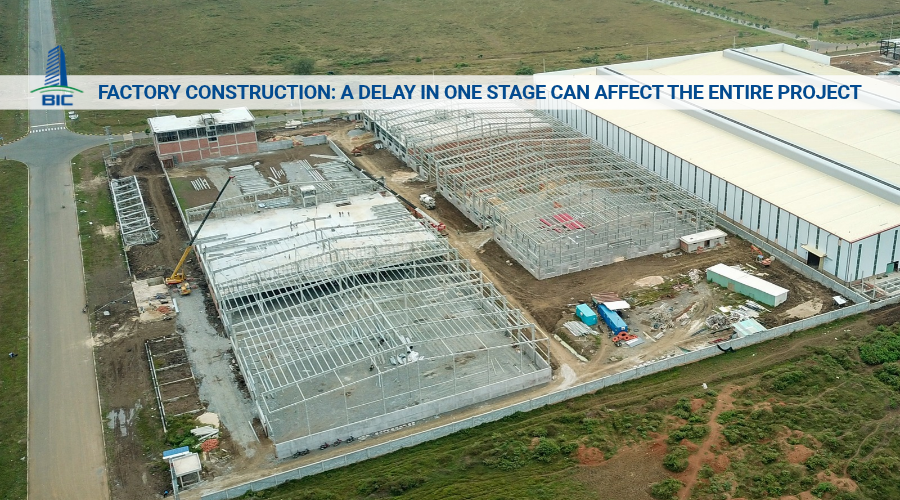
- Extended Construction Timelines: Low-cost contractors often lack management experience, sufficient manpower, or a clear plan, causing delays in the construction process. This directly affects the investor’s plans for using the property and may result in substantial economic losses if the project is not completed on time.
- Conflicts and Disputes: Working with an unreliable contractor often leads to disagreements over contracts, construction quality, or delivery timelines. These disputes not only waste time and effort but also strain relationships among the involved parties.
Given these risks, investors should carefully evaluate contractors based on more than just price. A reputable contractor with experience and transparency can ensure both quality and timely project delivery, preventing unnecessary losses in the future.

To avoid potential risks when choosing a low-cost construction contractor, investors should take several precautions to ensure project quality and minimize issues:
- Conduct Thorough Research: Gather information about contractors through reliable sources, such as portfolios, completed projects, or feedback from previous clients. This helps in assessing their credibility and capability.
- Compare Multiple Quotations: Avoid hastily selecting a contractor based on the lowest price. Reviewing multiple quotations from different contractors provides a comprehensive view, helping investors identify unreasonable discrepancies and make more informed decisions.
- Evaluate Competency: Assess the contractor’s financial capacity, construction experience, and workforce. A trustworthy contractor should not only meet deadlines but also deliver quality work as promised.
- Demand Clear Contracts: A detailed construction contract is essential. The contract should specify items such as material types, construction timelines, payment schedules, and warranty terms to prevent misunderstandings or disputes later.
- Ensure Close Supervision: Regularly monitor the construction progress and quality on-site. This helps identify issues promptly and ensures the project proceeds according to the plan.
By following these measures, investors can minimize risks and increase the likelihood of selecting a contractor that fits their needs, ensuring both cost efficiency and project quality.
If you're seeking a trusted partner, BIC takes pride in being a leading choice with years of experience in construction. Contact BIC today for detailed consultations and quotations, ensuring the highest satisfaction in both quality and cost-effectiveness.