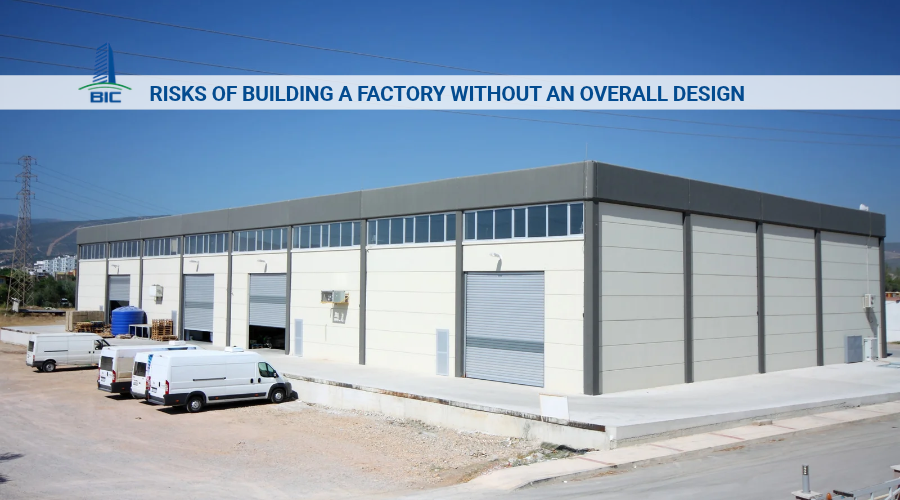
(Construction) - According to Savills' forecast, the global supply sector will grow significantly in the near future. The main driver of this trend comes from the growth of e-commerce and the race to expand warehouse space to secure the supply chain of international companies.
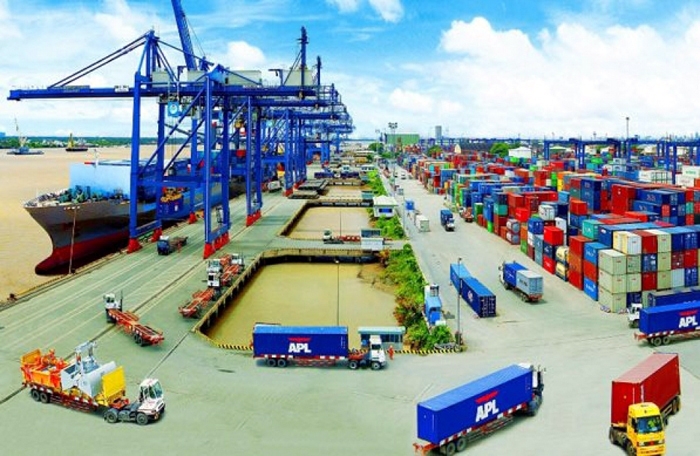
To secure the supply chain, international companies will invest in warehouses around the globe.
Over the past two years, the effects of Covid-19 and the geopolitical crisis in Ukraine have caused businesses around the world to face many challenges in maintaining a stable supply chain.
According to Kevin Mofid, Director, Head of EMEA Research, Industrial Real Estate & Logistics, Savills: “Securing the supply chain requires companies to move from a 'precautionary strategy' (JIC). move to a “just-in-time” (JIT) strategy, and this means not only increasing inventory, but also “nearshoring” – moving the production line closer.
A McKinsey survey in 2021 found that 61% of companies have increased the amount of inventory they need. This is considered an important driver for the filling capacity of many warehouses around the world in the past 2 years and in the coming time. However, the Savills Industrial Park Real Estate and Logistics Services Division recorded a record low vacancy rate in 2021. Besides, the scarcity of supply and the lack of planning for new supply are the main factors. major market challenge.
“In the US, the demand for new supply is so great that we are seeing a number of Grade A office buildings being demolished and demolished,” said Gregg Healy, Director of Real Estate Services at Savills Industrial Park in North America. replaced by industrial zones. This is considered the optimal use of the land fund.”
The global industrial park market is showing signs of slowing down due to low future supply in countries. Savills forecasts this will cause rents to continue to rise rapidly.
“In the face of a mismatch between supply and demand and a sharp increase in rents globally, tenants will have to bear a very high cost. This is a concern for warehouse tenants, but this amount only accounts for a small percentage of their total costs, about 5% of the total costs for transport and labor, "said a representative of Savills.
Savills assesses that the pressure on supply will force businesses to innovate. In the coming time, the market will see more multi-storey warehouses in Europe, especially in prime locations in big cities. Integrating high technology to industry will be necessary to prevent future supply chain challenges.
In fact, the manufacturing industry has many inevitable difficulties this year such as rising inflation, escalating conflict in Ukraine and China's uncompromising squeeze to prevent the spread of Covid-19. . These problems will cause a lot of disturbance in the supply chain.
However, the global logistics industry still has some signs of improvement. “In the longer term, these signals could still be heavily influenced by global supply chains,” explains Savills expert. However, the move to nearshoring production will bring many benefits to industrial markets of developed countries. GDP growth as well as the rise of e-commerce in these countries will boost warehousing demand even as production declines.”
In Vietnam, despite the difficulties of the post-Covid-19 economy and economic and political fluctuations in the world, the industry still recorded positive results and high growth prospects.
According to Vietnam Industry Highlights for the first quarter of 2022 conducted by Savills Vietnam Industrial Services Division, the positive point recorded in March is that Vietnam's industrial production has increased by 8.5% compared to the previous quarter. compared with the same period last year, after increasing 9.2% in February. Despite the pandemic, this is the fifth consecutive month that industrial output recorded a positive growth.
According to Mr. John Campbell, Deputy Director, Industrial Services Division of Savills Vietnam, Vietnam's policies to support the economy and successful vaccination campaign in recent years have created a solid basis for the policies to support the economy. Foreign businesses put their faith in Vietnam's market recovery.
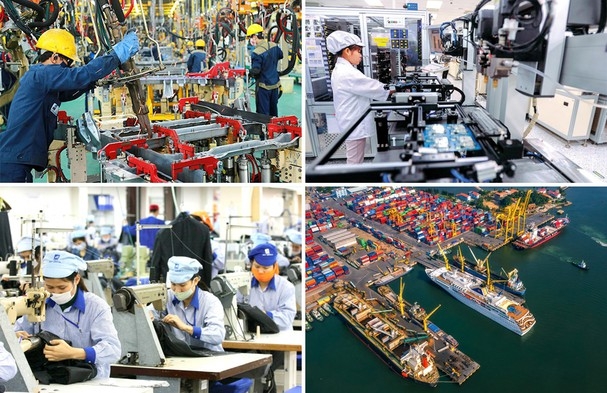
In March 2022, Vietnam's industrial production index increased by 8.5% over the same period last year.
“There is no denying that 2021 will be a very difficult year, especially with the strong outbreaks of the Covid-19 pandemic. However, in the past few months, from the end of 2021 to now, we have had some positive developments, the latest being the reopening of borders and visa exemption for citizens of 13 countries. This is very meaningful to investors as well as tenants who are multinational companies that have not been able to come to Vietnam. These companies can visit the project in person, sign lease contracts, set up facilities in Vietnam as well as complete the investment registration certificate (IRC) and enterprise registration certificate (ERC). )", this expert emphasized.
Assessing the potential of the market, Mr. John Campbell affirmed that in recent years, the Vietnamese Government has done a good job in recent years in encouraging companies to move to Vietnam, especially in the industry group. high added value. Vietnam also offers tax incentives for technology companies or R&D, renewable energy and smart agriculture.