Factory design is the most crucial step that determines the efficiency and safety of an industrial construction project. A well-planned design not only optimizes the use of space but also ensures sustainability, cost savings, and full compliance with safety and environmental regulations.
Given the complexity and diversity of industrial requirements, understanding and adhering to proper design steps is essential to ensure that your factory operates efficiently and sustainably in the future. Join BIC in exploring the 5 critical steps in the factory design process.
Before factory design, it is essential to clearly define its primary purpose, whether it is for production, storage (warehousing), or office use. This will directly influence the space layout, material selection, and technical requirements.
- Production: Factories used for production need large, open spaces and sufficient load-bearing capacity to support heavy machinery. Additionally, appropriate ventilation, electrical, and water systems must meet the specific requirements of the production process.
- Warehousing: If the primary purpose is storage, the factory design should focus on optimizing storage space, with sturdy shelving, adequate ventilation, and a standard-compliant fire protection system.
- Office Use: Factories with office areas require well-organized spaces with natural lighting and air conditioning. These areas should be well soundproofed to prevent disruption from production activities.

The scale and capacity of the factory must be carefully researched based on production needs and available land area. Proper scale determination will help optimize costs and ensure long-term operational efficiency.
- Production Scale: Depending on the type of products and expected output, the factory design must effectively handle the workload. A factory that is too small will lead to space shortages, while an overly large factory could result in wasted resources.
- Land Area: The land area should be considered not only for current capacity but also for future expansion needs. The factory's scale must be reasonable in relation to the land area to ensure space for internal traffic, parking lots, and other functional areas.
The budget is a determining factor in the scale and quality of the factory design. Clearly defining the budget from the outset will help control costs and prevent overspending.
- Overall Budget: Based on the factory’s scale and design requirements, a general budget should be set that includes all costs such as construction, equipment, technical systems, and other expenses like permits, consultancy, and contingencies.
- Budget Allocation: The budget should be reasonably allocated across different categories, including structure, materials, technology equipment, and interior decoration. This helps avoid concentrating too much expense on one category while neglecting others.
Clearly identifying these criteria helps you understand each important step in the factory design process and plan your factory project in detail. Defining the correct purpose, studying the scale and capacity, and determining a reasonable budget will ensure that your factory operates efficiently, saves costs, and fully meets production requirements.
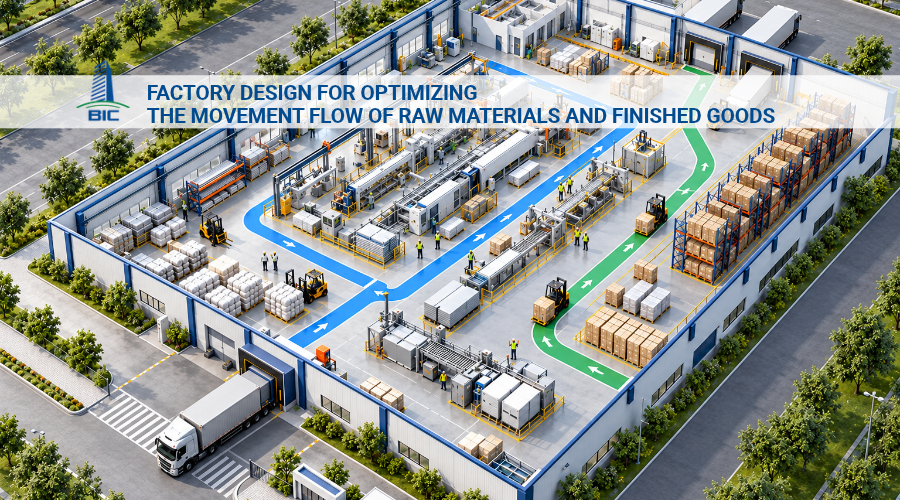
The floor plan is the first step in the architectural design process of a factory, helping to rationally divide the space and arrange functional areas. The goal of the floor plan in factory design is to optimize the use of space, ensuring continuity and efficiency in the production process.
- Space Division: Clearly define the main areas such as production areas, storage, offices, support areas (machine rooms, maintenance areas), and walkways. Each area must be arranged to optimize the production process, minimizing the movement of personnel and goods.
- Walkways and Internal Traffic Layout: The walkway system needs to be designed to be spacious and open to ensure easy movement of forklifts and equipment. It is particularly important to ensure that main walkways are not obstructed by storage areas or large equipment.
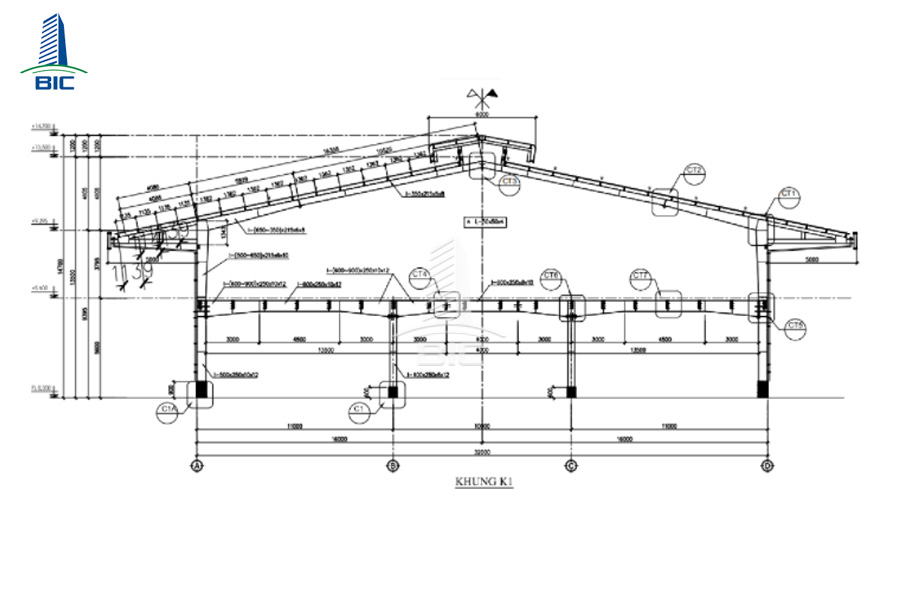
Sectional drawings provide detailed information on the height of spaces, roof slopes, and how ventilation and natural lighting systems are integrated into the factory design. This is crucial to ensure safe and efficient factory operations.
- Height and Roof Slope: Determine the appropriate height of the factory to ensure sufficient space for large equipment and machinery. The roof slope should be designed for good water drainage, avoiding flooding during the rainy season, while also minimizing wind pressure.
- Ventilation and Natural Lighting Systems: The sectional drawing should also show how the ventilation system is designed to ensure good air circulation, especially in hot and humid production areas. Natural light should be maximized through skylights or ventilation gaps to save energy.
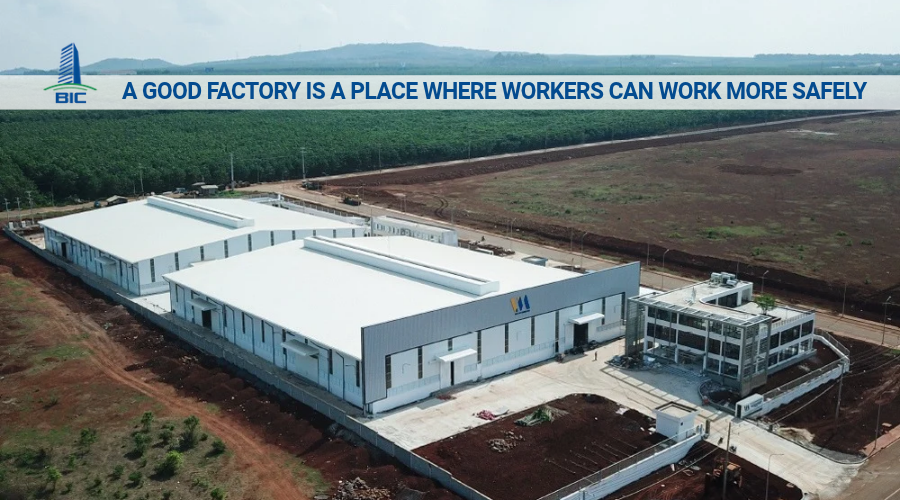
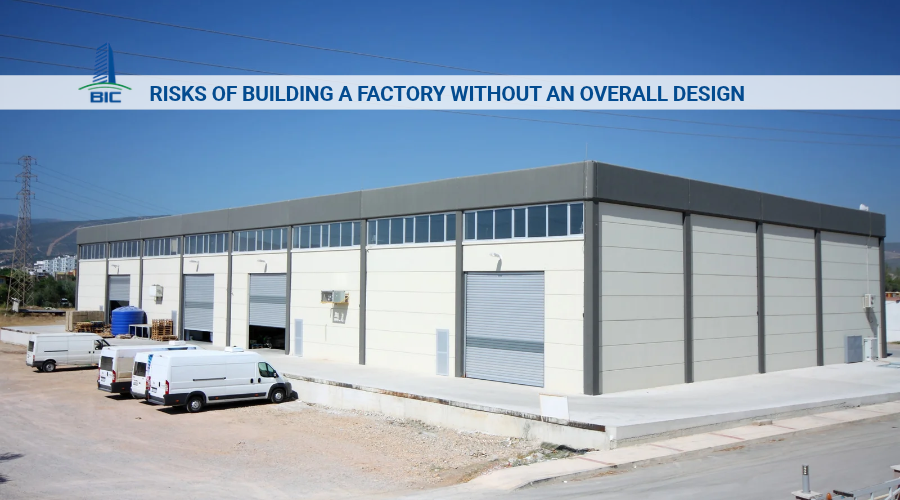
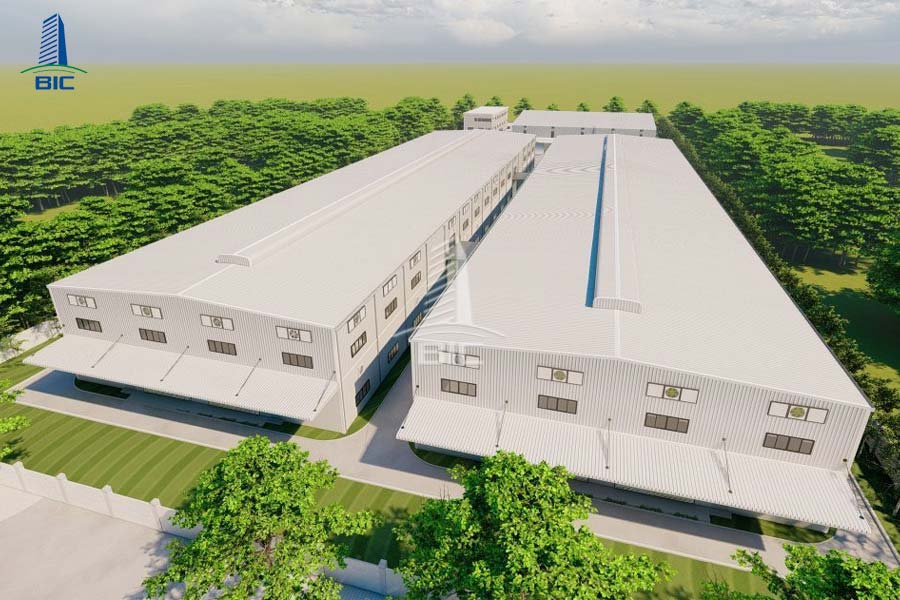
Perspective drawings in factory design help visualize the overall architecture of the factory from the outside, providing a clear view of what the factory will look like after completion. This is a crucial step to ensure aesthetics and harmony with the surrounding environment.
- Overall Visualization: Perspective drawings represent the entire structure of the factory, from roof shape, walls, main doors to details like windows, entrances, and surrounding landscapes.
- Aesthetic and Practical Considerations: Perspective design needs to combine aesthetics with practical elements. For example, the factory's façade should not only be visually appealing but also practical for installing signs, lighting, and maintenance.
In the process of architectural drawing design, technical standards must be strictly followed to ensure safety, sustainability, and compliance with legal regulations.
- Occupational Safety: The drawings must ensure compliance with occupational safety regulations, including designing escape routes, fire alarm and fire protection systems, as well as anti-slip and fall prevention measures in high areas.
- Fire and Explosion Prevention: Fire and explosion prevention standards must be particularly emphasized in the design, from selecting fire-resistant materials to arranging the fire protection system. This includes creating fire-isolated areas, smoke evacuation systems, and handling fire and explosion incidents.
- Environmental Standards: The factory needs to be designed to meet environmental protection standards, including waste and wastewater treatment systems, and noise reduction. These factors should be integrated from the design stage to avoid additional costs later.
Architectural drawing design is a key step in the factory design process. Floor plans, sectional drawings, and perspective drawings need to be carefully crafted to ensure not only space and production process optimization but also full compliance with technical and legal standards. Attention to safety and environmental factors will help the factory operate sustainably and efficiently in the future.
The electrical system is an essential component that determines continuous and safe operations in factory design. The electrical system design must ensure sufficient power supply for all machinery, equipment, and lighting systems.
- Lighting System Installation: The lighting design should optimize light in production areas, warehouses, and offices, ensuring sufficient brightness for effective operations without causing glare. Use energy-efficient LED lights and arrange them appropriately to minimize blind spots.
- Power Supply for Machinery and Equipment: Determine the electrical demand for each production device and ensure the electrical system has sufficient capacity for stable operation, avoiding voltage drops or overloads. The power supply distribution must also be carefully designed for easy maintenance and minimizing fire and explosion risks.
The water supply and drainage system play a crucial role in maintaining production activities and ensuring environmental hygiene in factory design. The fire protection system (PCCC) should also be integrated into this design.
- Water Supply: Design the water supply system to ensure sufficient water for production areas, sanitation, and offices. Pay special attention to installing water tanks and pumps to maintain stable water pressure, even in emergency situations.
- Drainage: The drainage system should be designed to ensure effective water drainage, avoiding flooding in the factory. Drainage ditches must be reasonably arranged and regularly inspected and maintained to prevent blockages.
- Fire Protection System (PCCC): Ensure that the factory is equipped with adequate fire protection equipment such as hoses, fire extinguishers, and automatic fire alarm systems. These systems must be connected to the water supply system to be ready to operate in emergencies.
Ventilation is a critical factor in factory design to ensure a cool and safe working environment for workers. An effective ventilation system will help maintain a stable temperature and control humidity in the factory.
- Ensuring Air Circulation: The ventilation system must be designed to continuously circulate air, remove exhaust gases, and provide fresh air from the outside. For production areas with high temperatures or toxic gases, install strong exhaust systems to protect workers' health.
- Cooling: For factories with high temperatures, integrate cooling systems, which may include industrial fans or air conditioning systems to maintain temperatures at a safe and comfortable level.
- Dehumidification: Especially in storage and production areas sensitive to humidity, dehumidification systems must be installed to protect materials and products from damage due to mold.
The wastewater treatment system in factory design protects the environment, ensuring that wastewater from production processes is treated before being discharged into the environment.
- Environmental Protection: The wastewater treatment system must comply with environmental regulations, including removing pollutants such as chemicals, oils, and solid particles before discharging water into the common drainage system or the external environment. Treatment technology may include filtration systems, sedimentation tanks, and biological treatment.
- Risk Reduction: Design backup systems in case the main system fails, ensuring that no untreated wastewater is discharged. Install sensors and monitoring systems to continuously monitor wastewater quality.
Technical system design in factories is an indispensable part to ensure efficient, safe, and sustainable production operations. The electrical, water, ventilation, and wastewater treatment systems must be carefully designed, complying with technical and legal standards, to protect workers' health and the environment while optimizing operating costs.
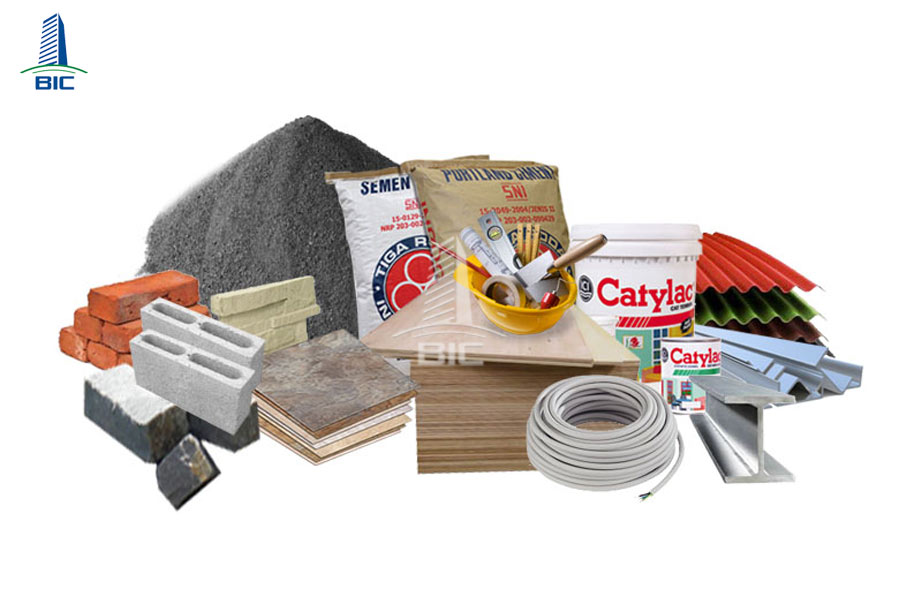
Construction materials play a crucial role in ensuring the quality and longevity of the factory. Material selection should consider the local climate, the factory's purpose, and safety requirements.
- Ensuring Quality: Choose high-quality materials to ensure the building's durability. Materials such as steel, concrete, bricks, and roofing materials must meet construction standards to ensure the factory's longevity. Additionally, the chosen materials should be suitable for the factory's operating environment, such as being resistant to corrosion or moisture.
- Energy Efficiency: Choose materials that help save energy and are environmentally friendly, such as thermal insulation panels, insulated doors, and low-emissivity glass.
- Environmental Standards: Construction materials should meet environmental standards, such as being recyclable or produced using green technology. This helps minimize the factory's environmental impact during both construction and operation.
In the factory design process, balancing quality and cost is crucial. Comparing costs helps you choose the most appropriate option while ensuring the project stays within budget.
- Comparing Material Costs: Obtain quotes from multiple suppliers to compare material costs. When comparing, consider both the price and quality, choosing materials that meet both quality and cost requirements. Be wary of choosing cheap materials as they may lead to increased maintenance and repair costs in the future.
- Cost-Effective Options: Look for cost-effective options that meet both quality and budget requirements. For example, using prefabricated steel structures or standardized construction materials can help reduce costs without compromising quality.
Choosing the right contractor is essential to ensure the project is completed on time, within budget, and meets all quality and safety requirements.
- Selecting Experienced Contractors: Choose contractors with experience in factory construction, with knowledge of specific requirements such as load-bearing capacity, fire protection systems, and environmental protection. An experienced contractor will help ensure the project is completed on time and meets quality requirements.
- Negotiating Contracts: When negotiating contracts, ensure all responsibilities, deadlines, and penalties for delays or non-compliance are clearly outlined. The contract should include detailed terms on construction quality, materials used, construction time, and the contractor's responsibilities.
Material selection and contractor choice are critical factors in the factory design process, directly influencing the project's quality, costs, and timeline. Careful consideration of these factors will help ensure your factory is built with high quality, within budget, and ready to operate efficiently.
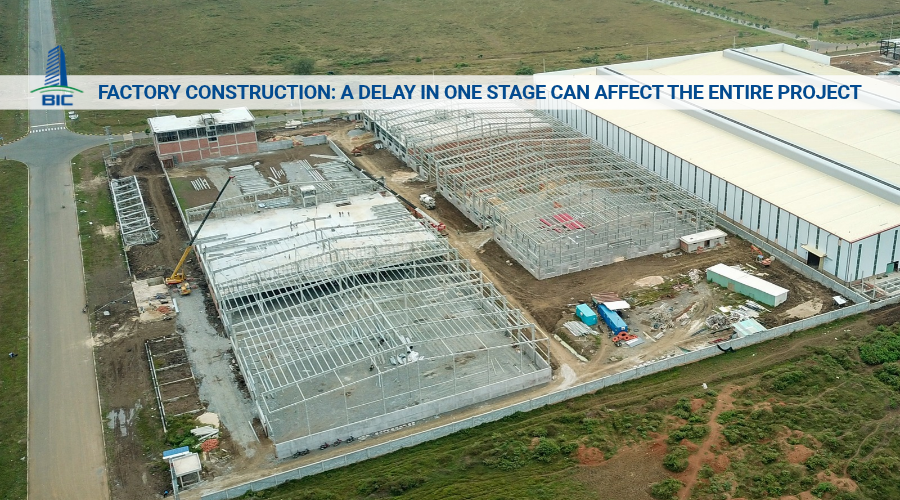
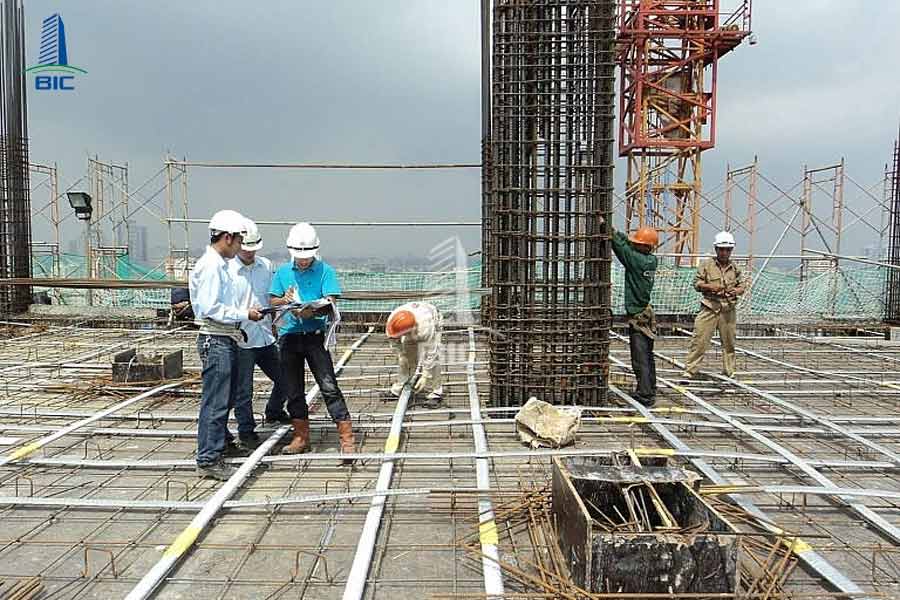
Construction supervision is a crucial step to ensure that the project is built according to design specifications, ensuring quality, safety, and timely completion. Supervision is especially important in factory projects, as technical requirements and safety standards are particularly stringent.
- Monitoring Compliance with Design and Technical Standards: Supervision ensures that construction activities strictly follow the approved design drawings and technical standards. Any deviations from the design must be promptly detected and corrected to ensure the project's quality.
- Ensuring Safety on the Construction Site: The supervisor must ensure that all workers follow safety regulations, such as wearing protective gear, implementing fire and explosion prevention measures, and maintaining a safe working environment. Construction safety is critical to prevent accidents and ensure the project proceeds smoothly.
- Regular Quality Inspections: The supervisor should regularly inspect construction quality, from foundation work, structural assembly, to installing systems such as electrical, water, ventilation, and wastewater treatment. These inspections ensure each stage of the project meets required quality standards.
- Timely Problem Resolution: Construction projects often encounter issues such as delays, material shortages, or weather-related disruptions. The supervisor's role is to promptly identify and address these problems, ensuring the project remains on track.
The quality inspection of each work item is crucial to ensure that all components of the project meet the required standards before proceeding to the next stage.
- Detailed Inspection of Each Stage: The inspection team should thoroughly inspect each construction stage, from foundation, structure, walls, roofing, to internal systems such as electrical, water, and ventilation. Each stage must meet technical and safety standards before proceeding to the next stage.
- Documenting Inspection Results: Inspection results should be documented in detail, noting any issues or deviations from the design. This documentation ensures that any defects or issues are addressed promptly and that the project is built according to specifications.
The project handover and warranty are the final steps in the factory design process, ensuring the project is ready for operation and that any future issues will be promptly addressed.
- Handover Inspection: Before handover, a final inspection should be conducted to ensure that the entire project meets quality standards, is safe for operation, and is ready for use. This inspection includes checking all systems (electrical, water, ventilation, wastewater treatment) and ensuring that all areas of the factory are clean and ready for operation.
- Detailed Handover Documentation: Handover documentation should include all project details, from design drawings, technical specifications, inspection results, and operating manuals for installed systems. This documentation is crucial for future maintenance and operation.
- Warranty and Maintenance: The contractor should provide a warranty for the project, covering defects in construction, materials, or systems. The warranty period should be clearly defined, and a maintenance plan should be in place to ensure the factory operates smoothly in the long term.
Supervision, inspection, and handover are critical steps to ensure the factory is built according to design, meets quality and safety standards, and is ready for efficient operation. A careful approach to these steps will help avoid future issues, ensuring the factory is a reliable and efficient asset to the business.
Factory design is a complex process that requires a deep understanding of engineering, architecture, and manufacturing processes. To ensure that your factory is designed accurately, efficiently, and tailored to the specific needs of your business, collaborating with professional design consultants is the right choice.
BIC will assist you from the initial idea stage, through requirements analysis, to detailed design and construction supervision, ensuring that every aspect of the project is executed flawlessly. Do not hesitate to contact us for maximum support, ensuring that your project will be successful and provide long-term sustainable value.