In this article, together with BIC, we will explore the essential information needed to choose the right construction materials for factories, ensuring the project is not only sustainable but also economically efficient and environmentally friendly.
Selecting the appropriate construction materials for factories is vital and can bring numerous benefits to businesses. Firstly, using standard-compliant materials can enhance the durability of the structure while minimizing future maintenance and repair costs. Moreover, environmentally friendly materials contribute to protecting the surrounding environment, aligning with sustainable development trends.
Additionally, choosing suitable construction materials directly affects the operational efficiency of the factory. Materials with good thermal and sound insulation properties help maintain stable temperature and humidity levels, reducing noise that can impact the health and productivity of workers. This is particularly important for manufacturing industries, as it helps improve product quality and increase business efficiency.
When choosing construction materials for factories, several important criteria need to be carefully considered to ensure the project achieves high quality and optimal efficiency.
The durability of materials is the foremost and most critical factor in building factories. Materials need to have good load-bearing capacity to ensure the factory's structure remains solid against mechanical impacts. Additionally, resistance to wear and heat is crucial. Industrial factories often endure harsh conditions such as high temperatures, humidity, chemicals, and heavy loads, so materials need high durability to ensure long-term longevity and reduce future maintenance and repair costs.
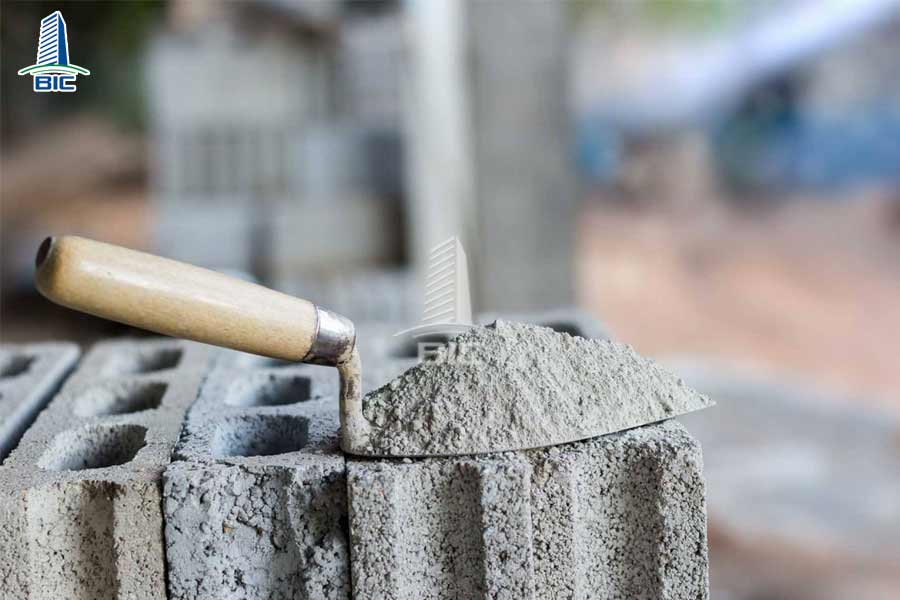
Cost is a key factor in selecting construction materials. The price of materials includes not only the initial purchase cost but also transportation, installation, and maintenance costs. Choosing reasonably priced materials helps optimize the construction budget. However, one should not overlook quality for lower initial costs, as low durability can lead to frequent repairs, resulting in long-term financial waste.
The aesthetics of construction materials also play an important role, especially for factories with high image and branding requirements. Materials with a good appearance, harmonious colors, and a fine finish enhance the business's image, creating a positive impression on customers and partners. Building aesthetically pleasing factories not only increases the project's value but also demonstrates the business's professionalism and reputation.
In today's context, environmental protection is increasingly urgent. Using recycled materials, energy-saving products, and reducing emissions are encouraged trends. Environmentally friendly materials not only help protect the ecosystem but also meet sustainability standards. Choosing such materials is socially significant and helps businesses demonstrate community responsibility, enhancing their reputation and image in the eyes of customers.
In pre-engineered steel building projects, using box steel trusses as construction materials offers higher economic efficiency than wooden or black steel trusses due to several outstanding advantages:
Box steel trusses are five times lighter than black steel trusses, yet maintain superior durability and connection indices. The lightweight nature helps reduce foundation load, significantly saving labor and transportation and installation time. This is especially important in large-scale projects where optimizing the construction process can result in substantial cost savings.
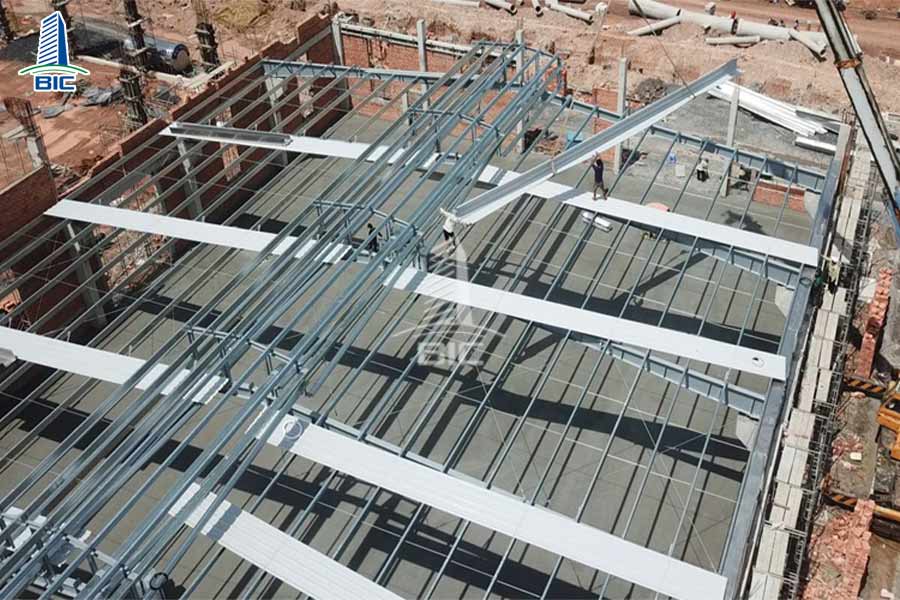
Using box steel trusses as construction materials brings higher economic efficiency compared to other truss types. The lightweight roof structure means the wall frame does not have to bear a heavy load, reducing foundation beam costs and eliminating the need for additional underground concrete to reinforce the wall frame. Moreover, the quick and low-cost installation process further reduces total construction costs, providing an optimal cost solution for factory construction projects.
Box steel trusses are typically coated with a galvanized layer, protecting the material from rust and maintaining its aesthetic appearance over time. This layer not only enhances the factory's aesthetics but also provides a protective barrier against corrosion and termites—something wooden trusses cannot achieve. Especially, box steel trusses can maintain their durability and aesthetics in harsh environmental conditions, creating a safe and sustainable working environment.
Today, factory construction units often prefer using non-combustible materials for industrial factory projects due to their outstanding advantages:
Non-combustible construction materials, especially unburnt bricks, can minimize the impact of external temperatures and enhance energy efficiency within the factory. With high hardness and good thermal insulation, unburnt bricks not only help maintain stable temperatures inside the structure but also offer effective fire resistance and waterproofing. This not only increases the project's durability but also reduces the need for steel reinforcement and shortens construction time, optimizing the construction process.
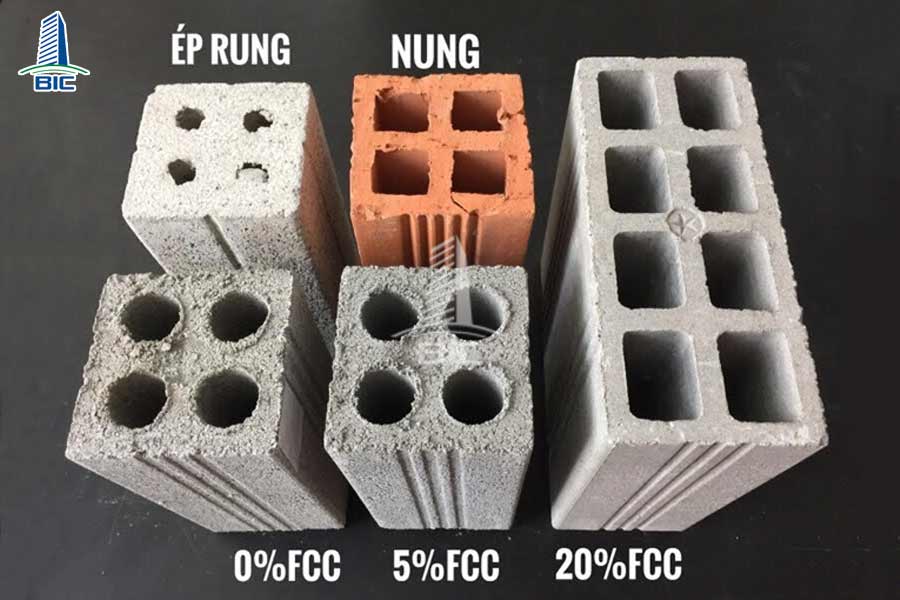
Traditional burnt brick production requires large amounts of clay, estimated at about 1.5 million cubic meters of clay per billion standard burnt bricks. In contrast, unburnt bricks are produced from industrial by-products such as fly ash, slag from thermal power plants, metallurgy, and crushed stone. Utilizing these by-products not only conserves natural resources but also reduces environmental pressure from clay extraction.
The production process of unburnt bricks does not produce pollutants or harmful waste. Unlike burnt bricks, this construction material does not require fuel burning, thus not emitting greenhouse gases and avoiding air pollution. Using unburnt bricks in industrial factory construction projects helps minimize negative environmental impacts, contributing to planet protection and promoting sustainable development.
Currently, the two most common construction materials used for industrial factory roofing are 6-wave square corrugated iron and 11-wave square corrugated iron, each with distinct features and advantages:
Recognizable by its angular and high wave legs, 6-wave square corrugated iron creates stability and enhances water drainage, preventing water accumulation on the roof. With a reinforced wave leg structure, it resists denting and deformation, ensuring durability over time. These advantages make 6-wave square corrugated iron ideal for small to medium-sized industrial factories, where load-bearing and water drainage requirements are not too high but still need durability and stability.
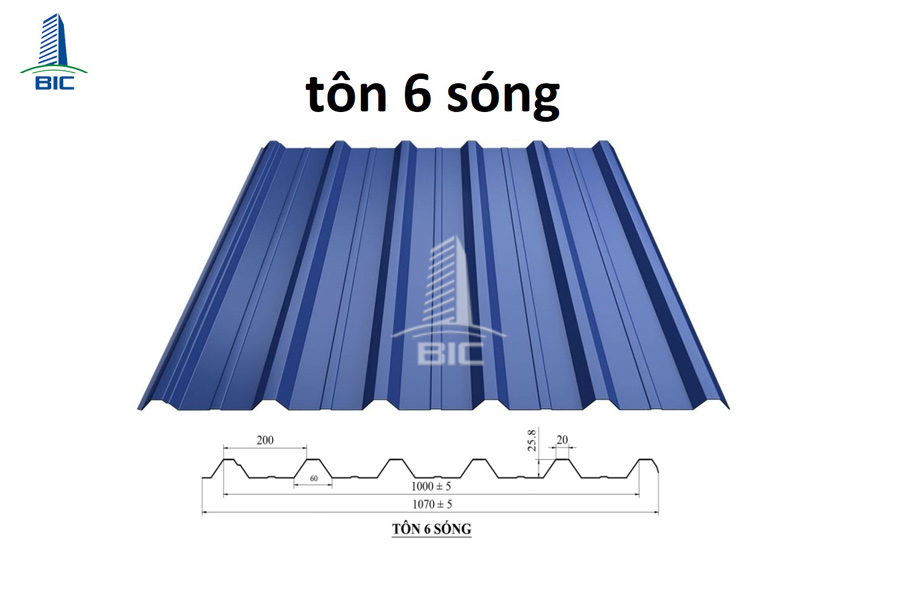
This construction material offers all the benefits of 6-wave square corrugated iron, but with more wave legs, it provides twice the load-bearing capacity and weather resistance. The increased number of wave legs enhances rapid water drainage, effectively preventing water accumulation, especially in harsh weather conditions. With these outstanding advantages, 11-wave square corrugated iron is suitable for large-scale industrial factories, where high load-bearing capacity and rapid water drainage are essential for continuous and efficient operations.
Epoxy paint is a popular construction material widely used in industrial factories due to its outstanding advantages:
Epoxy paint consists of two main components: a curing agent and a coating agent. When combined, they create a durable, high-load-bearing, and anti-slip epoxy coating. The epoxy surface is easy to clean, maintaining a clean and glossy factory floor.
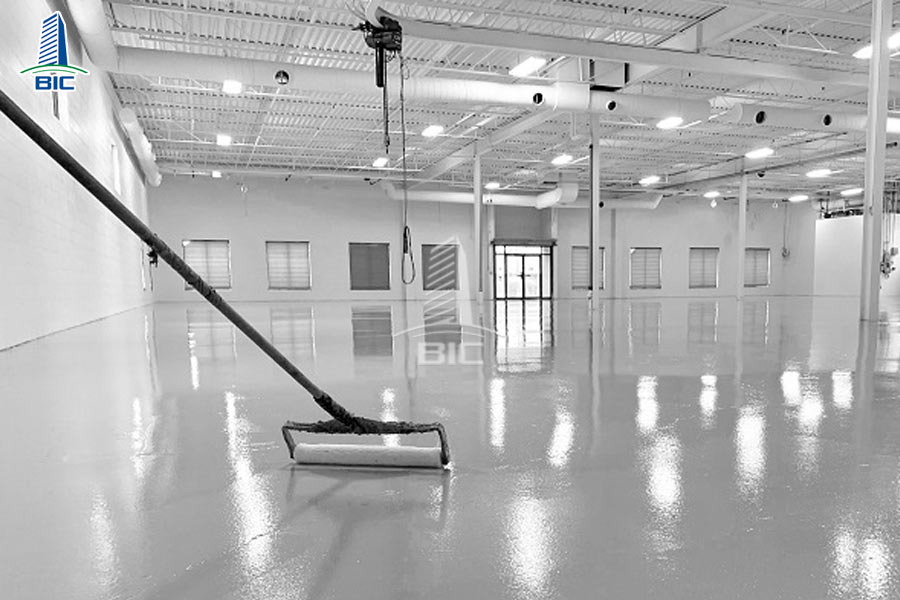
Epoxy paint is specifically used for flooring, helping to create a smooth and level surface. This not only provides an aesthetic finish but also increases grip, effectively preventing slipping. The epoxy layer also creates a dust-resistant coating, making cleaning easy when the surface gets dirty, meeting maximum hygiene and aesthetic requirements in industrial environments.
A prominent advantage of epoxy paint is its excellent waterproofing ability. This feature is crucial for factories with floors frequently exposed to water due to the nature of production work. The epoxy coating protects the floor from water infiltration, preventing issues related to mold, damage, and ensuring long-term durability of the project.
Although steel trusses are highly stable, choosing suitable connection materials is crucial for ensuring the project's stability and durability. The two most popular and widely used connection materials in industrial factory steel structures today are bolts and Sika:
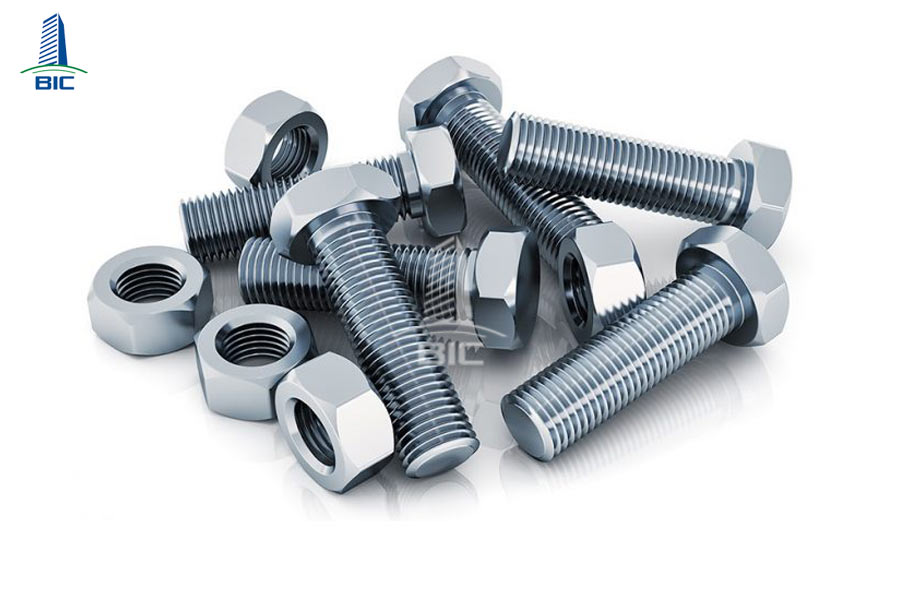
Bolts are essential accessories for connecting columns and trusses, indispensable in factory construction. Bolts used as construction materials have a durability rating of up to 8.8, ensuring high load-bearing capacity. Specifically, self-shearing bolts S10T are most commonly used for truss-to-purlin connections, while bolts M12 are preferred for truss-to-steel connections.
In modern industrial factory roof designs, steel trusses are often connected to concrete columns. Sika is a crucial material for this purpose, acting as a bonding agent between steel and concrete, ensuring a solid roof structure. Sika combines high-strength epoxy resin and sealing compounds to create a perfect solvent-free bond, ensuring a tight connection between steel purlins and concrete.
Choosing construction materials for factories is decisive for the project's quality, especially for large-scale industrial factory projects with stringent material requirements. Therefore, when purchasing materials for factories, prioritize reputable suppliers to ensure quality. Additionally, purchasing according to the design estimate is necessary to avoid shortages that affect project progress or excesses that cause waste.