Factory design plays a crucial role in ensuring production efficiency and minimizing operating costs. A well-planned construction project not only optimizes space usage but also provides a safe and comfortable working environment for workers, thereby enhancing production efficiency. Conversely, design flaws can lead to serious problems such as wasted space, high maintenance costs, and increased risk of work accidents. In this article, BIC explores ways to address common issues in factory design.
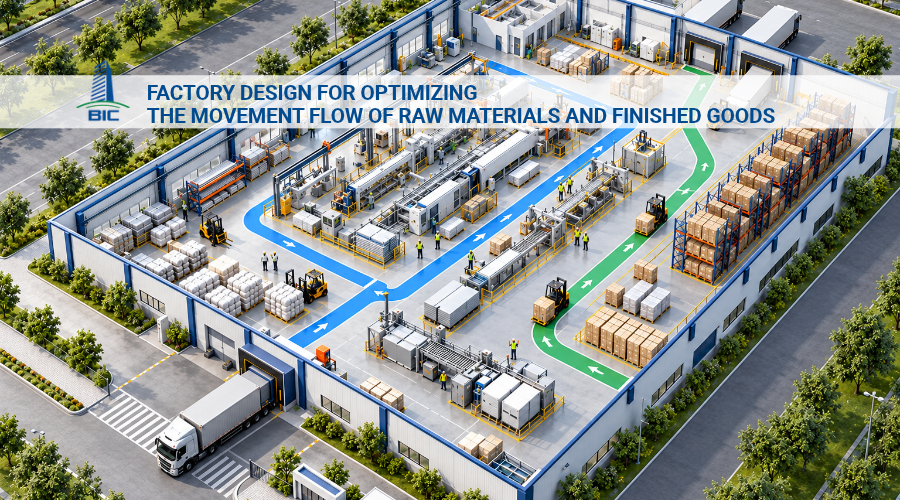
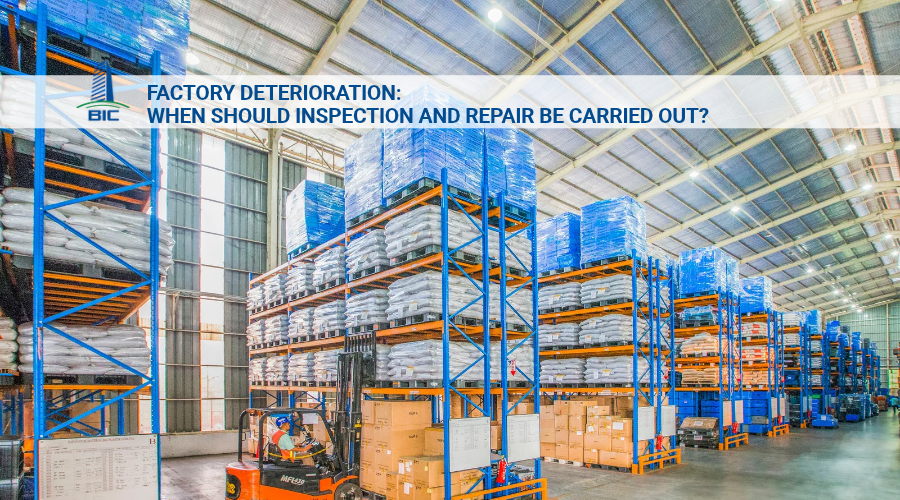
A common issue in factory design is the inefficient layout of space, leading to wasted area and reduced production efficiency. For example, the illogical arrangement of machinery, equipment, and work areas can severely impact production efficiency. This not only wastes resources but also increases the risk of work accidents. Therefore, improving space layout not only enhances productivity but also significantly reduces operating costs.
- The factory layout should facilitate easy movement, operation, and maintenance of machinery. This optimization of work processes reduces the risk of work accidents.
- Maintaining safe distances between functional areas is essential to prevent incidents and ensure a safe working environment.
- Hazardous areas should be isolated and clearly marked to enhance worker safety awareness and prevent potential risks.
- Adequate drainage and ventilation systems should be designed to ensure a clean, cool, and safe working environment.
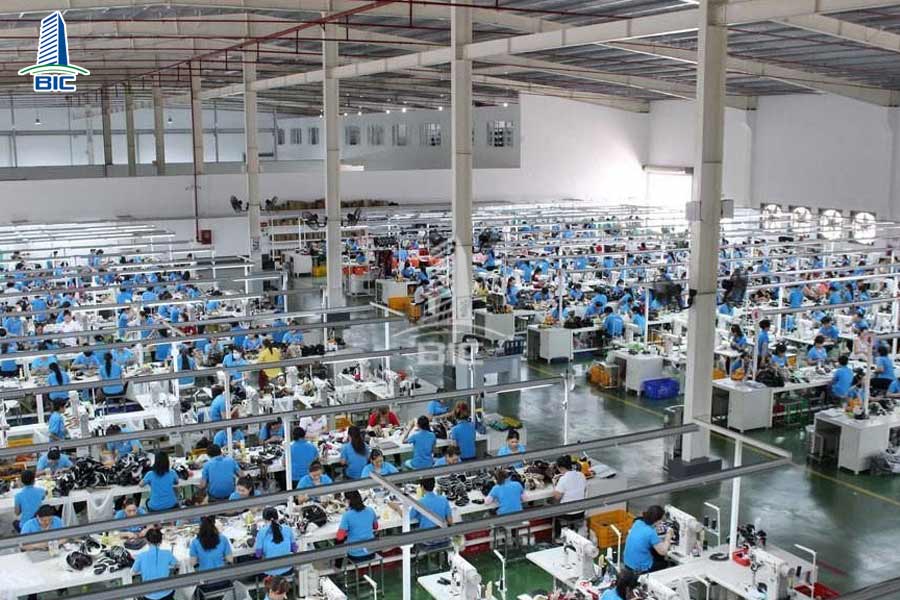
The lighting system in factory design is crucial for ensuring good working conditions for workers. However, many factories face issues with insufficient or excessive lighting, uneven lighting, which can cause eye strain and reduce work efficiency. The primary cause of this is the improper use or arrangement of lights.
Insufficient lighting affects workers' ability to see and perform tasks, increasing the risk of errors and work accidents. On the other hand, excessive lighting can cause eye strain, glare, and distraction. Additionally, uneven lighting in factories can affect productivity and work quality. Therefore, designing factories with appropriate lighting systems that ensure adequate and uniform brightness is vital for enhancing the efficiency of industrial spaces.
Ventilation and air conditioning in factory design are essential for ensuring a comfortable and safe working environment for workers. Lack of proper ventilation or insufficient air conditioning capacity can lead to stuffiness, affecting workers' health and performance. Additionally, inadequate ventilation systems can cause the accumulation of dust and harmful gases, damaging equipment.
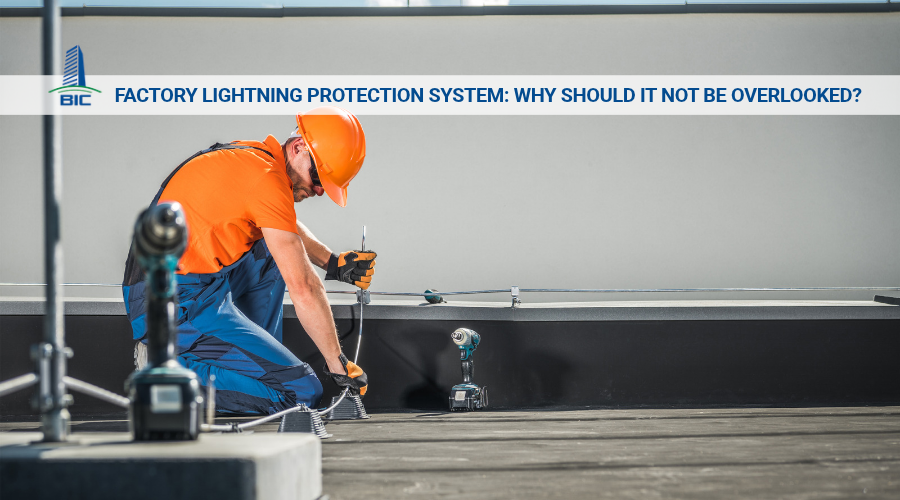
The electrical system in factory design must be safe and efficient. However, many factories face issues with unsafe electrical systems, lacking preventive measures like circuit breakers and shock-proof outlets. Electrical systems that are not regularly inspected and maintained can lead to serious electrical incidents. This can result in electrical failures such as short circuits, electric shocks, or fires, posing risks to workers.
Additionally, the absence of preventive measures such as guidance, warnings, or personal protective equipment can increase the risk to workers' health and safety.
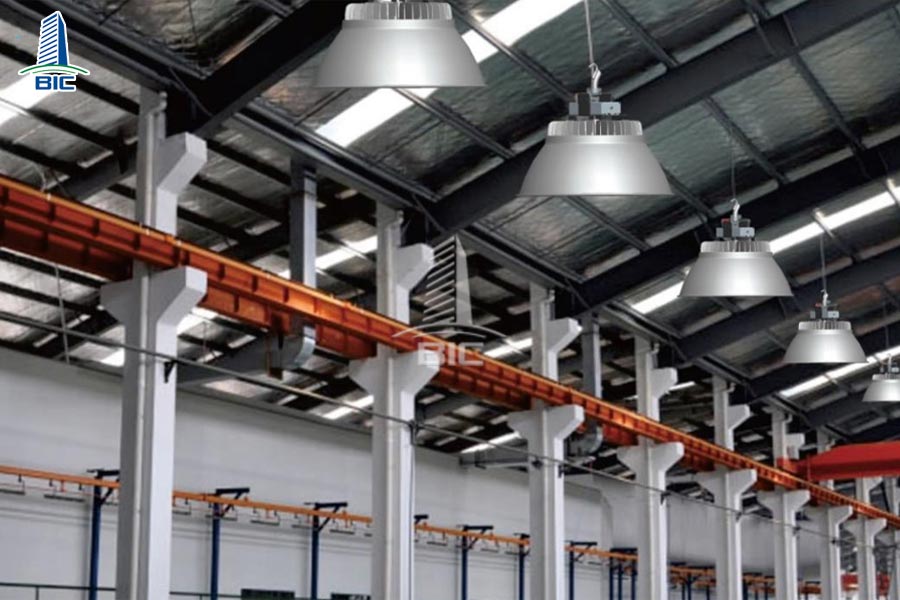
Water supply and drainage systems are critical for maintaining a clean and safe working environment. Many factory designs lack effective wastewater treatment systems, leading to environmental pollution and health risks for workers. Inadequate water supply systems can cause inconveniences and affect operational efficiency.
In factory design, using low-quality or unsuitable building materials for the environment and production conditions can lead to issues such as rapid deterioration, high maintenance costs, and safety problems. Incorrect material selection can reduce the lifespan of the facility and affect the factory's operational efficiency.
Using design software to detail space simulation is an effective solution for optimizing space layout in industrial factory design. Modern CAD/BIM software allows for detailed simulation of spaces, equipment, material flows, etc. Using optimization tools in the software, you can find the optimal layout for functionality, efficiency, and aesthetics. Additionally, simulating operational scenarios helps assess the feasibility and efficiency of the layout, allowing for adjustments to best suit production needs.
To improve lighting systems in factory design, energy-saving LED lights should be installed, and natural light should be maximized. This not only reduces energy costs but also creates a comfortable working environment for workers. Maximizing natural light through windows, skylights, and glass walls helps reduce energy costs and create a well-ventilated, friendly workspace. Combining artificial and natural lighting systems ensures adequate brightness and energy savings.
Regular inspection and maintenance of the lighting system are also crucial. Conduct a full inspection of the lighting system at least every six months, clean, and replace damaged bulbs and ballasts to maintain optimal brightness. Checking and adjusting lighting controls and sensors also ensures efficient operation. Keeping records of system status and maintenance history helps manage and maintain the lighting system's performance in the long term. Applying these measures increases lighting efficiency, saves energy, and extends the lighting system's lifespan.
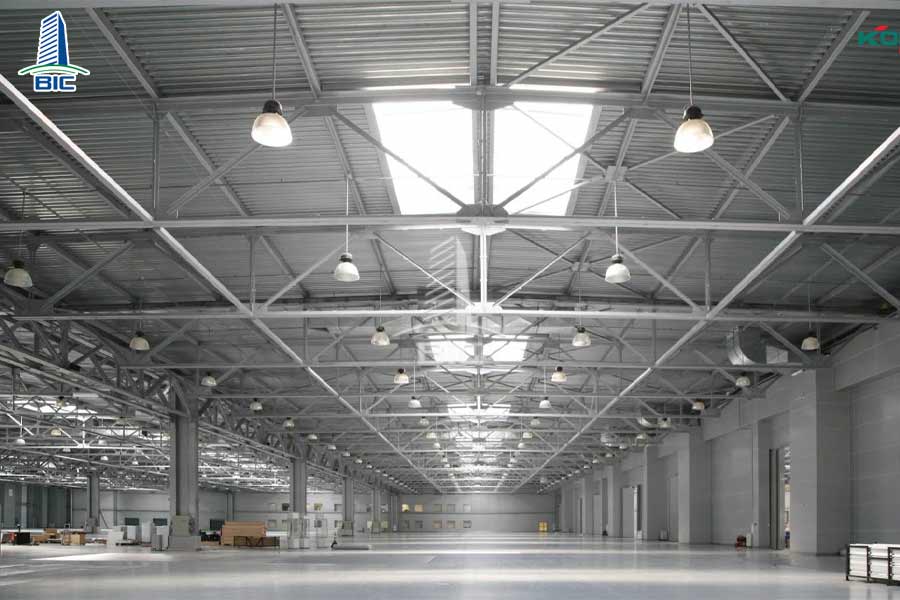
Using modern ventilation and air conditioning systems in factory design is an effective solution to improve the working environment. To achieve optimal efficiency, choose modern, energy-saving ventilation and air conditioning equipment. Prefer systems using inverter technology and environmentally friendly refrigerants. Additionally, consider systems with smart features like automatic temperature, humidity, and air quality control.
Ensuring good ventilation and even air conditioning throughout the factory is also crucial. Design factories with ventilation systems suited to the area, the number of workers, and equipment. Properly arrange entrances, ventilation ducts, and air conduits to ensure good air circulation. To ensure efficiency, install sufficient and appropriately sized air conditioning units to evenly distribute temperature and humidity.
Regularly monitoring and checking the system's operation for timely repairs and maintenance is also important. Upgrading the ventilation and air conditioning system will improve air quality, create a comfortable and productive work environment for workers.
To ensure the safety and efficiency of the electrical system in factory design, the following solutions are important:
- Installing electrical safety protection devices: Establishing a safe grounding system to prevent static electricity and heat dissipation. Installing automatic circuit breakers like CB, RCD, MCCB, MCB at appropriate locations is necessary. Additionally, using isolation devices like circuit breakers, relays, and overload protection devices to protect the system from potential incidents.
- Regular inspection and maintenance of the electrical system: Periodically inspect connection devices, wires, and electrical cabinets. Regularly check insulation resistance, grounding resistance, and leakage current to detect and promptly address issues. Timely maintenance, cleaning, and replacement of damaged components are crucial for maintaining the system's performance and reliability.
These measures not only ensure the electrical system operates safely and stably but also minimize the risk of electrical fires and accidents, and extend the lifespan of electrical equipment in the factory.
Installing efficient wastewater treatment systems and ensuring sufficient and stable water supply systems address issues related to water supply and drainage in factory design.
- Installing efficient wastewater treatment systems: Design factories with wastewater treatment systems suitable for the flow and composition of the factory's wastewater. Install treatment devices like grease traps, settling tanks, and biological tanks to ensure wastewater meets standards before discharge. Regularly cleaning and maintaining this system is also crucial for maintaining operational efficiency.
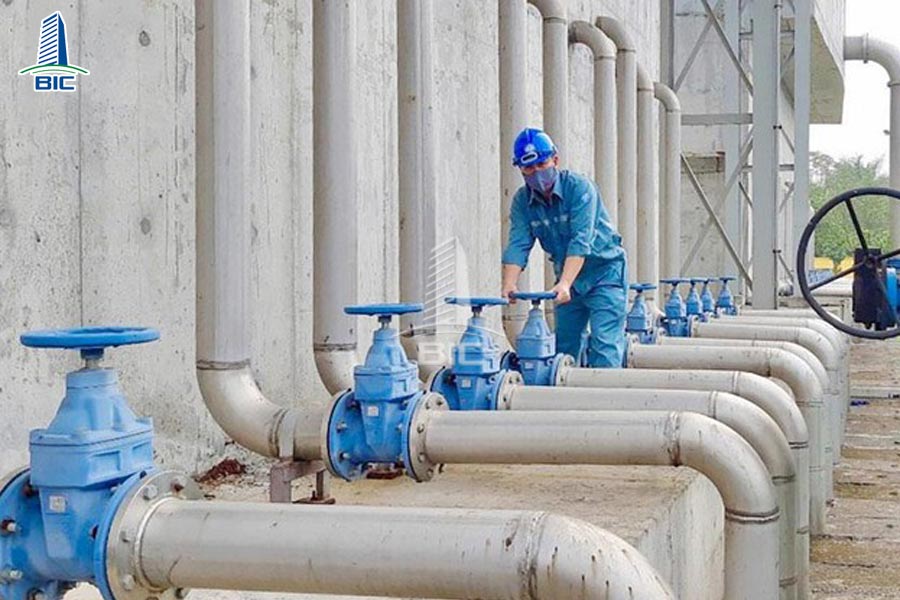
- Ensuring sufficient and stable water supply systems: Accurately assess the factory's water usage needs and design a water supply system with adequate capacity. Use appropriate pumps, valves, and pipelines to prevent water loss. If necessary, install filtration and treatment systems for incoming water to ensure quality. Regularly checking and maintaining the water supply system also plays an important role in maintaining the system's performance and reliability.
These measures not only effectively address issues related to clean water supply and wastewater treatment but also protect the environment and ensure workers' health in the factory. These are very important requirements that need to be carefully and fully implemented during the factory's operation.
Professional factory design not only optimizes production efficiency but also ensures safety and reduces operating costs. Applying modern technologies and design methods brings long-term benefits to businesses. Therefore, choosing a professional factory design company is crucial. They can offer optimal solutions, help avoid common mistakes, and ensure all safety and environmental standards are fully met.