Choosing a contractor is a critical step that directly impacts the quality and efficiency of any construction project. However, this process often carries significant risks if not approached with caution. In reality, many investors make common mistakes when selecting construction contractors, leading to severe consequences such as increased costs, prolonged construction timelines, and compromised overall quality of the project.
In this article, BIC will provide an in-depth analysis of these common mistakes and offer practical solutions to help you make informed decisions, ensuring the success of your project.
One of the most frequent mistakes is prioritizing contractors who offer the lowest price without thoroughly evaluating their quality and capabilities. This often results in:
- Compromised construction quality: Low-cost contractors may use substandard materials or cut corners on labor, directly affecting the durability and safety of the project.
- Increased repair costs: Poor-quality construction tends to degrade quickly, leading to expensive repairs or upgrades in the future.
For example, an industrial facility project in Industrial Zone A encountered severe issues shortly after the warranty period ended. The root cause was traced to the contractor’s use of substandard materials to save costs, forcing the investor to allocate additional funds for repairs.

Neglecting to thoroughly check a contractor’s qualifications is a common reason many projects fail to meet expectations. A reputable contractor should meet the following criteria:
- Clear credentials: Documents such as business licenses, capability profiles, and liability insurance not only verify the contractor's legitimacy but also demonstrate professionalism in the collaboration process. Additionally, their portfolio should include completed projects with positive feedback from previous clients.
- Relevant experience: For complex projects like industrial facilities, contractors should have a proven track record of handling similar projects.
Skipping this step may lead to partnerships with inexperienced contractors, resulting in delays or subpar quality. Research indicates that over 40% of projects experience extended timelines due to contractors' inability to address unforeseen issues effectively.
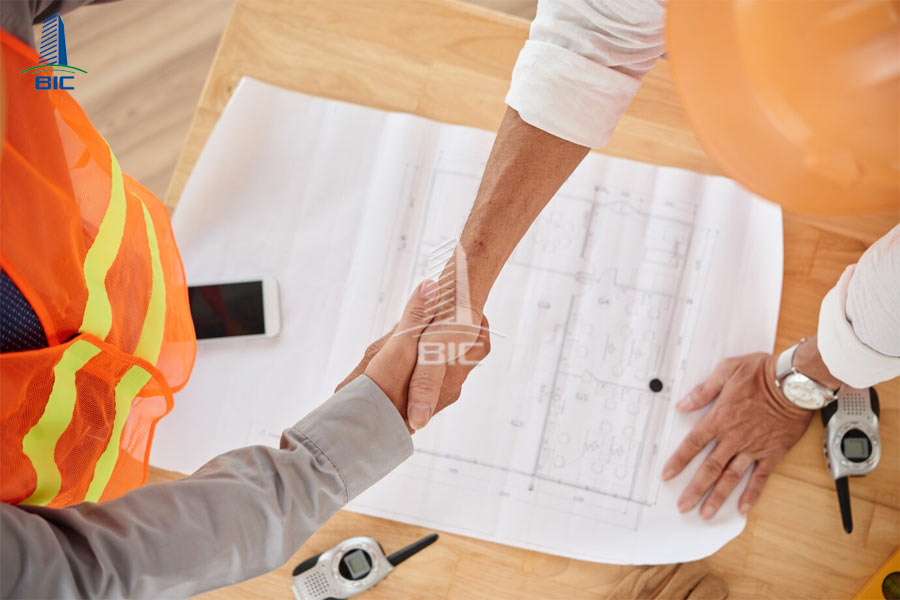
Contracts are crucial for safeguarding the rights of both parties during the collaboration process, yet they are often underestimated. Common mistakes in contract drafting include:
- Omitting specific timelines and deadlines: This can allow contractors to delay work without accountability.
- Lack of warranty clauses: This leaves investors unsupported when issues arise after the project is completed.
- Failing to address additional costs: This increases the risk of financial disputes during construction.
To mitigate risks, contracts should be detailed and include clear terms regarding responsibilities, rights, timelines, and warranty provisions.
Not arranging regular project supervision is a critical error that directly affects the quality and timeline of the project. Many investors believe that entrusting the contractor entirely is sufficient. However, the absence of supervision can lead to the following:
- Compromised quality: Without regular oversight, contractors may use low-quality materials or fail to adhere to design and technical standards, posing significant risks for crucial elements like foundations, load-bearing structures, and technical systems.
- Construction delays: Without supervision to monitor and expedite progress, contractors may lose focus or delay the project, disrupting the investor's operational plans.
- Uncontrolled costs: Lack of supervision also weakens financial management, leading to unnecessary or unreasonable expenses and escalating the project budget uncontrollably.
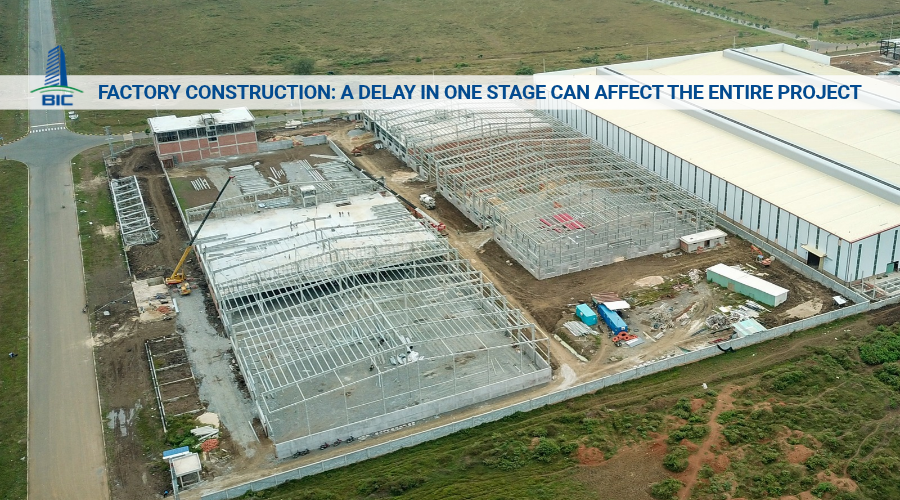
For instance, a factory project faced substantial losses when it was discovered that the steel structure did not meet standards due to insufficient supervision. The cost of rectification and delay was double the original plan.
To ensure project quality and timelines, investors should engage a professional supervision team or collaborate with experienced consultancy firms. Supervisors not only ensure quality but also address emerging issues promptly, aligning the project with the planned schedule and standards.
Selecting the right contractor requires careful evaluation based on specific criteria:
- Reputation and experience: A reputable contractor should have a portfolio of completed projects with positive client feedback. Experience in similar projects to yours is also crucial for effective problem-solving.
- Legal operating license: Business licenses and professional certifications validate the contractor’s legitimacy and professionalism.
- Skilled workforce and financial capacity: A professional contractor must have a competent team of engineers and workers, as well as the financial stability to execute projects on schedule and with high quality.

Contracts and warranty policies play a vital role in protecting the investor’s interests:
- Importance of warranty clauses: Clear warranty policies ensure that the contractor is responsible for addressing issues arising after project handover, particularly for technically demanding projects.
- Detailed contract review: Investors should pay close attention to terms such as construction timelines, additional costs, materials used, and quality commitments. If necessary, seek assistance from experts or legal advisors to avoid unnecessary risks.
Choosing the right contractor is not just a significant decision but also a critical factor determining a project’s success. Mistakes like prioritizing low costs, neglecting legal documentation, or failing to supervise construction often result in severe consequences such as poor quality, unexpected expenses, and delays.
Don’t let these mistakes derail your plans and projects. Contact BIC – a trusted provider of industrial facility design and construction services. We are committed to delivering optimal solutions, from free consultations to complete project execution.