A general construction contractor is the principal entity responsible for executing all aspects of a construction project, from design and supervision to execution and handover. Acting as the central coordinator and manager, the contractor plays a pivotal role in connecting stakeholders, from investors to subcontractors, ensuring the seamless integration of all project elements.
To maintain construction quality and uphold credibility, it is imperative to establish strict conditions for general contractors. These prerequisites not only minimize risks during construction but also enhance a company’s competitiveness in the industry.
A general construction contractor undertakes the full scope of responsibilities related to a construction project, contruction design, execution, management, and progress supervision. Legally, such contractors must possess sufficient professional and legal capabilities to execute large-scale projects, ensuring that every stage from preparation to completion complies with established standards.
- Construction Supervision: The general contractor has the authority to monitor and control construction methods and resources within the project's entire scope to ensure quality and progress.
- Subcontractor Adjustment: When necessary, the general contractor can replace or supplement subcontractors to ensure work efficiency, with the investor’s approval.
- Subcontractor Selection: The general contractor is entitled to organize bidding processes and select subcontractors that meet contractual conditions, ensuring compliance with legal regulations.

- Organization and Coordination: The general contractor is responsible for coordinating subcontractors, effectively utilizing resources, maintaining the construction site, and ensuring site security and order.
- Planning and Execution: Collaborating with investors to develop plans, agree on timelines, and implement payment processes as per contractual agreements.
- Material and Equipment Supply: Ensuring the provision of adequate materials and equipment in alignment with contractual schedules.
- Quality Management: Supervising the quality and progress of work to meet construction quality management standards.
- Safety and Environmental Protection: Ensuring workplace safety, fire prevention, and implementing environmental protection measures on-site.
- Technology Transfer and Training: Cooperating with investors to train personnel, transfer technology, and hand over technical documents for project operation and maintenance.
- Completion and Handover: Conducting testing, adjustments, trial operations, and handing over the project to investors per regulations.
- Project Warranty: Complying with government regulations on project warranty procedures.
- Legal Accountability: Bearing full responsibility before the law and investors regarding the quality, timeline, and all contractual obligations.

A general contractor must possess a highly qualified team of engineers and workers with practical experience in large-scale construction projects. This team should be capable of handling complex project demands, from supervision and management to ensuring construction quality. Additionally, the contractor must hold all necessary professional certifications and legal permits as stipulated by law to protect both the business and clients, while building trust and credibility in the market.
Financial capability is another critical criterion. The contractor must have strong financial resources to mobilize capital for large projects, ensuring uninterrupted progress during execution. Transparent and accurate financial reports are required to demonstrate the company’s solvency. Maintaining financial stability helps avoid disruptions in payments to subcontractors, labor, and material suppliers, enabling projects to remain on schedule and fostering sustainable relationships with partners and investors.
General contractors need to own or have access to standard construction equipment, ranging from basic machinery to advanced technologies tailored for the project. Investing in high-quality equipment not only ensures project progress but also enhances construction quality. Leveraging advanced technologies, such as construction management software or Building Information Modeling (BIM) in design and supervision, improves project efficiency, reduces errors, and optimizes construction processes.
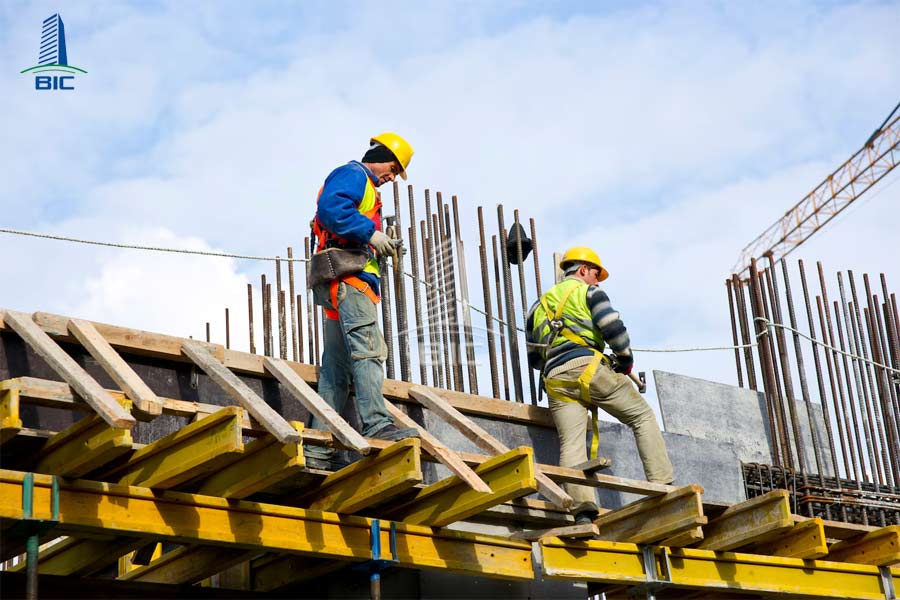
Practical experience is a cornerstone for demonstrating a general contractor’s capability. Success in previous large-scale projects, with consistent quality and timely delivery, is essential. Risk management ability is equally important to prevent project delays caused by unforeseen circumstances. Contractors must devise specific solutions to mitigate risks ranging from financial and technical challenges to natural disasters or market fluctuations.
General contractors must adhere to construction laws, ensuring all operations are lawful and meet quality standards. Issues related to labor safety and environmental protection must also be rigorously implemented. Contractors are responsible for creating a safe working environment, minimizing occupational accidents, and addressing other risks. Simultaneously, environmental protection throughout the construction process must be prioritized to prevent adverse impacts on surrounding areas.
To become a reputable general construction contractor, enterprises must meet all necessary conditions to manage and execute projects effectively. If you are looking for a reliable partner to consult and execute quality construction projects, contact BIC. With years of experience and a team of knowledgeable experts, BIC is committed to delivering perfect design, construction, and project management solutions, helping you achieve sustainable success.