When embarking on any construction project, choosing the right contractor is the most important step. A construction contractor is not just the one who executes the construction tasks but also serves as a strategic partner, ensuring the quality, progress, and financial efficiency of the project. A reputable and experienced contractor helps investors minimize risks, optimize costs, and ensure that the project is completed as planned.
A construction contractor is the entity responsible for executing the construction tasks according to the technical requirements and schedule of the project. They play a key role in organizing, managing, and coordinating all activities on the construction site, from supplying materials to supervising workers. Contractors are often categorized as main contractors, subcontractors, and specialized contractors, each handling specific tasks depending on the scale and requirements of the project. Therefore, a good contractor not only ensures the quality of the work but also optimizes the construction process in the most efficient way.
Construction contractors play a vital role not only in completing the work but also in many other aspects of the project. Below is an analysis of each specific aspect to highlight the role of the contractor.
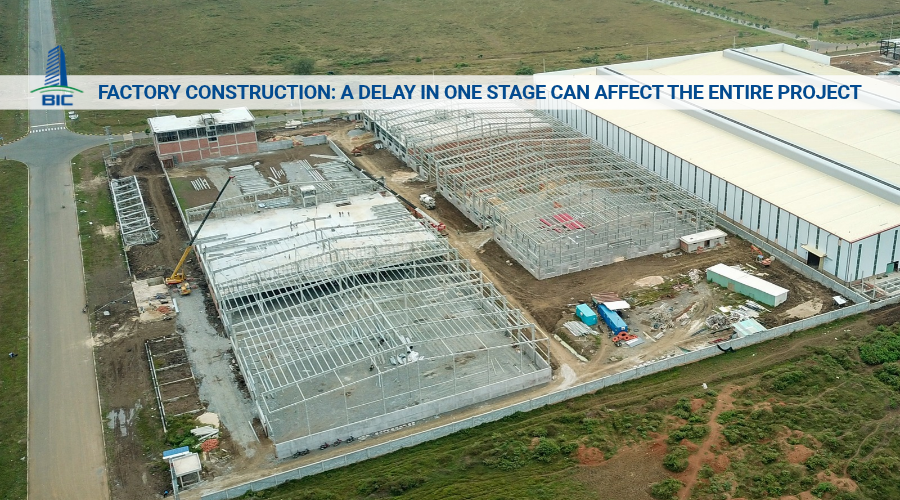
The contractor is primarily responsible for planning in detail and executing the construction tasks. This includes mobilizing manpower, equipment, and managing time to fit the schedule. For example, in a factory construction project, if the contractor fails to meet the progress, the investor may face additional costs such as wages for workers, equipment rental fees, and even penalties for late delivery. Delayed progress can directly affect the factory's production schedule and revenue once operational.
The quality of the work largely depends on the contractor's knowledge and experience. A skilled contractor will fully understand the technical processes from design to execution, ensuring that the project is completed to the required standards. For example, when constructing a factory, choosing the right materials and foundation construction techniques is extremely important. If the contractor uses substandard materials or incorrect procedures, the foundation may settle, affecting the entire structure of the building.

The construction contractor also directly manages the project's budget. They must closely monitor all expenses to ensure that costs are controlled within the set limits. Without a clear financial plan, the project risks unexpected cost overruns. For example, during the construction of a factory in an industrial park, if the contractor fails to manage material costs properly, price fluctuations in steel or cement could inflate the budget by hundreds of millions of VND. This forces the investor to adjust the entire financial plan.
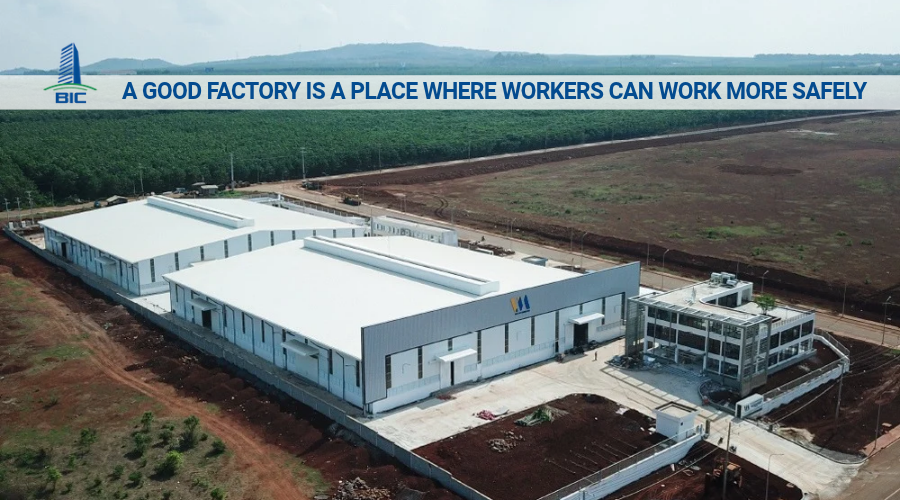
An experienced contractor not only focuses on progress and quality but also places great emphasis on labor safety. In large projects, the risk of accidents is always present, from falls from heights, machinery accidents, to exposure to hazardous chemicals. If safety is not ensured, the project may be halted, leading to significant financial and reputational losses. For example, in a high-rise construction project, failure to fully equip safety measures such as nets and protective harnesses can cause accidents, disrupting progress and even leading to fatalities.
During the construction process, unforeseen circumstances such as bad weather, material shortages, or legal issues are inevitable. A professional contractor will have the ability to handle these situations quickly, offering alternative solutions to ensure the project is not delayed. For instance, when constructing in a region prone to frequent storms, the contractor may prepare waterproofing and drainage measures in advance to prevent the site from flooding, which could cause damage during construction.
Thus, the construction contractor is not just a builder but a strategic partner ensuring the project's progress, quality, cost, and safety. A reputable and experienced contractor helps the investor feel more secure, leading to long-term success for the project.
Partnering with a reputable construction contractor provides the investor with numerous benefits, not only in terms of project quality but also in overall project management efficiency. Let’s take a deeper look to understand the value that a reputable contractor brings:
- Superior Work Quality: Reputable contractors always focus on ensuring the quality of the project according to stringent technical standards. They have a team of highly skilled engineers and workers and use standard-compliant materials, ensuring the project’s long-term durability.
- Saving Time and Costs: Thanks to their extensive experience in the industry, reputable contractors can quickly predict and resolve arising issues, helping the project avoid delays or cost overruns.
- Minimizing Risks During Construction: Reputable contractors often follow professional procedures from site surveys to detailed planning and project supervision. This minimizes construction errors or unwanted risks.
- Compliance with Legal and Safety Standards: Another important benefit of working with a reputable contractor is that they ensure full compliance with legal requirements and labor safety standards. Reputable contractors always prioritize safety measures for workers, protecting their health and lives during the work process.
- Legal Support and Related Documentation: A reputable contractor not only provides technical support but also assists the investor in completing legal procedures such as construction permits, ensuring the legality of the project. For large projects like industrial zones or factories, meeting legal requirements such as environmental impact assessments and fire protection is highly complex. An experienced contractor will guide the investor through these procedures quickly and accurately, helping the project obtain permits and operate without facing future legal issues.
The benefit of partnering with a reputable construction contractor lies in ensuring that the project is executed on schedule, of high quality, and fully compliant with legal regulations. This helps the investor avoid risks during construction and operation while optimizing costs and time, providing absolute peace of mind throughout the project.

1. Construction Experience and Capability: Experience and construction capability are always decisive factors when selecting a contractor for a construction project. With a variety of firms on the market, preference should be given to those with many years of experience in your desired field. For example, if your project involves building a factory, select contractors experienced in industrial factory construction.
2. Reputation and Brand: A reputable and well-known contractor in the market usually offers peace of mind regarding quality and after-construction services. Refer to reviews from previous clients or partners to ensure this.
3. Financial and Workforce Capacity: A contractor’s strong financial capacity ensures a stable capital flow for the project, from materials to labor. Additionally, the contractor's engineers, architects, and labor force must be evaluated for their technical qualifications and practical experience.
4. Professional Working Procedures: A clear and transparent process from consultation, design, construction to handover and warranty will give investors confidence about the progress and quality of the work.
5. Competitive Pricing: While pricing is always a consideration when choosing a contractor, it should not be the sole focus. Consider factors such as material quality, craftsmanship, reputation, and accompanying services.
6. Communication and Service Attitude: A professional contractor should not only possess technical skills but also maintain an open attitude, always ready to listen and address customer concerns.
7. Expert Consultation: If you lack experience in construction, seeking advice from reputable experts or architects can provide valuable information and useful recommendations.
Construction contractors play a crucial role in every project, ensuring success and efficiency from planning, construction to handover. Making the right choice not only helps optimize costs, ensures quality but also brings peace of mind to the investor. Contact BIC – a reputable construction contractor, to ensure your project is carried out smoothly, on schedule, and with the highest quality!