In the rapidly growing food industry, ensuring food safety has become a top priority. An industrial facility meeting ISO 22000 standards not only ensures a clean and safe production process but also enhances the company's reputation with partners and customers. With years of experience in design and construction, BIC are committed to providing optimal solutions to help your business achieve ISO 22000 certification, ensuring quality and production efficiency.
ISO 22000 is an international standard for food safety management systems. This standard, established and issued by the International Organization for Standardization (ISO), aims to ensure food safety throughout the entire supply chain, from production to consumption.
Achieving ISO 22000 certification ensures food safety, which enhances product quality and reduces food safety risks. This not only protects consumer health but also increases customer trust and brand credibility. Compliance with ISO 22000 helps optimize production and management processes, reduce waste, and improve efficiency. By implementing strict control processes and quality management systems, businesses can minimize errors, save costs, and boost productivity. ISO 22000 certification also opens up opportunities to access international markets where food safety standards are mandatory, helping businesses expand their market share, increase revenue, and develop sustainably in a competitive environment.

Selecting the right location for constructing a facility is crucial to ensuring product quality. Areas prone to food contamination, such as those near dust or chemical sources or high traffic zones, should be avoided. Facilities should be built in areas less affected by contamination factors to protect food safety.
Facilities should be placed away from:
- Polluted Areas: Avoid locations near pollution sources or industrial and residential activities that could contaminate food, such as waste processing plants or garbage dumps.
- Flood-Prone Areas: Sites prone to flooding or water accumulation can lead to hygiene issues and promote harmful microorganisms. Therefore, selecting elevated, flood-resistant locations is essential.
- Waste Disposal Areas: Facilities should be situated away from areas with solid or liquid waste that cannot be effectively managed, as these areas could cause contamination and affect product quality.
Water Drainage System: The internal layout of the facility should include an effective drainage system to prevent water accumulation and contamination. This ensures cleanliness and maintains a hygienic working environment.
Water Supply: Clean water must be ensured and sufficient for the facility's production needs. Water should be regularly tested to ensure it is free from contaminants or microorganisms that could affect food products.
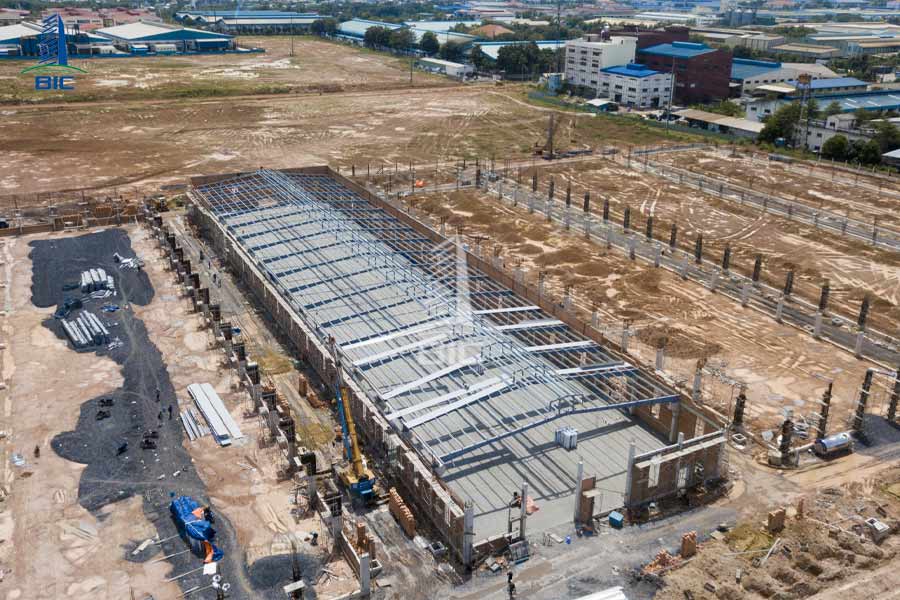
- One-Way Flow Design: Food production and processing areas should be designed with a one-way flow principle, from raw material reception to processing, packaging, and finished product storage. This principle helps prevent cross-contamination between stages, minimizing the risk to product quality.
- Separation Between Areas: To ensure hygiene and avoid cross-contamination, there should be clear separation between different areas such as raw material reception, preparation, processing, packaging, storage, sanitation, changing rooms, and staff dining areas. This helps prevent the spread of microorganisms and contaminants.
- Storage Areas: Storage areas for raw materials and finished products should be designed to meet the specific requirements of each type and prevent pest and animal intrusion, ensuring optimal storage conditions.
- Compatibility with Technology and Products: Facility design and layout should align with production technology and product types to prevent cross-contamination. Production processes, handling, and product processing should be arranged efficiently to minimize contamination risks and ensure effective, safe production.
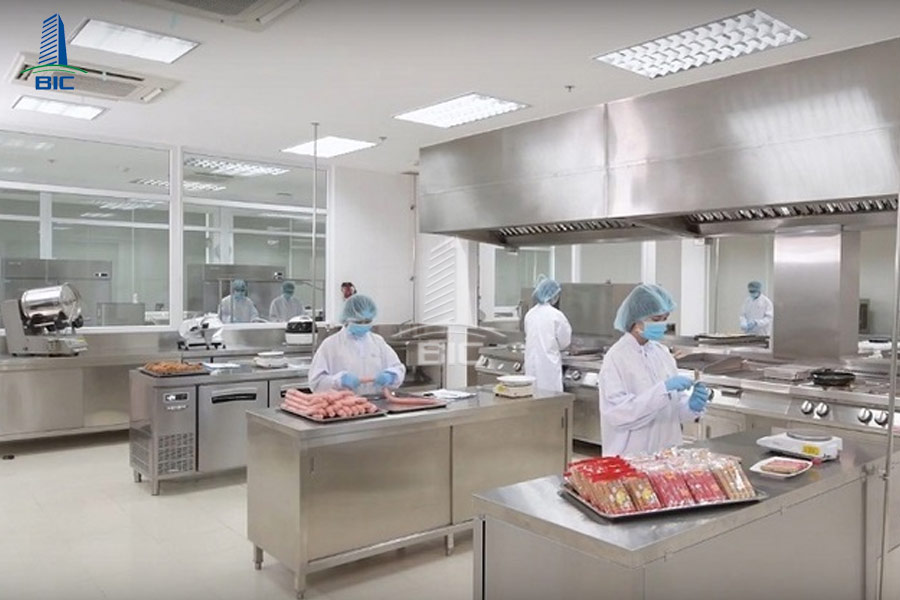
- Facility, Warehouse, and Equipment Design: Areas within the facility and equipment should be arranged to facilitate food production and processing while allowing for easy implementation of sanitation measures. Proper layout not only improves operational efficiency but also ensures food safety.
- Ceilings: Ceilings should be light-colored, made from waterproof materials, and free of cracks or mold. Ceiling corners should be rounded for easy cleaning and to prevent dust and moisture buildup.
- Floors: Floors should be light-colored, made from waterproof materials, non-slip, non-toxic, and easy to clean and disinfect. They should also have good drainage capabilities.
- Walls and Wall Corners: Walls should be smooth, light-colored, and have rounded corners for easy cleaning. They should not contaminate food and be easy to clean and disinfect.
- Doors: Doors should be smooth, waterproof, and self-closing to maintain environmental control within the facility.
- Windows: Windows should be designed for easy cleaning and minimized dust accumulation. Protective screens should be installed in areas prone to pests and animals but still allow for regular cleaning.
- Food Contact Surfaces: Surfaces in contact with food must be durable, smooth, waterproof, easy to clean, maintain, and disinfect. Materials should not contaminate food or be eroded by cleaning agents.
- Ventilation System: The ventilation system should be designed to suit the facility’s production and business characteristics, preventing contamination from air and condensation. Airflow should ensure that contaminated areas do not blow into clean areas. The system should be safe, easy to maintain and inspect, with rust-resistant protective screens that are removable for cleaning.
- Lighting System: Adequate natural or artificial lighting should be provided for easy operation. Light sources should be safely covered to prevent breakage and ensure that any broken pieces do not fall into products, affecting quality and production continuity.
- Waste and Hazardous Material Containers: Waste containers should be made from durable, sealed materials with covers to prevent animal intrusion. These containers should be regularly cleaned and designed to avoid confusion during use.
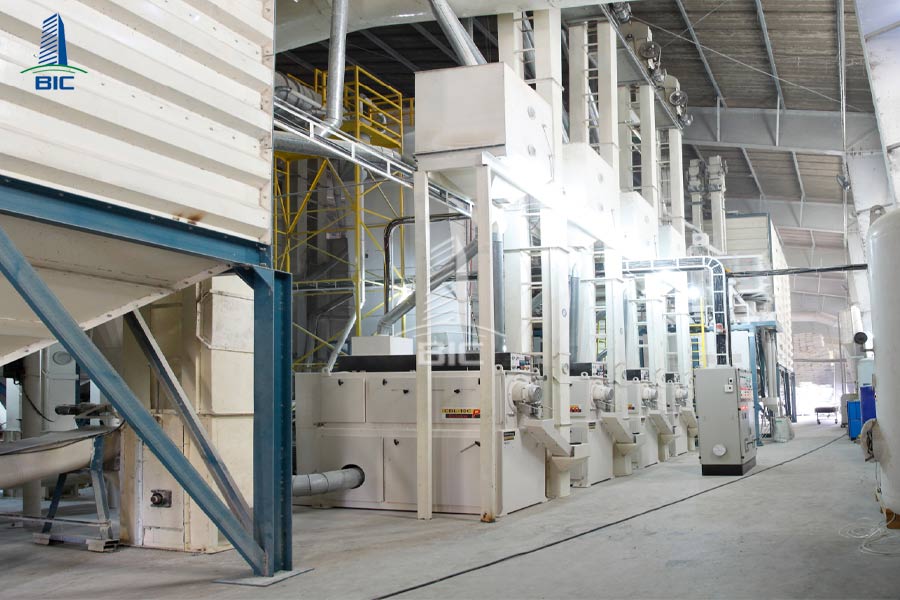
- Water Supply and Distribution: The water supply system should have all necessary equipment for storage, distribution, and temperature control. This ensures a consistent supply of clean water for all production and sanitation processes.
- Water Quality: Water used in food processing and production must be clean and free from contaminants. It should meet the hygiene and safety standards set by health authorities to protect consumer health and ensure product quality.
- Pressure and Water Storage Design: Facilities must ensure an adequate and appropriately pressured water supply for cleaning and processing needs. Water storage equipment should be designed for hygienic storage and use, preventing microorganism growth and maintaining water quality.
- Recycled Water Treatment: If recycled water is used, it must be treated and maintained to ensure it does not contaminate raw materials or products. Treatment and storage methods should ensure safety and effectiveness to avoid compromising final product quality.
- Drainage and Waste Disposal Design: The drainage and waste disposal system should be designed and arranged to prevent contamination of products or clean water sources. This ensures that waste does not pollute the processing area or affect water quality used in production.
- Dedicated Waste Access: Dedicated access points for waste and trash should be designed to ensure efficient and safe waste handling. This helps prevent contamination spread and keeps the production area clean.
The above outlines the essential conditions for constructing a facility that meets ISO 22000 standards. Implementing these standards requires high expertise and a thorough understanding of ISO, GMP, and HACCP. Adhering to ISO standards in facility design and layout not only ensures compliance with hygiene and food safety regulations but also enhances production efficiency and product quality. Investing in designing and constructing facilities to ISO 22000 standards will provide long-term benefits, helping businesses achieve sustainable growth and success in the food industry.