Upgrading and renovating factories have become a preferred choice for businesses to sustain long-term growth. A renovated factory not only enhances production efficiency but also ensures safety and compliance with the latest environmental and occupational safety standards. This renovation process allows businesses to optimize space and better utilize available resources.
However, to achieve optimal results, renovations must be carried out in sync with factory design. An efficient factory design will help adjust and upgrade the necessary technical aspects, from electrical and plumbing systems to space layout, to meet both current and future demands. In this way, renovation becomes more than just repair; it becomes a crucial step in expanding and developing a business's production capabilities.
- Enhancing Production Efficiency:
One of the main reasons for renovating factories is to improve production efficiency. As production scales up or new technology is implemented, the original factory structure and design may no longer be suitable. Renovation helps restructure the space, optimize production processes, and fully utilize machinery capacity. By adjusting the factory design, businesses can increase productivity and minimize downtime during production.
- Meeting New Standards:
Environmental, occupational safety, and product quality standards are becoming increasingly stringent. Factories need to meet these requirements to avoid legal risks and maintain brand reputation. Renovating the factory is an opportunity to upgrade technical systems and infrastructure, ensuring compliance with the latest ISO standards and improving the working environment for employees.
- Optimizing Space:
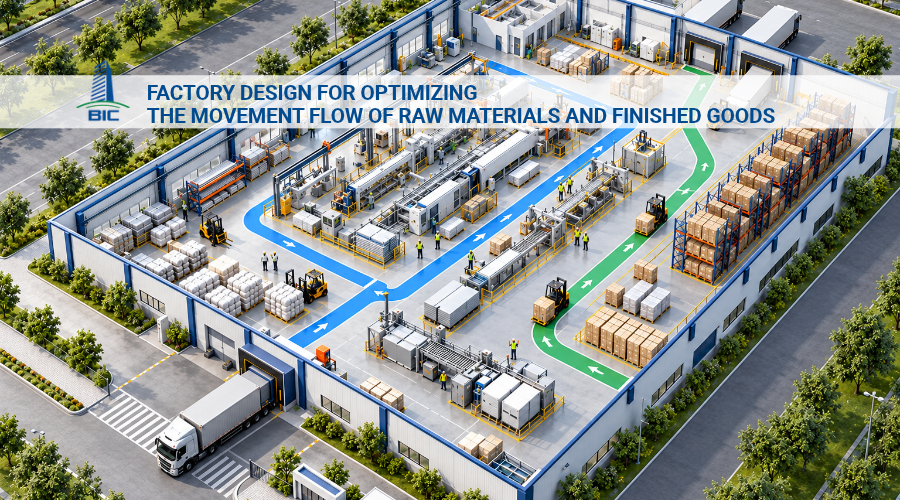
Over time, the space allocation within a factory may become inefficient, wasting space and affecting workflow. Renovation allows businesses to reorganize production and storage areas more scientifically, improving space utilization. New factory designs can also include additional functional areas such as rest rooms, safety zones, or flexible workspaces, thereby improving working conditions and increasing labor productivity.
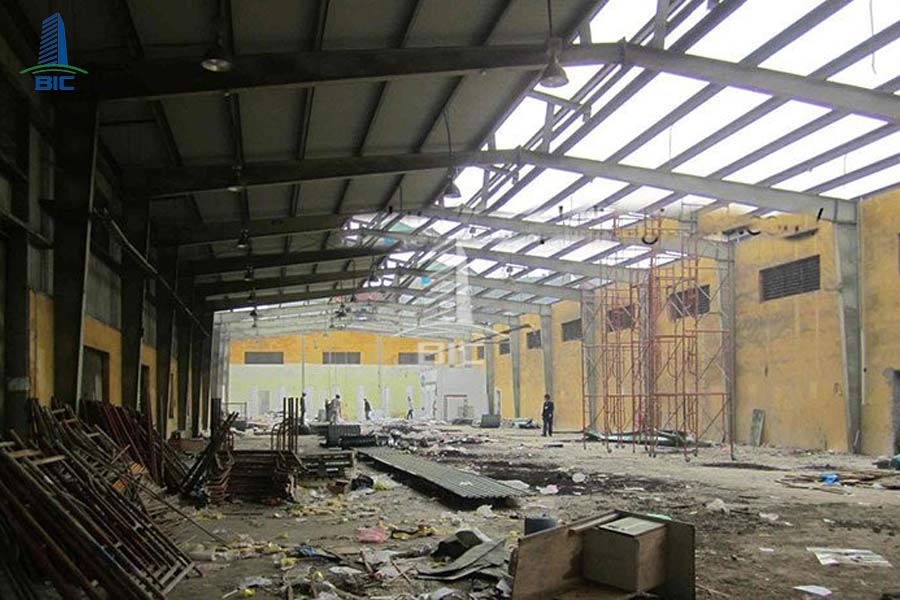
During use, the factory structure may deteriorate or fail to meet new load requirements. Reinforcing and upgrading weak structural elements is necessary to ensure safety and prolong the building's lifespan. Additionally, foundations, columns, and beams should be inspected and adjusted to meet current technical standards. If production demands increase, expanding the factory area becomes essential. This may involve constructing new production areas or more efficiently utilizing existing space. The expansion process must be carried out in conjunction with factory design to ensure harmony and effective use.
As production scales expand, the original technical systems may no longer suffice. Upgrading electrical, plumbing, and ventilation systems is one of the important factory renovation solutions, ensuring smooth production processes, reducing overload situations, and enhancing energy efficiency. For industrial factories, minimizing environmental pollution is a key factor. Wastewater treatment systems need to be installed or upgraded to meet environmental standards, helping businesses maintain credibility and comply with legal regulations.
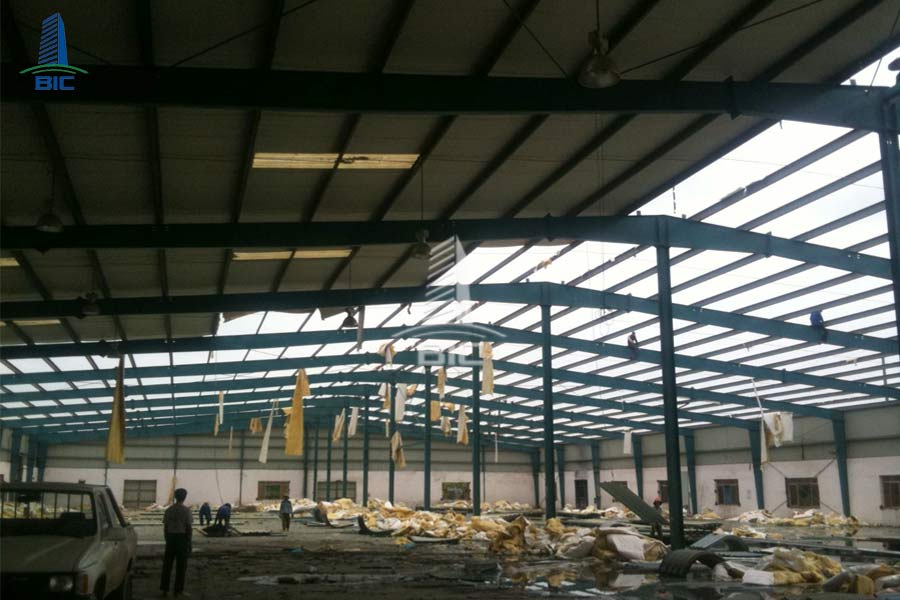
One of the most effective factory renovation solutions is adjusting the factory design to suit the current and future needs of the business. This includes optimizing machinery layout, work areas, and storage. A smart factory design will enhance production flexibility, reduce operating costs, and improve working conditions for employees. At the same time, this design should consider safety and environmental protection factors, ensuring compliance with international standards.
Occupational safety is always a crucial factor in any production activity. Installing modern fire protection systems helps minimize fire risks, protecting assets and people. In addition to improving infrastructure, businesses should focus on training workers in safety measures. This is an important factor in reducing accidents during production and raising workers' awareness of self-protection.
Compared to completely rebuilding, factory renovation often saves significant costs. The renovation process utilizes existing structures, minimizing the need for new materials and construction. Additionally, renovation allows businesses to maintain production activities while making necessary changes, avoiding major disruptions. A reasonable factory design during renovation also helps optimize energy use, reducing future operating and maintenance costs.
Factory renovation helps extend the building’s lifespan by upgrading and reinforcing deteriorated parts. This not only ensures safety for production activities but also increases the value of the business’s assets. When combined with modern factory design elements, the building can operate efficiently for many years without major repairs, reducing risks and unwanted costs.
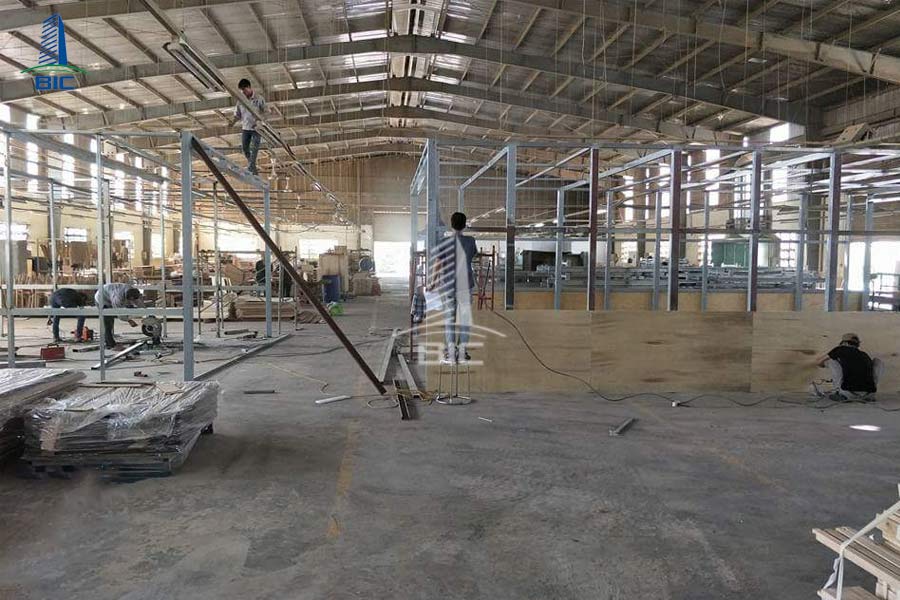
Factory renovation is an opportunity to improve occupational safety measures. Installing modern fire protection systems, improving escape routes, and ensuring work areas comply with safety standards help protect workers. Moreover, designing a factory with a focus on occupational safety not only reduces accidents but also creates a safe and positive work environment, thereby improving labor productivity.
Renovating and upgrading the factory helps maintain and enhance product quality. When technical systems, production space, and workflows are optimized, the output product quality becomes more stable. This is particularly important for businesses that need to meet strict quality standards, especially in industries such as consumer goods, pharmaceuticals, or food production.
Renovating and redesigning the factory not only improves production efficiency but also creates a positive impression on customers and partners. Businesses with modern infrastructure that comply with environmental and occupational safety standards can easily build trust and expand their business networks. Investing in factory renovation and design is a crucial step in affirming a business’s position and credibility in the market.
Factory renovation is not only a necessary step to maintain and enhance production efficiency, but it also plays a crucial role in optimizing costs and improving working conditions. To achieve maximum benefits from the renovation process, businesses need to closely coordinate with design and construction experts, ensuring that all elements from structure and technical systems to space layout are optimized. Seeking design and construction solutions from reputable partners like BIC will help ensure the success of the renovation project while creating an efficient and safe working environment for employees.