Wall-mounted electrical construction techniques have been created to apply in practice. Wall-mounted electricity is simply understood as the design of the electrical network located in the wall or underground. We thought that the house had no electric wires, but in fact they were "hidden" in the house wall or underground.
Electrical Construction Techniques In Wall
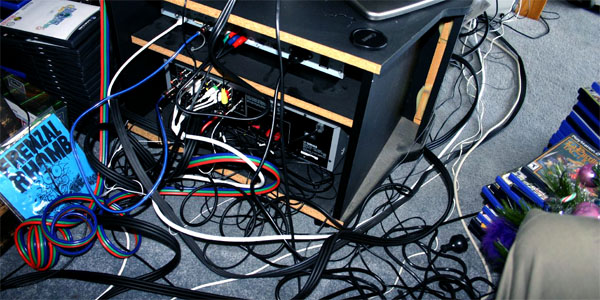
Nowadays, the houses are designed very differently from those in the past. Not only is the difference in space, interior, structure, ... but also the way of electric wiring for houses, civil houses is also more aesthetic. Many years ago, when the concept of built-in wall-mounted electrical construction was not popular yet, the interlocking, sketchy wiring in the house was easy to find in any house. This reduces the aesthetics, even endanger human life.
Therefore, the wall-mounted electrical construction technique has been created to apply in practice. Wall-mounted electricity is simply understood as the design of the electrical network located in the wall or underground. We thought that the house had no electric wires but in fact they were "hidden" in the house wall or underground. This makes housing space, construction works more beautiful and safer. Saying that, but in fact, when constructing the wall-mounted wires, there are many obstacles, just one error operation will lead to unpredictable consequences. BIC will share the safest and most accurate way of wall wiring for houses and construction works.
Technical guidance for electric wall construction
The steps of electric wall construction
Step 1: It is necessary to determine the location of electronic devices for indoor use
These factors can be clearly identified in the design. This helps builders clearly know where and place the wall outlets clearly. In order to easily fix unexpected problems occurring, BIC recommends that you adhere to the principle of "overhead design". In areas prone to flooding and storms, a total breaker should be installed higher with the highest possible water level. In addition, the electrical connections also need to be connected overhead and then down to avoid flooding during storms and floods.
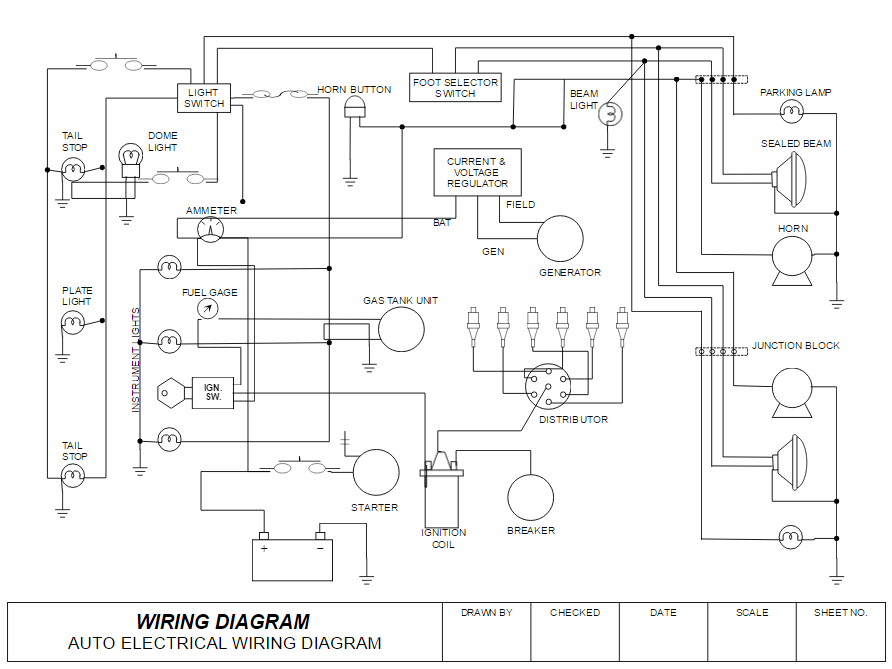
Step 2: Make a schematic diagram of the wiring path system
For houses designed by engineers in the design file, just comply with the profile requirements. Need to keep the wiring drawing in the wall to be able to grasp the installation location from which to review, check again when encountering unexpected problems.
Step 3: Wall-mounted electrical engineering
- Creating wall grooves: When there is a drawing of the entire electrical system to be constructed, we can use chalk, brush, ... to draw on the wall of the wire path included in the design. This is often considered an unnecessary stage, but in practice this stage helps to clearly define the path, avoiding unnecessary mistakes in the construction process. Next, you can use a wall cutter to cut according to the finished line. The depth and width of the cut will depend on your desired requirements or follow the construction drawing recommendations.

- Piping: First of all, it is necessary to choose the right type of pipe, the quality depends on the needs and budget. Types of in-wall wires include wires, telephone cables, TV cables, network cables and intranets ... The wires are threaded into the groove and tied with wire to create fixed wire.

- Wiring: before or after construction, you can all thread properly. However, it is recommended that the engineers should thread the wires before construction to minimize the risks and troubles during the construction.
- Completion: This is the final stage after the wire has been carefully threaded in accordance with the principles. After completing all stages, we can re-fill the previous pipes to ensure safety and aesthetics.

Notes, electric wiring principles in the house wall
The process of connecting, creating wire is always important in the design and construction of houses, so any engineer or construction contractor must grasp the most important principles to ensure safety, increase life expectancy of each project.
- During construction, you should divide electricity into several branches so that you can easily cut off the power locally in each area when repairing, replacing electrical equipment.
- Note that for the type of conduit, the wire must be really quality, waterproof and high-impact. So when impacted, the wire pipe is not easily crushed and affects the inner wire. Another small note is that the thread in the tube accounts for about 75% of the tube cross-section.
- Wires must be placed in high, dry places, not wet, away from large heat sources, avoid the wire melting, causing short-circuiting and explosion.
- For electrical wiring in plaster ceiling, brick wall, etc., you should use elastic conduits.
- For the same distribution power source use identical and different color wires for the two distribution lines.
- For the wires that provide signals such as telephone, Internet, intranet, or TV cap, the principle is to pull straight from the switchboard to the outlet, not to connect on the way. It is worth noting that you cannot connect to the same path of the power cord because it is a signaling wire, going with the power cord will cause interference and lead to loss of signal and loss of network in telephone, television cap. If you can invest more, you should choose wires with aluminum sheaths outside, the shells help prevent interference, so you can connect the wires anywhere as you like, without being separate from ordinary wires.
Points to avoid and not to do when wiring wall-wall:
- Do not place the wire too deep than 1/3 of the wall thickness
- Joints are required
- It is recommended to put the power cord in places where nails can be nailed and holes drilled
- In particular, you should not use water pipes, gas pipes as conduits for power lines