Nowadays, environmental regulations are a mandatory factor in the field of industrial factory construction. But have you fully understood these specific requirements and how they impact the construction process? Complying with environmental regulations not only helps businesses avoid legal risks but also enhances their reputation and ensures long-term development. In this article, we will explore in detail the important regulations and how they directly affect your factory design.
Functional subdivisions in production, business, and service areas should be planned to minimize environmental impacts from pollution-prone production types on surrounding areas and facilitate environmental incident response efforts. In addition, attention should be given to enhancing waste reuse and recycling, energy saving, and developing industrial symbiosis models.
Factory design projects must comply with environmental safety distances, aligned with national technical standards, to minimize impact on neighboring facilities and socio-economic entities. There is an encouragement to apply clean production technologies, energy-saving practices, waste reuse, and promote circular economy development and industrial symbiosis.
Additionally, there is a push to establish or convert production, business, and service areas into eco-industrial zones.
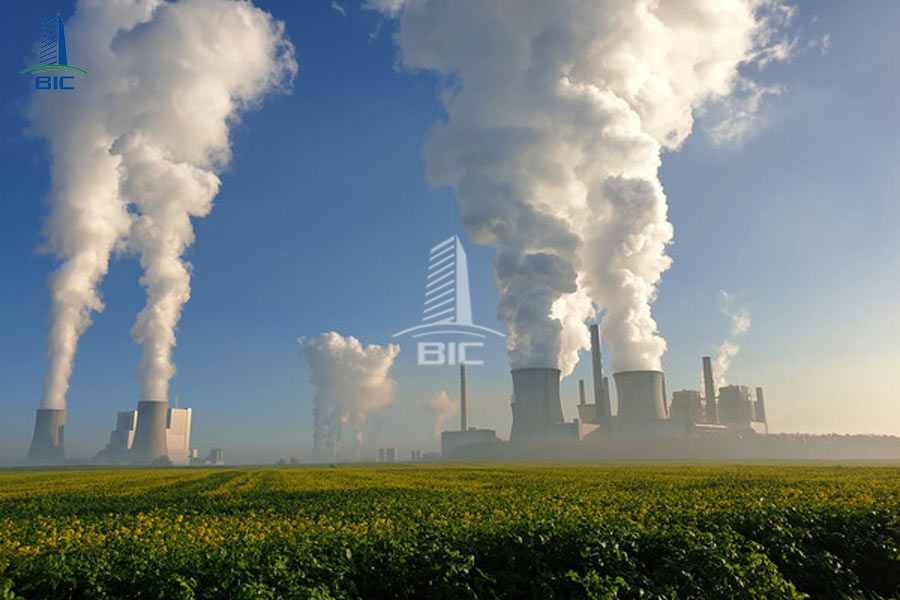
The technical infrastructure for environmental protection must be suitably arranged according to the type of investment and completed before the facilities in the area become operational, ensuring minimal negative environmental impacts.
Rainwater drainage systems must be entirely separated from wastewater collection systems, accompanied by oil filtration and sedimentation measures before discharge into the environment. These systems require regular maintenance and upkeep.
The wastewater collection and discharge systems after treatment must comply with environmental protection standards, be solid and leak-free, with proper signage and accessible pathways for inspections.
The centralized wastewater treatment system must be divided into modules corresponding to operational progress, equipped with automated monitoring systems, and operated according to the correct process to ensure treated wastewater meets the required standards. Maintaining and regularly servicing the system is mandatory to ensure continuous and efficient operation.
Structures and equipment for environmental incident prevention and response must be constructed and equipped according to legal regulations.
Complying with environmental regulations in factory design brings numerous outstanding benefits not only for businesses but also for the surrounding environment and society.
Businesses that effectively adhere to environmental protection regulations will build a positive image in the eyes of customers, partners, and the community. Nowadays, consumers and partners tend to favor working with companies that demonstrate social responsibility, especially in environmental protection. Companies adopting "green" standards not only safeguard worker health but also enhance their reputation and build trust with partners and investors. This provides a significant competitive advantage in the market, especially as sustainability standards become increasingly important in investment and consumer decisions.
A factory that complies with environmental standards ensures safety for workers, avoiding risks such as air pollution, excessive noise, or hazards related to industrial waste. A healthy working environment not only boosts worker health and comfort but also improves productivity. Employees who feel safe and comfortable in their workplace are more likely to stay loyal to the business, reducing recruitment and training costs.
Adhering to environmental regulations helps businesses avoid legal risks and hefty penalties for violations. Environmental laws are becoming increasingly strict, and businesses that violate them may face large fines, which could severely impact business operations. Moreover, if an environmental incident occurs, businesses may have to compensate for damages, suffer a loss of reputation, and potentially halt operations for an extended period, reducing profits and causing economic harm.
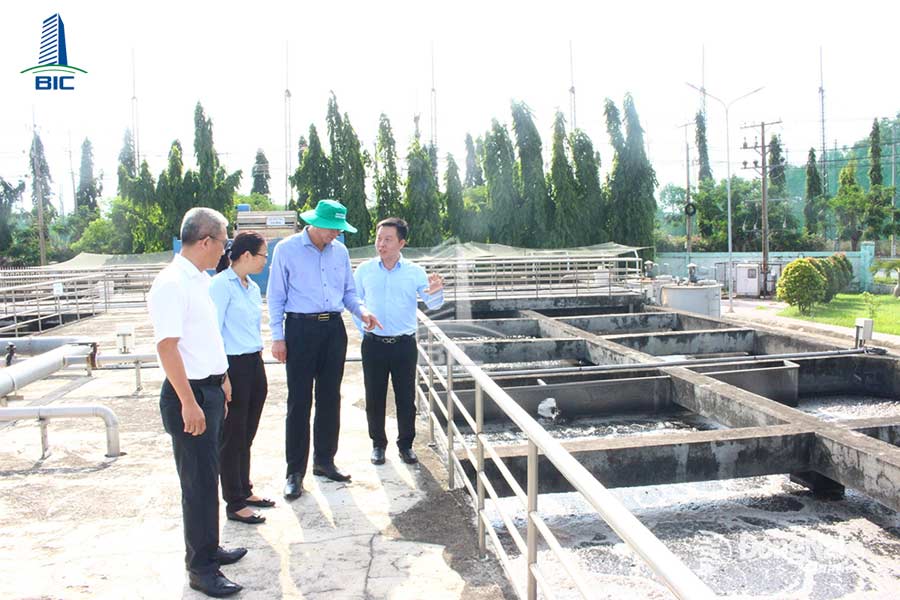
Environmental protection measures in factory design often go hand-in-hand with process optimization, helping businesses save on operational costs. For example, adopting cleaner production technologies, reusing waste, and saving energy can significantly reduce material costs and energy consumption. Furthermore, waste and wastewater recycling systems can be reused in production, reducing the need for new resources. This not only brings economic benefits but also helps businesses operate more sustainably in the long term.
Internationally, major markets such as Europe and the U.S. increasingly require products to meet sustainability and environmental protection standards. Complying with environmental regulations makes it easier for businesses to access these demanding markets, expand export scale, and grow. Companies that adopt environmental standards early will have an advantage in staying ahead of trends and ensuring competitive positioning as the market strongly shifts towards sustainable development.
Thus, complying with environmental regulations not only ensures legal business operations but also offers significant economic, social, and environmental benefits, helping businesses grow sustainably and stronger in a competitive market.
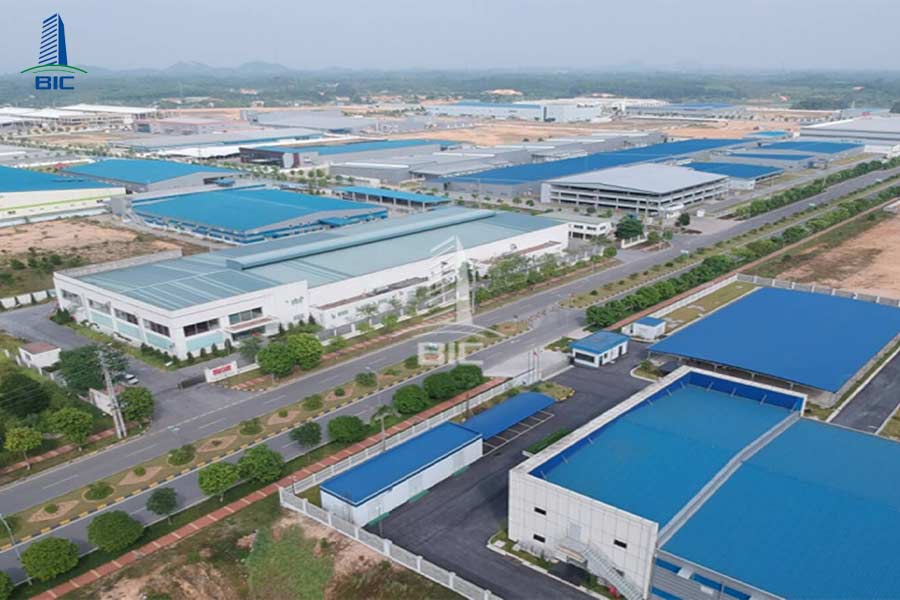
To ensure that factories fully comply with environmental regulations, businesses need to systematically and rigorously follow every step from the initial assessment to operation and supervision. Below is a detailed analysis for each point in the compliance guide:
This is the first and most crucial step in factory design. The EIA helps businesses identify the potential impacts of a project on the environment, including air, water, soil, and the surrounding ecosystem. This process should be conducted before construction to forecast negative impacts and propose mitigation measures. The EIA not only helps businesses meet legal requirements but also minimizes risks during operation. For example, thoroughly analyzing drainage and emissions systems can help prevent pollution incidents, avoiding financial and reputational damage.
Constructing waste and wastewater treatment systems according to environmental technical standards is a mandatory requirement in factory design. This ensures that waste generated during production is safely treated before being discharged into the environment, preventing water and air pollution. The system must be designed according to national standards, including separate wastewater and rainwater collection systems, with inspection and measurement points for wastewater quality. This not only helps businesses avoid fines for environmental violations but also contributes to building an eco-friendly image in the eyes of the community and partners.
Managing solid waste in factories requires a specific process for sorting, storing, and treating waste. Hazardous waste must be handled in strict accordance with regulations, while regular waste can be recycled or treated depending on its properties. Implementing an efficient management process not only ensures legal compliance but also optimizes resources. For instance, many modern factories have adopted solid waste recycling models, helping reduce material costs while contributing to sustainable development strategies.
Green production technologies are crucial for minimizing environmental impacts. Applying these technologies helps businesses optimize production processes while reducing waste and energy consumption. Using energy-saving systems in factory design, such as LED lighting, energy-efficient machinery, or heat recycling devices, can significantly reduce operational costs and limit greenhouse gas emissions. Additionally, utilizing renewable energy sources such as solar or wind energy provides a long-term solution for large factories, helping to cut down on energy consumption from fossil fuels.
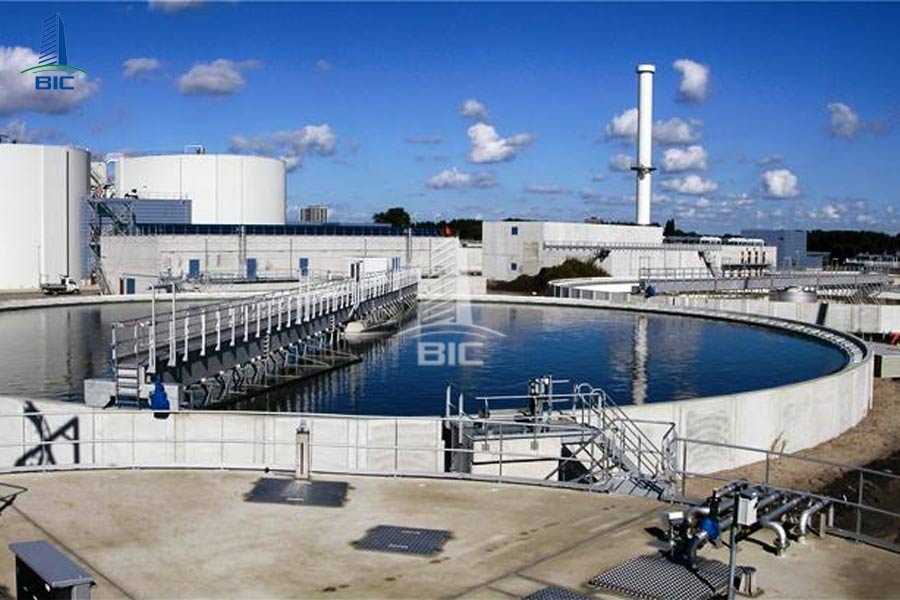
Establishing recycling and resource reuse systems not only helps businesses reduce waste but also maximizes valuable resources. For example, treated wastewater can be reused in production processes, reducing the demand for fresh water. Materials like plastic, paper, and metals can be recycled for other production phases. This not only brings economic benefits by saving resources but also reduces the pressure on waste treatment systems, allowing businesses to operate more sustainably.
An important but often overlooked factor is educating employees on the importance of environmental protection and regulation compliance. Training staff on waste sorting, operating waste treatment systems, and energy-saving methods helps improve environmental protection efforts in the factory. When all employees are aware of their responsibilities, compliance becomes easier and stricter, minimizing errors and violations. This is essential in building a corporate culture focused on sustainable development.
Thus, each step in complying with environmental regulations plays an important role in ensuring sustainable and efficient factory design operations. Combining technical and management measures helps businesses not only protect the environment but also enhance production efficiency, reduce costs, and boost reputation.
Complying with environmental regulations in factory design and operation not only ensures legal adherence but also contributes to creating a safe, sustainable, and eco-friendly production system. From environmental impact assessment, building standard-compliant waste treatment systems, to solid waste management and applying cleaner production technologies, all bring benefits not only to the environment but also to businesses in terms of economics and brand reputation. Moving towards building green factories is a smart strategy that helps businesses grow sustainably and meet the stringent demands of future markets.
If you are looking to design or renovate a factory that meets environmental standards, contact BIC today. We take pride in being a trusted partner in providing sustainable factory design solutions, helping your business not only comply with legal regulations but also grow efficiently and environmentally friendly.