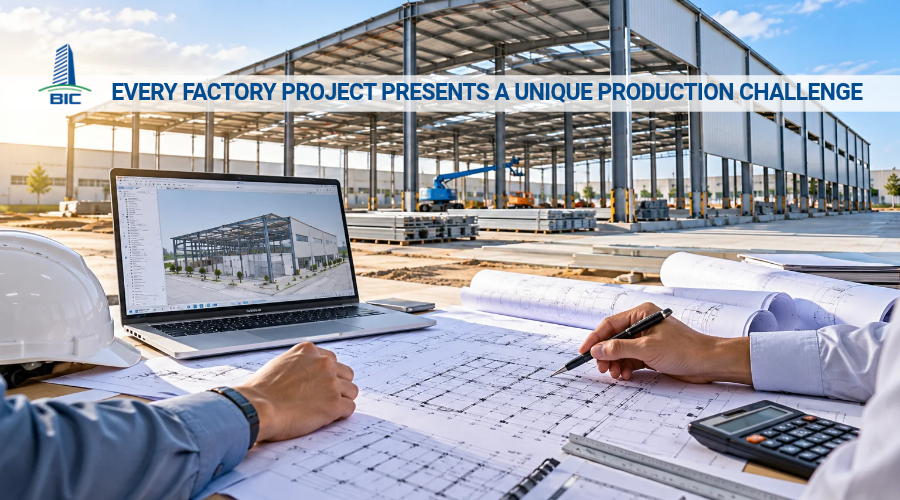
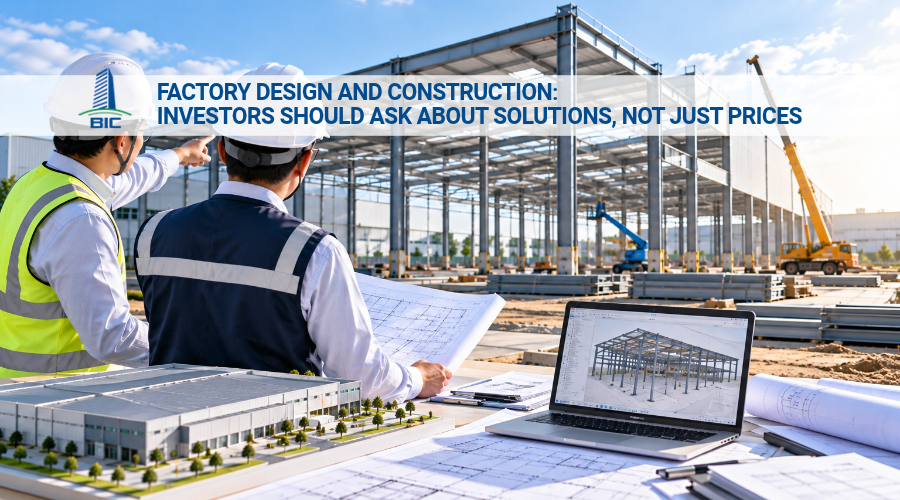
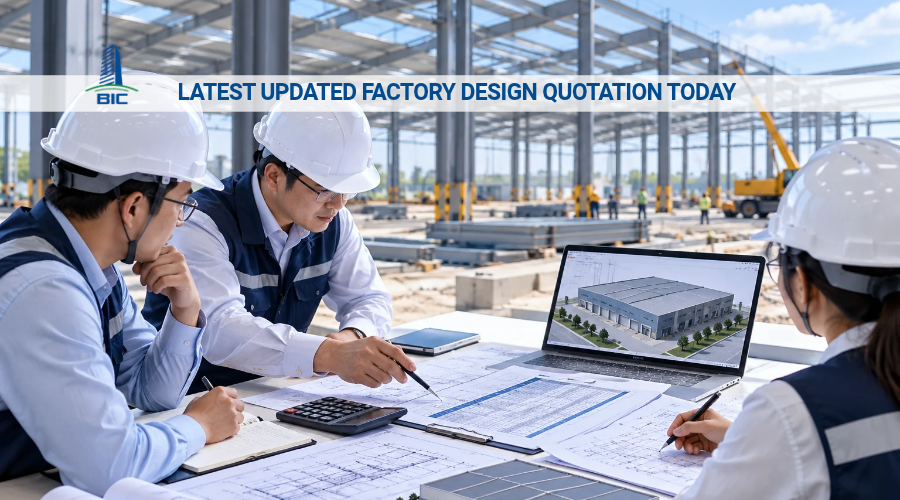
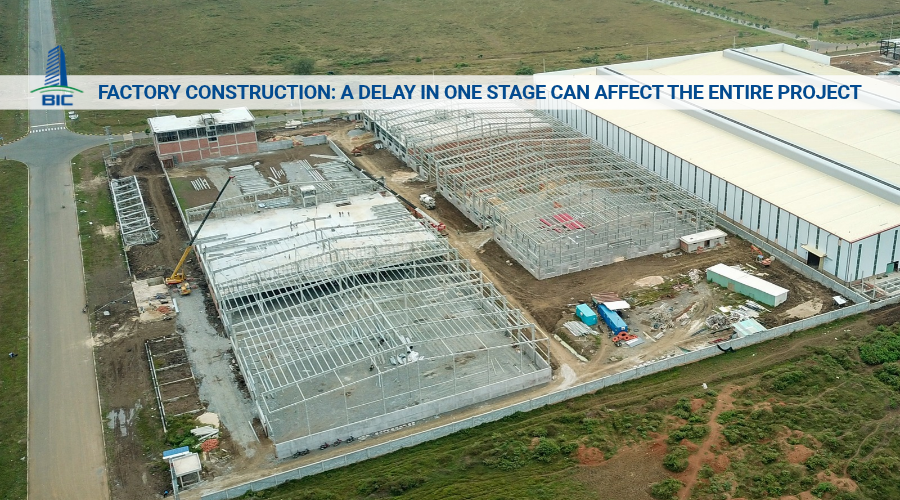
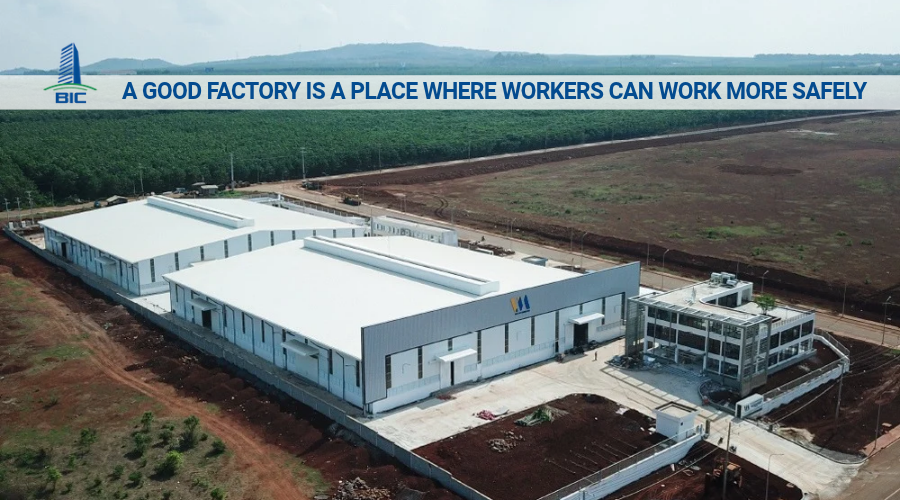
Steel frame construction, also known as prefabricated or modular construction, is commonly used for projects with short-term usage due to its flexible application. However, with the advancement of construction technology and architecture, prefabricated buildings are now being utilized for a wider range of purposes, thanks to their outstanding advantages.
Steel frame construction is a type of structure designed, fabricated, and assembled from standardized steel components before being transported to the construction site. This process begins with engineers and architects creating building designs with components such as columns, beams, and steel plates to meet specific project requirements. These components are then manufactured and processed at factories with high precision to ensure quality and uniformity.
Once the components are fabricated, they are transported to the construction site and assembled according to meticulously prepared steps. This method of steel frame construction helps shorten construction time, minimize errors, and save costs compared to traditional construction methods. Prefabricated steel buildings also offer high customization capabilities, meeting the flexible needs of each specific project.
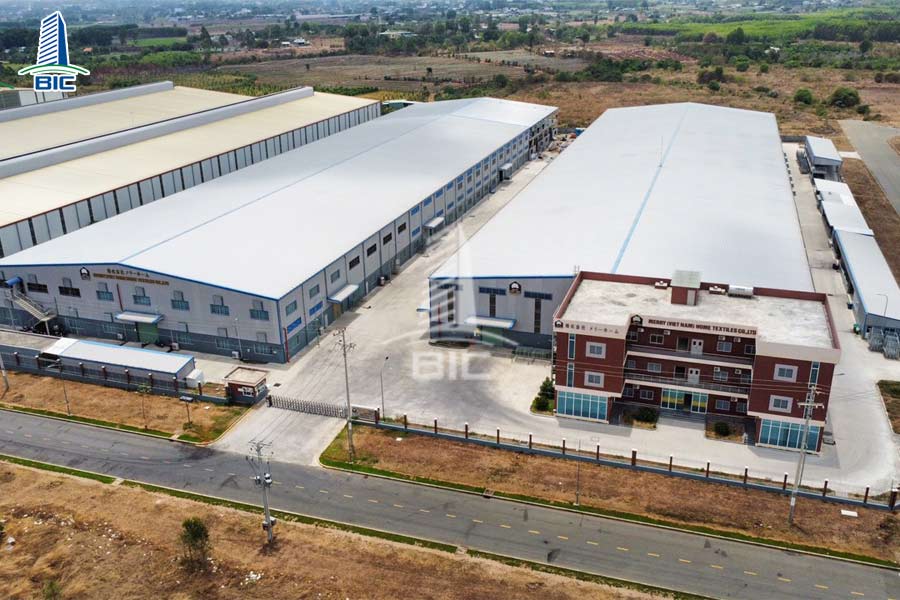
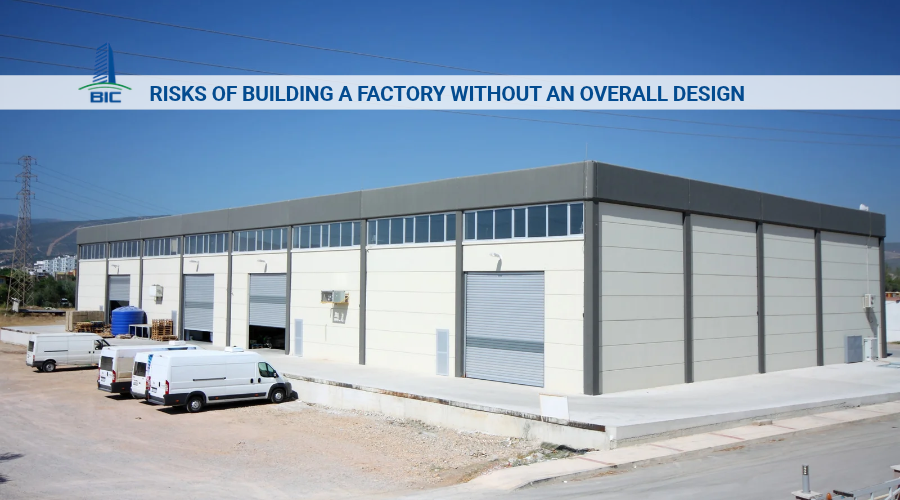
Moreover, prefabricated buildings stand out for their superior durability, ability to withstand harsh weather conditions, and strict compliance with current construction regulations and standards. With these advantages, steel frame construction has become a popular choice in various industries, from manufacturing plants and warehouses to commercial centers and public facilities, catering to the diverse usage and development needs of society.
In workshop construction, material savings play a crucial role and contribute significantly to cost advantages. Prefabricated steel buildings have strong load-bearing capacity, reducing the amount of material needed compared to traditional workshop construction methods. With high load-bearing capacity, optimized steel frames reduce the number of necessary columns and beams, while allowing the use of recycled materials.
This not only helps reduce construction costs but also makes the construction process sustainable and environmentally friendly. Steel frame buildings are one of the effective solutions in the construction industry, saving costs while ensuring high efficiency. The construction cost of prefabricated steel buildings is lower than that of structures using reinforced concrete, thanks to material savings.
By leveraging the superior properties of steel frames, prefabricated steel building projects not only achieve stability and durability but also bring significant economic benefits. The reduction in material and labor costs, along with shortened construction time, has made prefabricated buildings a popular and optimal choice in modern construction. Consequently, these projects not only meet technical and aesthetic requirements but also contribute to environmental protection by minimizing construction waste and resource consumption.
In contrast to concrete and steel structures, prefabricated workshop construction designs offer high flexibility in transportation and assembly. Steel components are manufactured in factories, facilitating quick and convenient construction. When needing structural changes or upgrades, simply drilling holes and bolting new structures, components can easily be attached to each other. This efficient installation process saves time.
Steel frame buildings are an optimal choice for creating large, modern spaces in construction. With flexibility and strong load-bearing capacity, steel frames allow for the design of expansive spaces without requiring many central columns for support. Clever structural design removes barriers, creating spacious environments while optimizing natural light, providing comfortable and modern living and working spaces. This reflects progress and innovation in contemporary architecture.

One prominent advantage of prefabricated steel buildings is their ease of future modification and expansion. Thanks to the flexibility of steel frames, making changes and expansions becomes simple and efficient. Prefabricated steel structures allow for easy addition of new rooms, floors, or even changes in usage area without affecting the load-bearing capacity and durability of the building. This provides flexibility for owners, meeting changing needs over time.
Furthermore, using recycled materials in steel frame buildings brings many economic and environmental benefits. By recycling steel, we reduce pressure on natural resources and industrial waste, contributing to environmental protection. The sustainability and economic efficiency of using recycled materials not only reduce construction costs but also make the buildings more environmentally friendly, reflecting the social responsibility of builders.
A prominent advantage of prefabricated steel buildings is their ability to combine with lightweight materials. Using these materials reduces the load on foundations and building frames, opening up many new, modern, and environmentally friendly design options. By leveraging secondary materials and limiting construction waste, prefabricated buildings contribute to environmental protection.
One of the major advantages of steel frame buildings is their fast construction. Since steel components are designed and processed in advance at factories, on-site assembly is rapid and convenient. Pre-prepared frame beams minimize the workload at the construction site, significantly reducing construction time. This not only reduces labor costs but also mitigates risks and associated costs.
The efficiency in time and cost makes steel frame construction an attractive choice for many investors. With fast construction speed, the use of steel frames enhances construction efficiency, bringing significant economic benefits and minimizing negative environmental impacts. Prefabricated building projects not only ensure quality and durability but also meet requirements for cost savings and environmental protection.
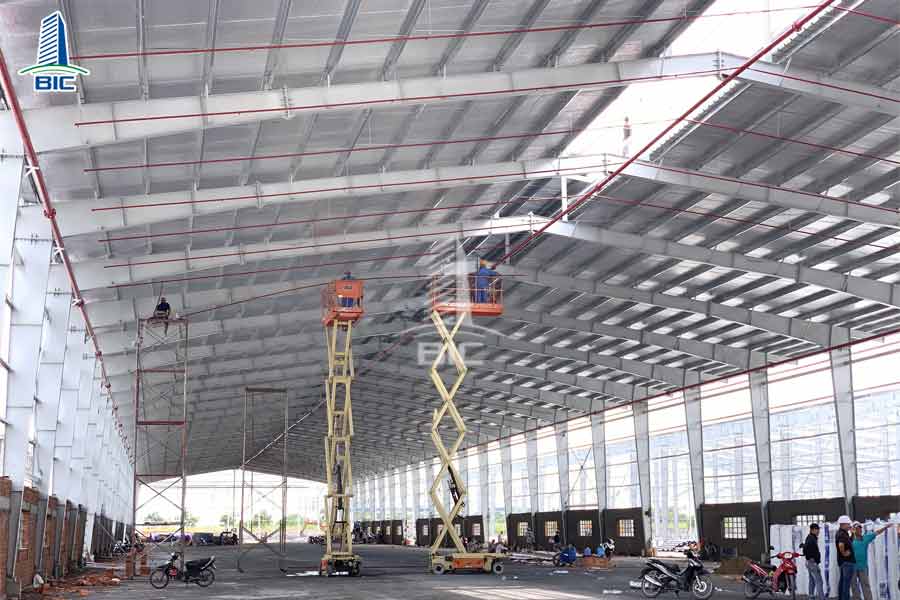
Steel frames are long-lasting building materials, enhancing the sustainability of construction projects. This is one of the standout advantages of steel frame buildings, known for their ability to withstand harsh environmental conditions and weather challenges. Steel frames maintain shape and structure for decades without being affected by decay or rust, helping buildings maintain their original quality and beauty.
Prefabricated steel buildings have high resistance to mold and moisture due to their design and excellent water-resistant materials. Standing seam roof systems, drainage components, and roof flashings are designed to prevent water infiltration, protecting the building from moisture and mold-related issues. The strength of steel frames not only protects buildings from natural elements but also provides owners with peace of mind regarding stability and consistency in usage and maintenance.
Using steel frames in construction not only ensures high durability but also minimizes maintenance and repair costs throughout the building's lifespan. The stability and resilience of steel frames help protect buildings from environmental factors, providing peace of mind and reliability for owners. All these factors make prefabricated steel buildings an ideal choice for projects requiring high durability and sustainability.
Below are some applications of prefabricated steel buildings in various industries:
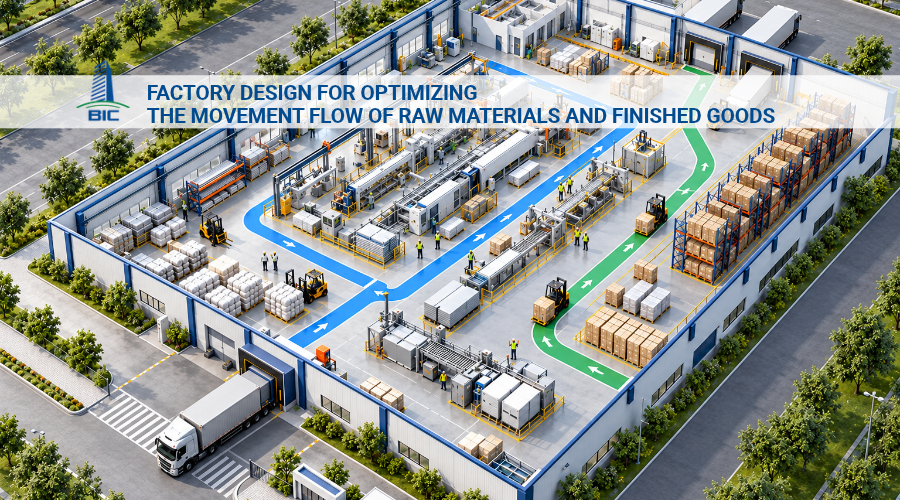
Prefabricated steel buildings are not only suitable for constructing processing and packaging facilities for industrial and agricultural products but also offer numerous superior benefits. The structure of prefabricated steel buildings can be flexibly designed to accommodate various areas, serving different functions such as sorting, cleaning, and packaging products. The open space inside the building facilitates the installation of conveyor systems and processing equipment, ensuring efficient workflow and time-saving processes.
With advantages like cost-effectiveness, robustness, and fast construction time, combined with low weight when paired with strong foundations, prefabricated steel buildings provide superior resilience for projects. Hence, prefabricated buildings are widely applied in large-scale facilities such as manufacturing plants, storage warehouses, production factories, etc.
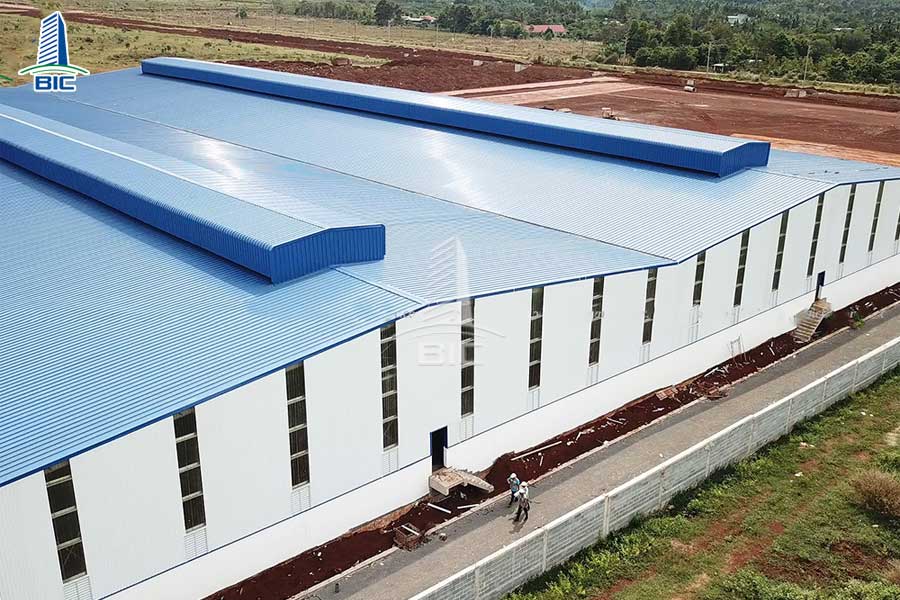
Livestock farms constructed with prefabricated steel frames serve not only as spaces for animal husbandry but also as specialized environments ensuring safety and comfort for the animals. With structural flexibility, prefabricated buildings can be adjusted depending on the type of livestock, from dairy cattle to poultry and pigs, creating an ideal living environment for each species. Additionally, the open interior space facilitates ventilation and natural lighting, not only promoting the growth and productivity of livestock but also minimizing the stress they may face.
The insulation capability of prefabricated steel buildings is a particular strength, maintaining ideal temperatures inside the farm. This is crucial in regions with harsh climates where temperature fluctuations can affect the health and performance of livestock. Moreover, the robust structure of prefabricated steel frames plays a vital role in protecting livestock from external risks such as pests and predators, ensuring a clean and safe living environment.
Thanks to their flexible design and easy and quick installation, prefabricated steel frames have become a popular choice in various civil engineering projects such as residential homes, offices, restaurants, hotels, and other types of structures. With these advantages, projects using prefabricated steel buildings can be designed in various architectural styles, from modern to classical, from functional to luxurious.
Furthermore, these structures provide durability and high resilience, saving time, effort, and money during construction. Advanced technology makes the installation of prefabricated steel structures simpler, reducing time and risks during construction. Additionally, residential models using prefabricated steel frame technology offer benefits in terms of space, creating more spacious living and recreational areas for homeowners. This optimizes convenience and comfort in daily life.
Prefabricated steel buildings are not only applied in residential projects but also in many public infrastructure projects to meet the diverse needs of communities. Buildings such as schools, hospitals, entertainment venues, shopping centers, commercial buildings, bridges, train stations, and many others can be constructed using prefabricated steel frames.
During construction, modern methods such as specialized machinery, 3D design software, mass production systems, and material technologies are applied. The use of precast components facilitates the rapid and efficient construction of these prefabricated steel building projects compared to traditional construction methods. This not only reduces construction time but also increases accuracy and ensures the quality of public infrastructure. Moreover, the flexibility in the design of prefabricated steel frames allows for the creation of unique and diverse architectures, reflecting progress and innovation in contemporary architecture.
Prefabricated steel buildings stand out with numerous advantages and widespread applications across various industries. Hopefully, you have found useful information from this article. If you need advice or support regarding the design and construction of prefabricated steel buildings, please feel free to contact us. BIC would be delighted to assist you.