The durability of a factory is not only a key factor determining the lifespan of the structure but also has a direct impact on workplace safety and the production efficiency of the business. A factory with high durability helps minimize maintenance costs, ensures stable operations, and increases the long-term asset value for the company.
However, to achieve this, it is essential to understand the factors influencing the durability of factories. In this article, BIC will explore each factor in detail, helping businesses gain an overview and make informed decisions during the construction and maintenance process.
The quality of construction materials is a decisive factor for the durability and endurance of a factory under harsh environmental conditions. Choosing high-quality materials that match local climatic characteristics, such as temperature, humidity, and corrosion levels, will help the factory maintain long-term performance and avoid damage issues.
Currently, with advances in technology, many new materials produced using modern technology can enhance durability, water resistance, and load-bearing capacity. For instance, high-strength concrete or high-strength steel not only extends the lifespan of the structure but also minimizes maintenance needs.
These materials must meet the quality standards set by the state, ensuring safety and efficiency in usage. These standards include regulations on load-bearing capacity, fire resistance, and resistance to harmful environmental factors. Adhering to these standards not only increases the reliability of the structure but also protects the safety of workers during operation.

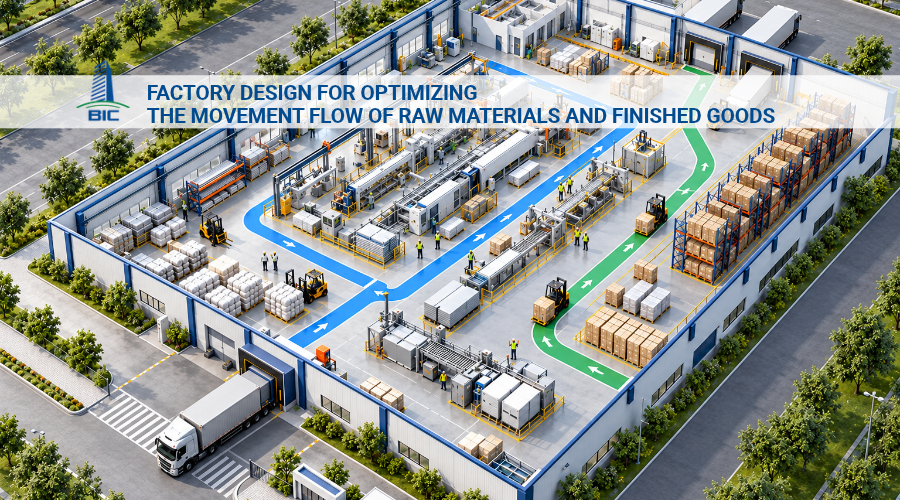
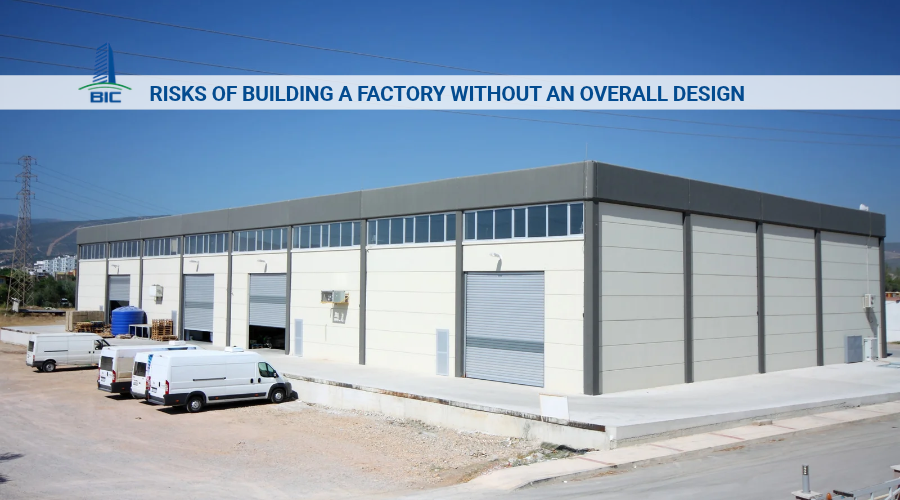
Factory design plays a crucial role in ensuring the durability and load-bearing capacity of the factory. A carefully calculated factory structure with reasonable supports, columns, and beams will help distribute loads evenly, enhance the stability of the structure, and minimize the risk of damage.
Moreover, an effective drainage system is essential to protect the factory from weather factors such as heavy rain and flooding. An efficient drainage system prevents water from pooling around the structure, thus reducing moisture impacts and preventing issues like mold and rot that affect foundations and structures.
Implementing effective insulation and moisture protection solutions, such as using insulation materials, waterproof paints, and moisture-resistant coatings, will help maintain a stable internal environment for the factory, protecting machinery and goods from the effects of high temperatures and humidity. These solutions not only increase the factory's lifespan but also help save on long-term maintenance and operational costs.
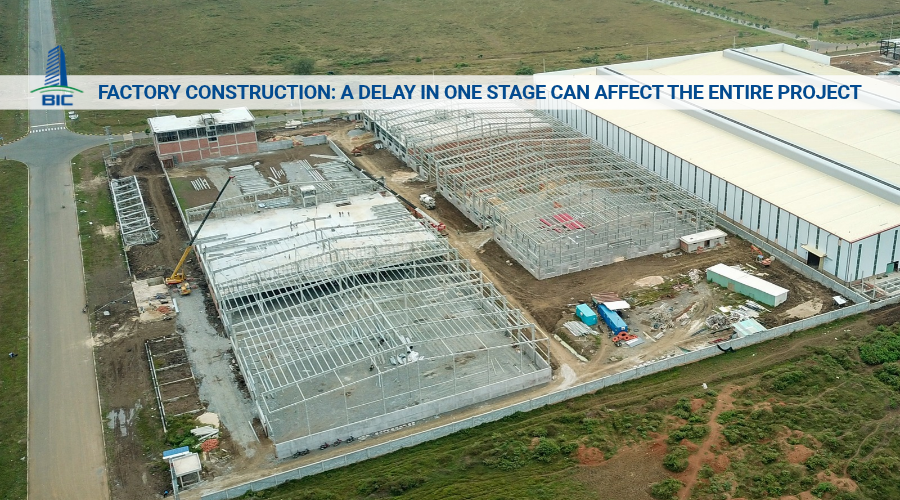
Construction techniques play an important role in ensuring the durability and safety of the factory. A standard construction process that follows precise building techniques helps the factory achieve optimal load-bearing capacity and minimize the risk of damage. Steps such as pouring concrete, installing steel columns, and handling foundations require high precision and meticulousness. If construction techniques are not ensured, issues such as concrete cracking, floor sagging, or foundation settling can occur, posing dangers to the structure and workers.
Additionally, applying modern technology to construction, such as accurate measuring equipment and automation machinery, helps improve construction quality and shorten completion times. A highly skilled construction team is also a key factor in ensuring that all tasks are carried out correctly. When construction techniques are assured, the factory will not only achieve optimal durability but also reduce future repair and maintenance costs.

The surrounding environment significantly affects the durability and lifespan of the factory. Climatic conditions such as temperature, humidity, heavy rainfall, or seasonal weather changes can directly impact the structure's integrity. For example, in areas with high humidity or heavy rainfall, the factory is prone to corrosion and rot if appropriate protective measures are not taken.
Particularly, coastal areas with high salt content in the air can cause rusting in metal structures, reducing durability and safety. Additionally, if the factory is located near areas with chemical factors or industrial zones, these environments may contain corrosive substances that can deteriorate the structure over time.
Understanding environmental conditions and applying protective measures such as anti-corrosion paints, waterproof coatings, and proper ventilation systems are essential. These solutions help maintain the factory's durability, ensure the safety of workers, and save on long-term maintenance costs.
The fire prevention system plays a vital role in protecting the durability of the factory while ensuring the safety of workers and company assets. A well-designed factory must integrate effective fire prevention measures from the construction stage to operation. The use of fire-resistant building materials, installing automatic fire alarm systems, and equipment such as fire extinguishers and hoses are essential to minimize fire risks.
Moreover, designing the factory with safe and clear emergency exits is another critical factor. This ensures that in the event of an incident, workers can evacuate quickly and safely. Fire safety regulations must be strictly adhered to, including organizing regular training for employees on emergency response procedures in case of fire or explosion.
A fire prevention system not only protects the structure's safety but also contributes to extending the factory's lifespan by minimizing damages caused by potential fires. Investing in a fire prevention system is an important part of the company's risk management strategy, helping protect assets and maintain continuous production operations.
Regular maintenance is an indispensable factor in ensuring the durability and safety of the factory. This process helps detect potential issues such as surface cracks, corrosion, or malfunctions in electrical and water systems early, allowing for timely remediation. Maintaining regular maintenance activities not only extends the structure's lifespan but also reduces risks to workers and enhances work efficiency.
Additionally, regular maintenance includes checking fire prevention systems and equipment to ensure they are always functioning effectively and ready to respond when needed. Inspecting drainage systems, humidity levels, and ventilation within the factory is also crucial, as these directly impact the working environment and product quality.
In particular, establishing a scientific maintenance and servicing plan will help businesses save on large repair costs in the future while optimizing production processes. Investing in regular maintenance is not just an obligation but also a long-term strategy to ensure the factory operates stably and sustainably.

Investing in the durability of factories not only brings short-term benefits but also has positive long-term effects on the growth of the business.
When businesses invest in high-quality construction materials and precise construction techniques, the likelihood of damage and degradation of the factory will be minimized. Materials like high-strength concrete, rust-resistant steel, and efficient drainage systems help the factory withstand harsh weather conditions while extending the lifespan of the structure.
- Minimized Damage Risks: Issues such as cracking, settling, or rot will occur less frequently, thus reducing the costs of regular repairs.
- Simplified Maintenance Schedule: As there is less need to address major issues frequently, the maintenance schedule becomes less complex, saving time and effort.
A factory with high durability not only ensures safety for the structure but also enhances the overall operational efficiency of the production process. This is reflected in the following aspects:
- Stable Working Environment: A durable factory creates a safe and comfortable workspace for workers, improving their morale and productivity.
- Reduced Downtime: When the factory operates smoothly, the likelihood of production interruptions due to incidents decreases, allowing the business to maintain continuous production.
- Increased Safety: Installing fire prevention systems and other protective measures helps minimize workplace accidents, creating a safer environment for employees.
Investing in the durability of the factory not only brings direct benefits during operations but also impacts the asset value of the business.
- Increased Market Value: A high-quality factory, well-constructed and maintained, will have a higher value in the real estate market. This is particularly important if the business intends to expand or transfer assets.
- Attracting Investors: Investors often seek properties with high durability and good operational efficiency. A well-designed factory will attract more investors, contributing to the business's growth and expansion in the future.
Investing in factory durability is not just a strategic decision but also a smart move to build a solid foundation for the sustainable development of the business. Thanks to the long-term benefits of cost savings, enhanced efficiency, and increased asset value, businesses can continue to grow and expand in an increasingly competitive market.
If you are looking for a reliable partner to construction design high-quality factories, please contact BIC. We take pride in providing professional consulting and construction services, helping you build sustainable and safe structures. Let BIC accompany you on your journey of business development!