Factory design is an essential and crucial step in building an industrial production facility. An optimized factory design not only enhances production efficiency but also ensures worker safety, energy savings, and environmental protection. Detailed and thorough planning from the start helps businesses avoid operational risks and fully comply with legal regulations.
Complying with legal requirements in factory design is not just a mandatory responsibility but also plays a vital role in protecting businesses from legal and financial risks. Non-compliance can lead to severe penalties, suspension of operations, or even factory closure. Additionally, ensuring legal requirements helps businesses build credibility and maintain stable and sustainable production in the long term.
One of the first and most important steps in designing a factory is obtaining a construction permit from the relevant authorities. The construction permit is a legal document provided by the legal authority, allowing businesses to begin construction in accordance with the law. There are three types of construction permits:
- New construction permit
- Renovation and repair permit
- Relocation permit
The process of obtaining a construction permit includes preparing a complete dossier, from detailed design drawings and master planning to documents related to environmental impact assessment. Businesses must ensure that all these requirements are met to avoid project delays or unnecessary fines.

Occupational safety is a non-negotiable factor in factory design. The factory must be designed to ensure a safe working environment, minimizing risks that could endanger workers. This includes the proper arrangement of work areas, pathways, machinery zones, and especially fire prevention and fighting systems (PCCC). Occupational safety standards must be strictly adhered to according to legal regulations, ensuring the health and lives of workers as well as protecting the business's assets.
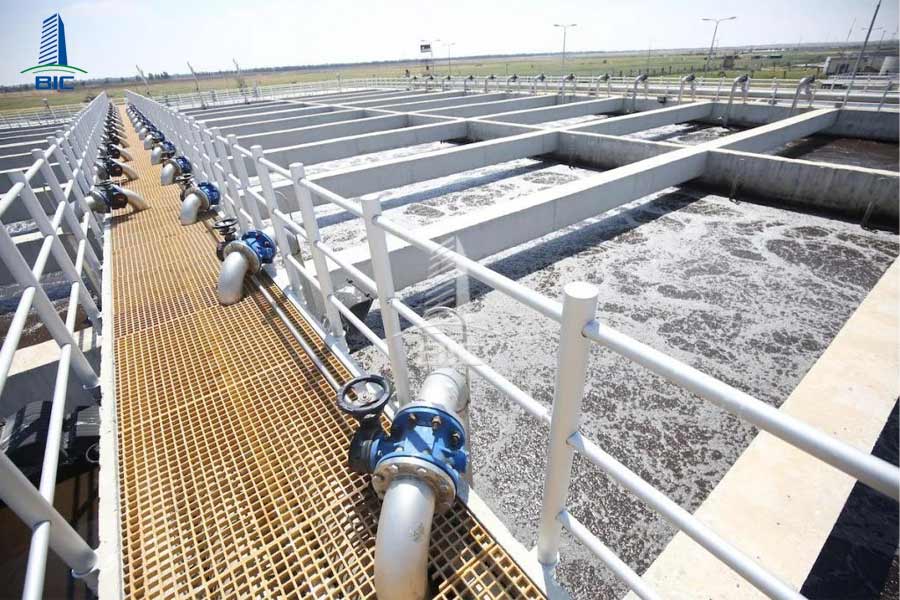
In today's context, with increasing environmental protection regulations, complying with waste, emission, and wastewater management requirements in factory design has become very important. The factory needs to be designed with an efficient waste treatment system that ensures no pollution to the surrounding environment.
- Measures must be taken to prevent the spread of dust, heat, noise, vibration, and light beyond the allowed limits as per environmental technical regulations.
- Materials and waste during construction must be transported using appropriate means to prevent leakage, spillage, or environmental pollution.
- Wastewater must be collected and treated according to environmental protection standards.
- Recyclable and reusable waste and scraps must be recycled and reused as per regulations; soil, rock, and solid waste from construction activities should be reused as construction materials or landfilling according to regulations.
- Soil and sludge from earthwork, topsoil dredging, or foundation piling can be used for planting soil enhancement or other suitable land areas.
- Sludge from septic tanks and pits must be managed according to regulations on conventional industrial solid waste management.
- Solid waste and other types of waste need to be collected, stored, and transported to the treatment site in accordance with waste management regulations.
Additionally, regulations on the use of renewable energy, reducing greenhouse gas emissions, and ensuring that the factory's production activities do not harm the environment must be applied to comply with environmental protection legal requirements.
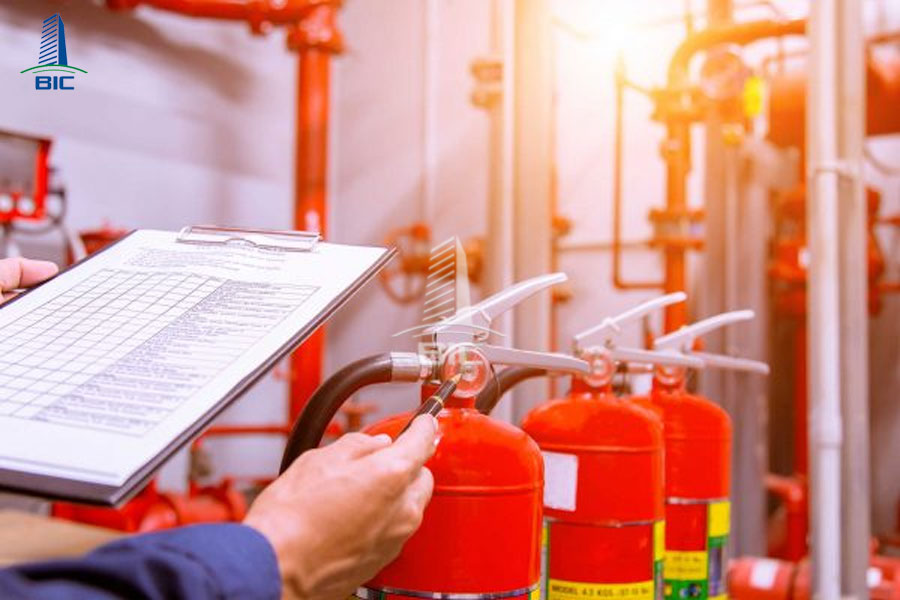
Fire prevention and fighting (PCCC) is a mandatory legal requirement for factories. The factory design must include a full PCCC system, including automatic fire alarms, firefighting equipment, and safe escape routes.
In areas prone to fire hazards, firefighting equipment should be installed in visible and easily accessible locations, with sufficient water pressure. Firefighting equipment must be regularly inspected and maintained, and access to these devices should always be clear.
Fire warning devices must be installed in high-risk areas, ensuring clear signals throughout the site.
Escape routes must be regularly checked and kept clear, especially in hard-to-reach areas, and exit signs must be placed in easily visible locations.
Strict adherence to safety distances, fire-resistant materials, and employee training in fire prevention skills is also required. Failing to meet these requirements can have serious consequences, including operational suspension.
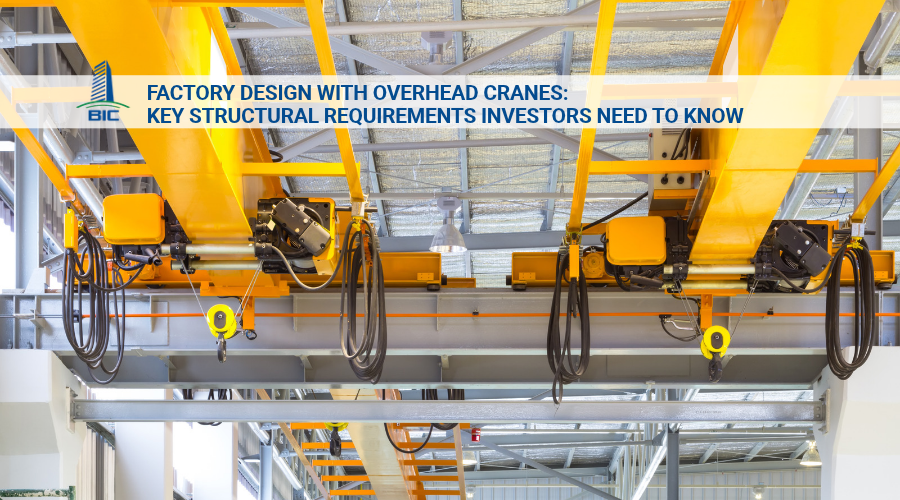
The design of mechanical and electrical systems in factory design must also comply with current standards and legal regulations. This includes the safe installation of electrical systems, efficient water supply and drainage systems, and appropriate ventilation systems.
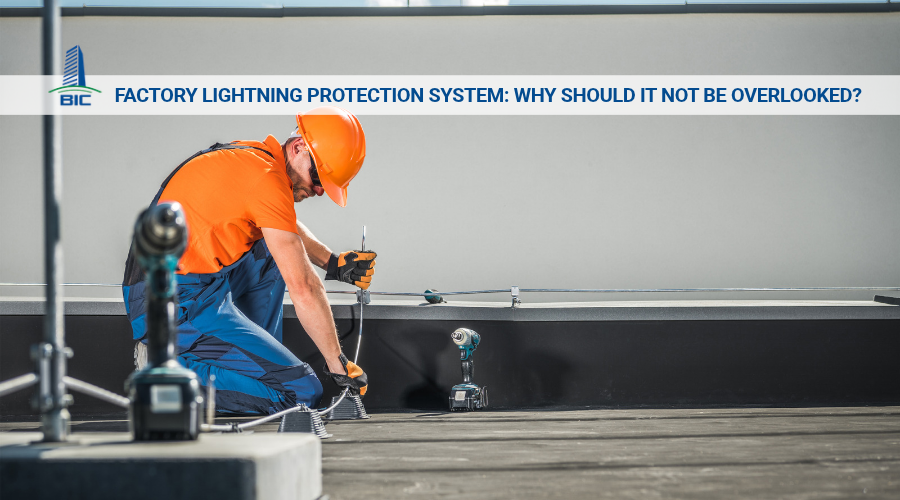
To ensure electrical safety, protection, automation, grounding, lightning protection, and residential electrical safety measures must be implemented. Protection devices must be sensitive, reliable, and regularly inspected. Electrical equipment and metal structures must be properly grounded according to regulations. Lightning protection systems should be equipped for substations and outdoor equipment. Residential electrical safety requires correct technical installation, explosion protection, and maintaining emergency power cut-off capabilities to ensure safety in all situations.
Adhering to mechanical and electrical design standards not only ensures the safety of employees and equipment during operation but also helps businesses save on maintenance, repair, and energy costs in the long term.
Before starting construction, the investor must carry out the necessary legal checks. This includes verifying the legality of land use rights, the compatibility of the factory design with planning and construction requirements, and obtaining opinions from relevant authorities such as local government and involved contractors.
After completing the initial inspection steps, the investor must submit a construction permit application to the competent construction management authority, typically the Department of Construction. This authority will appraise the dossiers, drawings, and related documents to ensure that the project fully complies with current regulations. The appraisal process usually takes about 4-6 weeks, depending on the nature and scale of the project.
During construction, the investor must be supervised by the construction management authority and independent experts. Periodic inspections will be conducted to ensure the project complies with regulations and technical standards. After the project is completed, the investor must proceed with the completion permit procedures. The management authority will re-inspect the entire project before issuing a completion certificate.

Failure to comply with factory design and construction regulations will result in corresponding financial penalties. Specifically, violations such as unauthorized construction, non-compliance with permits, or failure to meet safety requirements can be fined from tens of millions to hundreds of millions of VND, depending on the nature and severity of the violation. In severe cases, the investor may face suspension or revocation of the construction permit.
Non-compliance with construction safety regulations can lead to serious consequences. This not only affects the safety of workers on site but also poses risks of accidents during operation, impacting the business's production activities.
Non-compliance with design and construction regulations can also have negative impacts on the business's reputation and credibility in the industry. This can reduce the trust of customers, investors, and business partners, affecting the company's future development opportunities.
Compliance with legal requirements in factory design is extremely important. It not only helps businesses avoid severe penalties and sanctions but also ensures worker safety, maintains stable production operations, and protects the business's reputation and credibility. Legal compliance is not only an obligation but also a practical benefit for businesses. BIC specializes in industrial factory design and construction, offering free legal consultation for clients. Contact us today for the fastest support!