The packaging industry plays a vital role in the modern supply chain, serving as an indispensable link that protects products, enhances brand value, and optimizes logistics. With the ever-growing market demand, businesses are increasingly investing in factory design to boost production capacity, improve product quality, and minimize operating costs.
A factory designed to meet technical standards not only ensures high production efficiency but also satisfies requirements for safety, environmental protection, and flexibility to adapt to new technologies. These factors are crucial to the long-term success and competitive edge of businesses in the packaging sector.
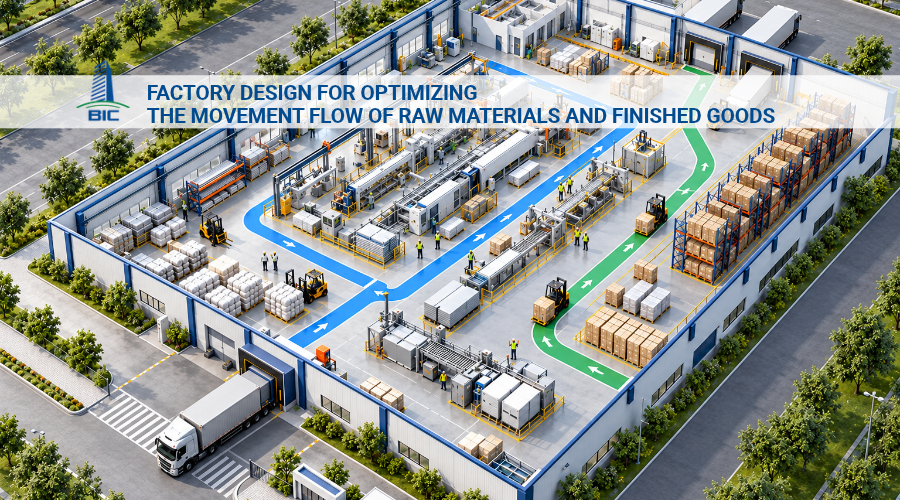
Factory design for the packaging industry demands adherence to strict requirements and standards to ensure production efficiency, workplace safety, and environmental protection. Firstly, the production space must be logically organized, divided into clear functional zones, such as material storage, main production areas, and finished goods packaging zones. This layout optimization streamlines the flow of materials and products, reducing time and effort in operations.
Technical systems are a critical component, including sufficient power systems for operating high-tech printing and packaging equipment, and ventilation systems to create a fresh working environment and limit dust and harmful gases. Additionally, safety standards, especially fire prevention, must be strictly adhered to. Factories should be equipped with convenient escape routes, advanced fire alarm systems, and modern firefighting equipment to ensure the safety of workers and assets.
Energy optimization is another key requirement. Utilizing insulation materials, energy-efficient lighting, and energy reuse solutions not only reduces operating costs but also supports businesses in achieving sustainable and eco-friendly development goals.
Conducting a site survey is the first and most crucial step, determining the feasibility and efficiency of the factory design project. This includes:
- Terrain Evaluation: Analyzing elevation, slope, and natural features to ensure a stable foundation, avoiding risks of flooding or subsidence during use.
- Soil Inspection: Conducting geotechnical tests to assess soil load-bearing capacity and determine appropriate foundation solutions, such as strip, pile, or raft foundations.
- Infrastructure Assessment: Checking the availability of water supply, drainage, electricity, and connectivity to ensure smooth factory operations.
- Environmental Evaluation: Reviewing noise levels, water sources, and proximity to residential areas to comply with environmental regulations.
Based on the survey results, this step focuses on overall site planning and defining the factory structure:
- Space Allocation: Dividing functional zones such as material storage, main production, packaging, and auxiliary areas to optimize material and product flow.
- Area Calculation: Ensuring sufficient space for machinery installation while planning for future expansions.
- Internal Traffic Design: Establishing main pathways, forklift operating areas, and emergency exits to ensure safety and convenience.
- Natural Elements Consideration: Utilizing wind direction and natural light to reduce operational costs for ventilation and lighting.
This step ensures stable and safe operations through detailed technical system design:
- Electrical Systems: Calculating and installing high-capacity electrical systems to power printing, cutting, and packaging equipment. Centralized control panels should be included for easy management and maintenance.
- Water Supply and Drainage Systems: Providing stable water sources for production and domestic use, with wastewater treated before discharge to meet environmental standards.
- Ventilation and Air Conditioning: Maintaining temperature and clean air within the factory, especially in printing and packaging areas.
- Waste Treatment Systems: Designing systems to collect and treat liquid, gaseous, and solid waste in compliance with environmental regulations.
Choosing construction materials is vital for durability, cost-efficiency, and aesthetics:
- Load-Bearing Steel: Commonly used for factory frameworks due to its excellent load capacity and environmental resilience.
- Insulation and Heat-Resistant Panels: Suitable for packaging production factories, maintaining stable temperatures and reducing cooling costs.
- Fireproof Materials: Using fire-resistant walls and doors to enhance safety, particularly important in industries utilizing machinery and flammable materials.
Each step in the process requires close collaboration between engineers, architects, and technical experts to ensure the final design meets technical requirements and business expectations.
In designing packaging production factories, attention must be paid to flexibility, operational efficiency, and environmental protection:
- Flexibility: Factories must adapt easily to new technologies and changing production demands. Designs should allow for layout adjustments, machinery upgrades, or expansions without disrupting operations.
- Operational Efficiency: Well-planned factories optimize material and product flows, reducing internal transport costs and production time. Installing modern technical systems, such as automation and energy management, boosts productivity while minimizing technical issues and long-term operating costs.
- Environmental Protection: Integrating green production solutions, such as renewable energy, eco-friendly materials, and advanced waste treatment systems, ensures compliance with legal regulations while enhancing brand reputation and commitment to sustainability.
In conclusion, an efficiently designed packaging factory not only meets current production needs but also provides a solid foundation for long-term growth and business success.
If you are looking for a trusted factory design partner, BIC brings years of experience and a dedicated team of experts ready to assist you. Contact BIC today for detailed consultations and tailored design solutions for your business!
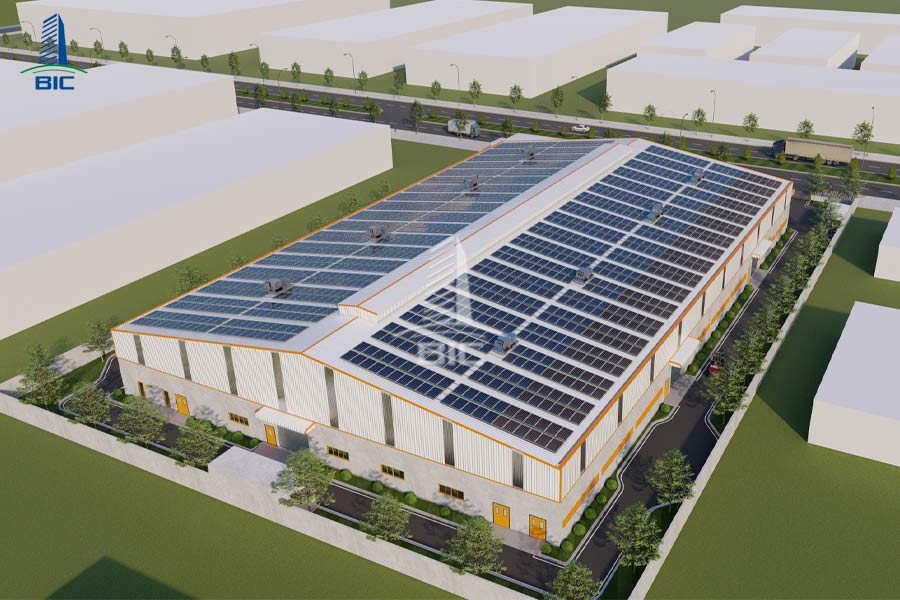
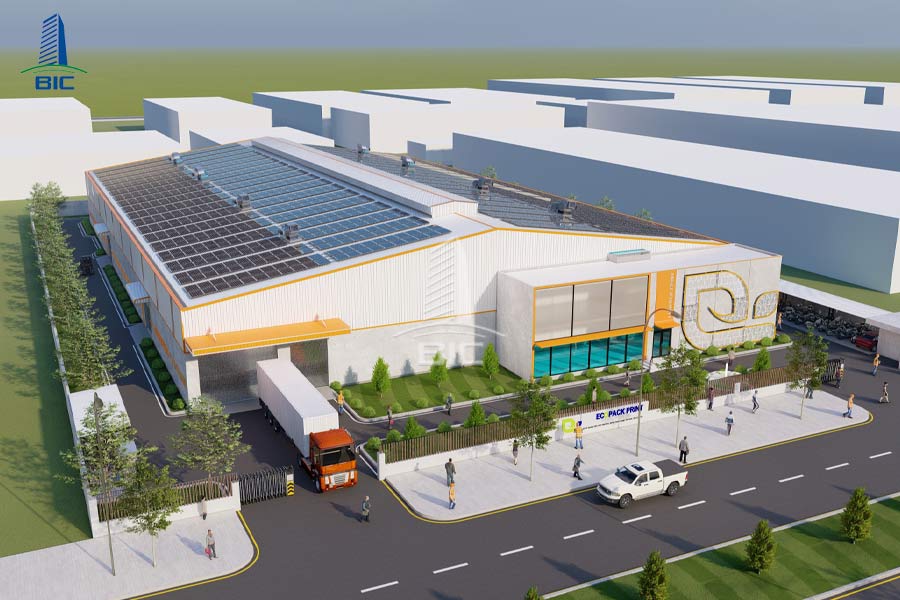
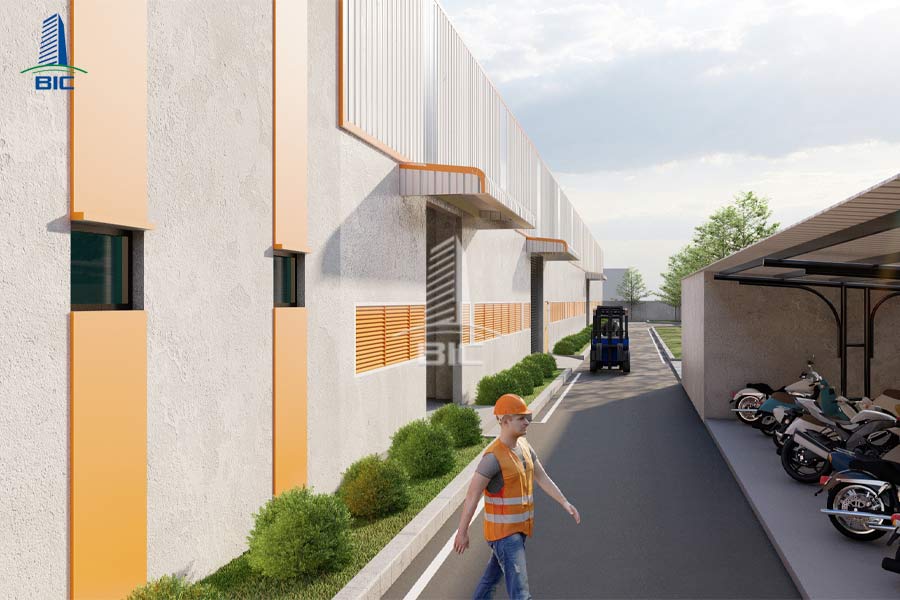
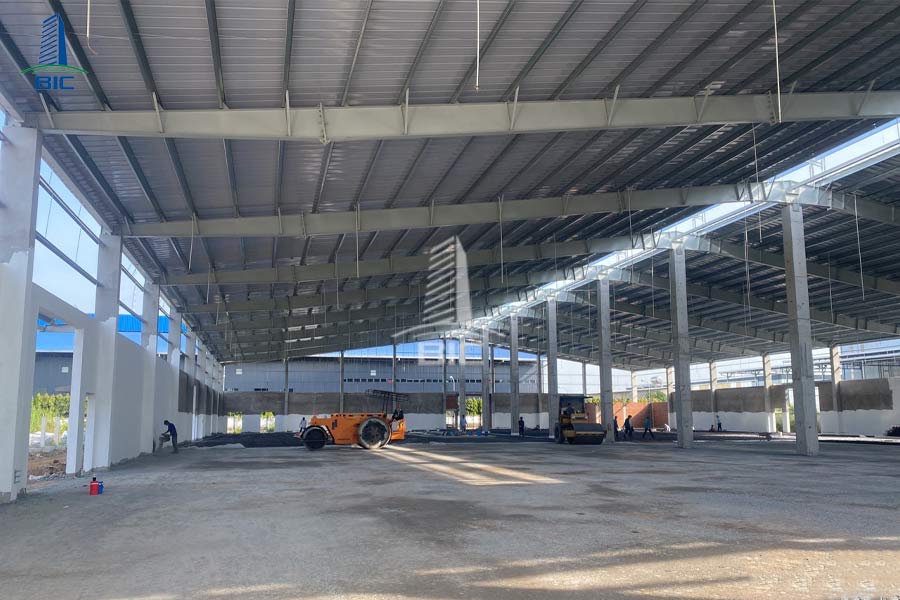
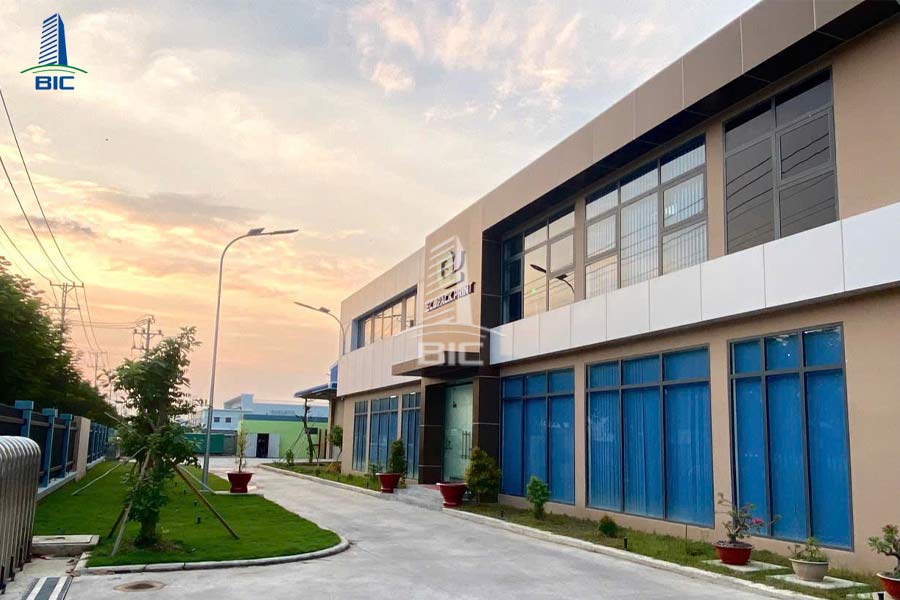
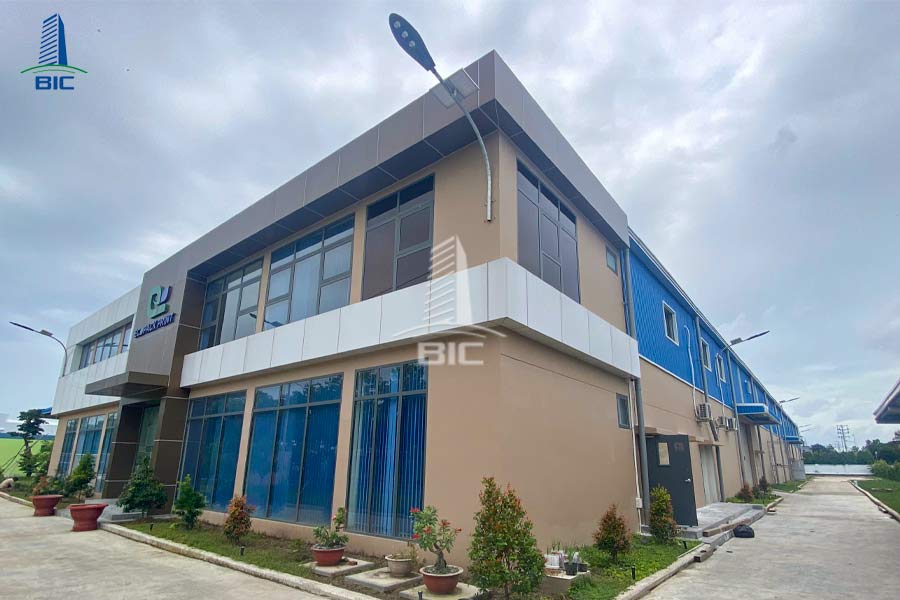
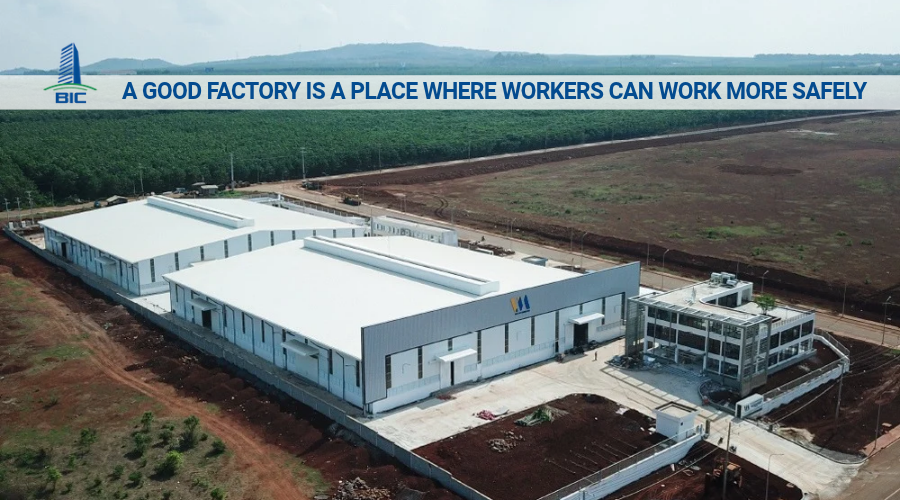
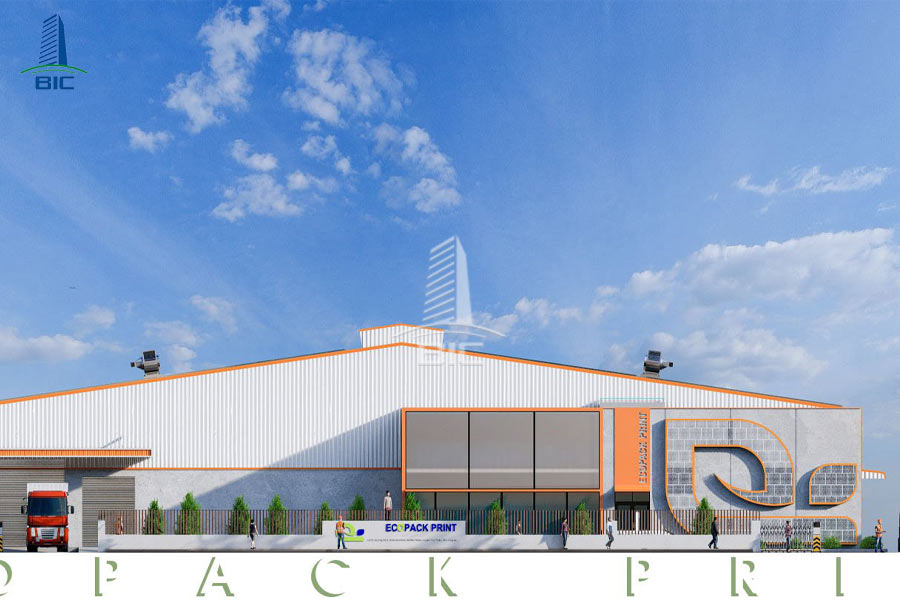
Here are some images showcasing the factory designs for packaging printing: