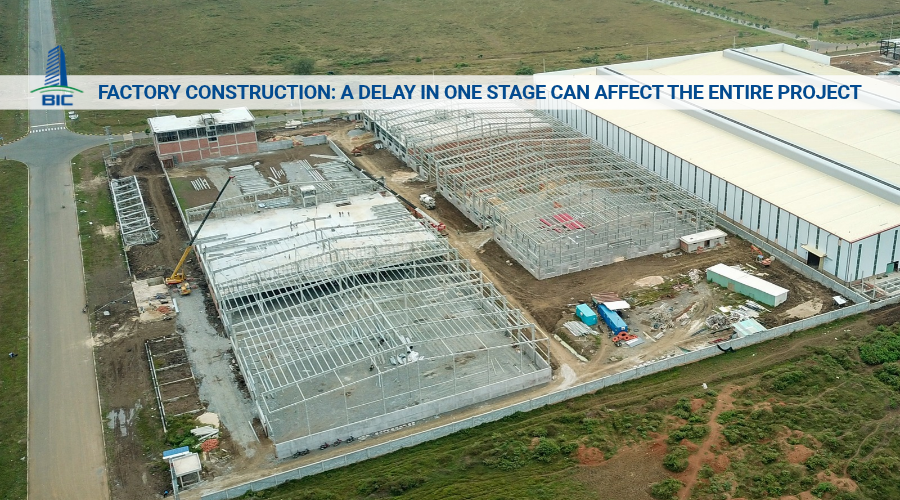
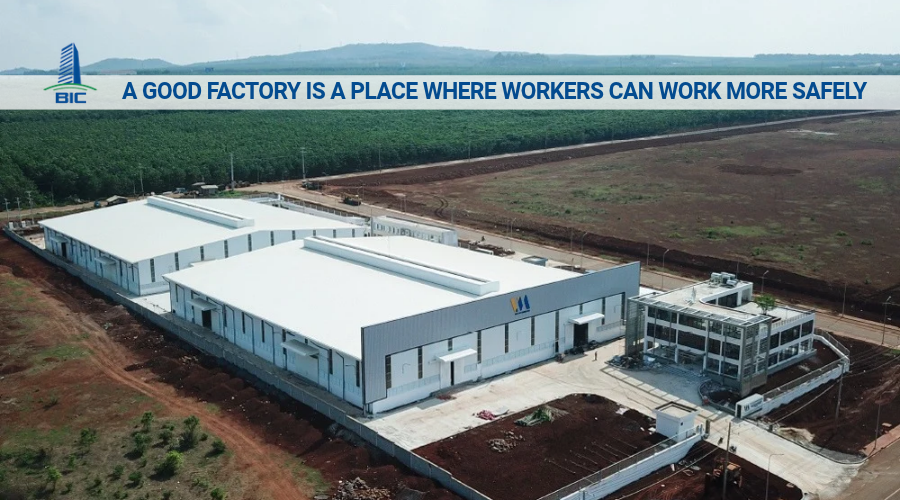
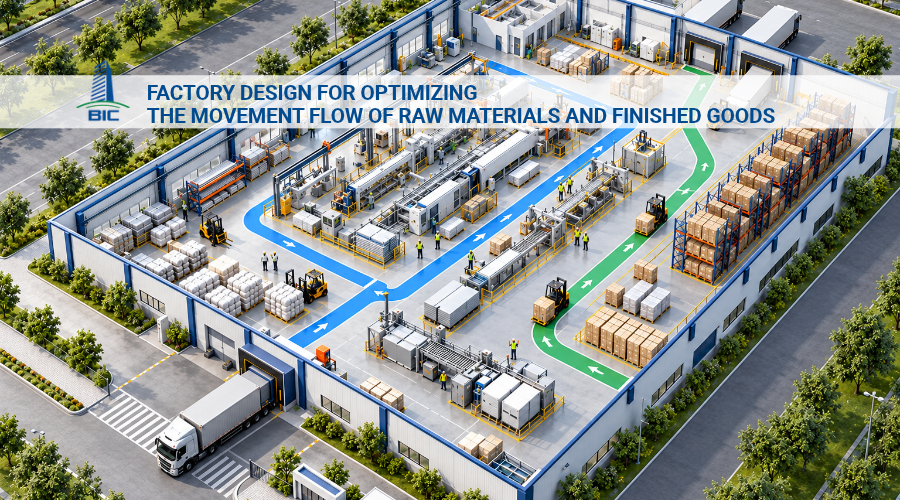
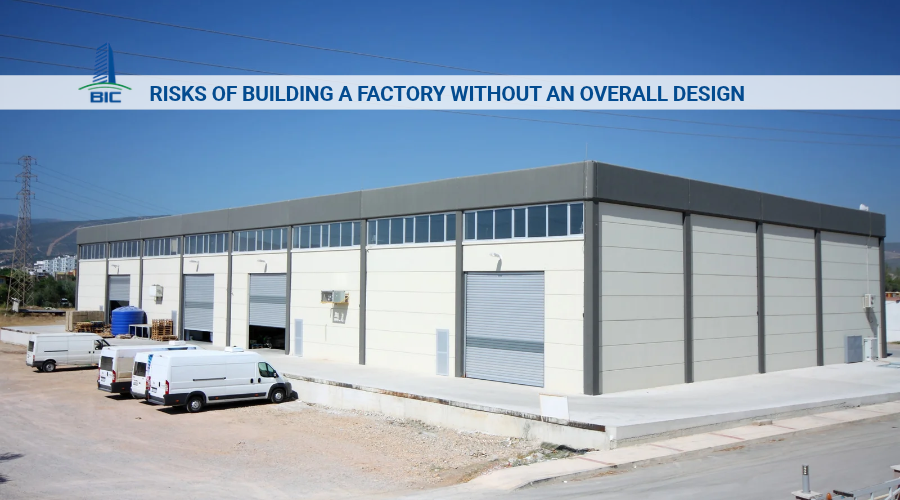
After completing the factory construction process, maintaining and servicing the factory plays a crucial role in preserving the building's quality and ensuring long-term stable operation. Without a periodic maintenance plan, the factory can quickly deteriorate, impacting production efficiency and posing safety risks to workers. Proper maintenance not only extends the building's lifespan but also helps save on large repair costs in the future.
One of the biggest advantages of post-construction factory maintenance is extending the building's lifespan. Elements such as the roof, walls, electrical, and plumbing systems, and infrastructure are affected by weather, the environment, and operational processes. Without regular inspections, issues like cracks, leaks, or corrosion can arise, leading to rapid deterioration of the structure. However, regular maintenance helps detect and promptly address these minor problems, keeping the factory in optimal condition and extending its usage time.
A factory is a workplace for hundreds, or even thousands, of employees. Without proper maintenance, building components may fail, posing dangers to workers. For example, electrical or plumbing failures can lead to fires or explosions, or weakened structures could collapse. Regular maintenance ensures the factory remains safe, allowing employees to work with peace of mind. Moreover, when technical systems such as electricity, water, and ventilation operate stably, it helps optimize production efficiency and avoids downtime caused by malfunctions.
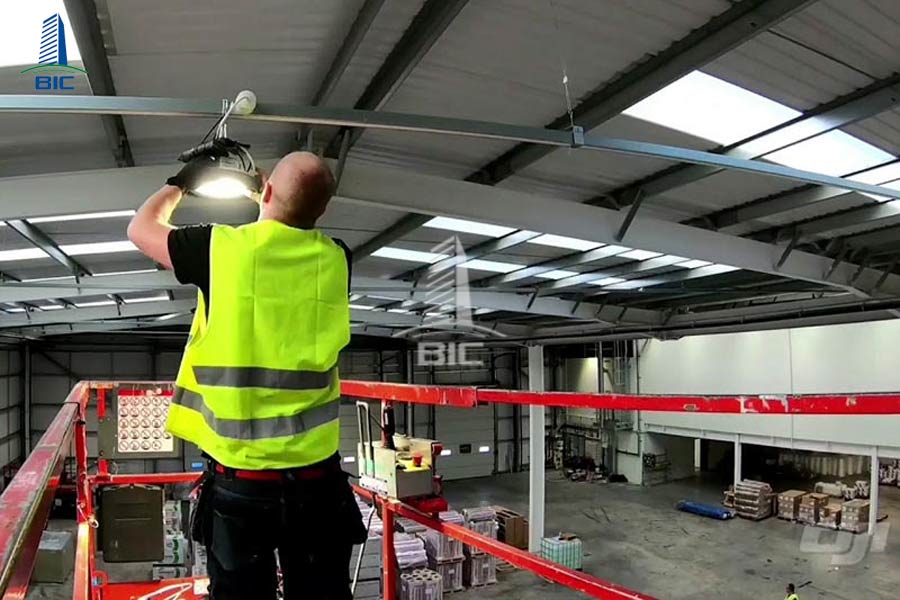
A factory that is not regularly maintained may face significant issues, such as structural damage, severe technical system failures, or the need for complete equipment replacement. The cost of fixing these major damages is often very high, not to mention the potential production stoppage during repairs. Periodic maintenance helps detect minor issues early, allowing for immediate resolution at a much lower cost. This not only helps save on large repair expenses but also minimizes operational downtime, ensuring smooth and continuous production.
The analysis shows that maintenance is not just an additional step but an essential factor in ensuring the long-term, safe, and stable operation of the factory.
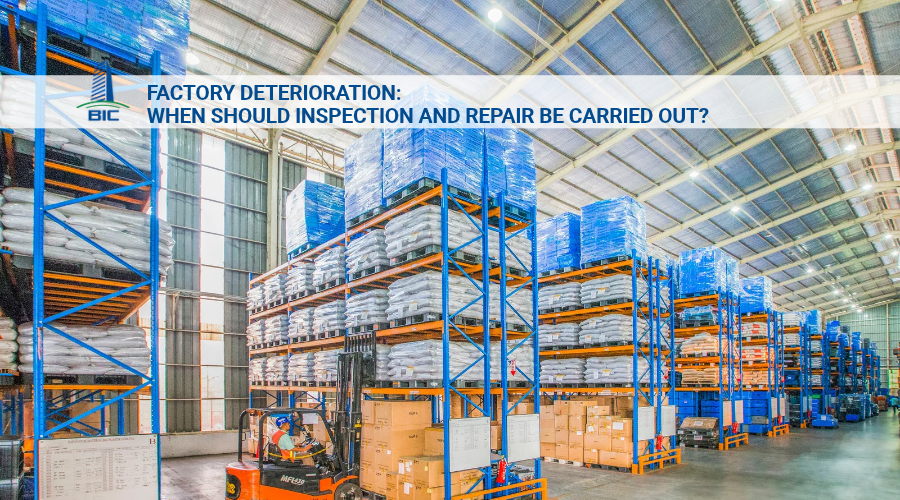
Regular inspection is the first and most crucial step in the factory maintenance process. Basic elements such as the roof, walls, foundation, and doors must be frequently checked to detect potential problems early. The roof may leak or be damaged by weather, while walls and foundations may crack due to environmental impacts or heavy loads. These minor issues, if not detected and handled promptly, can lead to serious damage, affecting the entire structure. Regular inspections help businesses identify early signs of deterioration, allowing for timely corrective measures and minimizing risks.
Technical systems like electricity, water, and ventilation are vital to factory operations. If these systems fail, it not only disrupts production but also endangers workers. Periodic maintenance of technical systems includes checking electrical lines, water pipes, and ventilation systems to ensure they always operate efficiently and safely. Particularly, these systems need cleaning, servicing, and timely replacement of old or damaged parts after factory construction to avoid overload, short circuits, or fires. Regular maintenance reduces the risk of accidents and optimizes the factory's working efficiency, ensuring continuous and uninterrupted production processes.
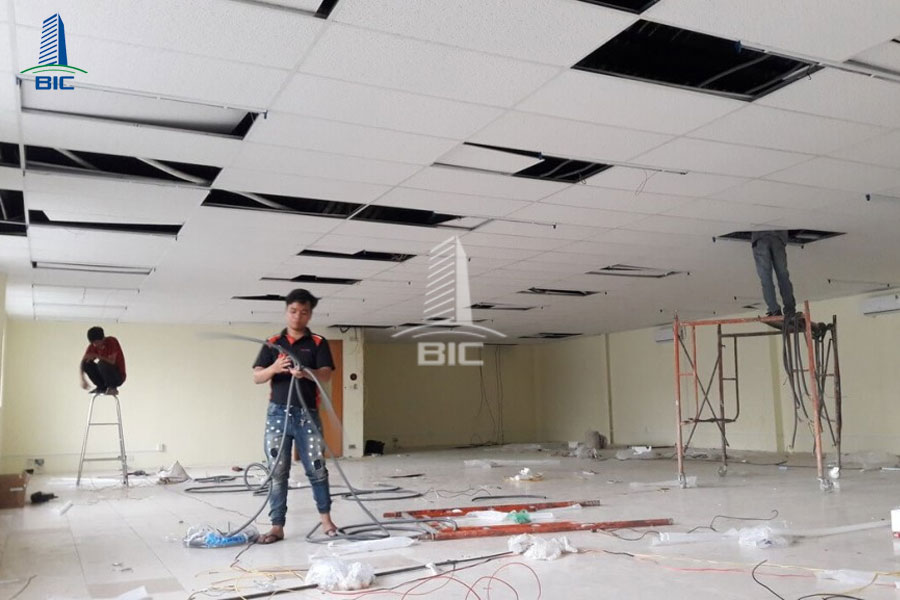
During maintenance, when severely damaged or non-functional components are found, timely repair and replacement are necessary. For significant issues such as weakened structures, severe water leaks, or technical equipment failures, immediate corrective measures are required to prevent widespread deterioration. Timely repairs protect the safety of employees and maintain the building’s stability. In cases where components cannot be repaired, replacing them with new materials or equipment ensures the factory remains in optimal working condition, maintaining production efficiency and long-term safety.
Detailed analysis shows that a scientific and strict maintenance procedure not only helps keep the factory safe and sustainable but also optimizes operating costs. Regular inspections, periodic maintenance, and timely repairs help businesses avoid risks and significant costs associated with severe damage, while increasing the efficiency and lifespan of the factory after construction.
One of the most important factors in ensuring an effective factory maintenance process is selecting a reputable contractor. An experienced and specialized contractor will provide maintenance solutions suitable to the specific characteristics of each project, while minimizing risks and unnecessary additional costs. Reputable contractors typically have skilled technical teams, use modern equipment, and follow professional procedures, ensuring the progress and quality of the project after maintenance. Choosing the wrong contractor may result in extended timelines, poor quality, or even damage to other components, forcing businesses to bear extra costs for subsequent repairs.
A maintenance plan is an indispensable factor in the factory maintenance process. A periodic maintenance plan helps businesses easily manage time and finances for the maintenance process. A detailed plan after completing factory construction will include components that need inspection, specific times for each maintenance period, and a budget estimate. This helps businesses arrange production activities so that they are not interrupted during maintenance while also forecasting future costs. Without a plan, businesses may face unexpected operational stoppages or incur higher expenses due to untimely maintenance.
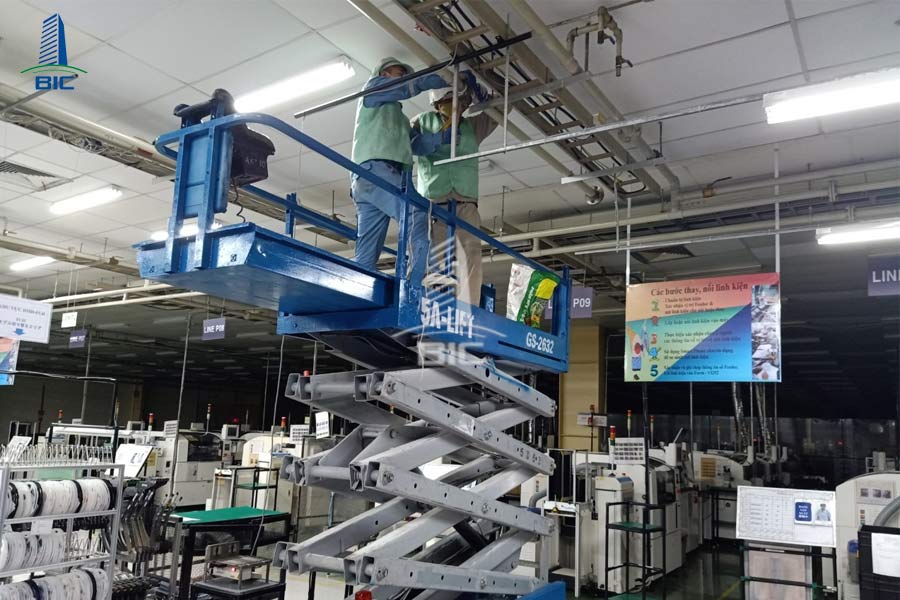
Using high-quality materials and maintenance equipment directly affects the efficiency and lifespan of the project after maintenance. Low-quality materials and equipment may save initial costs but will lead to rapid deterioration in the long term, increasing subsequent repair and maintenance costs. Conversely, high-quality materials and equipment not only help the building maintain its durability but also enhance its resilience to harsh environmental factors, ensuring worker safety and stable factory operation over the long term. This also helps businesses save on future maintenance costs, as frequent replacements or repairs are unnecessary.
In conclusion, factory maintenance is not only a necessary step after factory construction but also a continuous process that ensures the safety, efficiency, and longevity of the building. The benefits, such as prolonging the building's lifespan, ensuring worker safety, and reducing large repair costs in the future, prove that this is a necessary investment for any business.
To optimize this process, businesses need to focus on selecting reputable maintenance contractors, creating detailed periodic maintenance plans, and using high-quality materials and equipment. If you need more detailed information or in-depth consultation on factory maintenance, please contact BIC for support. With our experience and reputation in factory design and construction, we are committed to providing the best solutions for your project.