In today's industrial environment, factory renovation plays a crucial role in meeting increasingly demanding production requirements and ensuring worker safety. When factories become outdated or no longer meet current standards, renovation is the optimal solution for upgrading technical infrastructure, improving working conditions, and increasing production efficiency. This process not only helps to optimize costs but also extends the lifespan of the building, facilitating sustainable business development.
Before beginning a factory renovation, assessing the current state of the building is an essential step. A detailed survey will help you comprehensively evaluate the existing structure, from the foundation to the walls, ceilings, and other areas. Additionally, checking technical systems such as electricity, water, ventilation, and drainage is vital to uncover any hidden issues. For example, if the electrical system is outdated or insufficient, it must be upgraded to ensure safety and meet production demands after the renovation. By conducting a thorough assessment, you can avoid unexpected costs and ensure the renovation process proceeds smoothly.
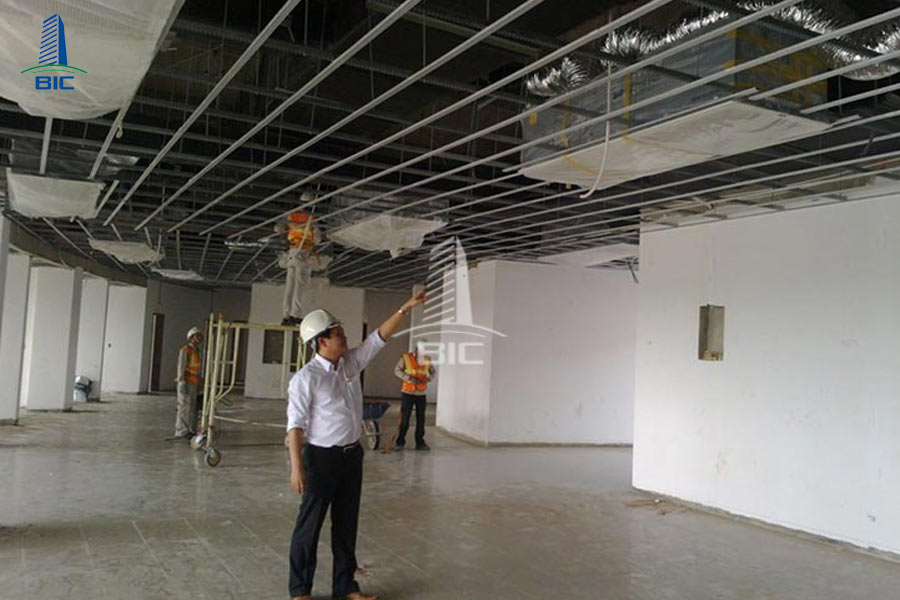
A detailed renovation plan ensures that the factory renovation project is executed efficiently and on schedule. First, clearly define the renovation objectives, including which elements need to be changed or improved in the factory. Based on this, create a specific plan for each step, from site preparation and dismantling old structures to installing new systems. Additionally, allocate a budget for each task to control costs and avoid waste. Completion time is also a crucial factor, so it’s essential to set specific timelines to ensure progress. Detailed planning helps you manage the project effectively and minimize risks, ensuring that the factory expansion and renovation project meets all requirements.
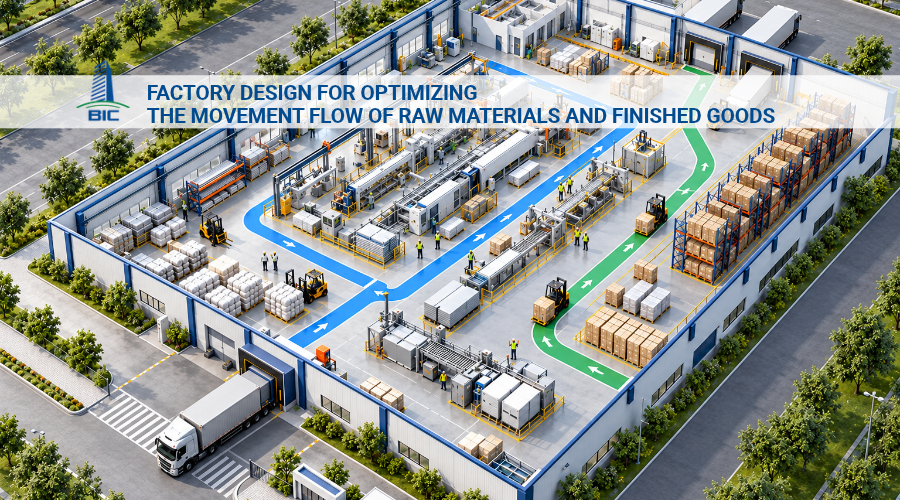
A well-planned factory design during renovation not only ensures efficient operations but also optimizes the functionality of the entire space. Scientifically dividing the space can improve production processes, minimizing time and effort spent on moving and arranging equipment. Production areas, warehouses, offices, and auxiliary zones need to be strategically placed to ensure seamless connectivity while maintaining safe distances between areas with different operational characteristics.
Moreover, worker safety must be prioritized in factory design. Adhering to fire safety regulations, ensuring escape routes, and equipping sufficient fire-fighting devices are mandatory. Environmental protection measures, such as wastewater treatment systems and waste management, should also be carefully considered to create a safe and sustainable working environment.
Energy-saving is another crucial aspect that should be integrated into factory design. Implementing solutions like energy-efficient LED lights, natural ventilation systems, and insulation materials will help reduce operating costs and protect the environment. Automation systems and smart controls can also be implemented to optimize energy use during production. A reasonable factory design not only brings economic benefits but also contributes to the sustainable development of the business.
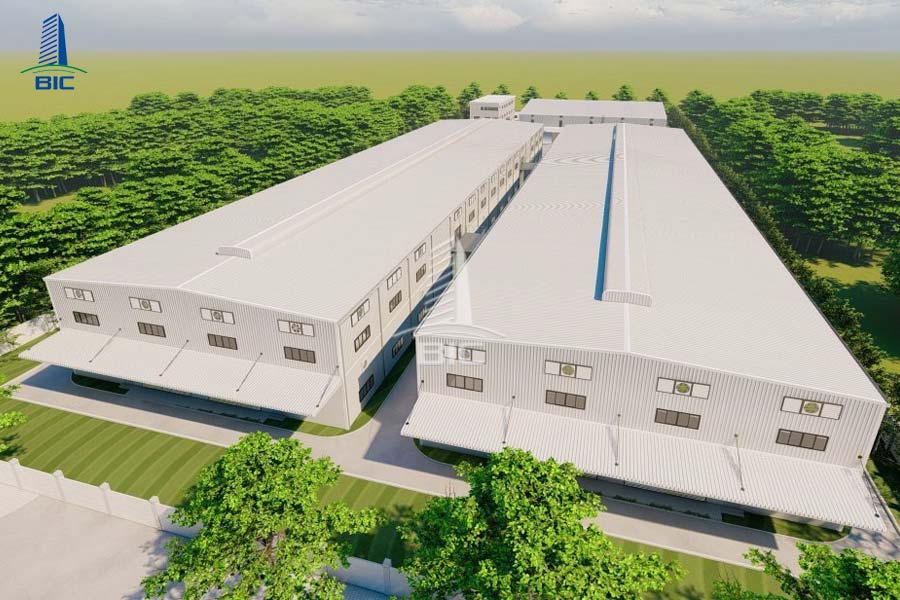
Selecting the right materials is a critical factor that directly affects the quality and longevity of the factory after renovation. To ensure the project meets standards, materials must satisfy requirements for durability, load-bearing capacity, and resistance to harsh environmental conditions such as temperature and high humidity. For example, in high-heat production areas, using high-quality insulating materials ensures safety and energy savings. Additionally, consider the cost and long-term maintenance potential of the materials. Comparing different materials on the market will help you find the optimal solution in terms of both cost and performance. By choosing the right materials, you not only ensure the renovation project meets high standards but also enhance production efficiency and worker safety in the factory.
Choosing a reputable contractor is a key factor in the success of a factory renovation project. To ensure quality and progress, carefully consider criteria such as the contractor's experience, capability, and reputation. An experienced contractor in factory renovation will understand technical requirements and know how to handle arising situations. The contractor's capacity, including the number and skills of their staff, as well as their ability to provide modern technological solutions, is also essential.
Additionally, the contractor's reputation can be evaluated through their completed projects and feedback from previous clients. Comparing different contractors by researching online information and consulting former clients will give you a more comprehensive view of their capabilities and reputation. Competitive pricing is also a factor to consider, but it should not be the primary focus if it compromises the project's quality.
Once you've selected a suitable contractor, signing a contract is the final step to protecting both parties' rights. The contract should clearly outline terms such as the scope of work, construction timeline, costs, and warranty provisions. This helps minimize disputes and ensures the renovation process goes smoothly.
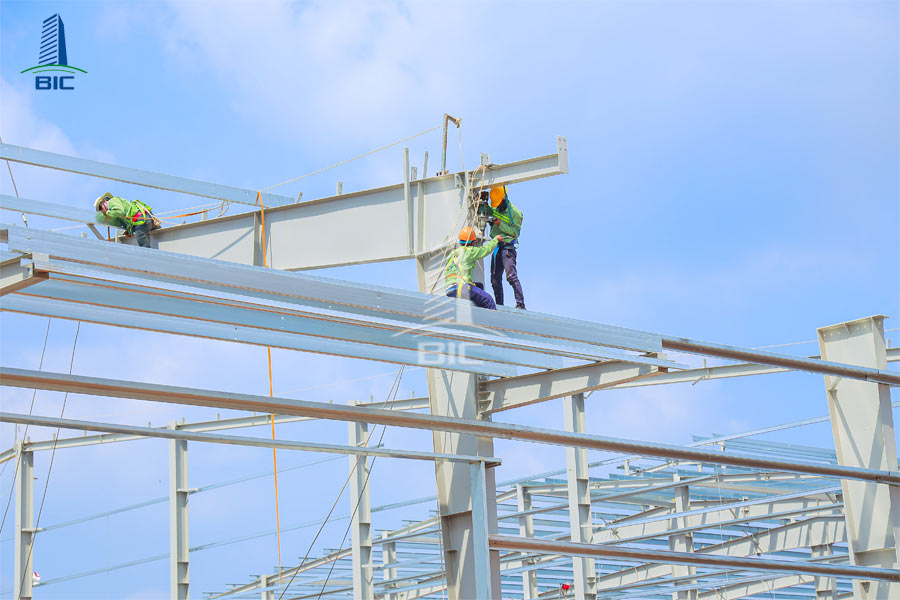
During the factory renovation process, complying with construction standards and legal regulations is mandatory to ensure the project meets safety and quality standards. These standards not only relate to structural requirements but also include labor safety, fire protection, and environmental protection. Failure to comply with these regulations can lead to severe consequences, such as administrative fines, suspension of construction, or even the dismantling of the project.
To ensure full compliance, thoroughly research current regulations and closely coordinate with relevant authorities when necessary. Additionally, choosing a consultant and contractor experienced in factory renovation is essential to help you avoid legal mistakes. By strictly adhering to standards and legal regulations, you not only protect your rights but also ensure that the factory renovation project will achieve high quality and safety during long-term use.
Factory renovation requires meticulous preparation and strict adherence to processes, from surveying, planning, and material selection to construction supervision. Each step plays a crucial role in ensuring that the factory, after renovation, will operate efficiently, safely, and sustainably. Particularly, choosing a reputable contractor and complying with construction standards will help you avoid unwanted risks and ensure the quality of the project. Contact BIC today—we will help you optimize costs, improve work efficiency, and create a modern, safe production environment for your business.