The textile industry is one of Vietnam's key sectors, playing a crucial role in both domestic and international markets. To meet the growing demand, the design and construction of textile factories are receiving more attention than ever before.
Industrial textile factory design not only requires compliance with technical standards but also optimizing production space and creating a safe working environment for workers. Investing in high-quality factory design and construction helps businesses minimize costs, enhance production efficiency, and ensure product quality. Today, BIC is pleased to introduce to our valued customers the important principles in designing and building industrial textile factories, contributing to the sustainable growth of businesses.
Factory design in the textile industry is especially important due to the following factors:
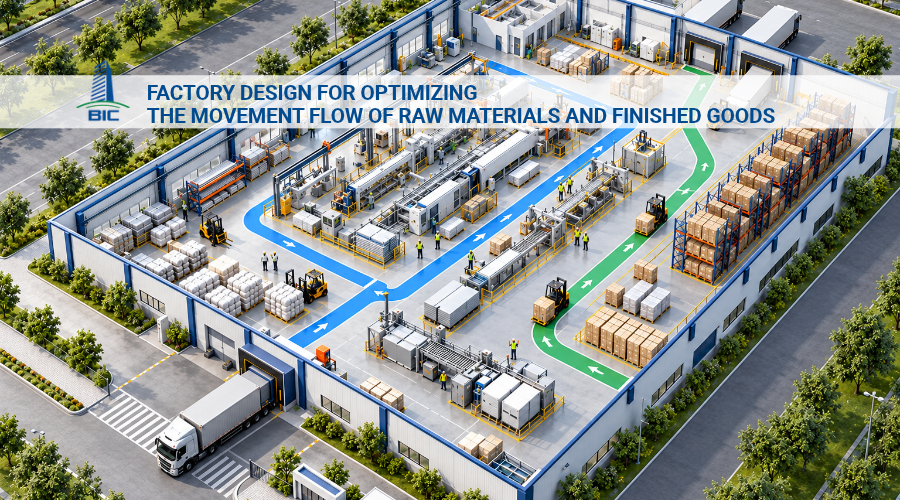
- Optimizing the production process: The textile industry demands a rational arrangement of machinery, production lines, and workspace. An optimized textile factory facilitates smooth workflow, reduces transition time between production stages, and thereby increases labor productivity.
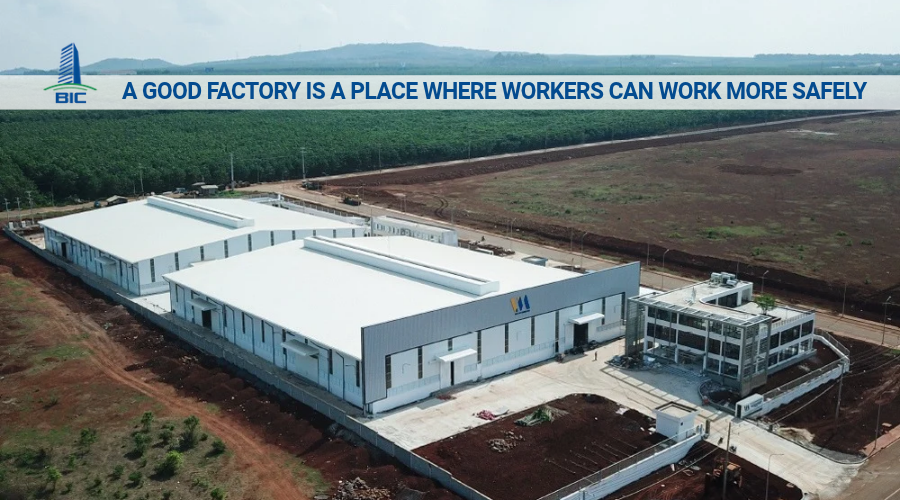
- Ensuring worker safety and health: The textile industry poses many health and safety risks due to repetitive work, exposure to fabric dust, and working in high-temperature environments. Factory design must consider elements such as ventilation systems, lighting, and reasonable workspace to create a safe and comfortable working environment for workers.
- Long-term cost savings: A well-designed factory optimizes energy use, waste management, and the performance of technical systems. This not only reduces operational costs but also extends the factory's lifespan, helping businesses save on repair and maintenance costs in the future.
- Meeting quality and environmental standards: The textile industry currently adheres to many standards regarding quality management and environmental protection, especially when exporting to international markets. Proper factory design and construction will help businesses comply with these regulations, ensuring their competitiveness in the global market.
- Adapting to development needs: The textile industry constantly evolves with changing demands and technologies, and flexible designs allow businesses to expand or adjust production processes as needed, helping them maintain competitiveness and sustainable growth.
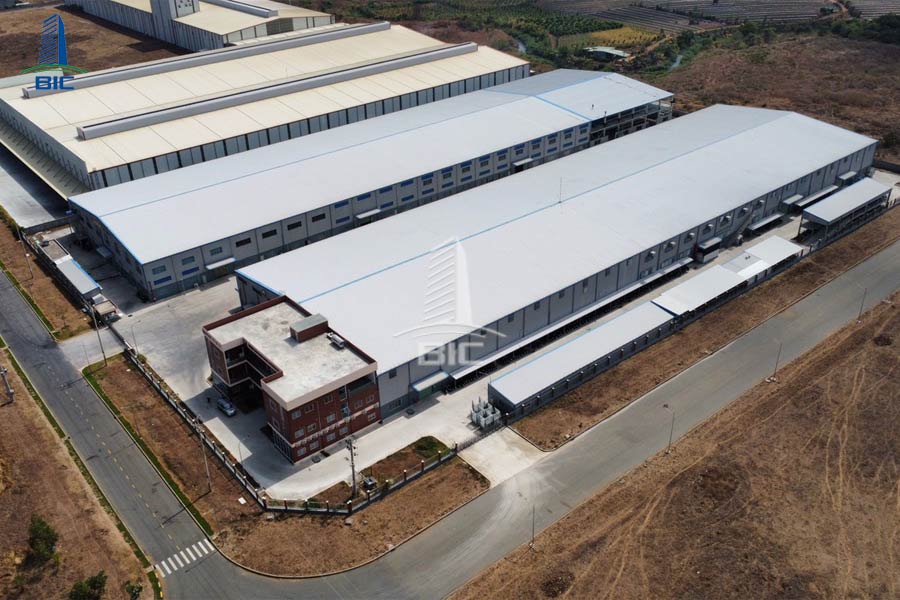
In the textile industry, selecting the appropriate factory design is a key factor in optimizing production and promoting sustainable growth. There are two popular industrial textile factory designs, each with its own advantages and disadvantages.
Traditional factories are typically constructed mainly from reinforced concrete, a common and long-standing building material in the construction industry. This design is a popular choice for businesses with limited budgets.
Advantages of traditional factories:
- High durability due to the solid reinforced concrete structure.
- Stability, minimizing risks of subsidence and deformation.
- Good load-bearing capacity, supporting heavy machinery and equipment.
- Long construction time due to the extended building process of reinforced concrete.
- High costs, as both construction materials and labor are expensive.
- Limited flexibility, making it difficult to alter the structure after completion.
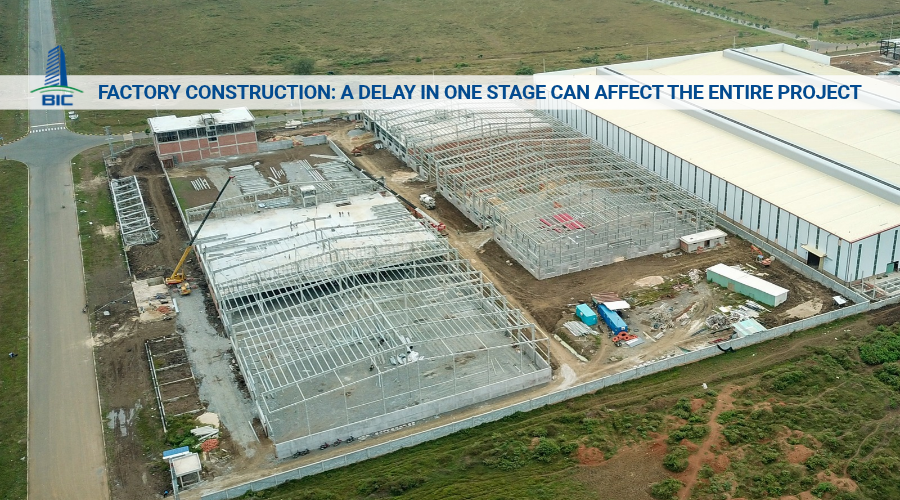
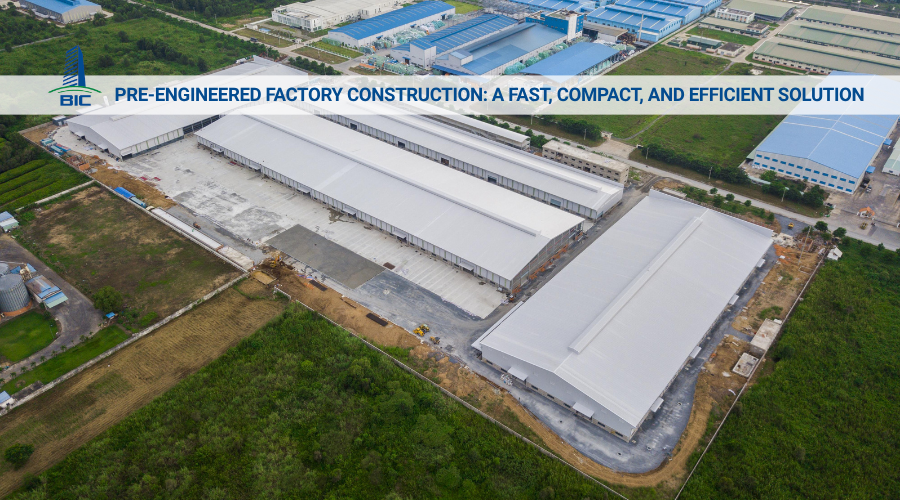
Today’s modern factory design is often referred to as a pre-engineered steel structure, also known as a pre-fabricated factory. This design is increasingly popular for meeting the strict demands of the textile industry.
Advantages of steel structure factories:
- Fast construction: Steel components are pre-fabricated and easily assembled on-site, shortening construction time compared to traditional methods.
- Cost-effective: While the initial investment may be high, short construction time and material savings reduce overall costs. Additionally, steel factories are easier to maintain and repair, saving long-term costs.
- Flexibility in design and expansion: Steel structures allow for easy expansion or functional changes, meeting the changing production needs of businesses.
- High load-bearing capacity and durability: Steel provides good load-bearing ability, ensuring stability and safety in heavy-load and harsh environments.
- Lightweight: Compared to concrete, steel is lighter, reducing foundation construction costs and overall project load.
- Fire resistance: Steel does not burn, enhancing safety in fire scenarios when combined with fire protection systems.
- Environmentally friendly: Steel is highly recyclable, reducing construction waste and conserving resources.
These features make steel-structured factories the optimal choice for many businesses, especially in industries that demand long-term flexibility and efficiency.
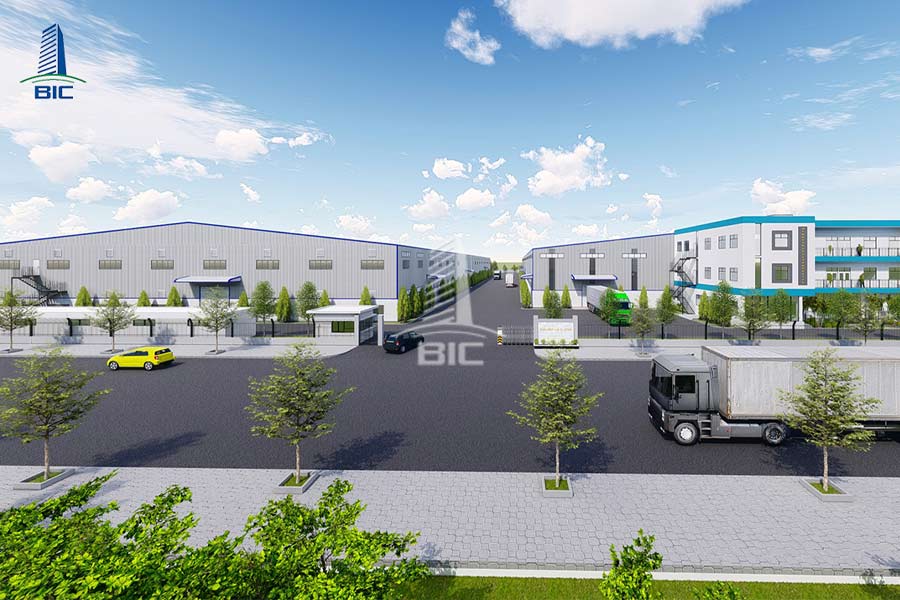
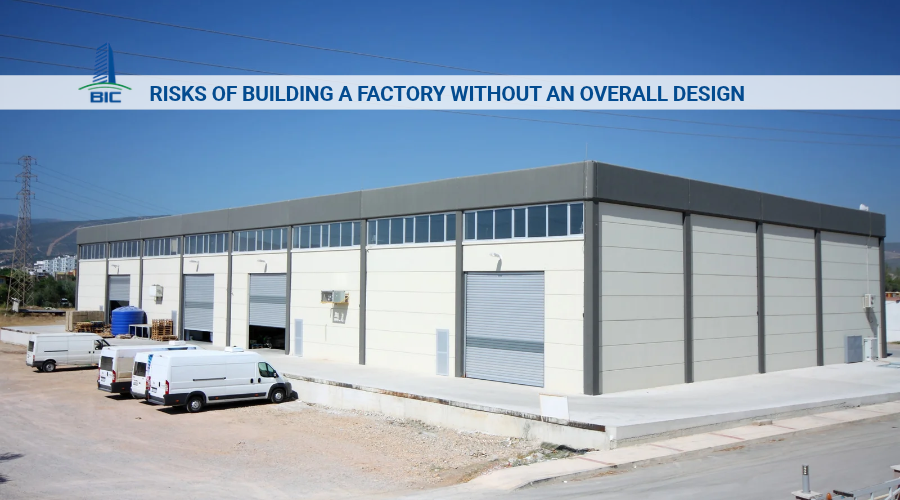
Selecting a professional factory design offers significant benefits for businesses:
- Cost savings: A professionally executed design helps minimize unnecessary costs during construction and operation. By optimizing factors such as space, technical systems, and production processes, businesses can save on construction, maintenance, and long-term operational costs.
- Enhanced production efficiency: An optimized textile factory improves workflow, reduces downtime, and increases labor productivity. Features like reasonable workspace layouts, effective ventilation systems, and advanced technologies help boost production efficiency and minimize operational risks.
- Product quality assurance: A professional design not only facilitates efficient production but also positively impacts the quality of the final product. Factors such as temperature control, humidity regulation, and cleanliness in the production space help maintain consistent product quality and minimize manufacturing errors.
Choosing a professional factory design not only helps save costs and enhance production efficiency but also contributes to improved product quality, increasing customer satisfaction and strengthening the business's competitive position in the market.
BIC is proud to be one of the leading companies in factory design and construction, especially in the textile industry. With many years of experience and outstanding achievements, BIC has built a strong reputation for professionalism and reliability in every project. Our team of engineers and experts not only possesses extensive knowledge of the industry but also constantly updates the latest technology to meet the diverse needs of our customers.
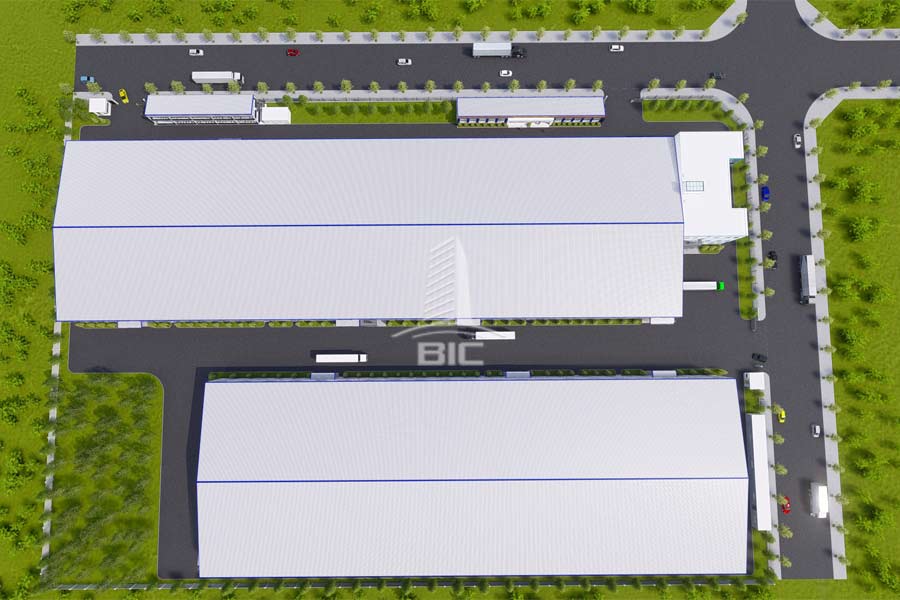
BIC has successfully completed numerous large-scale textile factory design projects, including facilities meeting international standards and stringent design and quality requirements. Notable projects include large factories integrating advanced technology and quality management systems, demonstrating BIC's ability to provide comprehensive and efficient solutions for the textile industry.
We are committed to delivering optimal solutions, from design to construction, ensuring quality and timely execution according to customer requirements. With a professional workflow and dedication, BIC guarantees that every project will be completed on time, meet the highest quality standards, and fully satisfy customer needs.
Choosing an industrial textile factory design not only helps save costs and enhance production efficiency but also ensures the quality of the final product. Investing in a professional design will bring long-term benefits to your business, from optimizing production processes to ensuring a safe and efficient working environment.
To learn more about how BIC can help you optimize your textile factory design and construction, contact us today. We are ready to provide free consultation and legal support.