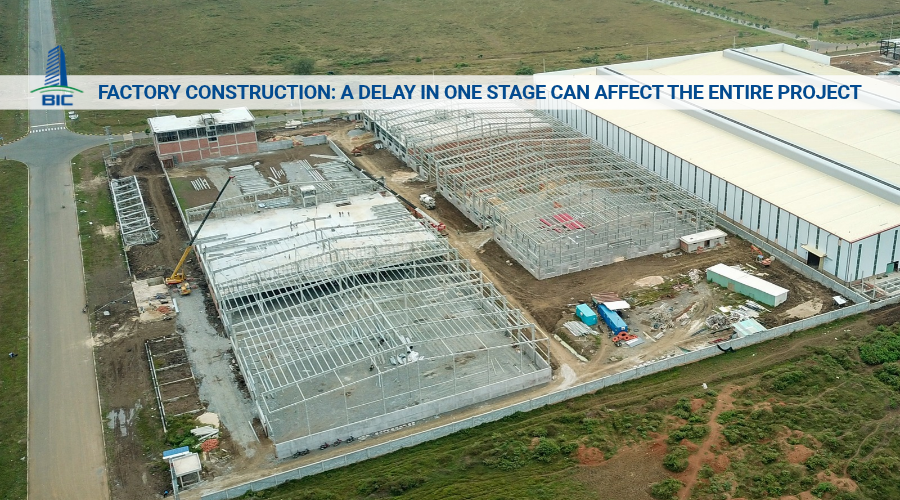
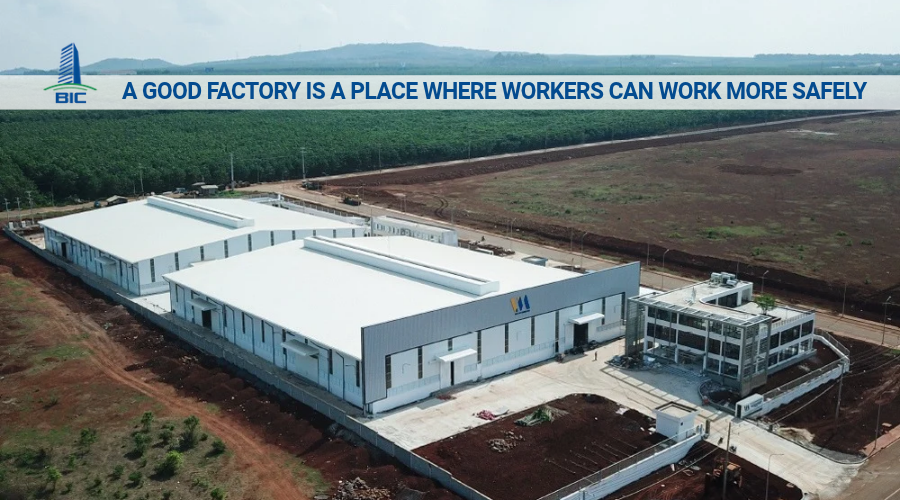
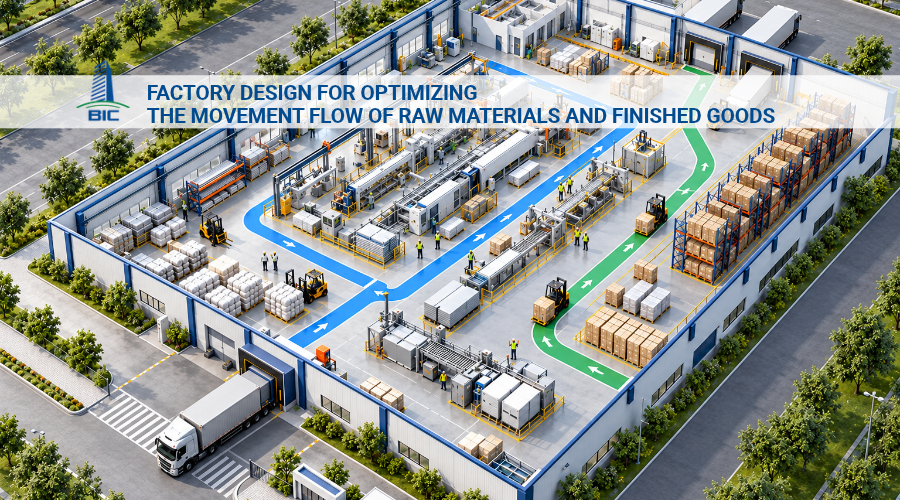
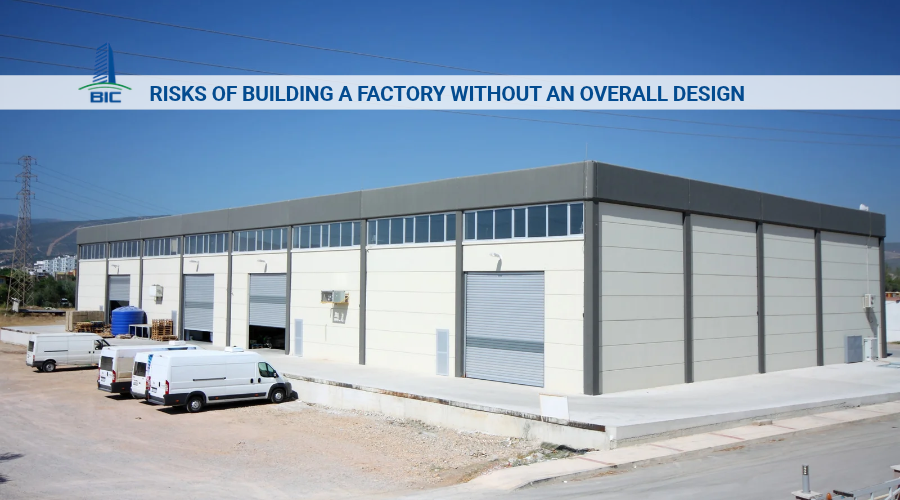
Constructing a factory is a complex process requiring professionalism to create efficient production and storage spaces that meet the needs of businesses. Choosing a reputable and experienced contractor ensures project quality, cost optimization, and timely completion.
The cost estimate for factory construction depends on various factors, so there is no fixed price for all cases. To receive the most detailed and accurate quotation, please contact BIC via hotline: 0901.815.069. Our team of architects will provide consultation on the most suitable factory construction solutions along with a specific and detailed quote.
The cost estimate for factory construction is influenced by numerous factors that need to be carefully considered to provide a reasonable and accurate price. The main factors include:
- Area and scale of the factory: The larger the area and the more complex the scale, the higher the construction cost. This includes both the construction area and the actual usable area.
- Building materials: The choice of materials such as steel, concrete, roofing sheets, and other finishing materials significantly affects the construction cost. High-quality materials generally come with higher prices.
- Construction time: The project completion time is also a crucial factor. Fast-track construction may require higher costs due to the need for increased labor and equipment.
- Construction location: The construction site location affects the transportation costs of materials, machinery, and labor. Areas with difficult terrain or remote locations will increase costs.
- Technical and design requirements: Special technical requirements, complex designs, or higher construction standards will increase construction costs. This includes the application of modern technology and advanced technical solutions.
Understanding these factors helps investors accurately plan their finances and avoid unexpected costs during construction.
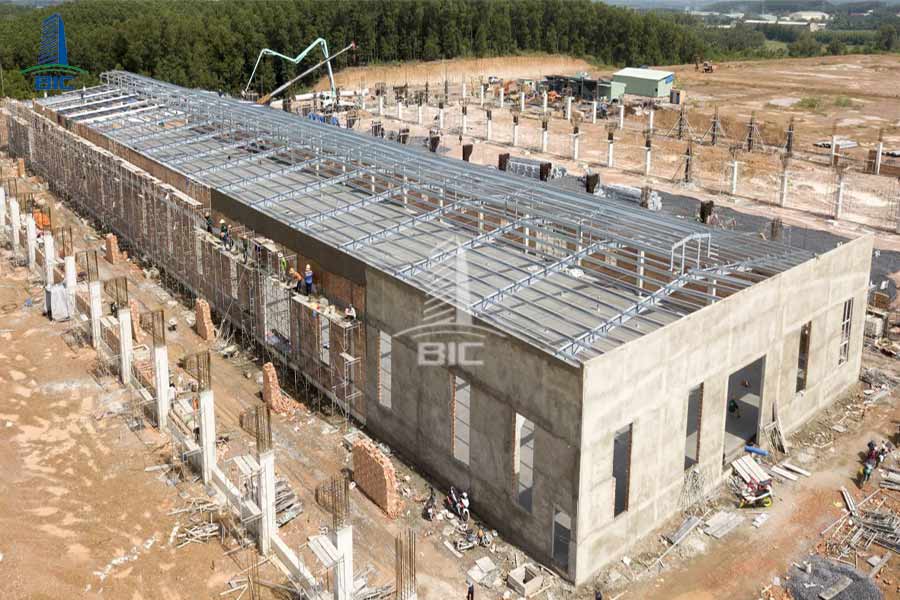
BIC is a professional factory and pre-engineered steel building design and construction company, offering services from design to the complete construction of industrial factory projects. Below is a reference price list for factory construction, helping customers easily grasp and estimate construction costs. For the most accurate and detailed quotation, please contact us directly via hotline: 0901.815.069.
The price list depends on various factors, here is just a reference price for factory construction:
|
No. |
Item |
Reference Price |
Note |
|
1 |
Construction steel permit application |
50,000,000 – 200,000,000 VND/file |
Free legal consultation support |
|
2 |
Full package factory design |
30,000 – 80,000 VND/m² |
Contact for detailed quotation |
|
3 |
Factory construction (pre-engineered, reinforced concrete, warehouse, etc.) |
850,000 – 1,500,000 VND/m² |
Contact for detailed quotation |
|
4 |
Electrical system construction |
30,000 – 50,000 VND/m² |
Contact for detailed quotation |
|
5 |
Fire protection system construction (fire fighting) |
14,000 – 18,000 VND/m² |
Contact for detailed quotation |
|
6 |
Factory completion |
30,000,000 – 200,000,000 VND/file |
Free legal consultation support |
Foundation construction is the first and crucial step, determining the durability of the entire project. Therefore, the factory foundation construction process must be thoroughly executed through the following steps:
- Land leveling: Depending on the actual condition of the land at the construction site, the contractor will level the ground to ensure a flat surface and appropriate compaction.
- Axis positioning: This is an important step as the axis determines the exact positions of the column foundations according to the design drawings. Accurate axis positioning ensures the overall project's precision.
- Fence foundation excavation: For large factory construction areas, the surrounding fence system must be high and long, thus requiring a sturdy foundation to ensure safety.
- Foundation and girder construction: Foundation and girder construction is based on the determined axis positions. Factory foundations are usually made of reinforced concrete, designed as either single foundations or pile foundations, depending on the project's specific characteristics.
- Soil compaction: After completing the foundation, the ground will be leveled and compacted to the required density according to the design, ensuring a sturdy foundation.
- Rock base compaction: The rock base layer must have the thickness and density standards as per the design, ensuring the durability and stability of the entire factory floor.
- Factory floor construction: Finally, after completing the above steps, the contractor will proceed with steel reinforcement and concrete pouring to complete the factory floor, creating a solid and durable foundation.
The pre-engineered steel frame acts as the backbone of the factory and is one of the key stages in the factory construction process. To ensure the steel frame's stability and load-bearing capacity, contractors need to accurately and carefully execute the following steps:
- Fabrication and transportation of steel frames and columns: Steel frames and columns are fabricated at the factory and then transported to the site. Installation will follow the design drawings and on-site adjustments to ensure accuracy.
- Frame and column installation: The construction team will install the frames and columns from the pre-determined fixed points. This process includes using modern measuring equipment like laser projectors and theodolites to ensure precision and uniformity in installation.
- Purlin and brace installation: After completing the frame and column, the team will continue to install the purlin and braces to reinforce and enhance the stability of the entire steel frame structure. This installation must be meticulously and accurately done to avoid unwanted deviations.
- Inspection and adjustment: After completing the installation steps, the contractor will inspect the entire steel frame system to ensure that all details are correctly positioned and meet technical standards.
The pre-engineered steel frame installation process requires professionalism and high technical standards to ensure the project's safety and durability.
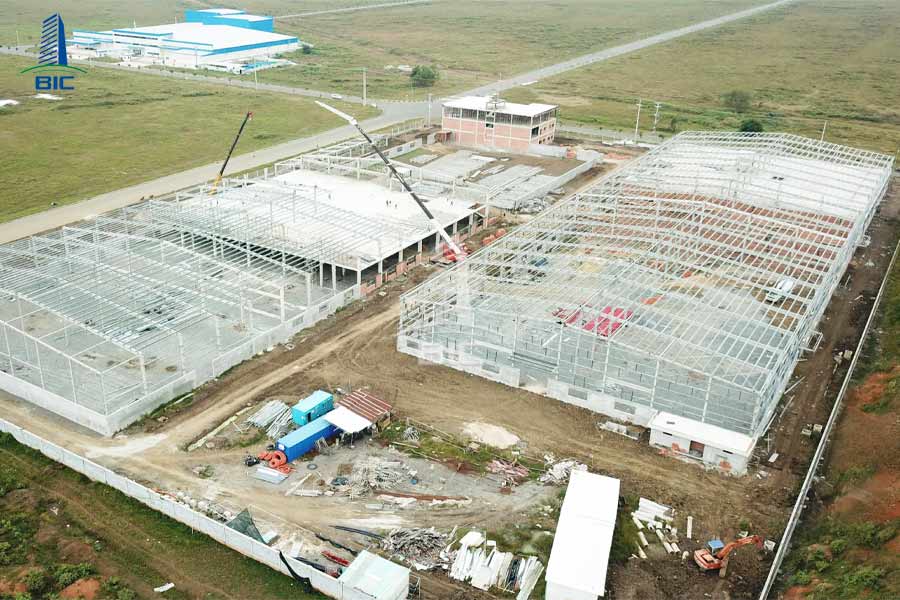
Constructing the factory's outer walls and internal partitions is an important phase in the factory construction process, ensuring adherence to the design and tight integration with the steel frame.
- Perimeter wall and partition construction: The outer walls and internal partitions can be built from materials like corrugated iron, bricks, and fire-resistant materials such as Gywall drywall or insulation materials like Smartboard. This process must ensure precision and technical requirements to meet safety and load-bearing standards.
- Door and window installation: After completing the wall and partition construction, the technical team will install doors, windows, and ventilation grilles. This requires careful inspection of the bolts and connection points to ensure that the interior space is not exposed to leaks or water ingress during rain.
- Roof sheet installation: Installing the roof sheets requires high accuracy as it is a crucial reference point for the subsequent layers of roof sheets. The roof sheets must be correctly structured, and the joints must be aligned and perpendicular to the purlin beams.
- Roof insulation: Special attention is required for roof insulation to limit the penetration of hot and cold air from outside into the production area. The insulation layer needs to be installed without wrinkles, creases, ensuring straight and accurate joints.
Constructing perimeter walls and roofing not only ensures safety and load-bearing capacity but also determines the production efficiency and energy savings in factory construction. Therefore, these phases need to be carefully and professionally executed.
Building the infrastructure system around the factory is an important step to ensure smooth production operations and cargo transportation. Infrastructure items include:
- Drainage system: Building a drainage system to efficiently regulate and drain rainwater, ensuring the area around the factory is always dry and safe.
- Yard and access roads: Constructing yards for parking and cargo transportation, as well as access roads to facilitate easy and safe vehicle movement in and out of the factory.
- Warehouse area: Designing and building storage areas to store goods, ensuring spacious and well-arranged warehouse spaces for convenient import and export activities.
These infrastructure construction works not only provide a physical foundation for production activities but also enhance efficiency and safety in factory management. Careful and professional execution in each step of factory construction is crucial to ensure the completeness and sustainability of the surrounding infrastructure.
After completing the infrastructure construction phases, the next step in the factory construction process is to construct the necessary technical systems to ensure smooth and efficient factory operations. These technical systems include:
- Electrical system: Constructing the electrical system to provide a stable power supply for the entire factory and production equipment. Ensuring safe and efficient power supply for production activities.
- Water system: Building the water supply and drainage system to ensure clean water supply and effective wastewater treatment in the factory.
- Fire protection system: Constructing the fire protection system to ensure safety in case of fire or explosion incidents.
- Waste treatment system: Building a system for collecting, treating, and recycling waste from production activities in the factory.
- Communication system: Installing the communication system to optimize factory management and operation.
Constructing the factory with these technical systems not only ensures the sustainable operation of the factory but also enhances production efficiency and labor safety. These phases must be precisely and standardly executed to meet the technical and safety standards in the industry.

After completing the construction and finishing phases, the final step is landscaping to create a friendly and convenient environment around the factory for production activities. This work includes:
- Creating green areas: Establishing green areas with trees, grass, and plant systems to beautify the surroundings of the factory.
- Installing outdoor lighting: Constructing outdoor lighting systems to ensure lighting for the surrounding area and create a safe working environment.
- Decorating the entrance: Designing and decorating the factory entrance to create a professional and appealing look.
Factory construction must ensure all work items are completed professionally and adhere to technical standards to create an efficient and sustainable working environment for the factory.
After completing the construction process and all work items, the final step is to clean and hand over the factory to the investor. The cleaning and handover process includes:
- Final cleaning: Cleaning all areas inside and outside the factory, ensuring a clean and orderly environment.
- Inspection and testing: Conducting inspections and testing all systems and equipment to ensure they operate stably and meet technical standards.
- Project handover: Conducting the handover procedures for the factory, including signing the acceptance documents and handing over the entire factory to the investor.
Factory construction must be done professionally and meet all technical standards to ensure the investor receives a complete and efficient factory, serving the production and business activities of the business.
Choosing a reputable factory construction company brings many important benefits to investors. Here are three key points:
1. Quality Commitment: A reputable construction company is committed to delivering the highest quality products and services. They adhere to strict technical standards and use modern materials and technologies to ensure the durability and safety of the project.
2. On-Time Completion: An important factor when choosing a reputable factory construction company is their ability to complete the project on time. They have a well-organized work plan and efficient project management, ensuring the project is completed on schedule and ready for use as planned by the investor.
3. Warranty and Maintenance: A reputable company always commits to providing warranty and maintenance services after project completion. They offer professional after-sales support to ensure any technical issues that may arise after use are promptly and effectively resolved.
Choosing a reputable construction company not only provides peace of mind regarding the quality and timeline of the factory construction but also ensures satisfaction and trust from the investor towards the construction project.
BIC specializes in designing and constructing high-quality and efficient factories, providing optimal solutions for customers. With our experienced team of architects and engineers, we commit to bringing the best factory construction solutions for your business.
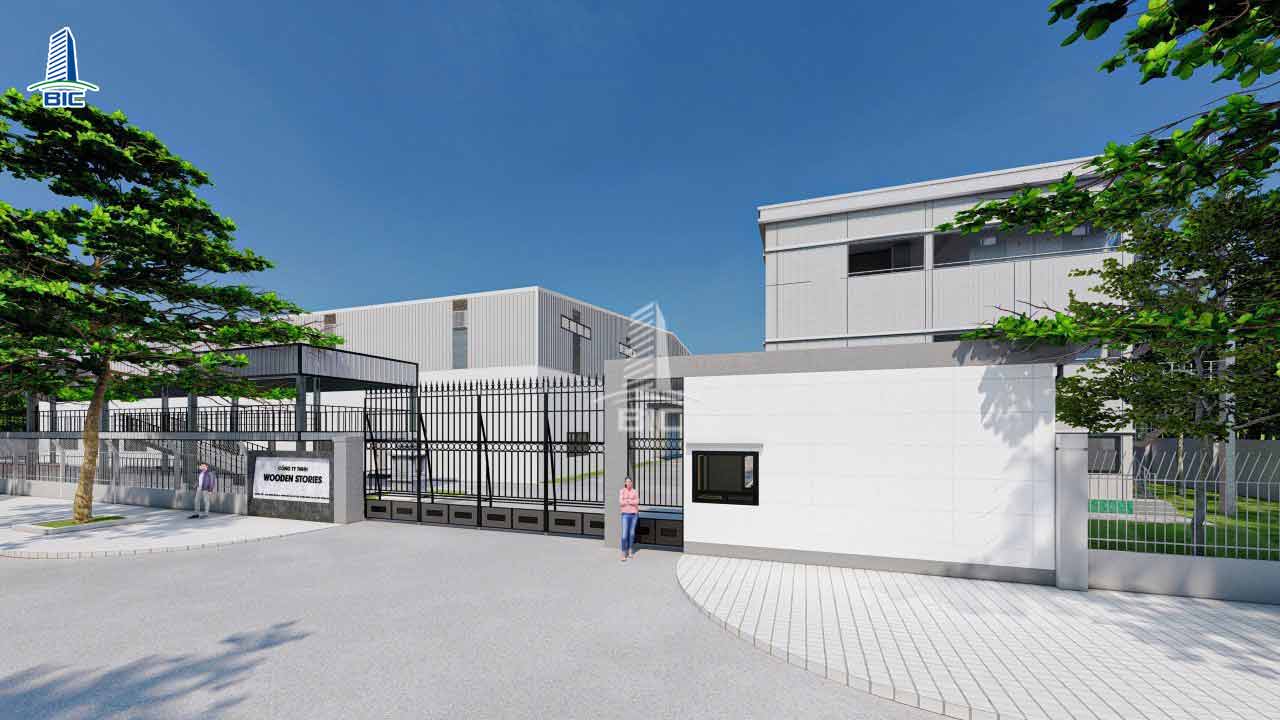
- Wooden Stories expanding factory
.jpg)
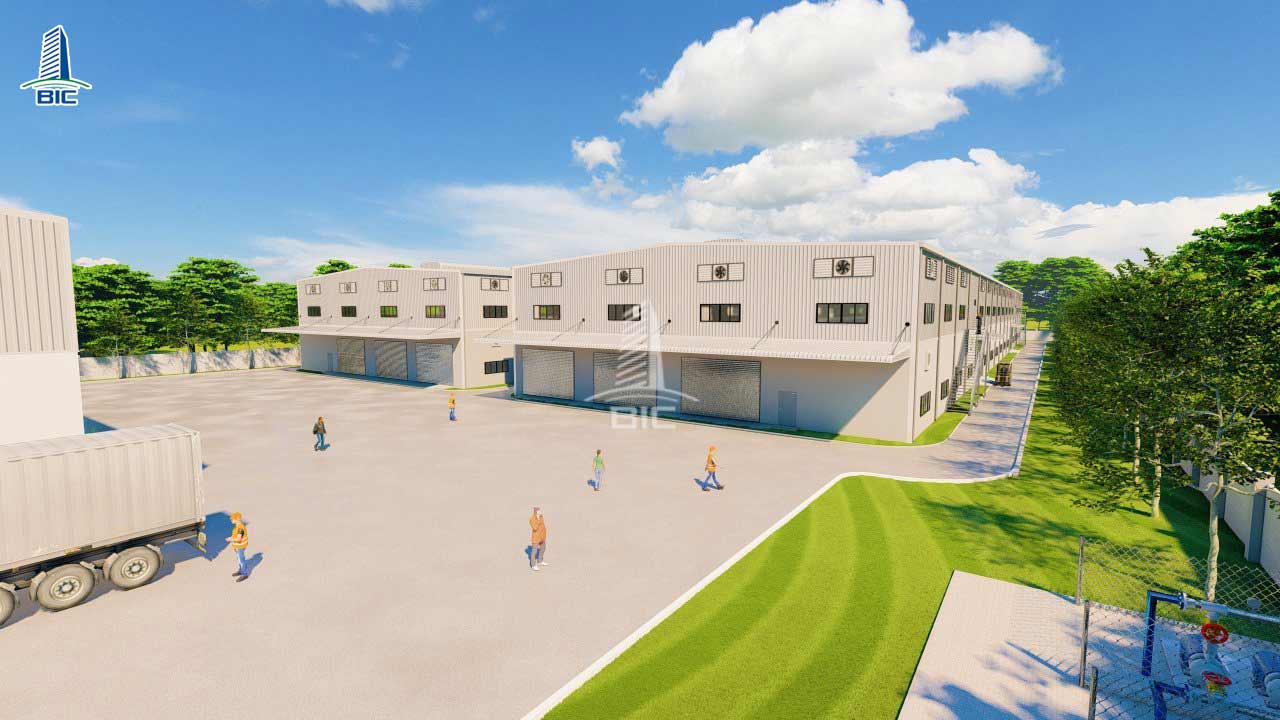
- Merry Vietnam textile workshop
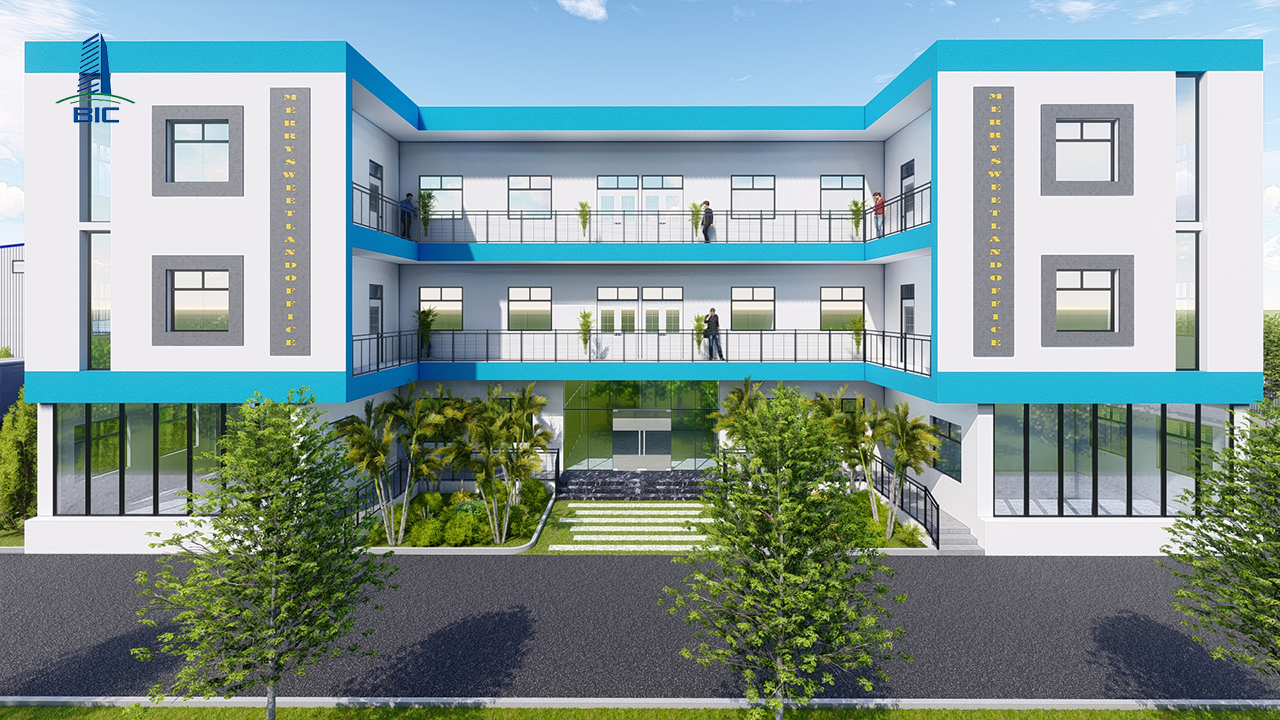
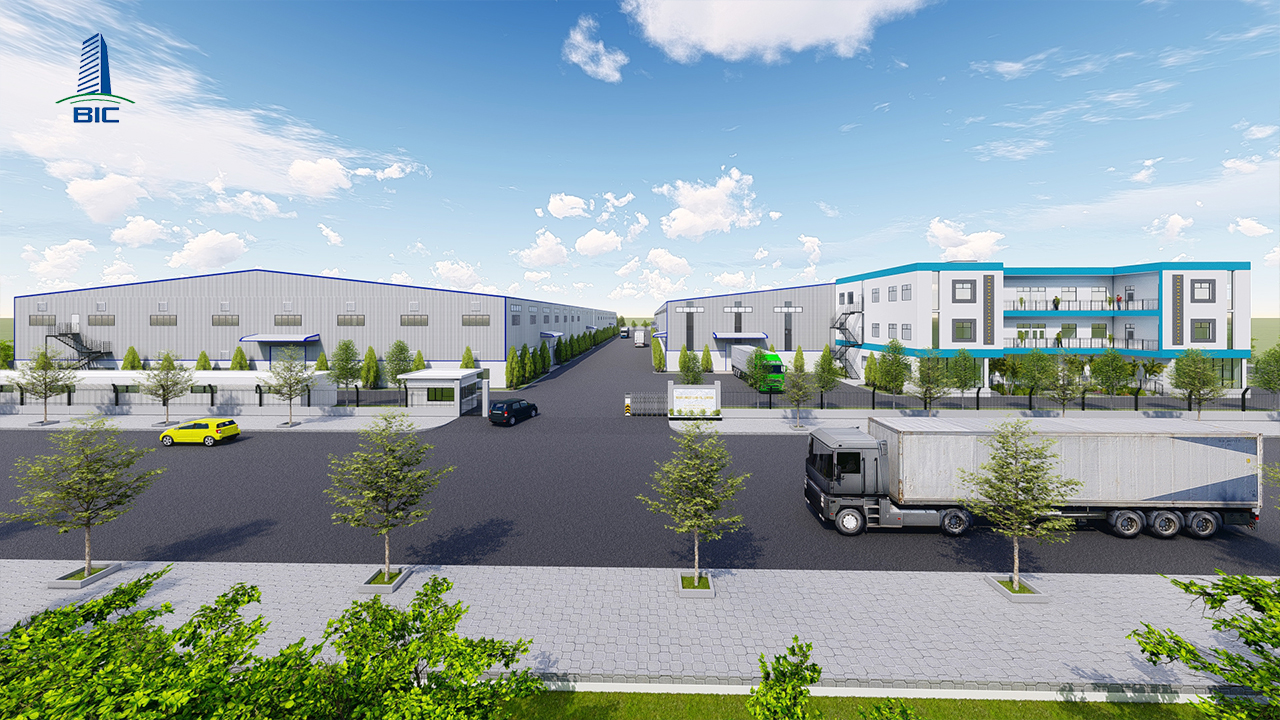
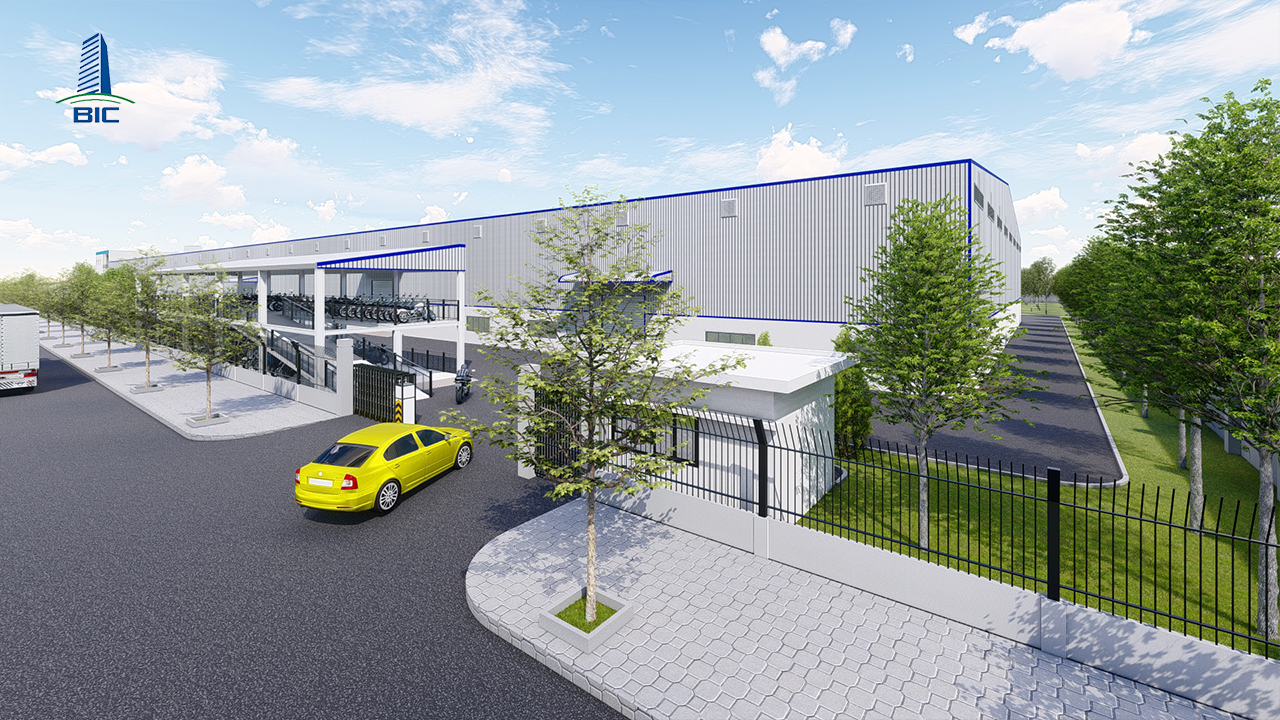
- Viet My wood production workshop
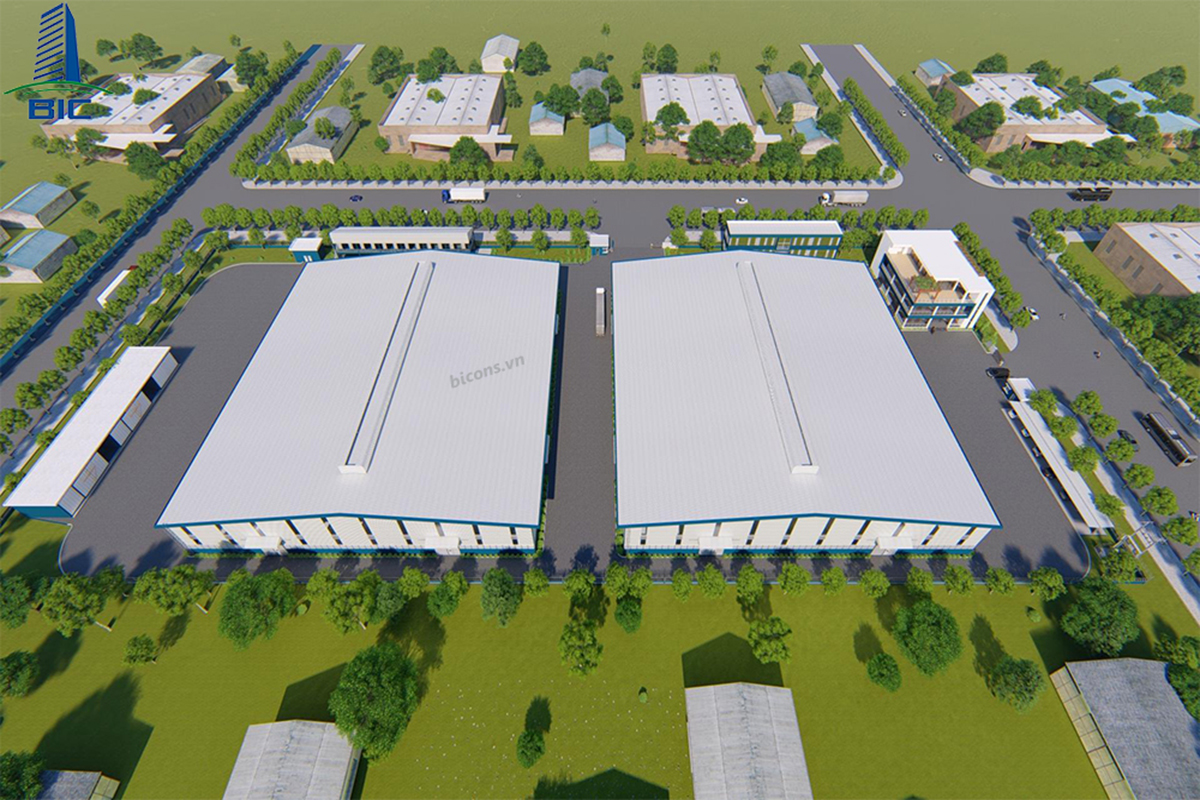
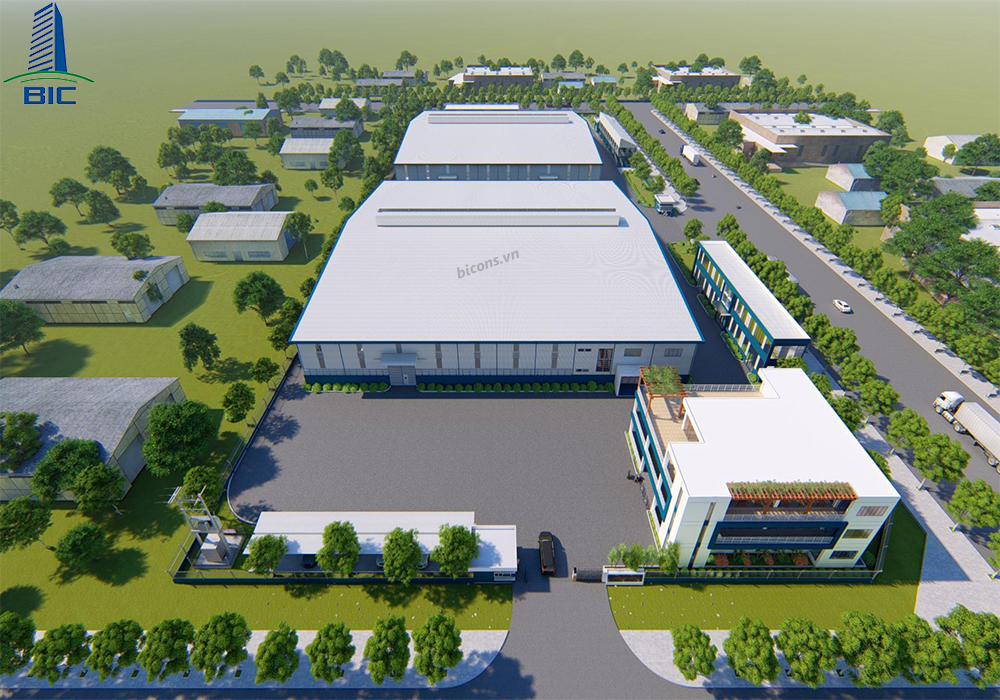
.jpg)
- Sevico Vietnam Joint Stock Company factory
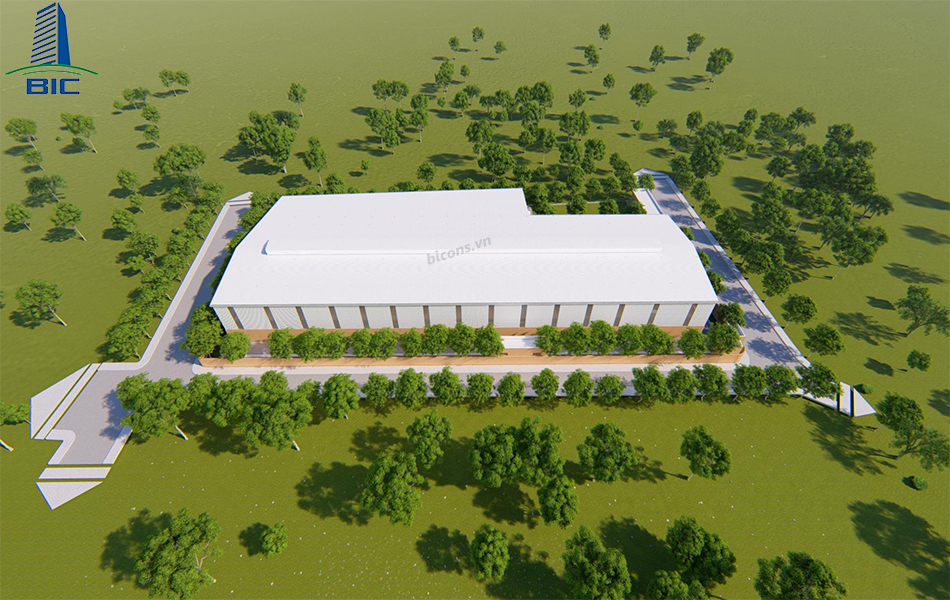
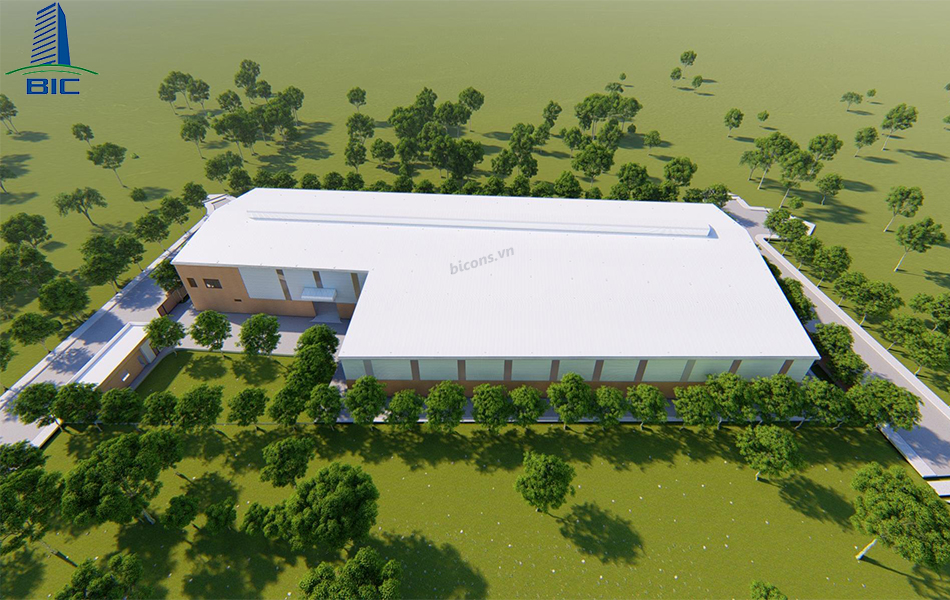
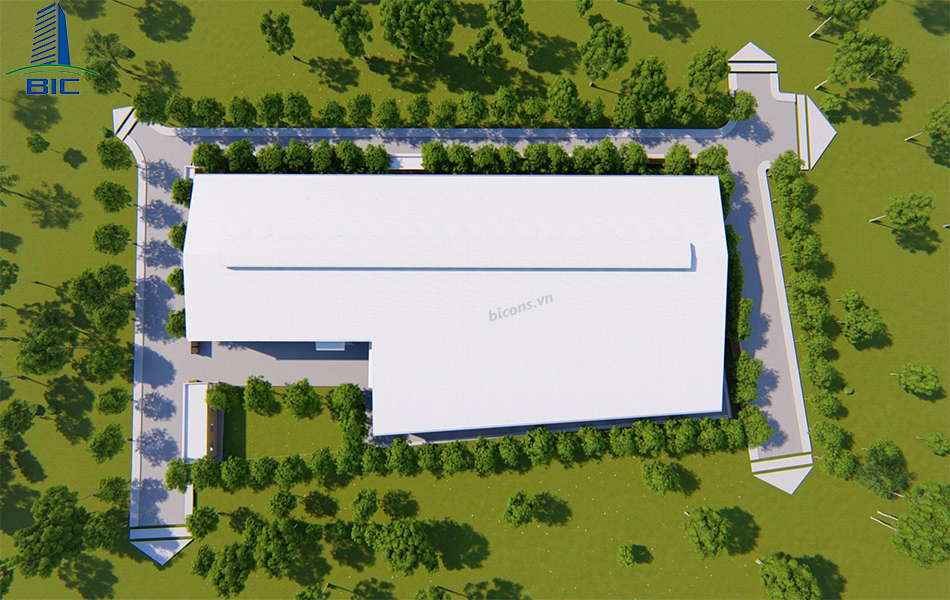
- Arnepland Vietnam factory
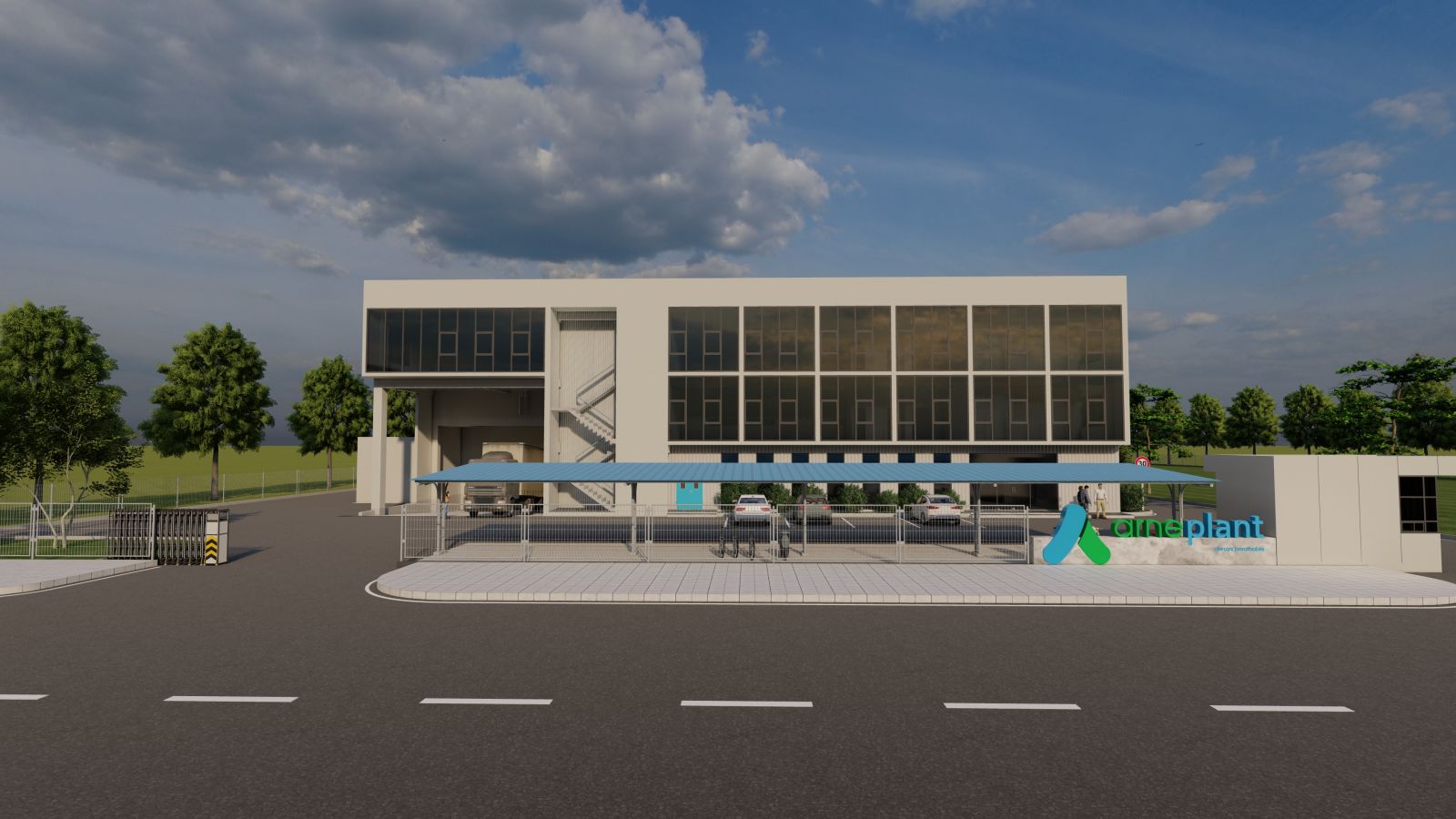
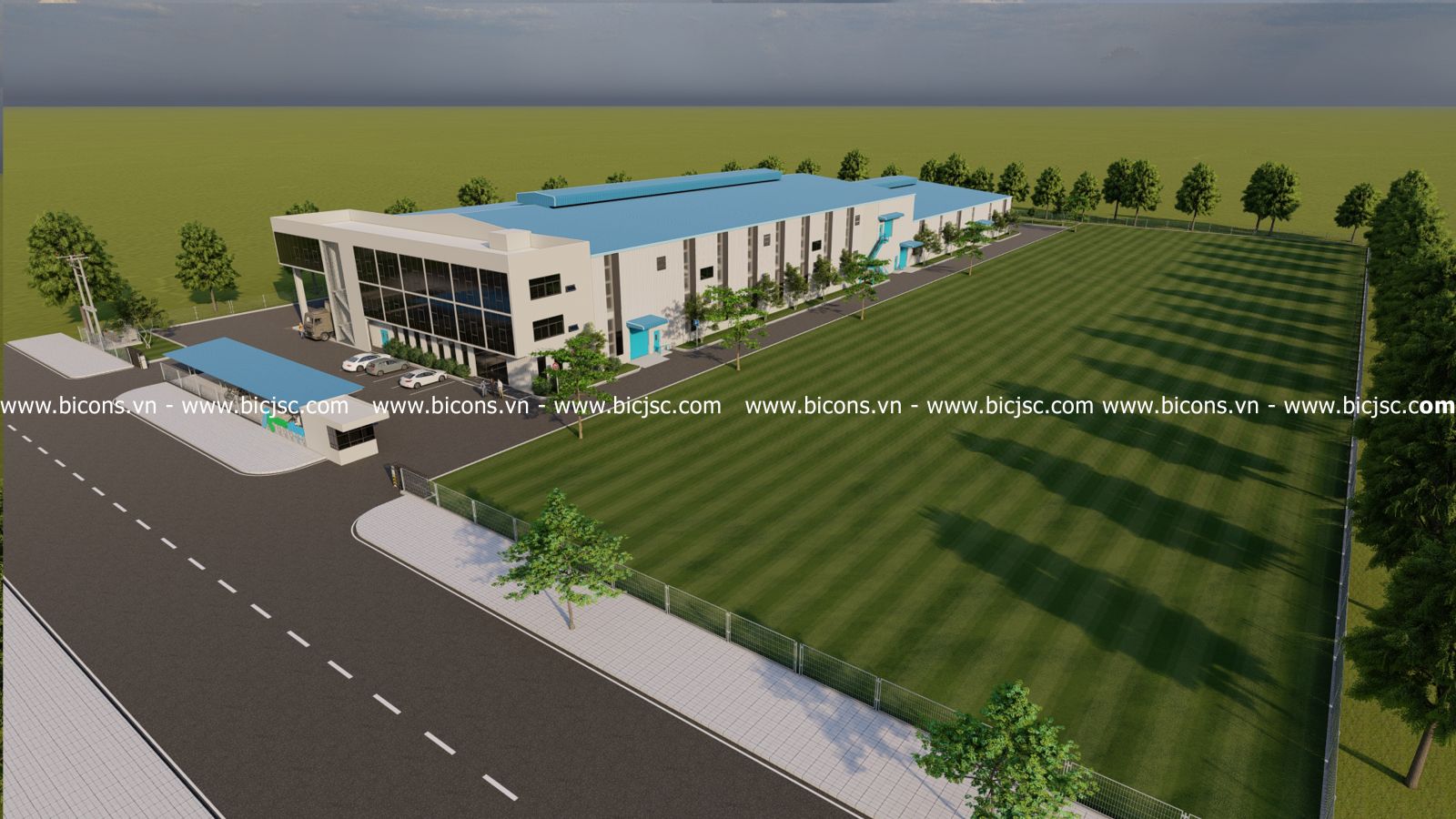
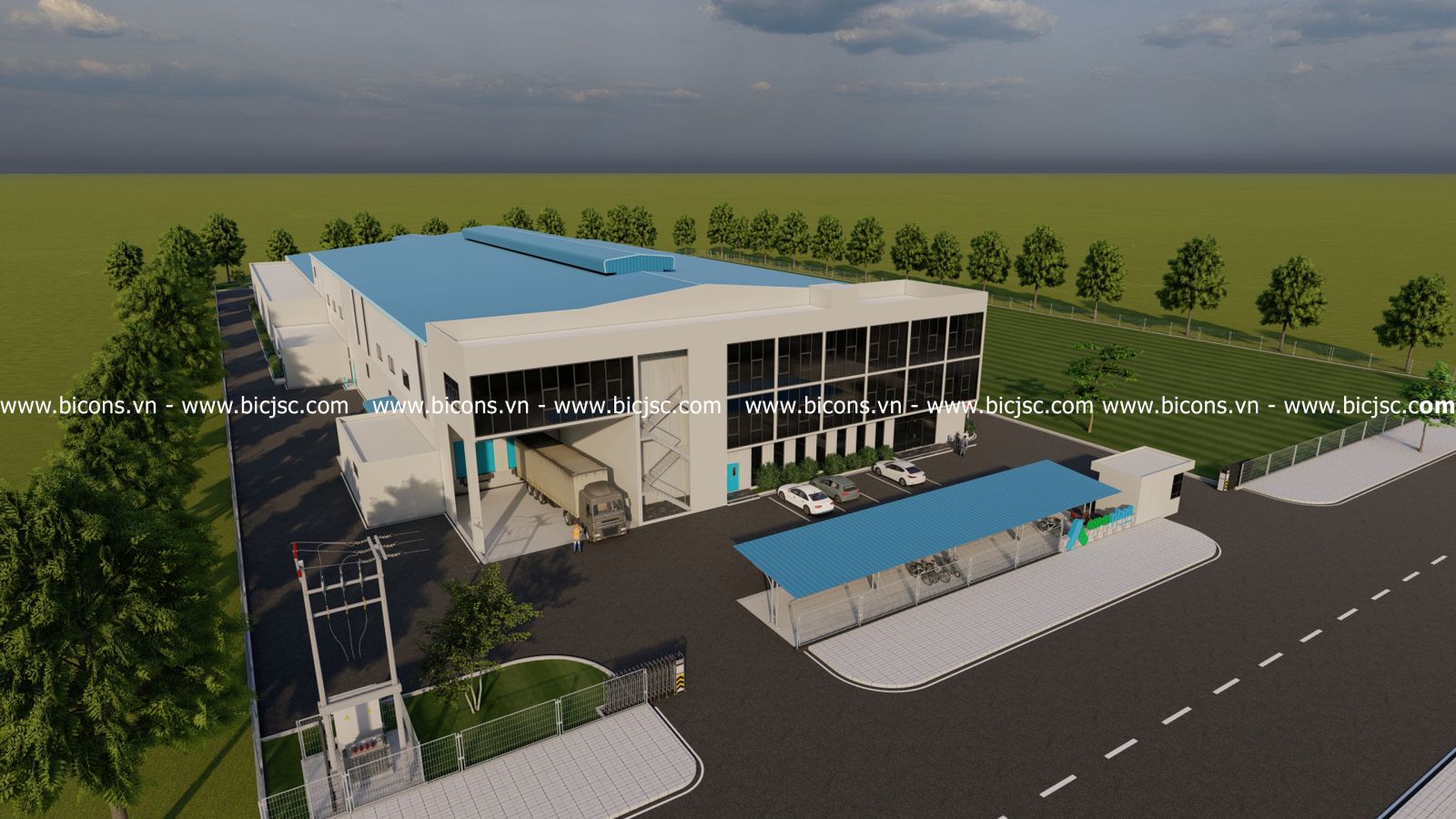
- Ecopack Print packaging printing factory
For detailed consultation and quotation, please contact BIC via hotline: 0901.815.069. Our team will promptly support and provide detailed information on the construction process, ensuring the most accurate and efficient construction plan for your factory project.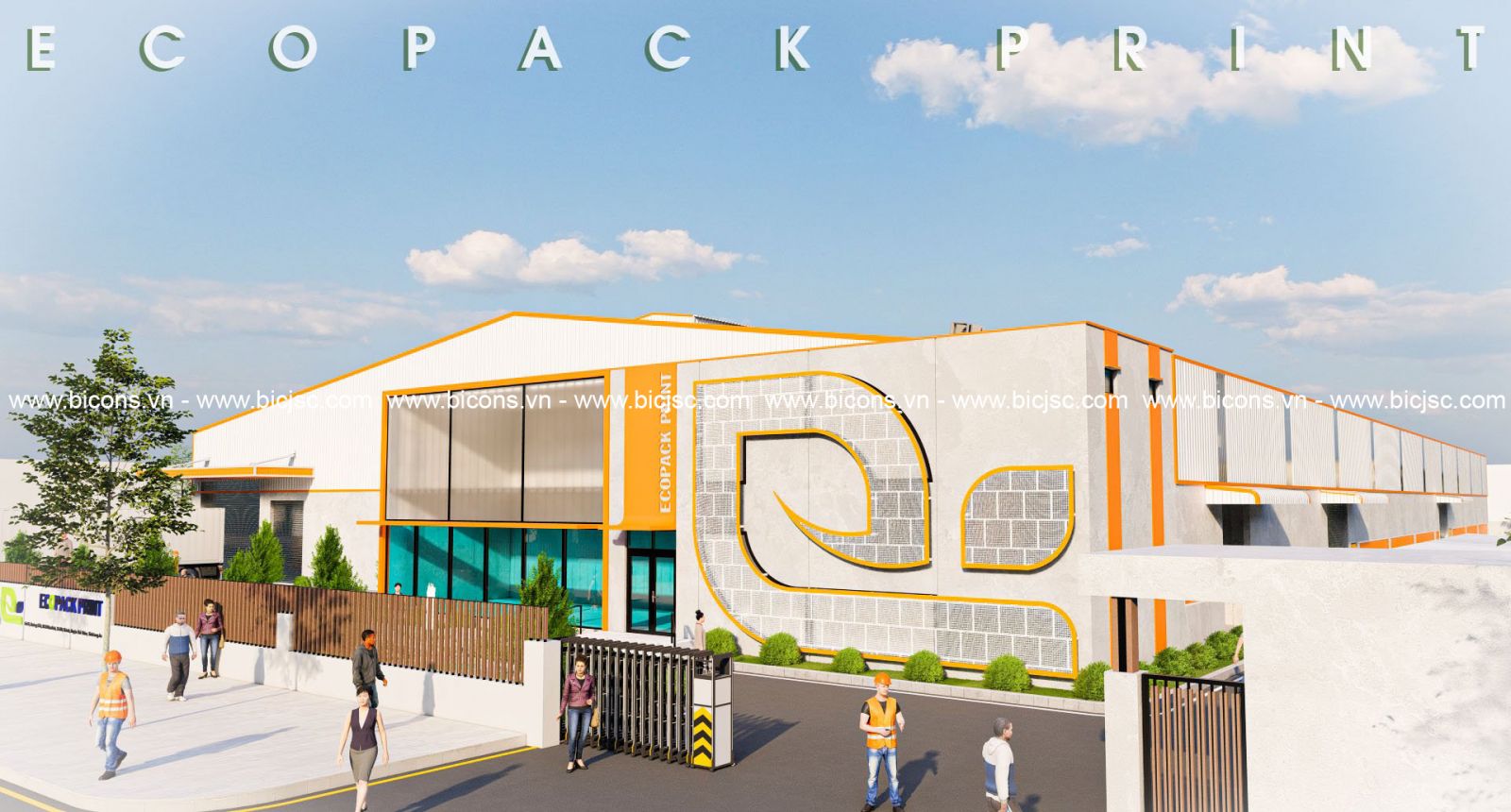

.jpg)