Factory design is a crucial initial step in the construction project of a workshop, requiring architects to thoroughly understand the industry and functions the workshop will fulfill upon completion. The workshop serves as a hub for both human and machine production activities, necessitating meticulous and thoughtful design from architects to ensure long-term efficiency and safety.
With years of experience in industrial and civil design and construction using steel structures nationwide, and having collaborated with numerous businesses across various industrial sectors, BIC's dedicated and experienced team of architects confidently delivers high investment value through their workshop designs. Guided by the motto "WHERE GREAT PROJECTS BEGIN," we aspire to collaborate closely with investors to create durable and aesthetically pleasing structures.
The cost for factory design typically ranges from 0.5% to 2% of the total construction investment, depending on the project's scale and nature. However, partnering with a committed and experienced design consultancy can yield returns of up to 10%, 20%, or even 30% of the total construction costs. Conversely, substandard design can significantly harm investors, affecting not only finances but also project progress and quality.
The primary tasks and scope of factory design are as follows:
- Listening to requirements: Initially, the design consultancy needs to listen and fully grasp the specific needs of the construction project's investor. This includes clearly defining usage purposes, scale, and workshop-specific requirements.
- Expert recommendations: Subsequently, the design consultancy provides expert recommendations to help investors better understand their options and potential solutions for optimizing function and cost.
- Legal advice: Advising on construction regulations, including setbacks, building density, greenery density, and fire safety requirements.
- Developing design tasks: Based on gathered information, factory design establishes detailed design tasks, outlining requirements and design solutions for the project.
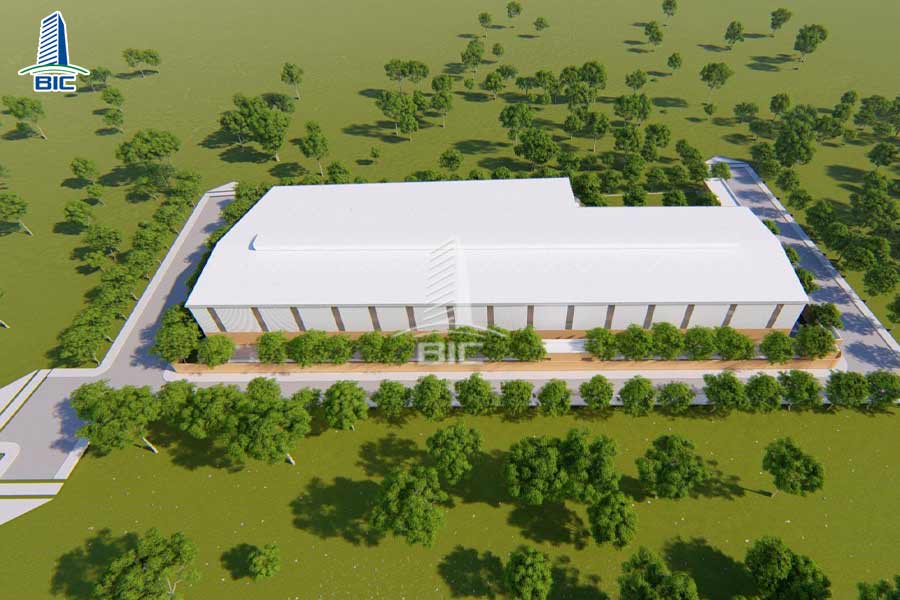
- 3D Modeling (BIM): Utilizing 3D Building Information Modeling (BIM) technology to visually present design concepts, facilitating investor visualization and specific feedback.
- Direct presentation: Presenting 3D models alongside detailed explanations to clarify design elements for investor review and approval.
.jpg)
- Adjusting and approving: After thorough review and necessary adjustments by the investor, the design consultancy finalizes design tasks and secures final approval.
- Design documentation: Factory design documentation includes detailed drawings (applying 1-stage, 2-stage, or 3-stage designs as per Article 23 of Decree 59/2015/NĐ-CP depending on project scale and nature) and quantity estimates for contractor selection.
Factory design drawings are the primary product of the factory design process. This task demands professional knowledge, skills, and a professional work attitude, along with an understanding of industry standards and regulations applicable to specific construction project conditions.
- Technical regulations: Based on design documentation, factory design establishes detailed technical specifications (specifications) for the project, including necessary technical standards and parameters.
- Material selection: Choosing the most suitable materials based on project criteria. This task requires meticulous attention to detail and a good understanding of the construction materials market to make the best choices.
- Construction supervision: Differences always exist between design and construction due to reasons such as poor coordination between design disciplines (Architecture - Structure - MEP), changes from investors, or proposed changes from contractors. Therefore, close supervision during construction is essential to ensure designs are executed according to plan.
- Design adjustments: During construction, necessary changes may arise to align with on-site realities. The design consultancy needs to monitor and promptly adjust to ensure project success.
The factory design process extends beyond creating drawings to encompass detailed planning, appropriate material selection, and construction supervision to ensure all elements align with reality. Professionalism and dedication at every step of the design process promise high investment value and customer satisfaction. With our team of experienced and passionate architects, we commit to accompanying our valued customers in creating quality and sustainable workshop facilities.
The quotation for factory design varies based on several factors, including scale and type of the workshop. Each project has its own characteristics, thus the design costs differ accordingly.
|
Workshop Type |
Scale Range |
Price |
|
Pre-engineered steel structure workshop design |
1.000m2 - 2.000m2 2000m2 - 3.000m2 3.000m2 - 5.000m2 5.000m2 - 10.000m2 10.000m2 - 100.000m2 |
Contact |
|
Reinforced concrete structure workshop design |
1.000m2 - 2.000m2 2000m2 - 3.000m2 3.000m2 - 5.000m2 5.000m2 - 10.000m2 10.000m2 - 100.000m2 |
Contact |
Specific design quotations for each project will be discussed and agreed upon directly between the construction contractor and the investor. This process helps both parties understand each other's needs and preferences, thereby determining the most reasonable price.
Agreeing on a detailed and transparent design quotation not only ensures the rights of both parties but also facilitates a smoother design and construction process. We are committed to listening and meeting the specific requirements of our customers to deliver the best value for your workshop project.
.jpg)
Profile of BIC Factory Design, including:
- Site Plan Drawing at Scale 1/500
- Architectural Drawings and Project Renders
- Structural Drawings for Various Components
- Mechanical and Electrical Drawings including basic components: Electrical, Lighting, Water Supply and Drainage,...
Designing an industrial factory involves several distinct steps to ensure the project is completed with high quality and meets all technical requirements. Below are the main steps in the process of designing industrial factory drawings:
- Description of construction site: Detailed description of the construction site, including geographical location, natural conditions, and existing technical infrastructure. Evaluation of accessibility and connection to main transportation routes.
- Application of technology solutions: Selection of suitable technology for the production and operation processes of the workshop (if required). Detailed description of the technology equipment to be used, installation methods, and operation.
- Architectural plan: Overall architectural design of the workshop, including space layout, floor area, and architectural form. Ensuring aesthetic appeal and suitability for the intended use.
- Main structural plan: Design of the main load-bearing structure of the workshop such as frames, foundations, and other structural components. Selection of building materials and construction methods.
- Technical system plan: Design of technical systems such as electrical, water supply, ventilation, air conditioning, lighting, and drainage systems.
- Fire prevention and explosion protection plan: Workshop design with fire protection and firefighting systems in accordance with state regulations, ensuring safety for the structure and workers.
- Environmental protection plan: Proposal of environmental protection measures during the construction and operation of the workshop, including waste management, noise control, and protection of the surrounding ecosystem.
- General layout drawing: Design drawing of the workshop's elevations, cross-sections, and cuts, providing an overview of the project.
- Technology production line drawing: Layout diagram of the production technology line (if required), ensuring efficiency and safety during production.
- Architectural design drawing: Details of architectural design, layout of functional areas, and working spaces.
- Main structural design drawing: Details of the main load-bearing structure, including technical specifications and materials used.
Content of construction drawing design:
- Technical specifications: Detailed technical specifications of the project, including dimensions, materials, and technical requirements of structural components.
- Use of raw materials: Specific listing of raw materials to be used during construction, ensuring quality and compliance with design requirements.
- Component details: Detailed design of workshop components, from main structural frames to - smaller parts such as doors, windows, and connection systems.
- Standards and regulations: Ensuring that all drawings and technical details comply with current construction standards and regulations.
- The construction drawing design is the final and crucial step in the industrial factory design process. This drawing must fully and accurately reflect all technical elements, ensuring that the structure is built precisely according to plan and meets all safety and quality requirements.
Adhering to these design steps not only ensures the quality of the construction but also saves costs and construction time, while ensuring the safety of workers and the operational efficiency of the workshop upon completion.
Choosing BIC as the unit to design and build your workshop project can bring significant benefits, including:
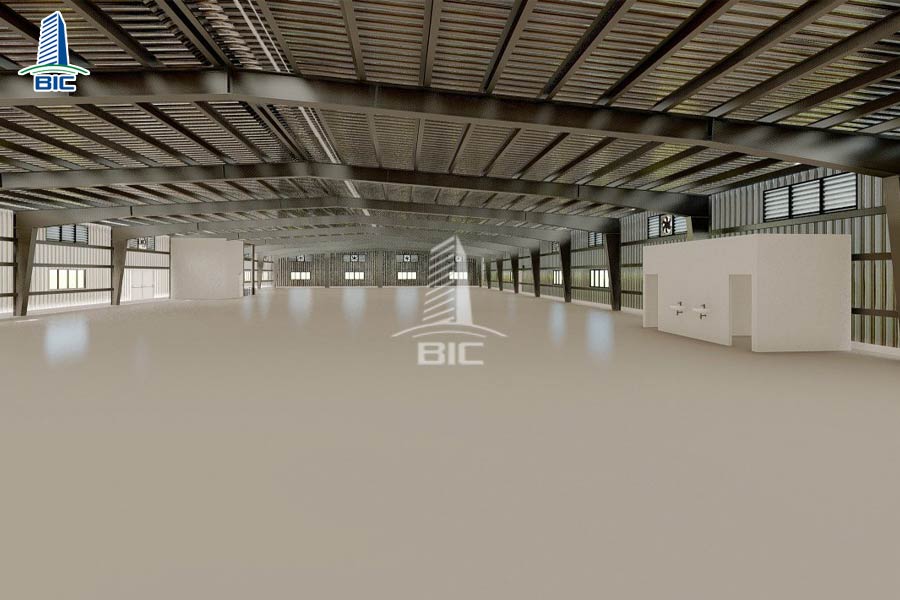
With benefits and advantages like these, BIC is a reliable choice for your workshop design project. Let us accompany you in building sustainable and efficient structures.