What are purlins, what is the role of steel purlins in construction works? Let's go through some information to better understand steel purlins in factory construction.
A purlin is a beam or crossbar used for structural support in buildings, most commonly in roofs. Purlins are supported by the frame or the walls of the building.
Purlin in English is Purlin, which is one of the components in the roof support structure system. When made of wood, it is usually coated with some type of paint that resists termites, weather effects.
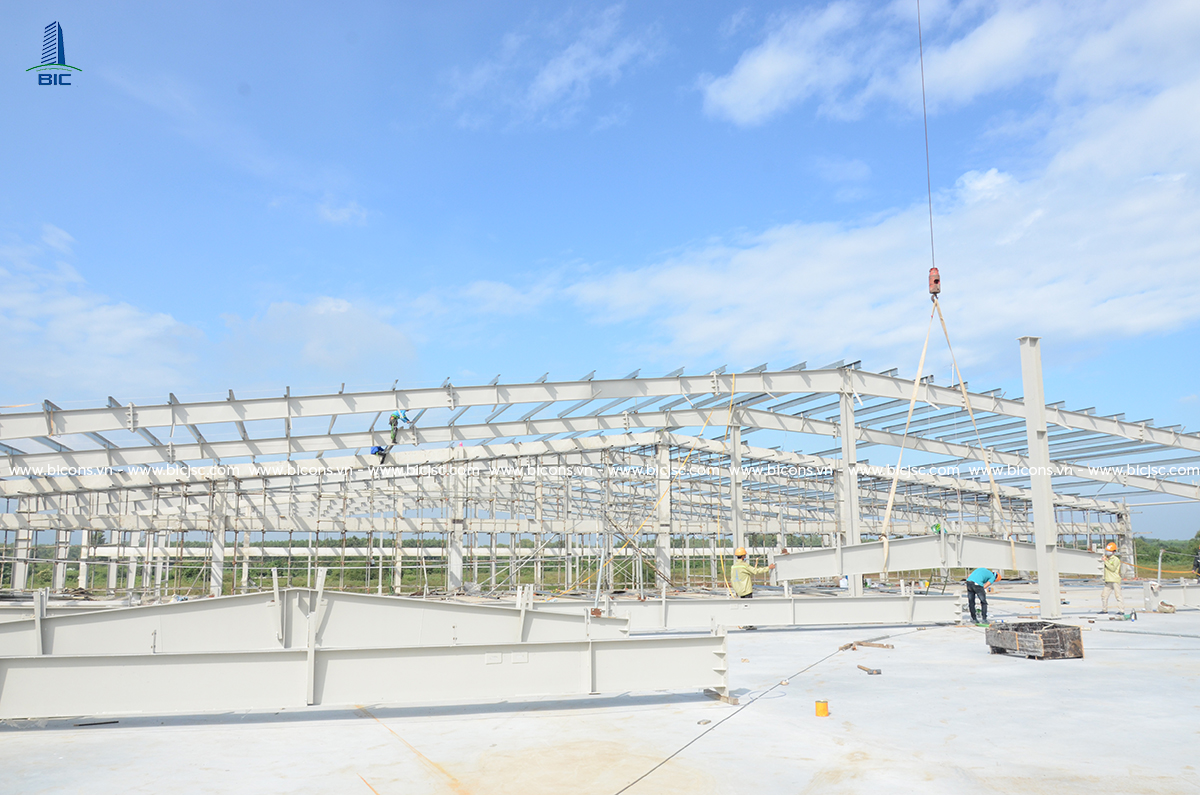
Purlins are classified based on material and shape. Different types of purlins are used for different purposes including wall or floor support. Purlins are very important because without it, the roofing or any other roofing material.
Factory buildings with corrugated iron roofs or roofs are required to use purlins.
As the industry develops, purlins are always an option in construction. Purlins are increasingly a substitute for wooden purlins. They are lightweight and straight standard manufacturing dimensions. They expand and contract within the permissible range during extreme temperature changes.
To protect steel purlins under most environmental conditions, we use anti-corrosion paint. Incorporating galvanizing corrosion resistance can double the total capacity of each type.
Purlins in the process of developing from wood purlins are improved by steel purlins, replaced by many benefits
+ Prevents termites and rust and enhances the durability of the building
+ Increases high aesthetics when designing modern workshops
+ Quality assurance, no bending, sagging after many years of use
+ Light weight, neat structure suitable for all factory designs
+ Environmentally friendly
With many advantages of features mentioned above, steel purlins become an indispensable part of the development of the construction industry, helping to improve the longevity and aesthetics of all works.
Types of commonly used steel purlins today
Depending on the intended use of the works, purlins are designed in different designs and materials. In terms of design, there are 3 commonly used purlins: C purlin, U purlin, Z purlin, box steel purlin.
C-steel purlins are horizontal C-shaped steel bars that are used to support loads beyond the roof deck or sheath. The flat surface of this beam on one side has made it the preferred material for cladding due to its ease of installation on both concrete and steel structures. This type is light in weight and suitable for construction of simple spans. Products commonly used for factories with column steps <6m
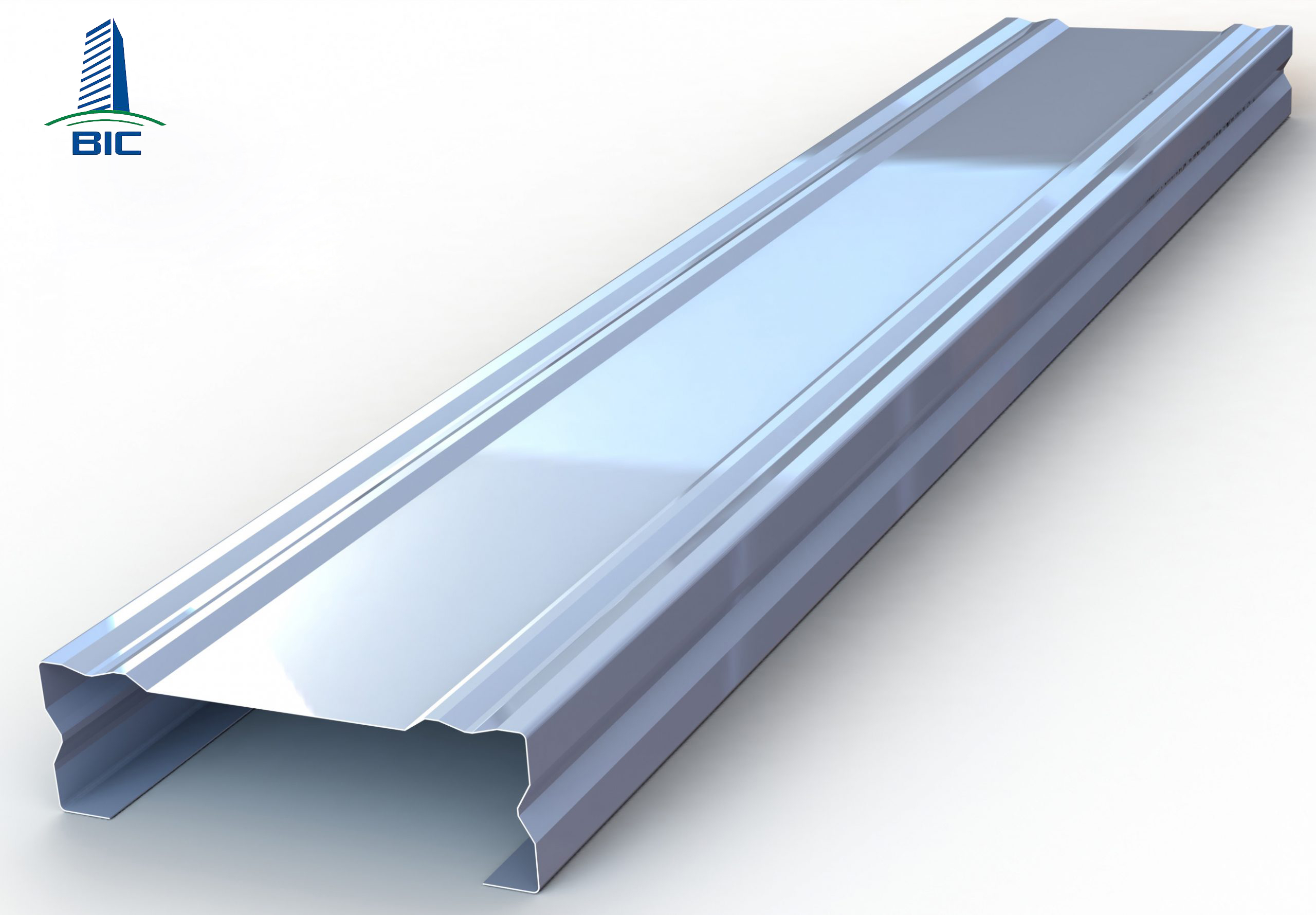
Common routines:
C200x50x20x1.8: C purlin has a height of 200mm, a wing width of 50mm, a beard length of 20mm and a thickness of 1.8mm
C150x50x20x1.5: C-purlin has a height of 150mm, a wing width of 50mm, a beard length of 20mm and a thickness of 1.5mm
What is Z steel purlin?
The Z purlin shape allows purlins to overlap at joints. Giving Z steel purlins a greater bearing capacity than C purlins. They are mainly used in walls or large roofing structures. The product is used for larger column steps because it can be joined to increase the bearing capacity and reduce the deflection of the purlin.
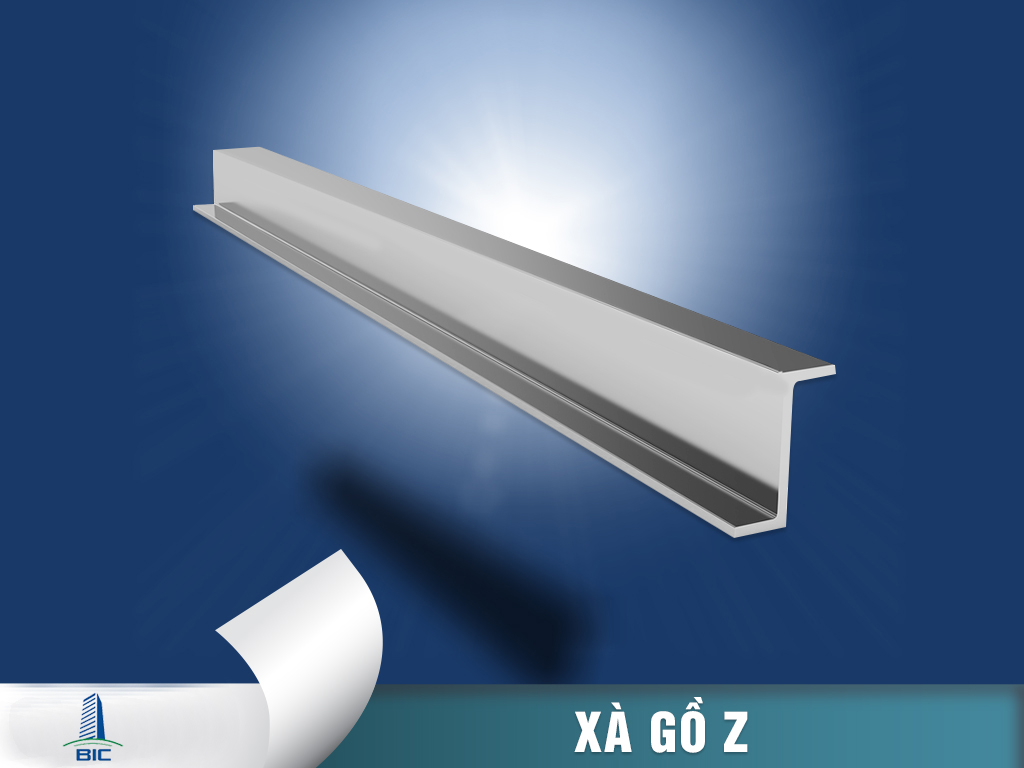
Common routines:
Z200x72x78x2.0: Z purlin has a height of 200mm, two wings are 72mm and 78mm wide, 2.0mm thick
Z200x62x68x1.8: Z purlin has a height of 200mm, two wings are 62mm and 68mm wide, 1.8mm thick
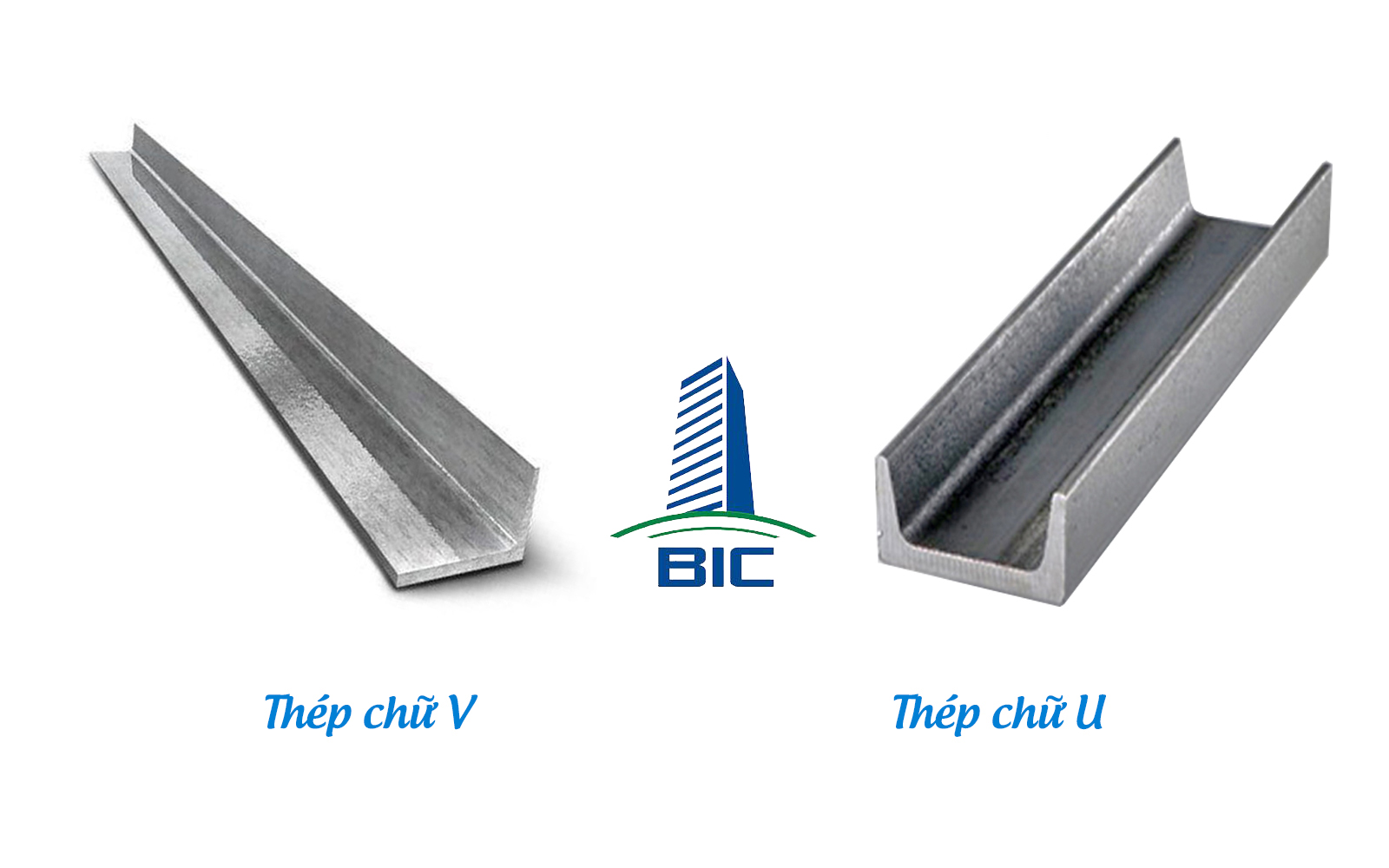
U-purlins are designed to have the same shape as U.The advantage of U-purlins is that they are lightweight and durable, and are easily punched and machined according to different specifications of the building. U-shaped purlins are most commonly used in projects that require corrugated iron roofs and steel structure roofs.
Box steel purlin is also a popular type nowadays. Covered decks and verandas are often used this way. The bar is hollow, so the caps are welded to the 2 ends of the purlin to keep moisture inside and prevent corrosion. The rectangular shape gives the roof an aesthetic quality similar to that of a roof supported by wooden purlins.
The truss is a component of the roof structure. Together with the roof transmission purlin. Transmits the load acting on the roof struts below them, finally transferring the load to the columns and finally to the foundation.
.jpg)
In general, they all have a similar role on the roof. Purlins are parallel to the ribs or we can say they run along the span of the roof in the original square truss with the rib line of the roof truss.
For the most distinction, the trusses are oriented vertically according to the slope of the roof. Purlins are oriented horizontally, supporting the roofing materials. Purlins can be located above or below the rafter, depending on the structural design of the roof.
The distance of the purlins of the corrugated iron roof is so that it meets the standards
Purlins have the effect of supporting the corrugated iron roof system, so the distance between the purlins needs to meet 2 problems:
+ The corrugated iron roof is stable and sturdy even in the case of people walking on the roof
+ The system must ensure the allowable bearing capacity and deflection
Depending on the tonnage and specification of the corrugated iron roof, the suspended ceiling load and the span of the wooden beams will calculate and choose the distance of the purlin bars to save money while still being secure. Normally the distance of purlins will be from 1.0-1.4m
Each unit has a different installation method, but the general assembly process usually takes place in 4 basic steps:
Step 1: Measure the end-to-end wire size along the roof trusses to determine how many purlins will be needed for installation. Measure the width and height of the roof record the measurements.
Step 2: Dot a chalk line horizontally across the roof from top to bottom. Place the first bar in the roof down following the chalk line starting at the two corners. Fasten purlins with nails to each longitudinal truss. Insert two evenly spaced nails into the truss.
Step 3: Place the 2nd purlin horizontally next to the 1st purlin and install in the same way. Continue down the line until the first row runs out.
Step 4: Move your legs to the roof and draw a horizontal chalk line. Assemble the second row of purlins like the first, cutting the end to fit. Dab the third chalk line down two more feet and continue down the roof until it is completely covered with purlins. Check to make sure all studs are in place and all purlins are securely attached to the rafters.
When designing purlins for the roof, attention should be paid to the length of the roof sheet. It is necessary to base on the weight of the roofing sheet to calculate the number of purlins to use
+ The roof sheet has a heavy weight, the roof construction process will consume more purlins. That makes the roof truss part when built is also more powerful than expected. If investors use lightweight roofing sheets, the installed purlins will be less and the roof will not have to bear too much force.
+ The distance between the purlin of the roof and the wall is ideally 4-6 feet when building. The reason is because the roof sheet will be used as a screen for hurricanes, storms or earthquakes. The upside-down bar is responsible for transferring gravity from the purlin to the support to reduce pressure on the roof.