Factory renovation plays a crucial role in maintaining and enhancing production efficiency while ensuring worker safety. When a factory deteriorates or no longer meets current production demands, renovation not only helps optimize space and improve operational efficiency but also ensures compliance with new legal regulations and safety standards.
Moreover, improving the factory also enhances working conditions, saves operational costs, and protects the environment. This article will explore the key items in the factory renovation process, helping you understand the essential factors for a successful renovation project.
Factory renovation is a vital step to maintain production efficiency and ensure safety. Here are the signs and situations when factory improvement should be considered:
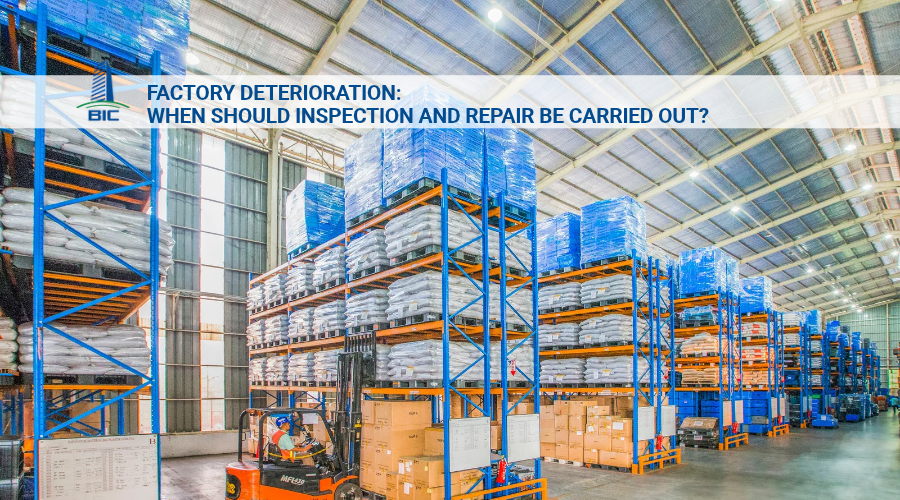
- Deterioration of infrastructure and structure: If there are signs of cracks, subsidence, or damage to parts of the factory, improvements are needed to ensure safety and stability. Equipment and facilities that are outdated or no longer meet production needs should also be considered for upgrades.
- Increased production demand: When a company needs to expand production or change production processes, improving space and equipment becomes necessary. If there's a need to enhance production processes to increase efficiency and reduce costs, factory improvement is essential.
- Safety requirements: When labor safety standards change or are no longer met, it is necessary to improve safety systems. Upgrades are required to comply with new environmental, safety, and quality regulations.
- Working environment issues: If working conditions are uncomfortable, such as lack of light, inadequate ventilation, or unstable temperatures, improvements are needed. Upgrading wastewater and exhaust treatment systems can help protect the surrounding environment.
- High maintenance costs: If maintenance costs are continuously rising or inefficient, improvements may be necessary to reduce long-term costs.
Identifying the right time to improve the factory is crucial for ensuring efficient, safe, and sustainable production operations.
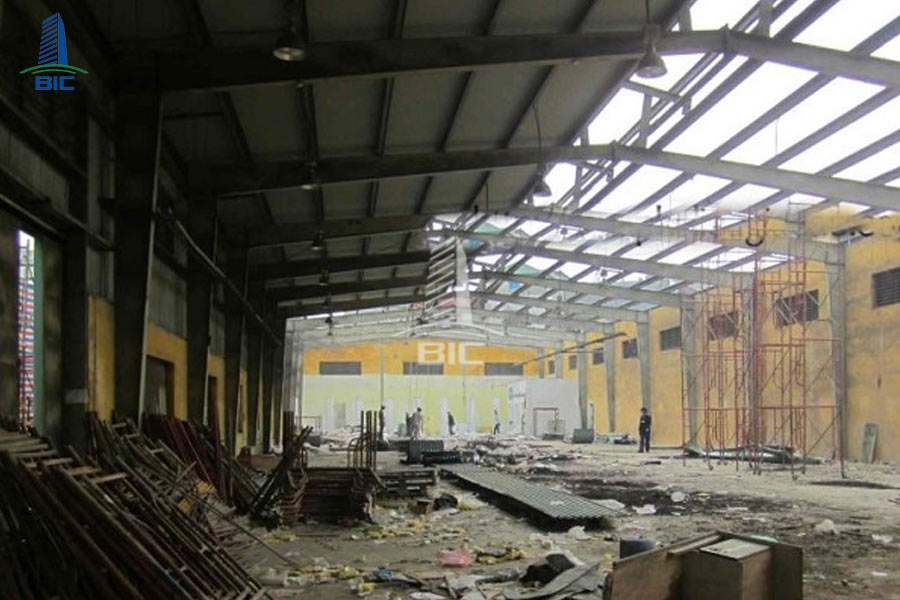
Factory flooring plays an important role in ensuring the stability and safety of the entire production process. During renovation, reinforcing and improving the floor is essential to meet load-bearing capacity, especially when there is an increase in machinery or goods. Common issues such as subsidence, cracks, or floor degradation need to be thoroughly addressed to avoid impacting operational efficiency and worker safety. Additionally, choosing new materials and technology for flooring renovation can extend the building's lifespan and optimize long-term maintenance costs.
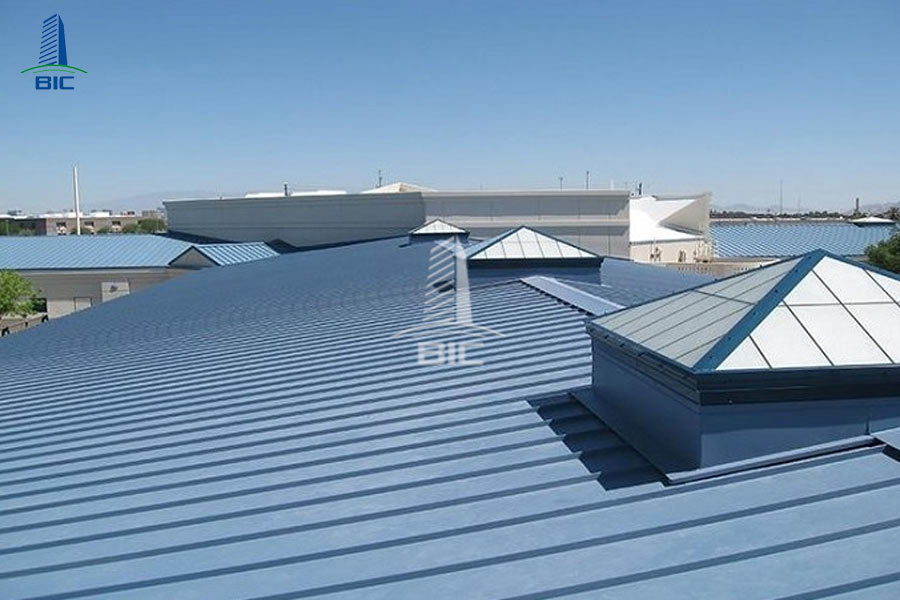
Factory roofing is a crucial item to focus on during the renovation process, especially when the factory is old or has been heavily affected by weather conditions. Replacing or improving the roofing system helps prevent leaks and water damage, thereby protecting the production space and equipment inside. The roof should be designed and installed to withstand harsh weather conditions such as heavy rain, strong winds, and prolonged heat. Furthermore, selecting high-quality materials and applying thermal insulation and heat-resistant solutions for the factory roof contributes to a more comfortable working environment for workers while saving energy during operation.
The water supply and drainage system is one of the important items that need to be addressed during factory renovation, especially when the old system no longer meets the increasing production demands. Improving or installing a new water supply and drainage system not only ensures sufficient clean water for production activities but also helps efficiently treat wastewater, preventing flooding or environmental pollution. A poorly functioning drainage system can cause many serious problems, from affecting production processes to damaging infrastructure. Therefore, investing in a modern water supply and drainage system that meets production needs will help increase operational efficiency, minimize risks, and protect the surrounding environment.
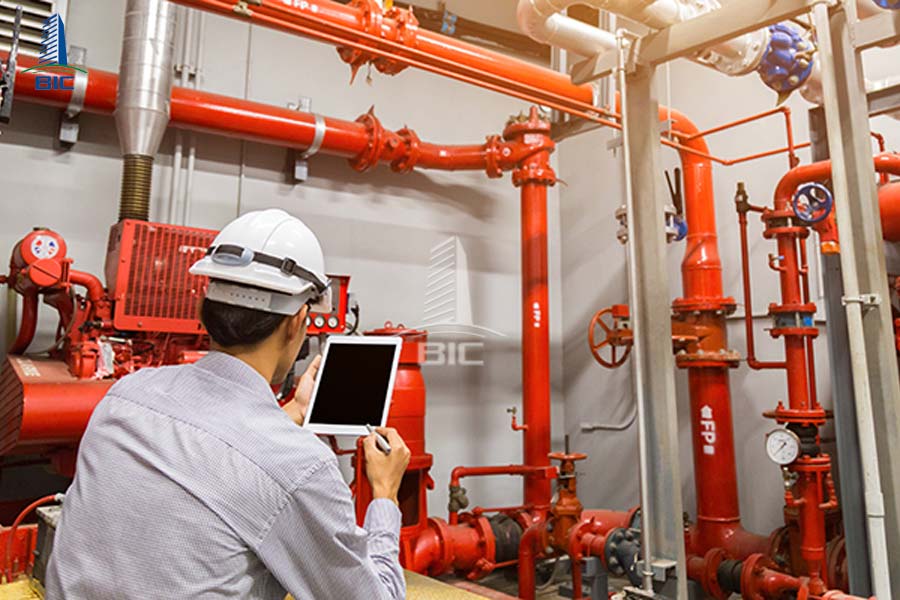
The fire protection system (PCCC) is an indispensable element in a factory, ensuring safety and compliance with legal regulations. Renovating and upgrading the PCCC system is necessary to meet new safety standards and match the current production scale. This includes checking and replacing outdated or inefficient equipment such as fire alarms, fire extinguishers, automatic sprinklers, and emergency exits. A modern and well-functioning PCCC system not only helps prevent, detect, and extinguish fires in a timely manner but also minimizes damage in case of an incident. Investing in a PCCC system not only protects human lives but also ensures that production operations are not disrupted by fire-related incidents.
Heat insulation and waterproofing of walls and ceilings are important items in the factory renovation process, especially for areas frequently exposed to high temperatures and heavy rainfall. Improving thermal insulation helps reduce the heat in the factory, creating a more comfortable working environment for workers and reducing energy costs from cooling systems. Additionally, addressing water leakage issues in walls and ceilings protects the building's structure, prevents damage and mold, and protects the equipment and products inside the factory from moisture and damage. Investing in effective heat insulation and waterproofing solutions not only extends the factory's lifespan but also helps maintain a stable and safe production environment.
As the business grows, the need to expand the factory scale becomes urgent to meet the increase in production volume and optimize production processes. Expansion is not just about increasing the area but also requires redesigning the entire factory space to ensure rationality and efficiency in operation. Before proceeding with the expansion, evaluating the current factory condition is crucial to determine the factors that need improvement, from foundations, structures, to technical systems. This process ensures that the expanded building not only suits current production activities but also meets future demands. A thoroughly planned expansion project not only helps the business improve production efficiency but also optimizes the use of space and resources, providing a competitive advantage in the market.
Properly executed factory renovation brings significant benefits to the business, from enhancing production efficiency to extending the building's lifespan. Here are three main benefits of expanding and renovating the factory:
- Enhancing production efficiency and saving operational costs: Improving the factory allows for optimizing production space and upgrading technology, helping to improve work processes and increase productivity. For example, replacing outdated equipment with newer technologies can reduce production time and increase accuracy. Furthermore, improving the water supply, drainage, electrical, and ventilation systems helps minimize disruptions and maintenance, saving long-term operational costs.
- Ensuring safety and better working conditions: Factory renovation ensures that labor safety standards and legal regulations are met. Upgrading the fire protection system, improving ventilation, and addressing heat insulation and waterproofing issues not only protect workers from potential hazards but also create a more comfortable and safer working environment. This not only reduces labor accidents but also increases employee satisfaction and work performance.
- Extending the lifespan of the factory: Factory renovation not only helps restore and enhance the quality of the current building but also extends the factory's lifespan. Addressing issues such as cracks, subsidence, and water leakage, along with updating technical systems, helps protect the structure and minimize the building's degradation. This not only helps the business avoid large repair costs in the future but also protects its initial investment.
Proper factory renovation provides long-term benefits for businesses, from improving production efficiency, ensuring better safety and working conditions, to extending the building's lifespan. These benefits not only support current operations but also contribute to the sustainable development of the business in the future.
Factory renovation is an important step not only to enhance production efficiency but also to ensure safety and extend the building's lifespan. To ensure that the renovation process is carried out effectively and professionally, you should contact professional companies with experience in factory design and construction. Don't hesitate to contact BIC today to receive dedicated support and advice from experts.