Optimizing the cost of constructing industrial buildings not only helps businesses save initial investment capital but also ensures operational efficiency and sustainability. In today’s fiercely competitive environment, intelligent and effective cost management is crucial for a company’s survival and growth.
This article will guide you on how to optimize construction costs for industrial buildings through detailed planning, selecting the right contractors and materials, managing timelines, and controlling construction quality. BIC will provide useful information and practical tips to help you apply them immediately to your project. The goal is to help you better understand the process and cost-saving measures, allowing you to make the smartest and most effective decisions for your business.
Before starting the construction project, the first step is to thoroughly assess the needs and technical requirements of the building. This step is crucial as it helps you clearly define the goals for using the building, leading to the most suitable design and construction solutions.
First, determine the specific purpose of the industrial building: production, storage, or a combination of both. Each purpose will have different technical requirements, such as space, ventilation, lighting, and fire safety. Understanding these requirements helps you make informed design decisions, avoid waste, and save costs.
Additionally, consider factors like geographic conditions, climate, and the surrounding environment. A thorough evaluation of these factors helps you select the appropriate construction site and optimize the building design for cost-efficiency and operational effectiveness.
Collaborating with a reputable contractor at this stage will provide you with accurate information and advice, leading to effective and cost-efficient construction planning.
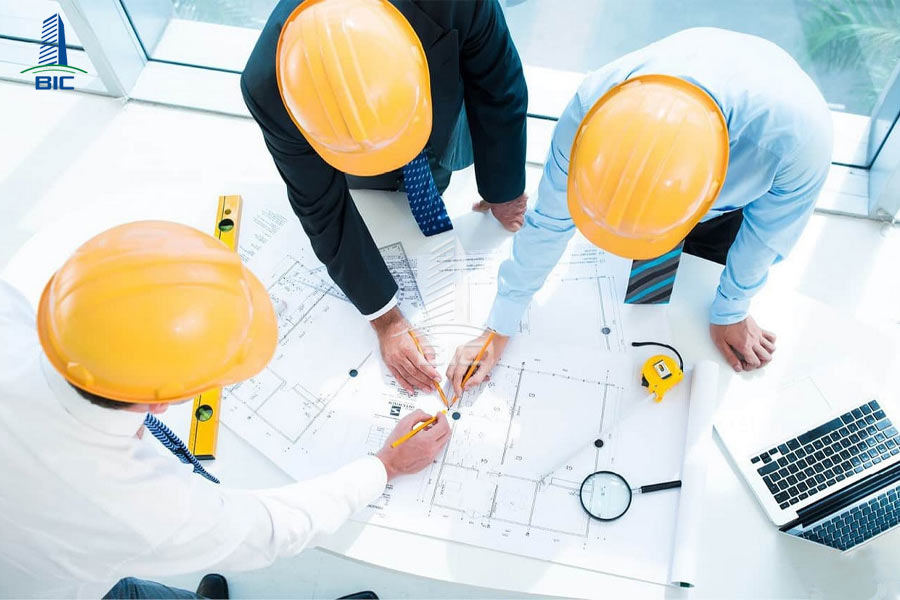
Choosing the right location and design for the building is crucial in optimizing construction costs. A suitable location not only saves on transportation and material costs but also ensures the long-term operational efficiency of the building.
- Proximity to Material Sources: Selecting a location near primary material suppliers will reduce transportation costs and delivery times.
- Convenient Transportation: The construction site should be close to major roads, ports, or train stations to facilitate transportation and save time and costs.
- Reasonable Land Costs: Choose a site with affordable land prices, avoiding areas with excessively high prices or difficulties in land clearance.
- Environmental Factors: Ensure the construction site is not affected by negative environmental factors like flooding, landslides, or pollution.
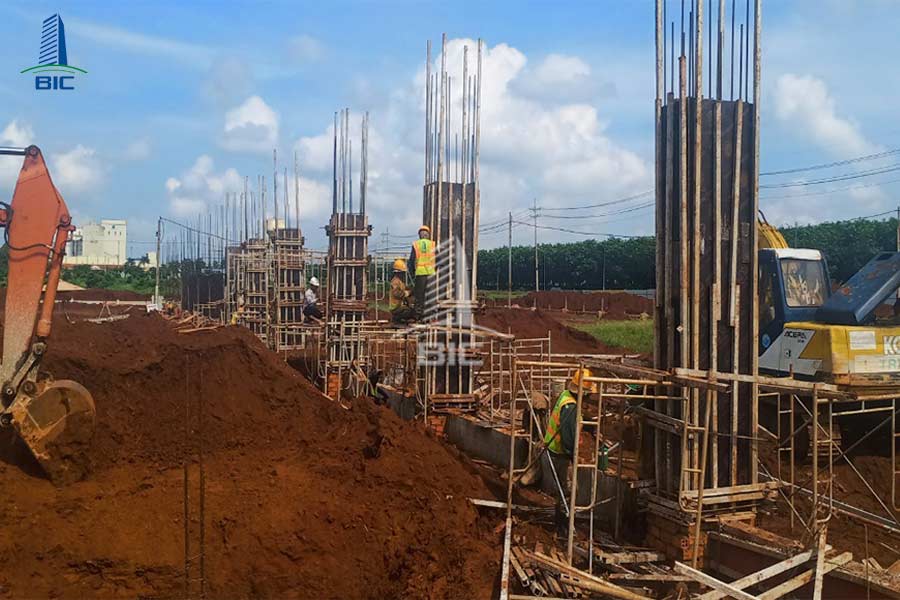
- Space Optimization: Design the building to maximize usable space and minimize wastage. Use modern design solutions such as multi-level shelving and efficient production area layouts.
- Energy Efficiency: Implement energy-saving solutions like natural lighting, efficient ventilation, and air conditioning systems. Install solar energy systems if possible.
- Building Materials: Choose durable, lightweight, and cost-effective materials. Use recycled or eco-friendly materials to reduce costs and protect the environment.
- Modern Technology: Apply advanced construction technologies like Building Information Modeling (BIM) to optimize the design and construction process, minimizing errors and additional costs.
Selecting the right location and design not only helps in reducing construction costs but also ensures the building's long-term operational effectiveness, contributing to the sustainable development of the business.
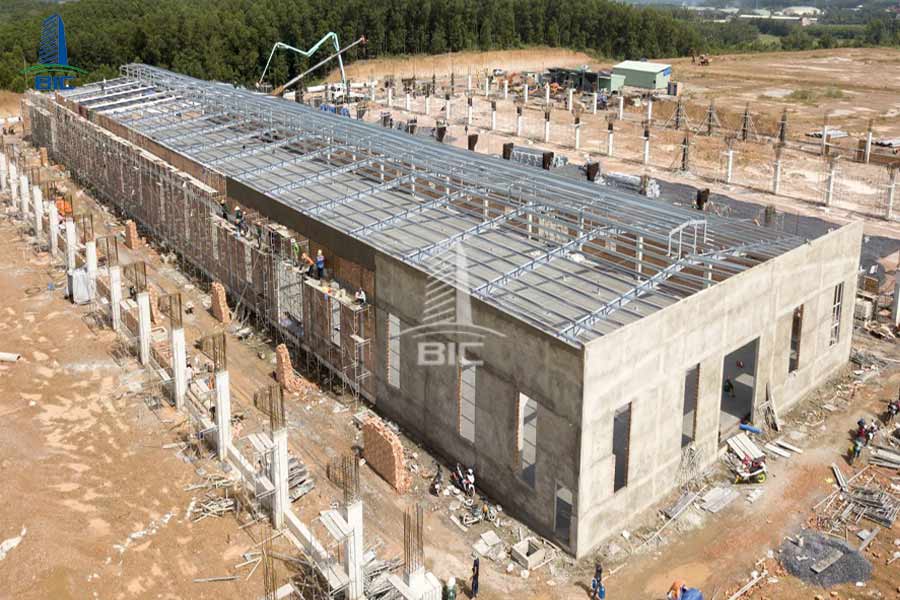
Cost estimation is a crucial step in controlling the budget and avoiding unforeseen expenses during industrial construction. A detailed and accurate cost estimate will provide an overview of the entire project and enable informed financial decisions.
Cost Item Analysis:
- Land Costs: Includes costs for purchasing or leasing land, site clearance, and related legal expenses.
- Design Costs: Includes fees for hiring architects, consulting engineers, and design drawings.
- Construction Costs: This is the largest expense, covering materials, labor, equipment, and additional costs such as utilities.
- Equipment Costs: Includes purchasing and installing necessary equipment like electrical systems, water systems, ventilation, and air conditioning.
- Supervision and Management Costs: Includes fees for hiring construction supervisors, project management costs, and any additional expenses related to supervision and management.
- Contingency Budget: Always set aside a contingency budget for unexpected expenses during construction. Typically, this should be about 10-15% of the total project budget.
- Update and Adjust Estimates: Regularly update and adjust the cost estimate based on actual progress and changes during construction. This helps maintain the budget effectively and avoid financial errors.
A detailed and accurate cost estimate is essential for ensuring smooth construction and achieving cost-saving goals. Strictly managing costs from the planning stage helps avoid financial risks and complete the project on time and within budget.
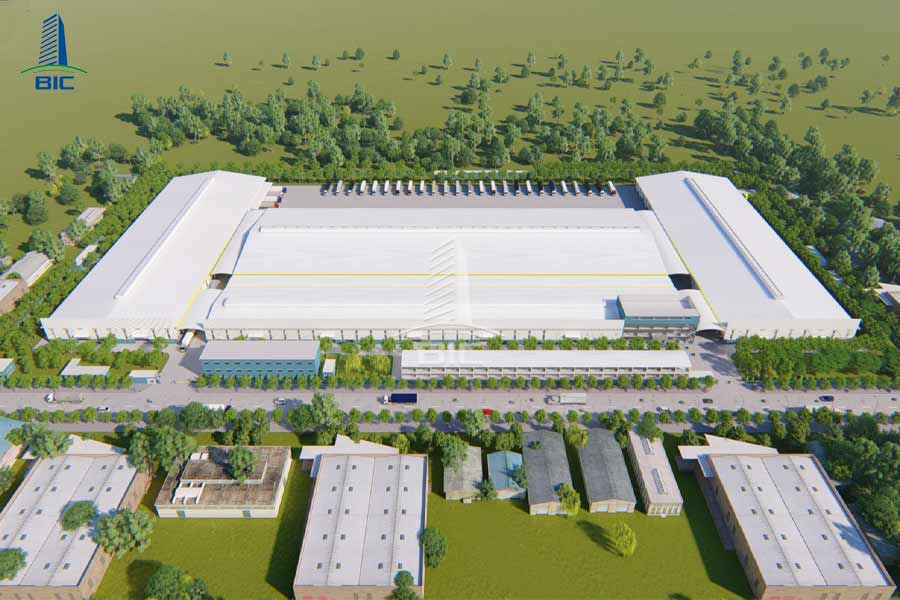
Choosing a reputable contractor is key to ensuring quality and efficiency. An experienced and reliable contractor will help save costs and complete the project on schedule.
Criteria for Evaluating Contractors:
- Experience and Reputation: Research the contractor’s experience and reputation through completed projects. Experienced contractors are better at handling unexpected situations and ensuring quality.
- Licenses and Certifications: Ensure the contractor has all necessary operating licenses and certifications related to the construction industry. This ensures they comply with legal and technical standards.
- Staff Expertise: The contractor should have a skilled team of engineers, architects, and experienced workers. The professionalism of the team directly impacts the quality and timeline of construction.
- Pricing and Contracts: Request detailed and transparent pricing from the contractor. Contracts should clearly outline costs, timelines, and other conditions.
Selecting the right building materials helps reduce costs while ensuring quality and longevity of the construction.
- Research and Compare Prices: Investigate prices for different materials from various sources to select the best fit for your budget.
- Material Quality: Ensure the materials are of good quality to avoid future repair and maintenance costs.
- Reliable Suppliers: Choose reputable suppliers to ensure quality and reasonable pricing.
- Price Negotiation: Negotiate with suppliers for better prices or discounts on transportation and payment terms.
Choosing reputable contractors and suitable building materials are critical steps in optimizing industrial construction costs. This ensures not only the quality of the construction but also budget savings and timely project completion.
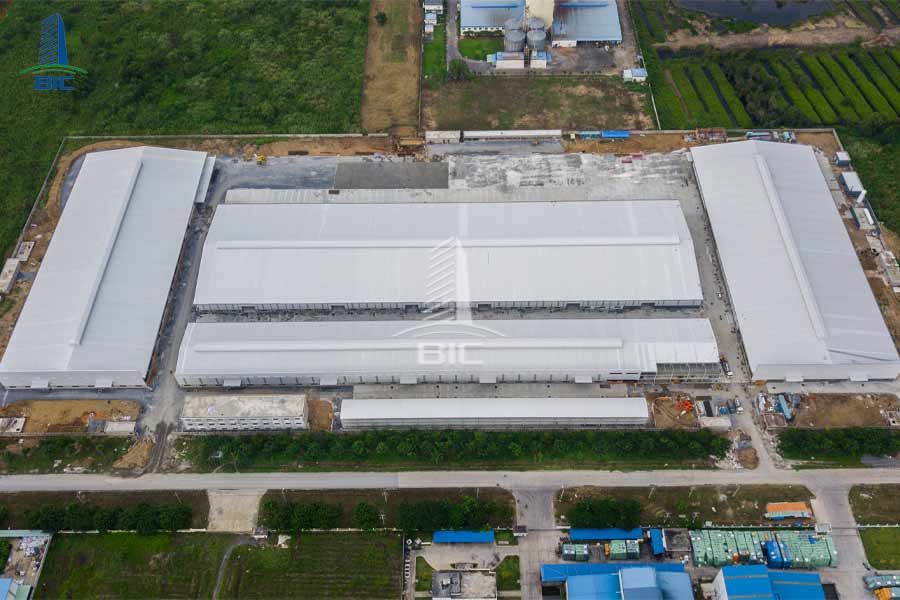
Effective timeline management is crucial for ensuring that the project completes on time and minimizes additional costs. Detailed planning and close monitoring of each construction phase will help you control the timeline effectively.
- Detailed Planning: Define the construction phases and completion times for each task. Use project management tools like Gantt charts to track progress.
- Clear Task Assignment: Clearly define responsibilities for each team member and ensure everyone understands their tasks.
- Regular Progress Monitoring: Organize regular meetings to update on progress and address any issues promptly. Use online project management tools to track and report progress.
- Early Problem Detection: Monitor the construction progress closely to identify issues early and address them promptly.
- Flexible Adjustments: Be prepared to adjust plans and reallocate resources as needed to maintain progress.
- Conflict Resolution: Resolve conflicts or disputes quickly and reasonably to avoid affecting the construction timeline.
Controlling quality and costs are essential for ensuring the highest standards and optimizing construction expenses.
- Material Inspection: Ensure materials used meet quality standards and technical requirements.
- Construction Supervision: Regularly supervise and check construction phases to ensure compliance with design and technical processes.
- Inspection and Acceptance: Conduct inspections and accept work in phases to ensure quality before moving to the next stage.
- Budget Management: Closely monitor and manage the budget to avoid exceeding the estimated costs.
- Waste Reduction: Minimize material and labor waste by organizing work efficiently.
- Supplier Negotiation: Negotiate for better prices on materials and services.
- Managing Contingency Costs: Maintain a contingency budget for unexpected expenses and manage its use carefully.
Strictly managing and supervising industrial construction not only ensures adherence to timelines and quality but also helps optimize costs, delivering the highest economic efficiency for your project.
To effectively apply cost optimization techniques for industrial construction, start early in the planning phase. Carefully consider relevant factors, choose partners and materials wisely, and manage the project diligently. If you need advice on design, construction, or legal matters, don’t hesitate to contact BIC, a contractor with years of experience in the construction industry.