The general contractor plays a central role in any construction project. With comprehensive responsibilities, the contractor must properly executing these responsibilities not only ensures the project is completed on time but also guarantees compliance with technical standards, reduces risks, and optimizes costs. This emphasizes the importance of choosing a professional and reputable general contractor in the construction field.
The general contractor holds an overarching role in managing a construction project, assuming key responsibilities related to planning, organizing construction, managing contracts, and handing over the project. These responsibilities require professionalism, coordination skills, and strict adherence to technical standards.
Planning is the first and most crucial step the general contractor must take. A detailed construction plan involves determining the schedule for each task, allocating manpower appropriately, and preparing necessary materials and equipment. For instance, calculating the delivery time for construction materials or mobilizing workers during peak phases requires accuracy and foresight.
Additionally, the contractor is responsible for financial planning, including cost estimation, cash flow management, and ensuring the budget is utilized efficiently. A good financial plan not only prevents capital shortages but also assists the investor in managing the overall project costs.
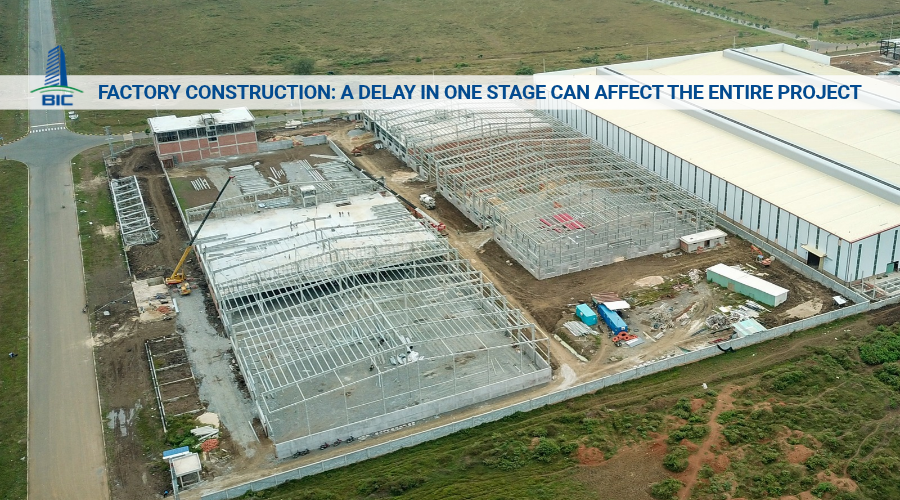
During the construction phase, the general contractor coordinates and connects with subcontractors. This includes task assignment, monitoring the progress of each unit, and ensuring synchronization between tasks. For example, foundation work must be completed before installing steel frames to prevent disruptions.
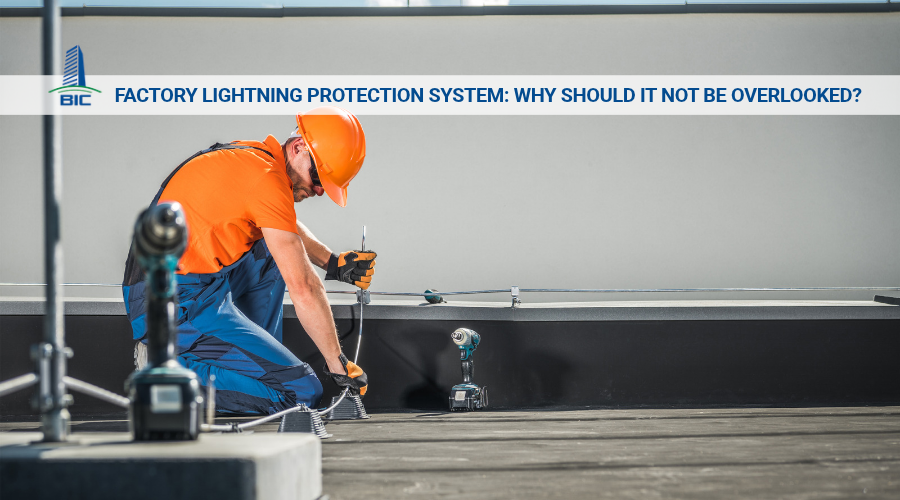
Quality control is a core responsibility, requiring the contractor to regularly check and ensure that each stage meets technical standards. Simultaneously, the contractor must ensure worker safety on site by implementing accident prevention measures and providing the necessary protective equipment.
Furthermore, environmental protection during construction is a significant responsibility. The general contractor must handle construction waste, minimize noise, and comply with environmental regulations to ensure the sustainability of the project.

Ensuring occupational safety is a key responsibility of the general contractor to protect the health and lives of workers on site. The contractor needs to create a detailed safety plan, identify potential risks, and propose measures to control those risks. Providing adequate protective equipment and conducting training to raise awareness about safety is mandatory.
Additionally, regular monitoring and periodic inspection of equipment and machinery ensure safe operations and minimize accidents. The contractor must also have clear emergency response plans, along with rescue equipment and safe exits. These efforts not only ensure safety but also enhance the contractor's credibility and professionalism in the construction industry.
The general contractor is an important partner who helps the investor realize the vision and objectives of the construction project. This role requires the contractor to ensure the rights and satisfaction of the investor.
Contract management is essential for transparency and efficiency in the project. The general contractor is responsible for overseeing the execution of the contract with the investor, ensuring compliance with the terms and that the work is completed on schedule. The contractor must also regularly monitor and assess subcontractors' work to ensure the quality of the project.
When disputes or disagreements arise during the project, the contractor must handle the situation flexibly, ensuring that both parties' interests are protected without affecting the overall progress.
The general contractor must strictly adhere to the terms signed with the investor. This responsibility involves creating a detailed construction plan, properly allocating manpower and materials to ensure the project schedule is maintained. Any delays could affect the budget, operational time, and contractor's reputation.
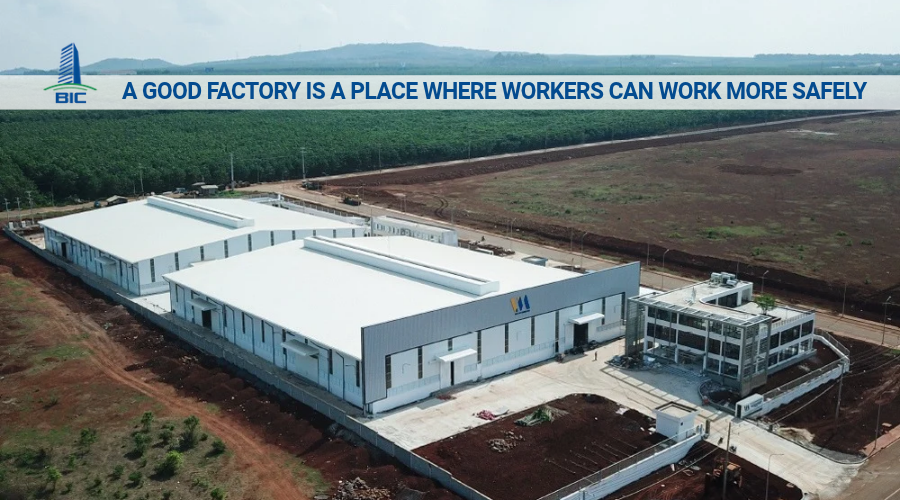
Ensuring construction quality is key. The general contractor must inspect and supervise each phase to ensure it meets the agreed technical and aesthetic standards. For instance, in a manufacturing plant, structural systems, floors, and electrical systems must be rigorously tested to avoid risks after operational use.
If any errors are discovered during or after inspection, the contractor must quickly and thoroughly rectify them. These mistakes may result from technical issues, use of substandard materials, or incorrect construction methods.
For example, if foundation settlement, roof leakage, or unstable electrical systems occur, the contractor must provide effective solutions and cover the repair costs if the fault lies with them. Timely and professional handling of these issues not only minimizes the negative impact on the project but also builds trust with the investor.
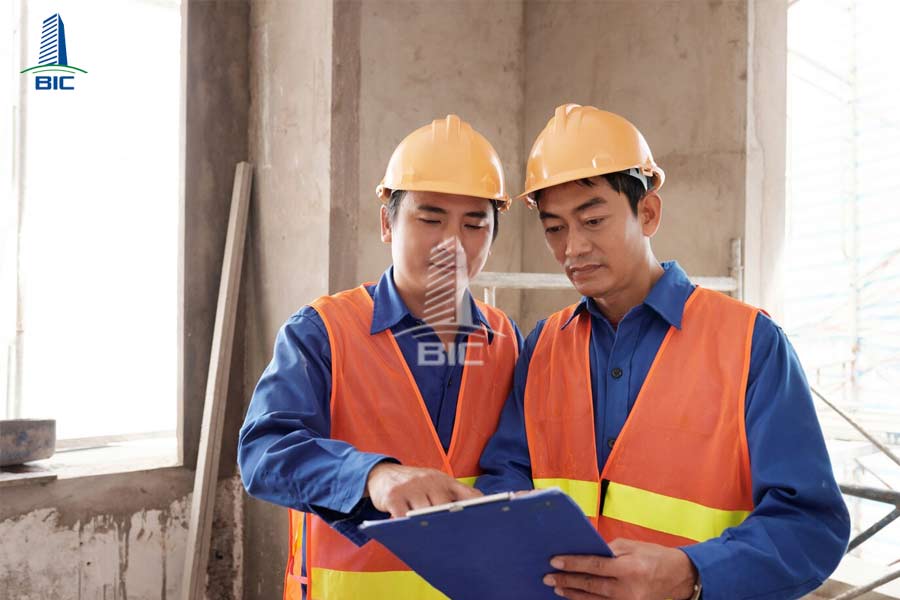
After completing the construction, the general contractor conducts a final inspection, thoroughly checking all tasks to ensure quality before handing over the project to the investor. The inspection must comply with technical standards and meet the requirements outlined in the contract.
After handing over, the general contractor remains responsible for the warranty and maintenance of the project for the period specified in the contract. This stage is important for the contractor to confirm their reputation by ensuring the project operates smoothly, safely, and sustainably.
The warranty includes addressing construction issues like wall cracks, water leakage, or technical faults. Maintenance ensures the continued performance of systems like electrical, water, or machinery systems.
By fulfilling the warranty and maintenance commitments, the general contractor protects the investor’s interests and maintains a long-term cooperative relationship, opening opportunities for future projects.
In a construction project, the general contractor not only has responsibilities towards the investor but also plays a vital role in managing and coordinating subcontractors. These responsibilities ensure effective collaboration between parties, helping the project run smoothly and meet the required schedule and quality.
The general contractor is responsible for reasonably dividing the work and assigning specific tasks to each subcontractor. This ensures no overlap in duties and prevents mistakes or issues arising from unclear assignments.
The contractor must ensure that subcontractors clearly understand the work requirements, quality standards, construction schedules, and safety protocols. Each subcontractor must know their responsibilities within the overall project to coordinate effectively with other parties.
The general contractor supervises all subcontractors. While each subcontractor may handle a specific portion of the work, the general contractor ensures that these tasks comply with the technical requirements and quality standards outlined in the contract.
For instance, the contractor must check subcontractor work before accepting and moving on to subsequent stages. If errors are found, the contractor must request the subcontractor to correct or adjust the work to maintain the overall project quality.

The general contractor is responsible for monitoring the construction progress of subcontractors to ensure that work is completed on schedule. The contractor must coordinate between subcontractors to avoid delays or resource shortages.
If a subcontractor faces challenges completing their tasks on time, the contractor must provide support or adjust the construction schedule to ensure the overall project’s progress is not affected.
The general contractor handles payment procedures for subcontractors according to the terms in the signed contract. This includes verifying completed work volumes and ensuring payments are made on time and in accordance with financial agreements.
In case of disputes between the general contractor and subcontractors, the general contractor must intervene and resolve the issue promptly to avoid any delays or quality issues with the project. Fair and transparent dispute resolution helps maintain long-term cooperation among all parties.
The general contractor’s role and responsibilities in construction ensure both project timelines and quality while maintaining the long-term success and reputation of the project. Properly fulfilling these duties contributes to project safety, efficiency, and the establishment of strong collaborative relationships with the investor, subcontractors, and all stakeholders.
Therefore, choosing a reputable and professional general contractor is crucial for ensuring the success of any construction project. With experience, expertise, and a commitment to quality, BIC is always ready to provide maximum satisfaction for clients and complete projects to the highest standards.