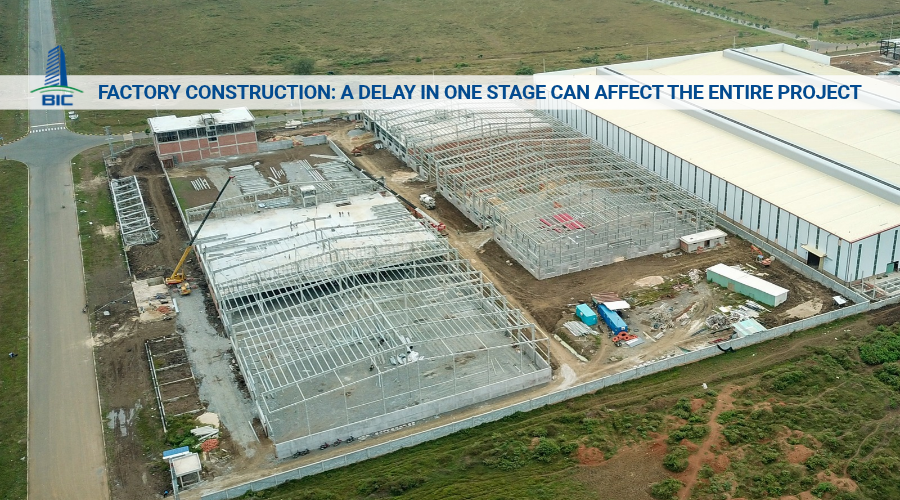
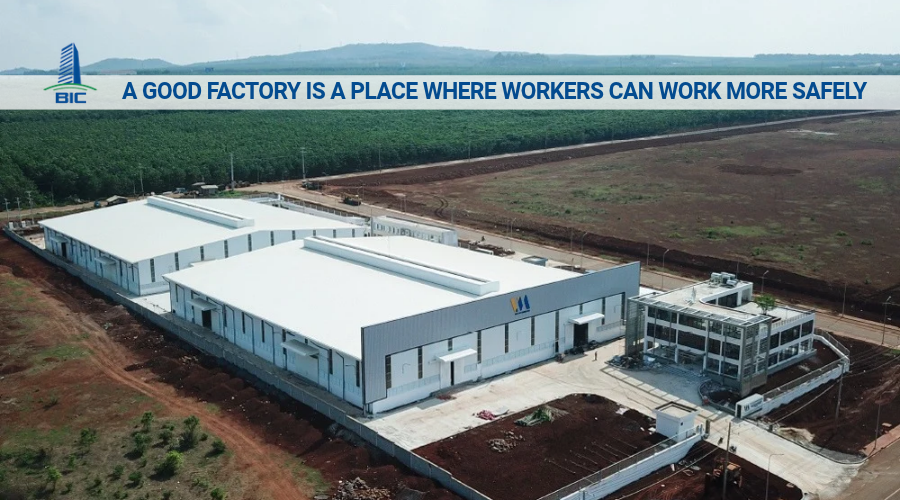
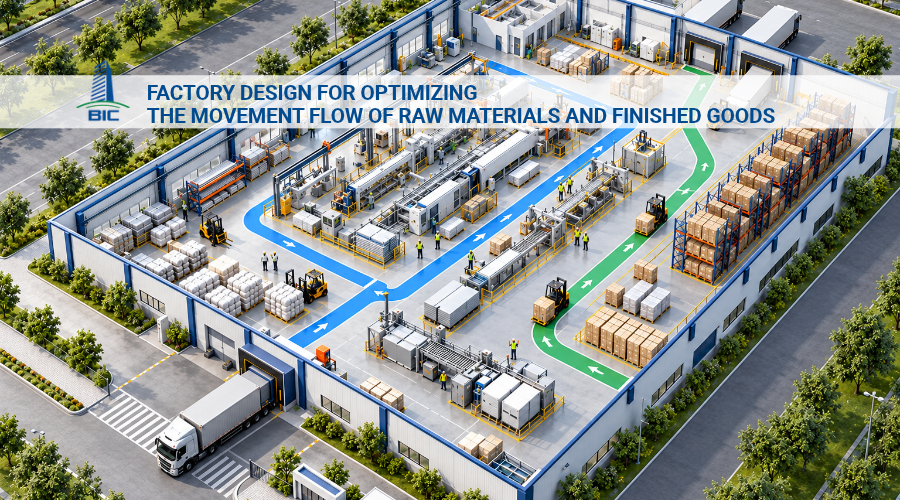
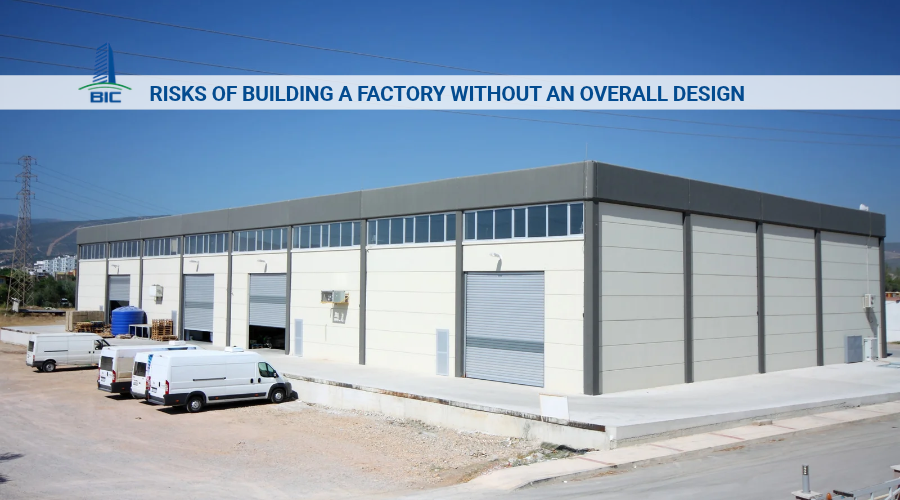
Safety in factory construction is an incredibly crucial factor, not only for protecting the lives and health of workers but also ensuring project efficiency and progress. Adhering to safety standards not only helps minimize the risk of occupational accidents but also reflects the professionalism and responsibility of contractors and businesses.
In the context of increasing demand for manufacturing and business facilities, mastering and implementing these safety standards are indispensable. Let's explore in detail these necessary standards in the process of constructing factories with BIC to ensure a safe and efficient working environment.
Adhering to construction safety standards in factory construction helps protect the lives and health of construction workers. Safety measures such as using personal protective equipment (PPE), safety training, and regular equipment inspections reduce the risk of accidents and injuries.
Implementing construction standards helps minimize risks and occupational accidents. Preventive measures such as equipment inspections, maintenance, using alarm systems, and adhering to construction safety regulations reduce the likelihood of incidents.
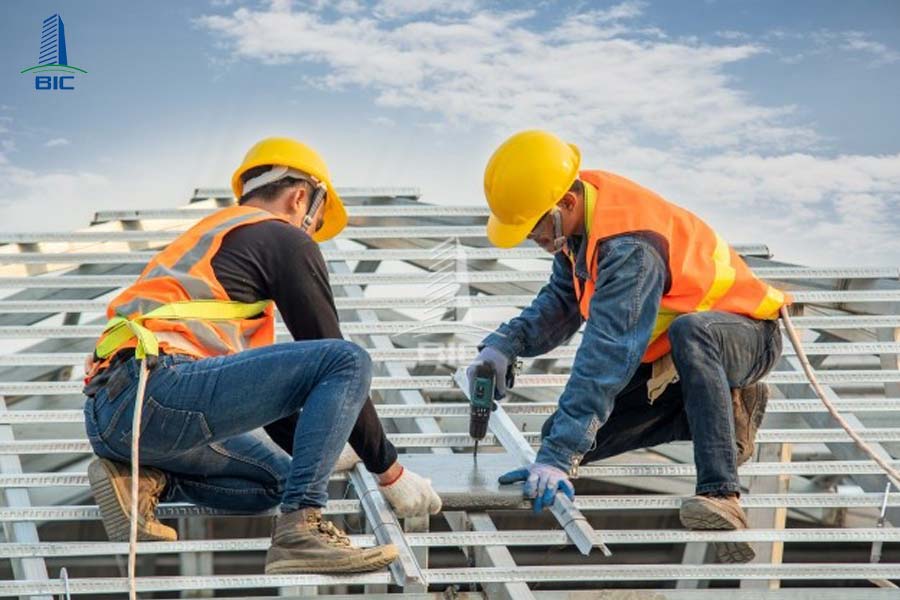
Working in a safe environment allows workers to focus more on their tasks, leading to increased efficiency and productivity. A safe working environment helps workers avoid unnecessary worries about potential hazards, enabling them to work more effectively, ensuring the progress and quality of factory construction projects.
Compliance with construction safety standards is a mandatory legal requirement. Regulations and laws on occupational safety are in place to protect workers' rights and ensure a safe working environment. Businesses failing to comply with these regulations may face penalties, suspension of operations, or other legal risks. Adhering to safety standards helps businesses mitigate these legal risks, safeguarding their reputation and image.
Businesses that adhere to safety standards build trust with customers and partners. A safe and professional working environment not only demonstrates the company's responsibility towards its employees but also showcases its project management capabilities. This builds credibility and trust with customers and partners, opening up opportunities for future collaboration and development.
During factory construction, there are general safety standards that contractors and workers must adhere to ensure a safe and efficient working environment.
Essential for labor safety, PPE such as helmets, gloves, safety shoes, reflective vests, and safety glasses minimize injury risks and protect health during construction.
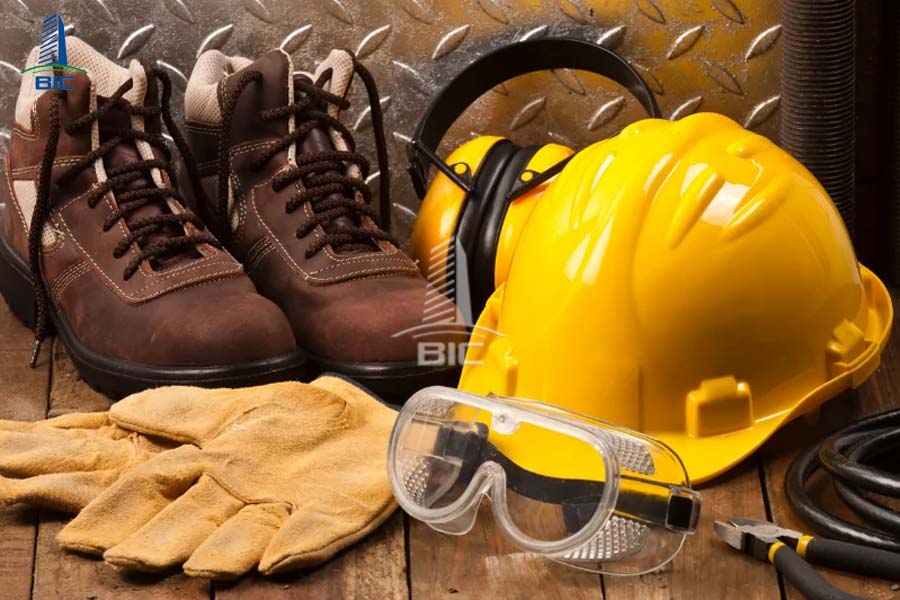
Crucial training ensures workers understand and comply with construction safety standards. Training programs cover PPE usage, safe work practices, fire prevention and response (PPE), and handling safety incidents.
Ensuring equipment and machinery undergo regular inspection and maintenance is essential for their safe and effective operation. Regular maintenance systems help detect potential issues early and minimize the risk of incidents during factory construction.
Especially in tasks requiring complex structures and heights, using safety equipment such as safety harnesses, scaffolding, and alarm systems protects workers and reduces the risk of accidents.
Training workers on the safe use and operation of machinery is crucial. Specific guidance on usage, maintenance, and operation of machinery prevents incidents and ensures safety for all employees involved in factory construction.
Adhering to these general safety standards not only protects workers' lives and health but also enhances the efficiency and quality of construction projects while minimizing unforeseen costs and risks.
Ensuring safety standards for equipment and machinery during factory construction is essential to reduce the risk of incidents and protect workers.
Regular inspections and maintenance are crucial measures to ensure the safe and effective operation of machinery. Regular maintenance programs help identify technical issues early, minimizing risks to workers' safety.
In tasks requiring advanced equipment and working at heights, using safety equipment such as safety harnesses, scaffolding, and alarm systems is crucial. Equipment must adhere to safety standards to protect workers from falling and ensure safety during factory construction.
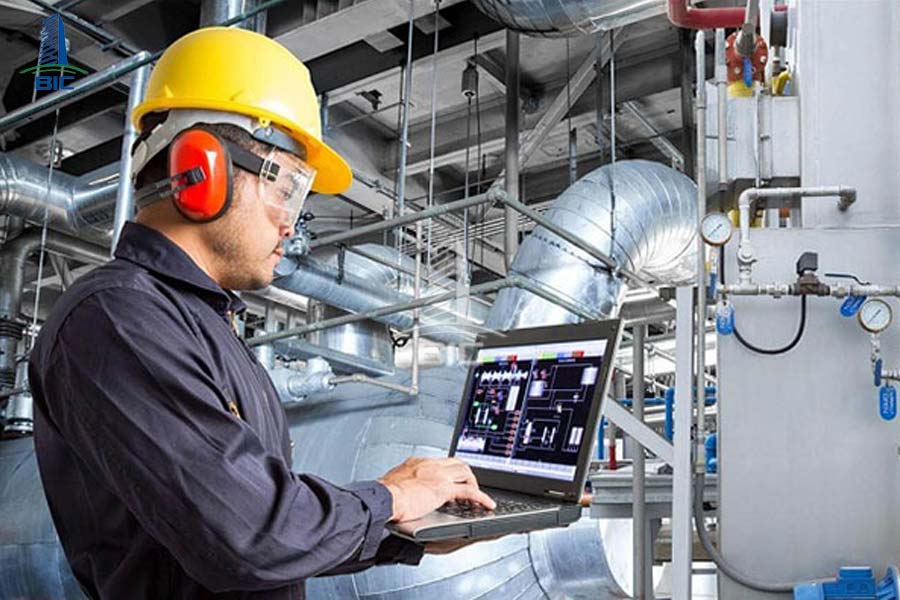
Training workers on the safe use and operation of equipment and machinery is essential. Providing specific guidance on usage, maintenance, and operation of machinery helps prevent incidents and ensure safety for all workers.
During factory construction, adhering to safety standards for construction and structures is crucial to ensure safety and sustainability.
Inspecting foundations and basic structures before construction is crucial and ensures they are solidly built and designed to standards, minimizing collapse risks and other construction incidents.
Installing steel structures is crucial in factory construction. Construction safety standards such as using advanced equipment and personal protective equipment ensure safety during installation and the load-bearing capacity of structures, protecting workers and preventing unforeseen construction incidents.
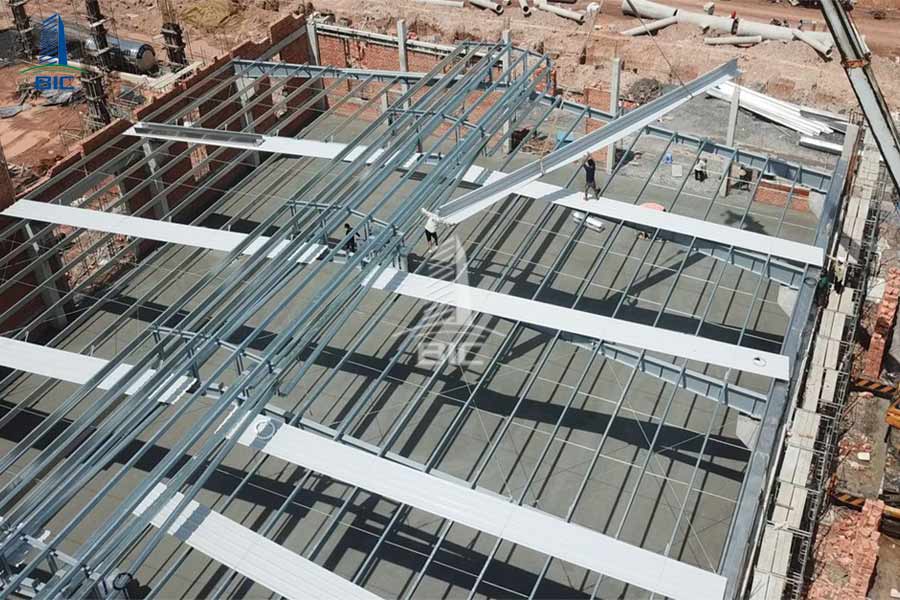
Working at heights during factory construction poses many challenges and risks. Using safety harnesses, installing scaffolding, and other protective measures are necessary to ensure compliance with safety standards for workers working at heights.
Fire prevention and firefighting (PCCC) are essential components of safety standards for factory operation and construction. Adhering to these standards ensures safety for both workers and property in the event of a fire.
Installing and maintaining automatic fire alarm and firefighting systems are basic measures to prevent fire and explosion risks. This system helps detect and quickly respond to fire incidents, minimizing damage and risk of loss.
Training workers on firefighting skills and procedures is crucial. Training courses include using firefighting equipment, quick and effective response skills in emergencies, and safety standards to ensure the best preparation in emergencies.
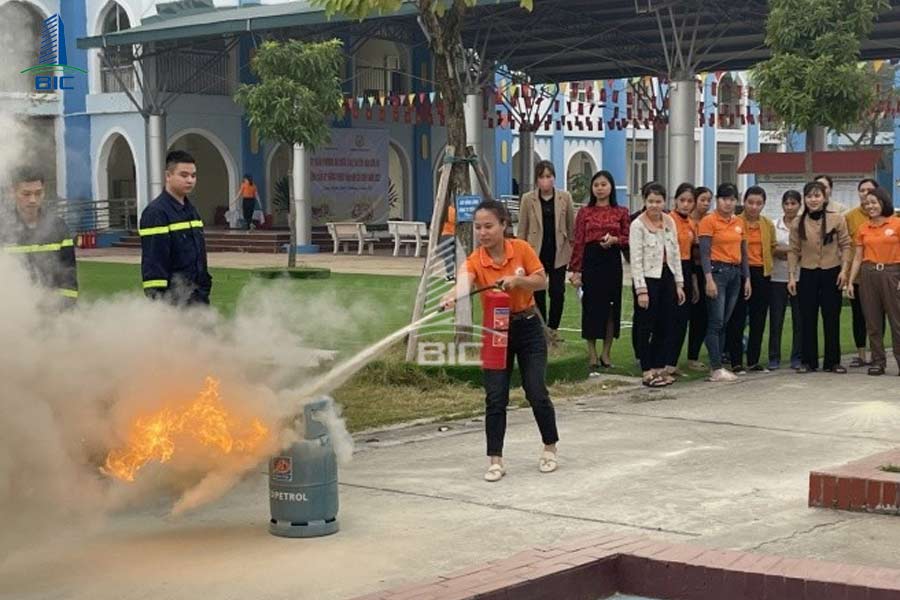
Ensuring that emergency exits are designed and maintained to ensure compliance with safety standards for all employees in emergencies. Safety instruction boards should also be strategically placed to guide and support employees in implementing firefighting measures.
Adhering to fire prevention and firefighting safety standards not only protects lives and property but is also a commitment of businesses and contractors to ensure safety and sustainability in factory construction activities.
Risk management and emergency response are essential components of safety standards for construction and factory operation. These are crucial measures to deal with unforeseen situations and ensure safety for everyone involved in construction.
Before starting factory construction projects, assessing and managing risks is crucial. Contractors need to identify and assess potential risks such as occupational accidents, construction incidents, and safety-related environmental issues.
Emergency response planning is a critical step in preparing for emergencies such as fires, occupational accidents, and other unforeseen incidents. This plan includes emergency response measures, transportation and evacuation means, as well as notification and communication in emergencies.
Training workers on emergency response skills and procedures is crucial. Training courses include using firefighting equipment, rapid response skills, and safety standards to ensure the best preparation in emergencies.
Regular inspection and evaluation of risk management and emergency response measures are crucial to ensure effectiveness and adaptability of the plan. Contractors need to conduct regular assessments and adjust plans based on experience and changes during construction.
By investing in risk management and emergency response measures, construction sites for factory construction equip themselves with the ability to respond quickly and effectively in emergencies, thereby reducing the risk of incidents and enhancing community and partner trust.
Adhering to safety standards in the construction and operation of factories is not only a legal obligation but also a commitment to the safety and sustainability of people and property. Through measures such as using personal protective equipment, safety training, regular inspections, and emergency response, we can reduce the risk of accidents and incidents, enhance efficiency and job quality, and meet legal requirements. Moreover, the commitment of each individual and organization to implement these safety standards is also an important factor in building trust and respect from partners and customers.