After a long period of operation, scaling up and renovating industrial workshops is a way to enhance production capacity, bringing various benefits such as improving the working environment, increasing economic efficiency, and promptly meeting market demands.
This article, BIC provides an overview of the process of expanding and renovating workshops, from identifying needs, planning, to execution and acceptance inspection. Through this, businesses can make the most accurate and effective decisions for their infrastructure upgrade process.
There are many reasons leading to the expansion and renovation of workshops, but they can be categorized into the following main reasons:
When a new business takes over an industrial workshop, the existing facilities may not be suitable for the production processes and specific requirements of the industry. Renovating and expanding the workshop is necessary to optimize production efficiency while complying with quality and safety standards. This is also an opportunity for the new business to apply more modern technologies and methods in production.
With market development and consumption needs, businesses need to increase production capacity to remain competitive. Expanding the workshop not only helps increase output but may also include integrating new production lines, improving product quality, and reducing production costs due to larger scale operations.
Old industrial workshops often face infrastructure issues such as poor electrical and water systems, unsafe structures, and poor working conditions. Renovating the workshop not only improves the working environment for employees but also increases the workshop's lifespan, minimizing future maintenance and repair costs.
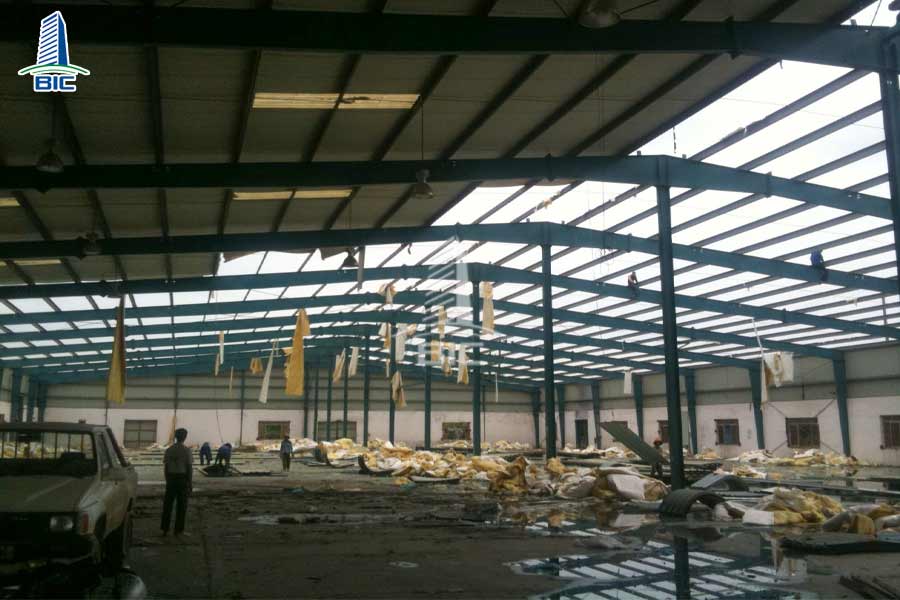
Expanding and renovating existing workshops is often cheaper than building new ones from scratch, especially when the business already has the premises and basic infrastructure. However, this also requires careful planning to avoid disrupting production activities. Businesses need to thoroughly assess factors such as the current condition of the workshop, renovation costs, implementation time, and related risks to make reasonable decisions.
Before deciding to renovate the workshop, businesses need to conduct a comprehensive assessment of the current state of the workshop. This includes checking infrastructure, equipment, production processes, and space usage. Through this, businesses can identify strengths and weaknesses, as well as factors that need renovation to meet expansion needs. A thorough assessment helps businesses better understand the current state of the workshop and make accurate decisions on the next steps.
Clearly identifying needs and renovation goals will help businesses have a specific direction and avoid wasting resources. Businesses need to answer questions like: Why is renovation needed? What are the specific goals? Expanding to increase productivity, improve product quality, or meet market demand? Through this, businesses can make appropriate strategic decisions and ensure that all resources are used efficiently.
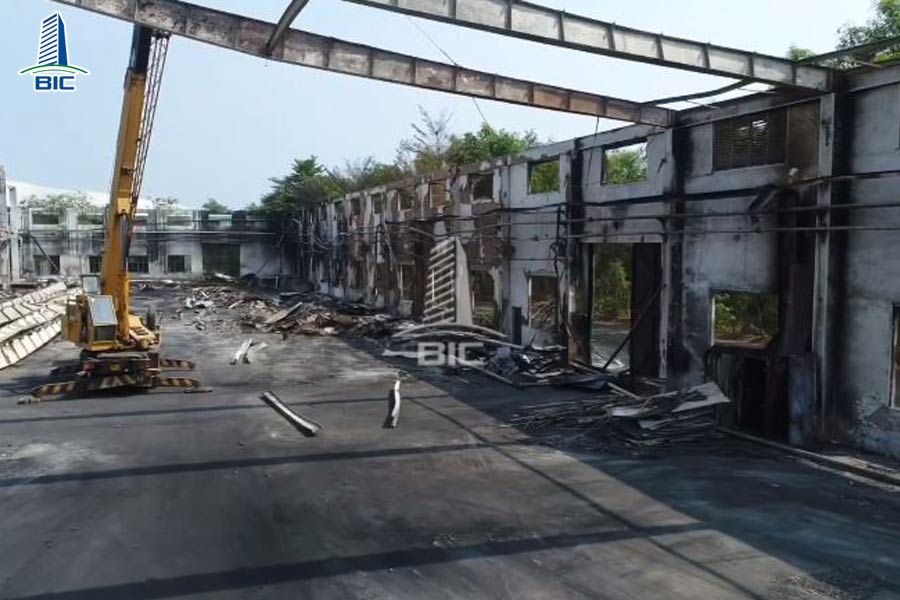
Detailed financial and time planning is a crucial factor in effectively managing the renovation process. Businesses need to estimate the costs for renovation, including construction costs, equipment purchases, and labor costs. At the same time, a specific timeline helps businesses track progress and ensure timely completion. Detailed planning also helps businesses anticipate and prepare for arising situations, thereby avoiding unwanted financial and time issues.
Businesses need to clearly understand and comply with legal regulations and technical standards related to the construction and operation of industrial workshops. This includes obtaining construction permits, complying with labor safety regulations, environmental protection, and technical standards in the industry. Complying with regulations not only ensures the project's legality but also helps businesses avoid future legal risks. At the same time, complying with technical standards ensures that the workshop operates efficiently and safely, thereby enhancing the business's reputation and market position.
The workshop upgrade and renovation process starts with a thorough survey of the current state of the industrial workshop. This is an important step to help businesses grasp the factors that need renovation and expansion. After obtaining the survey results, architects and engineers will design detailed workshop drawings, including both architecture and technical systems. This ensures that all changes are carefully planned, thereby optimizing space and improving operational efficiency.
Based on the workshop design, businesses need to make detailed plans and cost estimates for the entire renovation process. This plan should include work items, resource allocation, and implementation time. The cost estimate must be calculated carefully to avoid unwanted additional costs. Detailed planning helps businesses better control progress and resources, ensuring that the project runs smoothly.
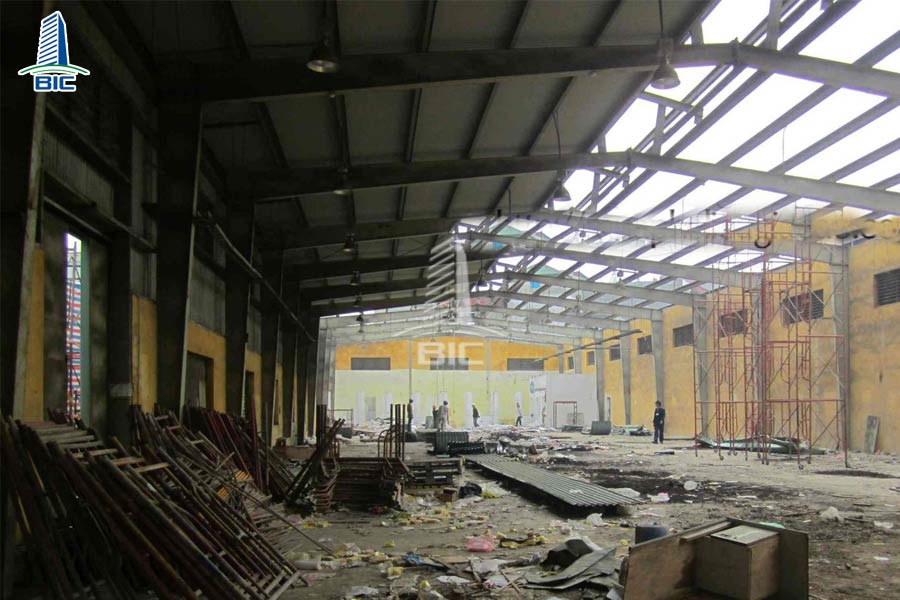
Before proceeding with construction, businesses need to obtain permits and approvals from authorities. This includes obtaining construction permits, ensuring compliance with labor safety regulations, environmental protection, and other technical standards. Complying with legal regulations not only ensures the project's legality but also helps businesses avoid future legal risks.
The renovation construction process must be carried out according to the approved plan and industrial workshop design. Businesses need to closely supervise the construction process to ensure the quality and progress of the work. Problems arising during construction need to be resolved promptly to avoid affecting the overall progress. Continuous supervision also helps to detect and correct errors early, ensuring that the project is completed to the right quality.
After completing the construction, businesses need to conduct an inspection to check and ensure that all items have been done as required. The inspection includes a thorough check of all work items to ensure that they meet the established standards. After inspection, the industrial workshop will be put into use with all new functions, ready to meet the production needs of the business. This not only ensures project quality but also helps businesses quickly exploit and optimize investment efficiency.
BIC currently provides services for expanding and upgrading workshops, including renovation, upgrading, beautification of industrial workshops, and functional conversion such as expanding the area, adding floors, and adding workshop rooms.
If you are considering or looking for a contractor for the expansion or renovation of your business's workshop, do not hesitate to contact BIC to receive the best consultation, quotation, and capability profile. We are committed to providing quality services that meet all your needs and requirements.