In the context of increasingly limited construction land and rising costs, finding space-saving factory design solutions has become a top priority for many businesses. Not only does it help optimize production space, but it also reduces initial investment costs. These solutions bring long-term benefits and ensure flexibility for future factory expansion and development. So, how can you design a factory that saves space while still meeting full production needs? Let's explore through advanced and intelligent design solutions.
Save on construction costs: When space is optimized, businesses can reduce the area needed for construction, which translates to savings on materials, labor, and related construction and design costs. The cost of structures like foundations, columns, and partitions will also decrease due to space optimization.
Lower equipment purchasing costs: By organizing space efficiently, businesses can reduce the number of machines or equipment needed. Additionally, equipment is arranged more effectively, reducing the need for auxiliary devices or the future expense of reorganizing space.
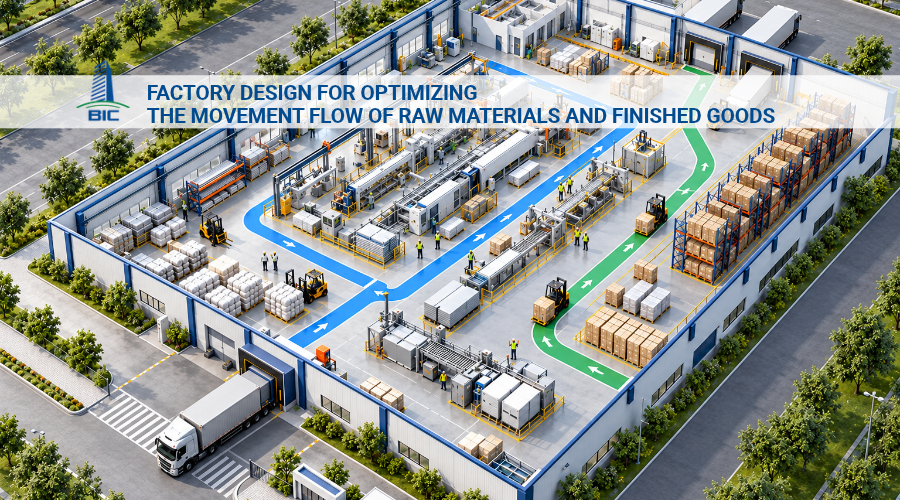
Optimize production processes: When factory space is organized scientifically, production, storage, and transport areas are interconnected smoothly, minimizing the time spent moving between stages. This results in a smoother production flow, reduced waiting times, and fewer errors during operations.
Minimize time and labor: Arranging equipment and workflows logically shortens production time, reducing the number of workers needed. This not only saves on employee wages but also enhances work efficiency as processes are less likely to overlap or be disrupted.
Easily adjust, expand, or downscale production: A factory designed to save space provides flexibility for businesses when there is a need to expand or reduce production. There’s no need for major structural changes; businesses can easily add or remove equipment or production areas without disrupting overall operations. This is especially useful in rapidly changing markets where businesses need to quickly adapt to new production demands.

Create a well-ventilated working environment: When the factory space is designed to be compact yet reasonable, the workspace will be more open, allowing for better airflow and natural light. This reduces the risk of accidents caused by cramped spaces or poorly arranged equipment.
Enhance worker safety: A well-optimized factory design helps mitigate risks related to improper equipment and material arrangements. High-risk areas, such as those operating machinery or storing chemicals, will be organized logically, ensuring compliance with labor safety standards, thus protecting workers and minimizing accidents.
Analyzing each of these benefits highlights the value of space-saving factory design, not only in terms of finances but also in production efficiency and workplace safety.
Increase usable space: By constructing the factory vertically (adding floors), businesses can increase usable space without expanding the ground area, saving on land and construction costs. This is particularly useful in areas with limited land or when businesses want to maximize the value of their existing land.
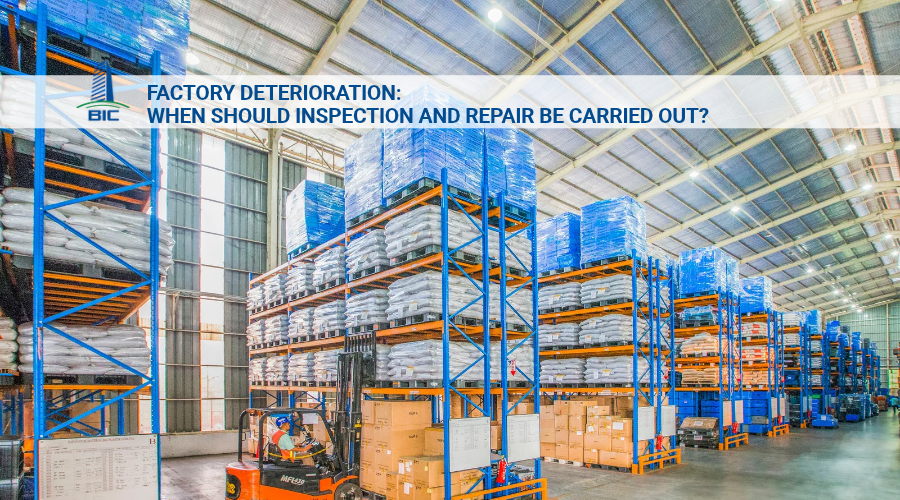
Optimize storage and goods management: Using industrial shelving maximizes ceiling space, increasing storage capacity without hindering production activities on the floor. This not only saves space but also minimizes clutter, making goods management easier and reducing unnecessary space wastage.
Higher production efficiency: When areas such as production, offices, and storage are arranged logically, businesses can make the most of the space, improving workflow and productivity. A smart layout reduces the time employees spend moving between areas, cutting down on waiting times and avoiding bottlenecks during operations.
Save on management time and costs: A smart layout not only improves work efficiency but also reduces time and costs associated with managing the factory. When everything is neatly arranged, production management and inventory control become simpler, saving human resources and related costs.
Reduce load and save space: Lightweight yet durable materials reduce the load on factory structures, allowing architects to design with smaller spaces while still ensuring safety. As a result, businesses can reduce the space needed for load-bearing structures, freeing up more room for production and storage activities.
Long-term cost savings: Advanced materials often provide insulation, soundproofing, and waterproofing benefits, reducing maintenance and energy costs for the factory. Sustainable materials also help businesses comply with environmental protection standards, creating long-term and sustainable value.
Optimize production management: By applying technology such as space management software and automation in production, businesses can better control factory operations. Technology helps analyze and optimize production areas, warehouses, and material flows, minimizing waste and making efficient use of every square meter of space.
Flexible process adjustments: Modern technology allows factories to easily adjust production processes based on actual demand without needing to change the entire structure. This flexibility enables businesses to expand or reduce production without causing disruptions, saving time and costs.
Analyzing each benefit of these design solutions helps businesses better understand how to optimize factory space, enhancing production efficiency, reducing costs, and creating a safe and sustainable working environment.

- Production Scale: Determining the current and future production scale is a top priority when designing a factory. A factory designed based on the precise scale will not only meet current production needs but also be ready for future expansion plans.
- Type of Production: The type of production directly impacts the choice of factory design. Each type of production has different characteristics regarding processes, machinery, and space requirements.
- Technical Requirements: Ensuring that the factory fully complies with technical and safety requirements is mandatory. This includes infrastructure standards such as electrical, ventilation, water supply, drainage, fire prevention, and labor safety systems.
- Budget: Budget is always a critical factor in factory design. Businesses need to choose design solutions that align with their financial capabilities, from selecting construction materials to production equipment.

- Professional, experienced team: When partnering with BIC, customers receive support from a team of professional architects and engineers with extensive experience in optimizing factory space design.
- Commitment to quality, timeline, and cost optimization: BIC guarantees quality in construction and ensures factories are designed and built according to safety and technical standards.
- Free consultation and legal support: BIC provides free consultation services, offering detailed advice on space optimization solutions and ensuring the factory fits the production needs and budget of the business.
Collaborating with BIC provides businesses with trust, peace of mind regarding quality, timeline, and the ability to save costs during the factory construction process.
For businesses seeking space-saving factory design solutions, contact BIC today! Our professional and experienced team is ready to offer free consultations and provide optimal solutions tailored to your factory needs. Let BIC accompany you in building and developing your sustainable business!