The construction design process is a series of critical steps that ensure every element—from conceptualization and drawing to implementation is carried out in a structured and scientific manner. Adhering to the process not only optimizes the quality of the project but also ensures that the industrial factory project is completed on schedule and meets all technical and legal requirements.
This article will guide you through each step of the process, providing detailed and practical information that you can apply in real-world scenarios.
A standardized construction design process is the foundation for ensuring the quality of the project and provides numerous benefits throughout the construction phase.
- Ensuring Project Quality: Following the correct process ensures that technical factors, materials, and construction methods are precisely planned and executed, optimizing all resources.
- Cost Optimization: This not only guarantees that the project meets technical standards and is sustainable over time, but also helps save costs by avoiding material, labor, and time wastage.
- Risk Mitigation: A standardized process helps to identify and resolve potential risks in a timely manner, reducing unexpected incidents during construction.
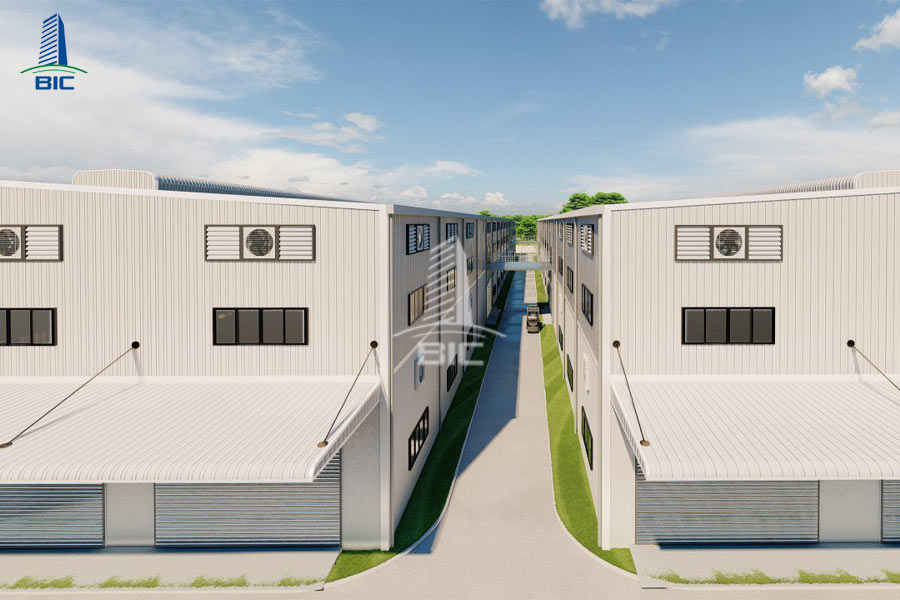
When design is not executed properly, a series of problems can arise.
- Substandard Quality: The project may suffer from technical defects or inappropriate material usage, leading to rapid deterioration or damage. This directly affects the safety and lifespan of the project and results in other consequences such as delays, unexpected repair costs, and increased maintenance.
- Increased Costs: These issues not only raise the overall cost of the project but also damage the reputation and credibility of the investor and the contractor. A lack of a proper design process can lead to repeated repairs, causing inconvenience and reducing the project's economic efficiency.
Breaking down the design process into stages ensures accuracy and efficiency at every step.
The design process starts with a site survey, evaluating environmental factors, terrain, and other natural conditions. Architects then analyze the investor's needs and requirements to set clear design objectives. A detailed plan is created, outlining specific steps and timelines to ensure that every aspect of the project is thoroughly considered.
After completing research and planning, the architectural design phase begins with sketching architectural concepts. These ideas are translated into floor plans, elevations, and sections to provide an overall view of the project.
Once the architecture is defined, the structural design focuses on calculating the building's load-bearing capacity. This involves selecting materials that meet technical and economic requirements and designing key components such as foundations, beams, and columns to ensure the building can withstand forces during use.
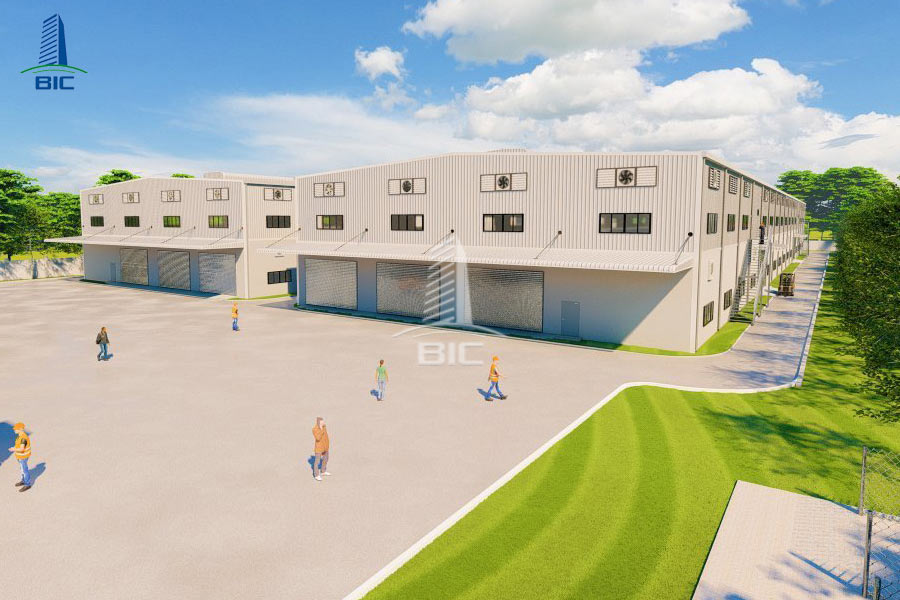
This stage includes designing essential technical drawings for electrical, plumbing, ventilation, and air conditioning systems. Additionally, fire protection systems are designed in detail to meet safety standards. Coordination among these systems ensures the building operates efficiently and safely.
Once the design stages are complete, the entire documentation is compiled and reviewed to ensure no errors. The finalized documents are then handed over to the construction team, serving as the foundation for the next steps in the construction process. Although this is the final step, it is crucial to ensure all aspects have been thoroughly reviewed and the project is executed according to the outlined plan.
A standardized construction design process cannot be achieved without the contribution of several key factors, with a professional design team playing a leading role. Experienced architects and engineers deeply understand design principles and construction standards. Highly skilled architects can propose creative design solutions while ensuring the safety and sustainability of the project. This team must be adept at recognizing new trends and capable of addressing challenges that arise during the design process.
Adherence to legal regulations is a mandatory condition to ensure the project's legality and safety. The design process must comply with current construction codes and design standards while aligning with urban planning and regional development policies. Failure to comply with these regulations can lead to serious legal issues, delays, and increased costs for the project.
A standard design process requires a combination of high expertise, modern technology, and strict adherence to legal regulations, all of which contribute to ensuring the highest quality for the project.
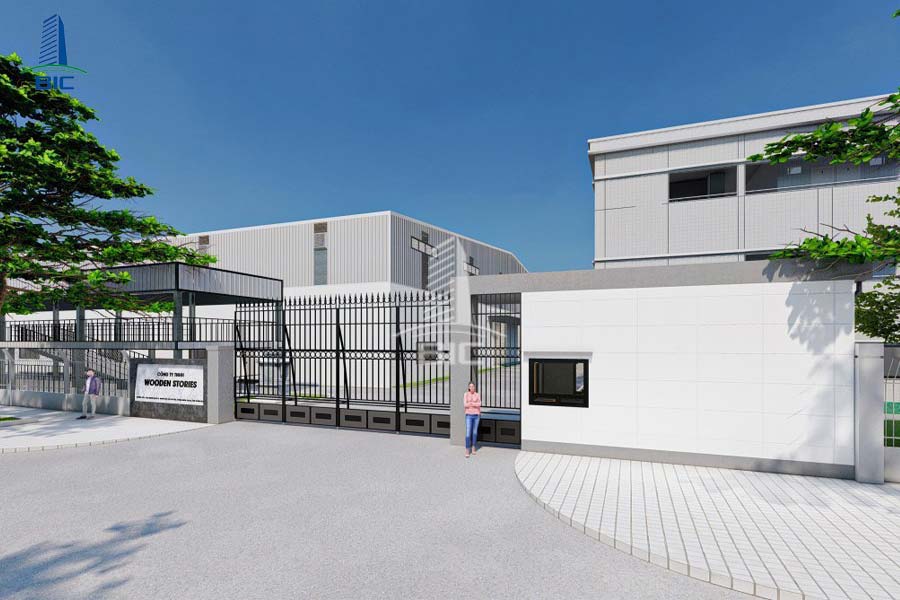
When selecting a design unit for a construction project, several critical factors must be considered to ensure the success of the project.
- Experience of the Contractor: The experience of the design unit is crucial. Companies that have completed similar projects often have deep knowledge of technical requirements and potential challenges, enabling them to handle complex issues and propose optimal solutions.
- Reputation: Look into past client reviews to ensure the company has a strong track record of completing projects on time and meeting quality standards. Positive client feedback is a significant indicator of the design unit's reliability and capability.
- Cost: Price should not be the sole deciding factor, as companies offering low prices but subpar quality may lead to issues during construction, resulting in higher long-term costs. Instead, seek a design unit with reasonable pricing that matches the quality of service they provide.
- Consultation Ability of the Design Unit: A contractor with good consultation skills will not only fulfill client requirements but also proactively propose optimal design solutions that align with the project's goals and budget. This ensures the project is technically sound, economically efficient, and aesthetically pleasing.
Following a standard design process ensures that the project meets technical and aesthetic standards, saves costs and time, and minimizes risks throughout the construction of the factory. To ensure your project is designed optimally and achieves the highest efficiency, contact BIC for detailed consultation and the best construction design solutions from a team of experienced experts.