The goal of many manufacturing enterprises is to construct modern and efficient factories. The process of designing and building a factory is crucial, as it directly affects productivity, operating costs, and the aesthetics of the facility.
This article provides a comprehensive overview of the modern factory design and construction process, sharing tips and experiences to ensure your project is successfully completed. Join BIC in exploring the essential steps to building a cost-effective and high-quality factory.
The site survey is the first and most crucial step in the modern factory design process. The purpose of the survey is to understand the geographical location, environmental conditions, and factors affecting the design process. Through the survey, architects and engineers can gather comprehensive information about the land area, terrain, and any special requirements from the investor. Gathering requirements from the investor and stakeholders is also a vital part of this stage. This ensures that the final factory design meets the exact needs and expectations of the client. Requirements may include functionality, the number and size of functional areas, working environment requirements, and safety standards.
After completing the survey and gathering requirements, the next step is to create preliminary design drawings. This is where the initial factory design ideas are turned into drawings, helping investors visualize the construction project more clearly. When creating preliminary design drawings, factors to consider include logical space layout, optimizing usable area, and creating a convenient and safe working environment. Commonly used tools in modern factory design include AutoCAD, Revit, and SketchUp. These tools help architects and engineers create accurate and detailed drawings.
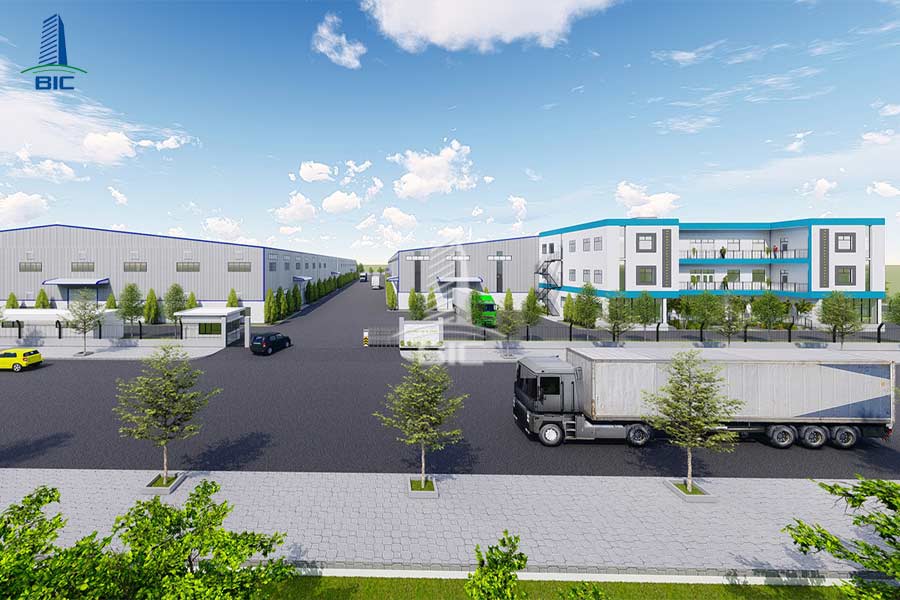
After the preliminary design drawings are completed, the next step is to analyze and optimize the factory design. The analysis criteria include usable area, functionality, energy efficiency, and compliance with technical and legal standards. With the development of technology and design optimization solutions, architects and engineers can create the most optimized drawings. Solutions such as using advanced building materials, applying green technology, and integrating automation systems help optimize energy efficiency and minimize environmental impact.
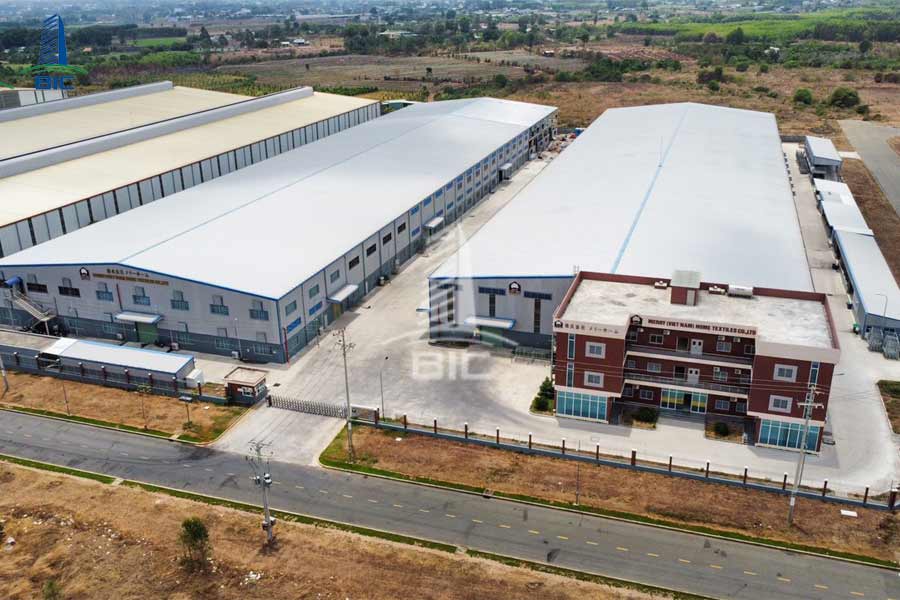
Finally, after analyzing and optimizing the factory design, the next step is to create detailed design drawings. In this stage, the drawings will detail all construction items, from architectural details, foundation structure plans, prefabricated steel frame drawings, connection nodes, material specifications, M&E drawings, and fire protection and escape systems. Specific items include:
- Production workshop
- Warehouse
- Office area
- Canteen, dining hall, and rest areas for staff
- Underground tanks
- Power station
- Parking area and guardhouse
- Gates and fence systems The process of checking and approving design drawings is also crucial. The drawings must be thoroughly checked to ensure all details are accurate and comply with technical standards. After checking, the drawings will be approved by the relevant parties before proceeding with factory construction.
The modern factory design process requires meticulousness, precision, and close coordination between all parties involved to ensure the project is completed on schedule and meets all investor requirements.
The first step in the modern factory construction process is preparing the site and construction materials. Site preparation work includes clearing, leveling, and preparing the foundation for the project. This creates a solid foundation to ensure the smooth execution of subsequent construction steps. Managing the quality of construction materials and equipment is crucial to ensuring the construction progress and quality of the project. This includes selecting and inspecting the quality of materials before use, ensuring compliance with technical and safety standards.
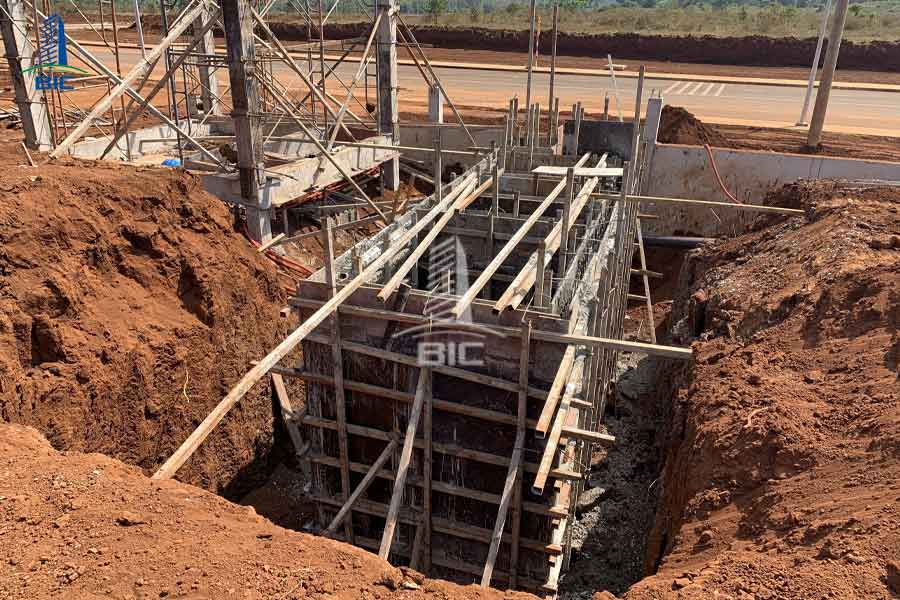
Foundation construction is a crucial stage in factory construction, directly affecting the stability and durability of the entire project. Steps include:
- Excavation: Digging the foundation pit to the designed size and depth.
- Concrete Pouring: Pouring reinforced concrete into the foundation pit to create a solid foundation.
- Foundation Reinforcement: Using reinforcement methods such as concrete piles and steel piles to increase the foundation's strength and load-bearing capacity. Strict quality standards must be adhered to during foundation construction, including inspecting material quality and construction techniques to ensure the project's stability and safety.
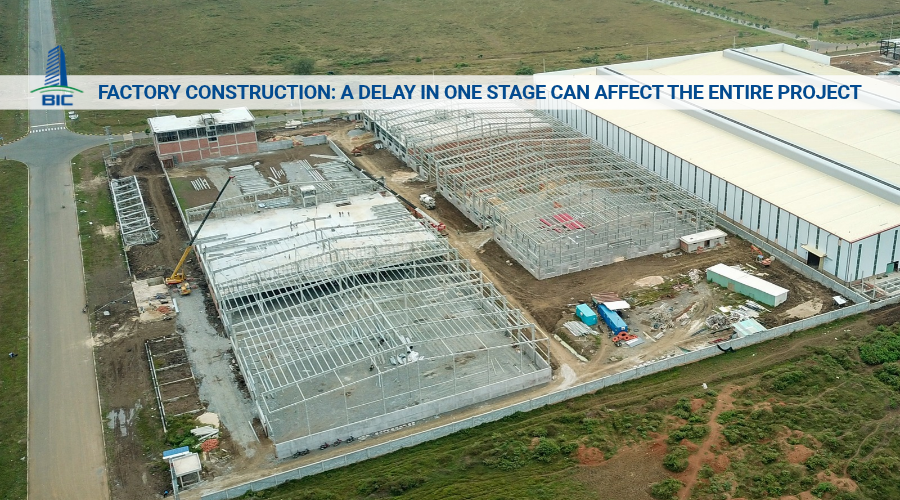
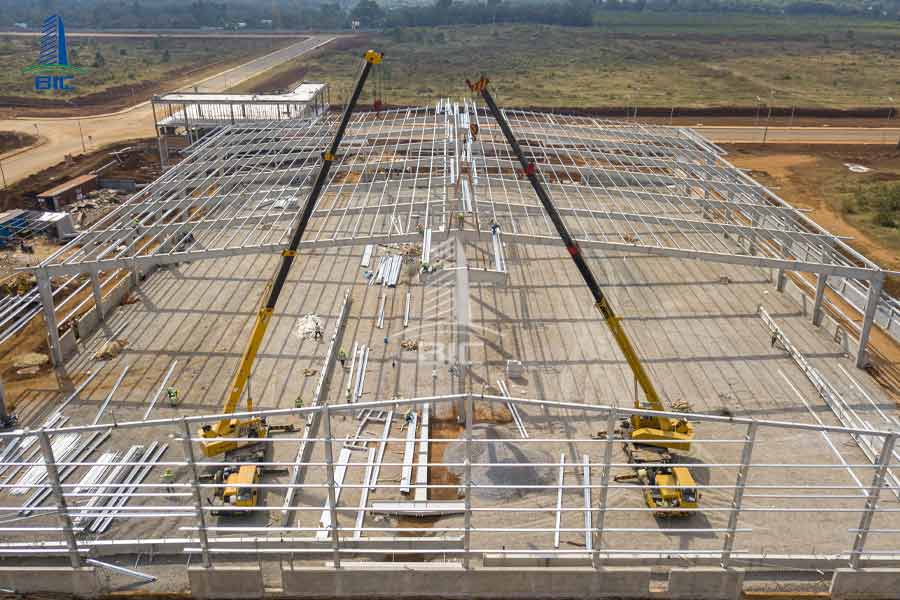
The steel structure is the main component of the factory, including erecting columns, beams, and prefabricated steel structures. Factory construction methods with steel structures often use advanced technologies such as cranes and automatic welding, increasing efficiency and accuracy. This process includes:
- Erecting Columns and Beams: Using cranes to install steel columns and beams according to the design drawings.
- Welding Connections: Using automatic welding technology to weld the connections between structural components.
- Inspection: Inspecting welds and connections to ensure the structural frame's solidity and safety.
Roof and wall construction require precision and high technique, especially when selecting materials and construction methods. Using lightweight, durable, and well-insulated materials will help increase energy efficiency and reduce operating costs. The process includes:
- Installing Roof Frame: Using braces and steel frames to create a solid roof frame.
- Installing Roof and Wall Panels: Using roofing and wall materials to complete the factory's roof and walls.
- Inspection: Inspecting the durability and waterproofing of the roof and walls.
Installing the electrical system in factory construction includes wiring, installing electrical equipment, and checking the system's operation. This process must comply with strict safety and technical standards to ensure stable and safe operation. Steps include:
- Wiring: Installing electrical wires according to the design diagram.
- Installing Equipment: Installing electrical equipment such as switchboards, lighting fixtures, and outlets.
- Inspection: Inspecting the electrical system to ensure stable and safe operation.
The water supply and wastewater treatment system is an essential part of factory construction. The installation process includes installing pipes, tanks, and wastewater treatment equipment according to environmental standards. Steps include:
- Installing Water Pipes: Using pipes to supply clean water and drain wastewater.
- Installing Tanks and Treatment Equipment: Installing water tanks and wastewater treatment equipment such as sedimentation tanks and filters.
- Inspection: Inspecting the water supply and wastewater treatment system to ensure efficient operation and compliance with environmental regulations.
Installing the fire protection system includes installing fire extinguishers, automatic fire alarm systems, and emergency equipment. Compliance with fire protection regulations is mandatory to ensure the project's and workers' safety. Steps include:
- Installing Fire Protection Equipment: Installing equipment such as fire extinguishers and automatic fire alarm systems.
- Inspection: Inspecting the fire protection system to ensure efficient and safe operation.
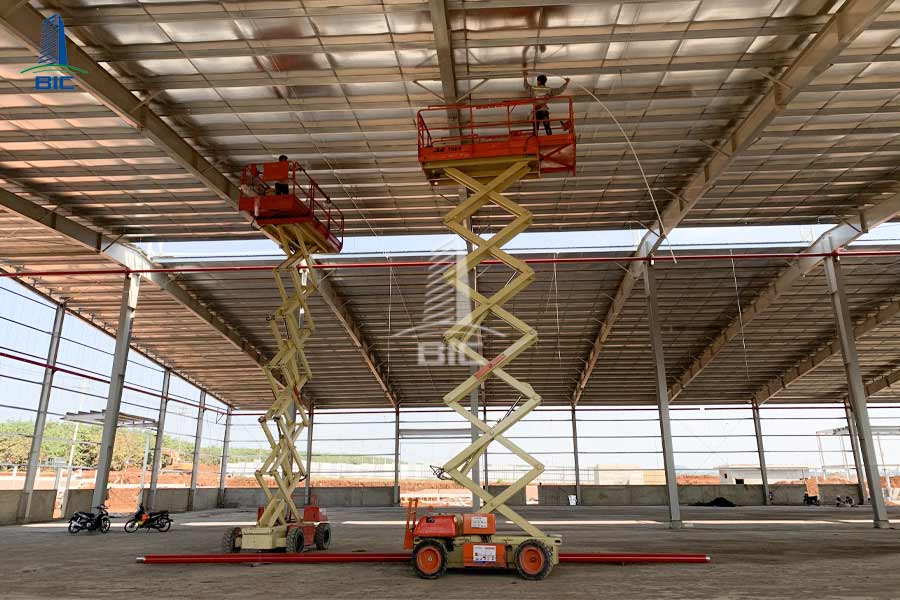
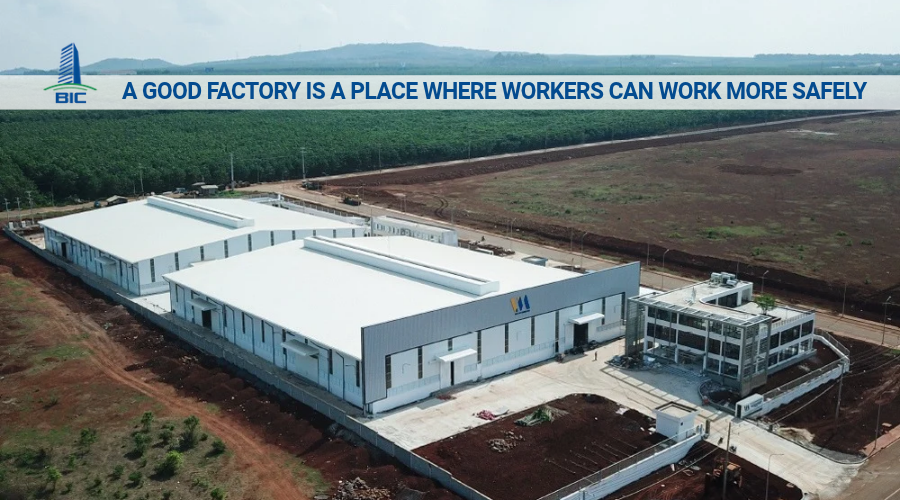
After completing the main construction items, finishing work includes painting, installing doors, and other details. Finally, the acceptance inspection process will check the entire project to ensure that all items meet quality and safety standards before handing over to the investor. Thorough acceptance inspection helps identify and promptly rectify any errors, ensuring the project's efficient and sustainable operation over time. Steps include:
- Inspecting Each Item: Thoroughly inspecting each construction item to ensure quality and safety.
- Preparing Acceptance Report: Recording inspection results and preparing the acceptance report.
- Project Handover: Handing over the project to the investor after completing all work and ensuring it meets quality standards.
Compliance with legal regulations is crucial when designing and constructing factories. Required permits and regulations include construction permits, environmental permits, and labor safety regulations. Before starting the project, ensure all necessary legal documents are fully authorized. Compliance with planning regulations, technical standards, and safety requirements helps avoid legal issues and protects the investor's rights.
Occupational safety is indispensable during factory construction. To ensure safety for workers and the entire project, follow these measures:
- Safety Training: Organize safety training courses for workers before starting construction.
- Personal Protective Equipment: Provide full protective equipment such as helmets, gloves, safety shoes, and reflective vests.
- Safety Supervision: Regularly check and supervise safety measures at the construction site to detect and promptly address potential hazards.
During the factory design and construction process, environmental protection is an important factor to consider. Measures to minimize environmental impact include:
- Waste Management: Collect and treat construction waste according to regulations, preventing waste from affecting the surrounding environment.
- Energy Saving: Use energy-saving materials and equipment, design ventilation and natural lighting systems to reduce electricity consumption.
- Green Technology: Apply green technologies during construction, such as using recycled materials, dust-free construction technologies, and noise reduction measures.
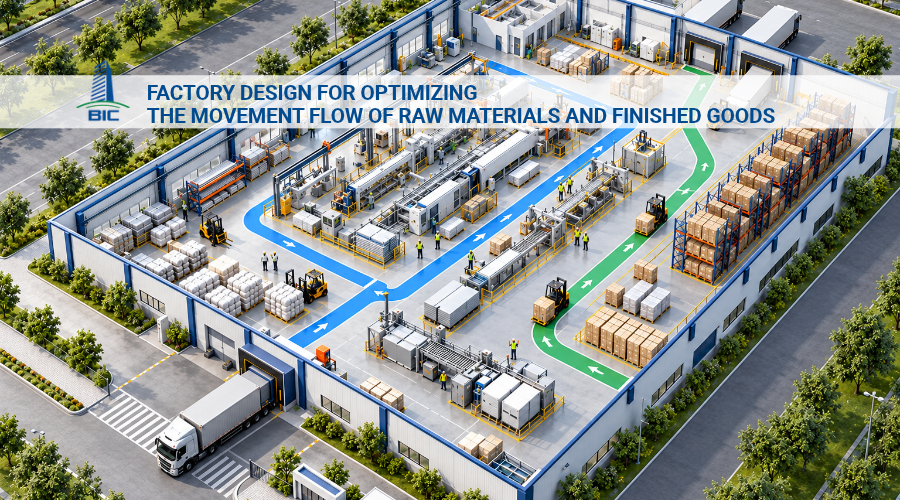
Besides technical and safety factors, the aesthetics and functionality of the factory must also be considered. Factory design must ensure that it meets production requirements and creates a comfortable and convenient working environment for workers. Reasonable space layout, harmonious use of colors, and creating green landscapes around the factory contribute to enhancing work efficiency and worker morale.
BIC is a leading unit in the design and construction of factories today. With many years of experience, BIC has successfully completed numerous projects, adhering to standard construction processes and meeting all stringent requirements. Investors and businesses needing factory construction, please contact BIC immediately for detailed consultation and specific quotes according to your requirements.