In the field of construction, factory design and residential design are two types of design with significant differences. Each type has its own technical requirements, materials, and construction processes. Understanding these differences not only helps investors make informed decisions but also ensures that the project meets its intended purpose. Choosing the right design plays a crucial role in optimizing costs and ensuring long-term effectiveness.
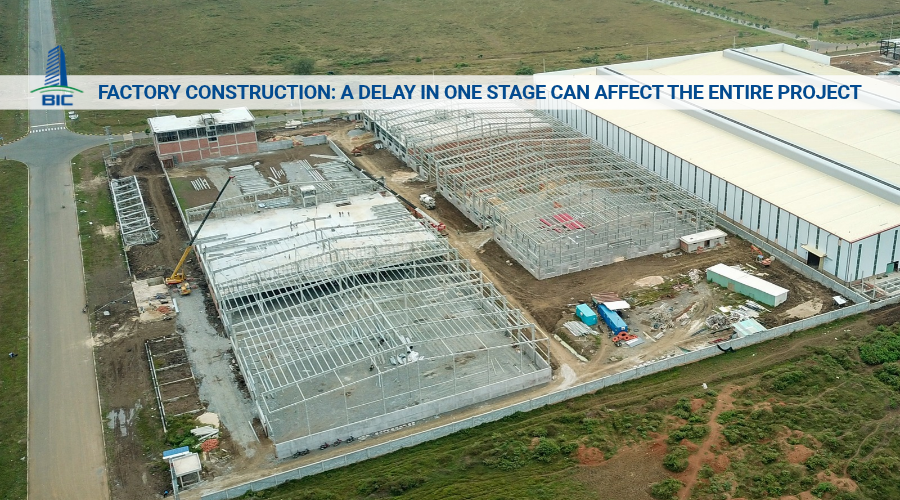
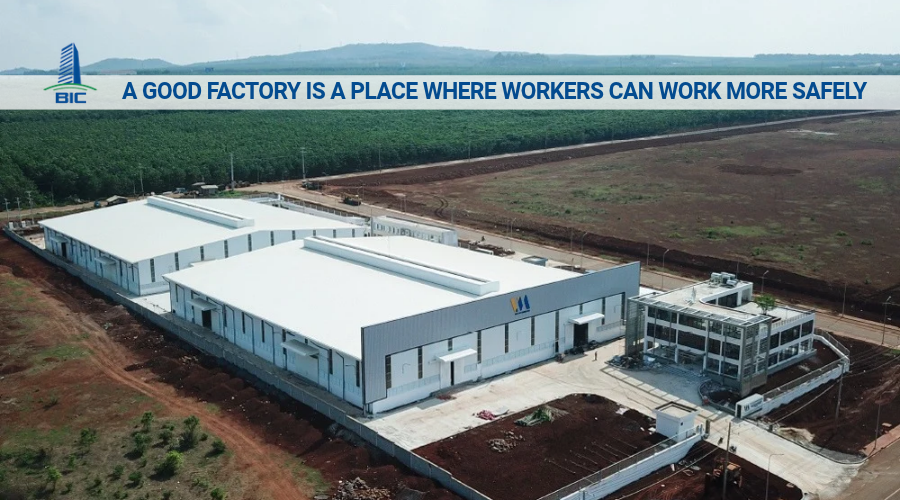
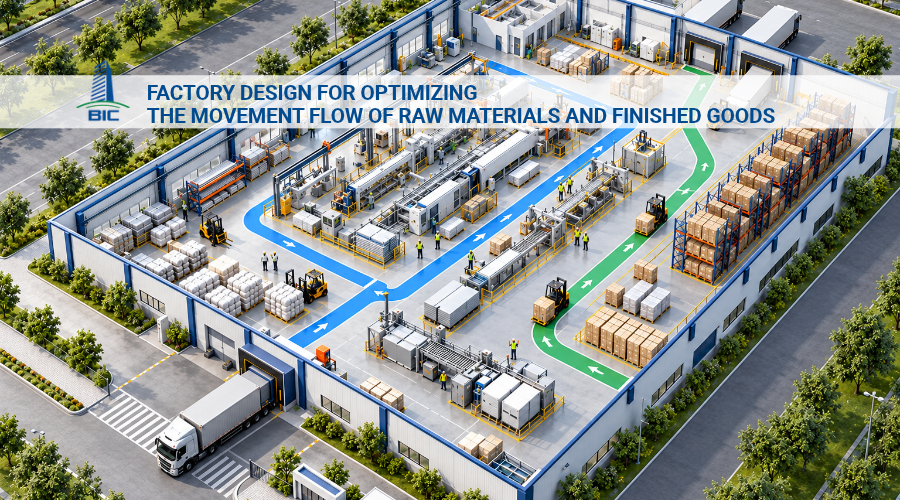
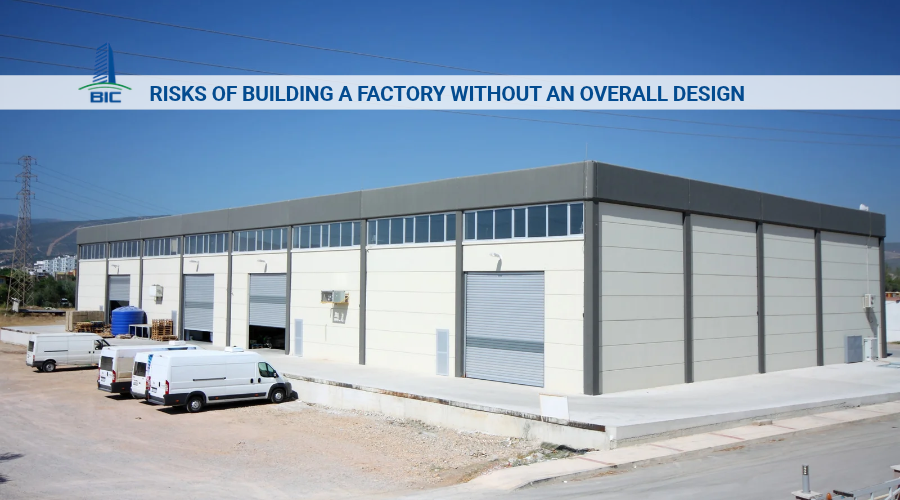
Factory design focuses on constructing buildings that serve production, processing, or storage purposes. The main characteristics of this type of design include large spaces, durable structures, and high load-bearing capacity. The technical requirements must optimize the production process, including the proper arrangement of machinery, electrical and water systems, and ensuring workplace safety. The goal of factory design is to create an efficient, safe workspace that meets industrial standards.
On the other hand, residential design emphasizes aesthetics and comfort for living spaces. Homes are typically designed to provide warmth, comfort, and harmony with the surrounding environment. Residential designs often focus on maximizing natural light, creating open and airy spaces, and meeting the daily living needs of the family.

Factory design requires strict adherence to technical standards to ensure safety during production and operation. These requirements include the ability to bear the weight of machinery and equipment, durable structures, and resistance to environmental factors such as temperature, humidity, and vibrations. Fire protection, ventilation, and wastewater treatment systems must be carefully designed according to government regulations and international ISO standards to ensure a safe and efficient working environment. Additionally, factories must be designed with the potential for future expansion without affecting the current structure.
In contrast, residential design has lighter technical demands but focuses more on comfort and aesthetics for daily life. Residential design standards often emphasize the use of natural light, creating spacious and energy-efficient living spaces. The layout of electrical, water, and insulation systems needs to be reasonable and safe, catering to the daily needs of the family members. Additionally, material choices must be suitable for the local climate, optimizing costs while ensuring durability and aesthetics.

The materials used in factory design must meet high standards for durability, load-bearing capacity, and stability in harsh industrial environments. Common materials include steel, reinforced concrete, and heat-resistant, corrosion-resistant materials. Steel is favored for its flexibility, ease of assembly, and ability to support large open spaces. Furthermore, factory roofs and walls are often designed with insulating and fire-resistant materials to ensure safety and production efficiency.
In residential design, materials focus more on aesthetics, comfort, and cost-effectiveness. Brick, concrete, and wood are the main materials used in residential construction. The goal is to create a comfortable, airy living space that is close to nature. Lightweight materials like non-fired bricks or tempered glass are also used to enhance modernity and optimize natural light. Additionally, soundproofing, insulation, and eco-friendliness are prioritized to provide comfort for the residents.

The construction costs and timeline for factories are generally higher and require quick progress to meet production needs. Due to the large scale, complex structures, and stringent safety standards, factory construction requires a professional construction team with experience in installing technical systems such as electricity, water, and fire protection. Furthermore, factory construction must be completed quickly while adhering to strict quality control processes to avoid interrupting production.
On the contrary, residential construction costs and timelines are more flexible, depending on the scale and aesthetic requirements of the homeowner. Residential construction does not require complex technical systems like factories, so the timeline can be extended to ensure the aesthetic details of each stage. Building materials also offer various options from low-cost to high-end, allowing homeowners to adjust their budget according to their needs.

The ability to expand a factory’s scale is one of the important factors in factory design, especially when businesses need to expand production or upgrade technology. Factories are often designed with open space structures, allowing easy adjustment of machinery layout or production areas without the need to rebuild from scratch. The use of materials like steel and reinforced concrete allows factories to withstand changes in load and structure during renovations.
Residential renovation and expansion, on the other hand, are different, as homes are typically designed with fixed areas that see minimal layout changes over time. However, renovation can still be flexible, involving projects like interior upgrades, room expansions, adding floors, or improving garden areas.
Regular maintenance of factories is crucial to ensure smooth and safe production processes. Since factories are often subjected to the impact of machinery, chemicals, and harsh environmental conditions, regular inspections and maintenance of systems such as electricity, water, ventilation, and fire protection are mandatory.
Regular maintenance for residential buildings is also necessary, though it is typically less complex and demanding compared to factories. Homes need periodic checks of electrical, water, and drainage systems to prevent breakdowns that might affect daily life. Other aspects like walls, roofs, and flooring should be maintained to preserve aesthetics and structural durability.

Choosing a Reputable Design and Construction Unit
Choosing a design and construction unit for factory design requires careful consideration, as this type of project has many complex technical and safety requirements. Units experienced in factory design must have a clear understanding of industrial standards and be able to effectively coordinate between various technical systems, such as electricity, water, fire prevention, and wastewater treatment systems. Moreover, they need to ensure a rapid construction process that meets deadlines while still maintaining quality. A reputable unit will provide peace of mind for investors regarding their ability to optimize costs and construction time, as well as offer support for maintenance and upkeep after project completion.
In the case of residential design and construction, aesthetics and convenience are prioritized. The design unit should have experience in optimizing living spaces, utilizing natural light, and creating a comfortable, cozy environment for families. The construction unit must accurately execute every detail according to the design plans while being flexible enough to accommodate the homeowner's personal preferences. Choosing the right reputable unit not only helps ensure that the project is completed on schedule but also delivers satisfaction in terms of quality and aesthetics of the home.
With many years of experience in factory design and construction, BIC confidently offers optimal design solutions that meet all technical and aesthetic requirements for each type of project. With a highly skilled team and a commitment to quality, BIC is always a reliable partner for executing construction projects.
If you are looking for a professional factory design unit, contact BIC. With a team of experienced experts, BIC is committed to providing optimal design solutions that meet all your needs and requirements.