Designing a factory is the most crucial aspect of a construction project, as it determines how to possess a quality facility with optimized costs. So, what is the approach to designing a factory with optimal budget without incurring additional expenses? Let's explore with BIC the secret to designing a factory with the most optimized costs.
Factory design plays a decisive role in optimizing costs in a construction project. Throughout this process, every decision from material selection to layout optimization directly impacts the overall budget. Details such as floor area and interior layout all affect cost savings or generate unnecessary expenses.
Cost optimization in factory design brings several significant benefits. Firstly, the design ensures that the project remains within budget, preventing financial risks. Secondly, cost optimization helps allocate resources efficiently, maximizing value from each investment. Moreover, cost-saving design methods contribute to the sustainability and long-term profitability of the factory, enabling its endurance and growth over time. By prioritizing cost optimization in factory design, we can achieve a balance between functionality, quality, and financial feasibility, thus setting the stage for the project's success.
.jpg)
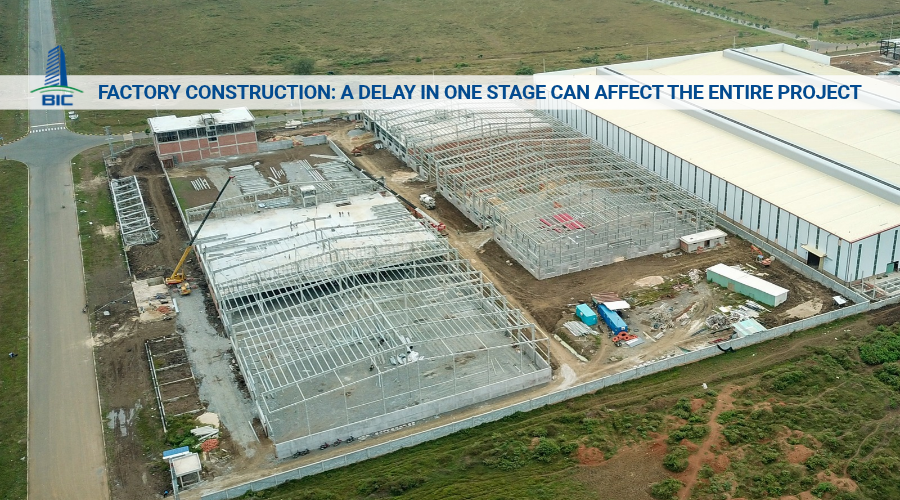
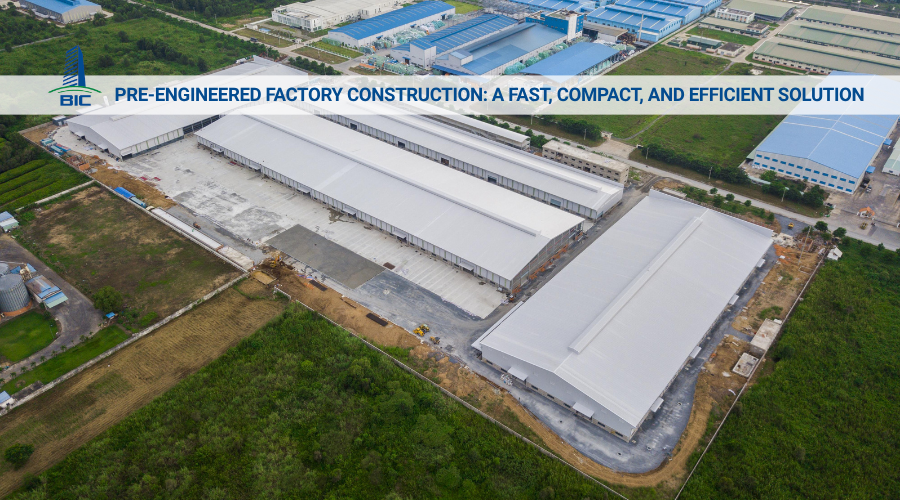
When selecting construction materials for industrial factory design, balancing cost and quality is crucial to ensure effective cost control. Using reasonably priced materials while ensuring durability and safety for prefabricated factories is essential. For instance, utilizing high-strength and sustainable steel can help minimize operating costs and future maintenance expenses.
Moreover, incorporating modern and advanced construction technologies in industrial factory design also plays a vital role in cost optimization. Employing advanced construction methods such as prefabricated steel structure systems or modular construction technology can reduce construction time and save labor costs. Additionally, utilizing automation equipment and technologies during factory construction enhances efficiency and minimizes waste, thus saving overall construction costs.
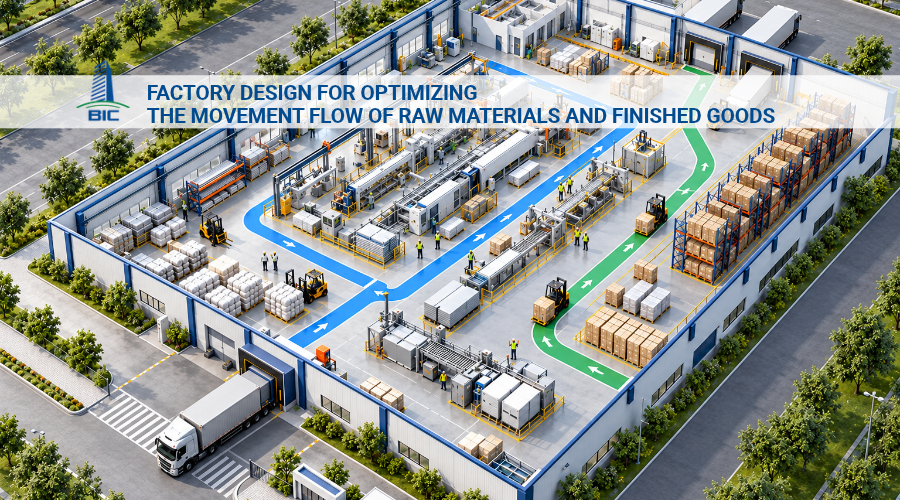
Industrial factory design aims to create a flexible and operationally efficient workspace, which can yield significant benefits. Arranging space within the factory to be adaptable and flexible helps optimize production processes and goods storage. This flexibility may include designing multipurpose work areas that can adapt to production needs, optimizing space usage, and enhancing labor productivity.
Optimizing workspace is also crucial in reducing costs and improving productivity in factory environments. By intelligently and flexibly designing industrial factories, managers can save space, enhance operational efficiency, and minimize unnecessary costs.
.jpg)
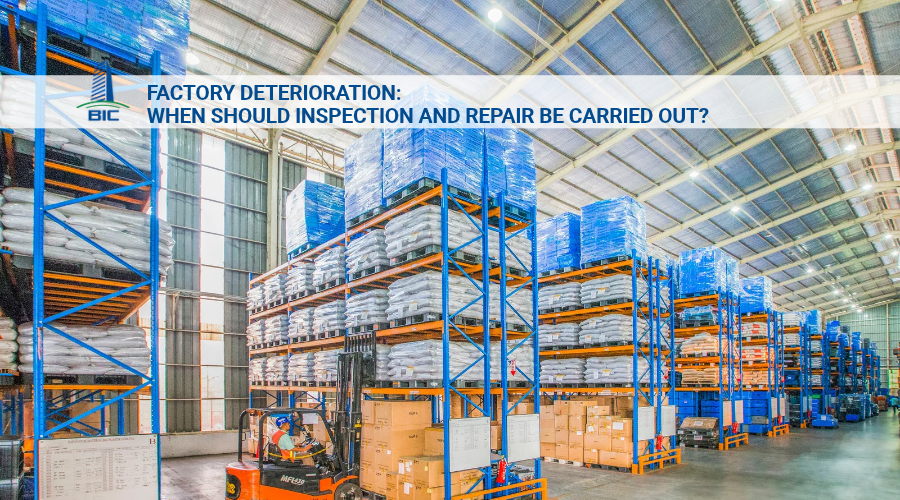
Additionally, employing smart storage solutions in industrial factory design, such as rack systems and automated storage systems, can optimize storage space and enhance work efficiency. These systems not only save space but also reduce the time spent searching for goods and minimize material waste.
According to current regulations on factory design costs, you need to allocate a percentage of the total investment, meaning the total amount you spend to complete the project. This typically ranges from 2 to 3% of the total cost. This ensures that the designed projects are of high quality and accurately reflect the client's needs.
Furthermore, the cost of factory design also depends on specific project requirements, including the complexity of the project and special factors such as the need for specific materials. Therefore, calculating the cost of factory design usually relies on the construction area and the unique requirements of each project.
For detailed information on prices and factory design services, you can contact us directly at BIC for consultation and detailed quotations. We are ready to assist you in finding the best solution for your needs.
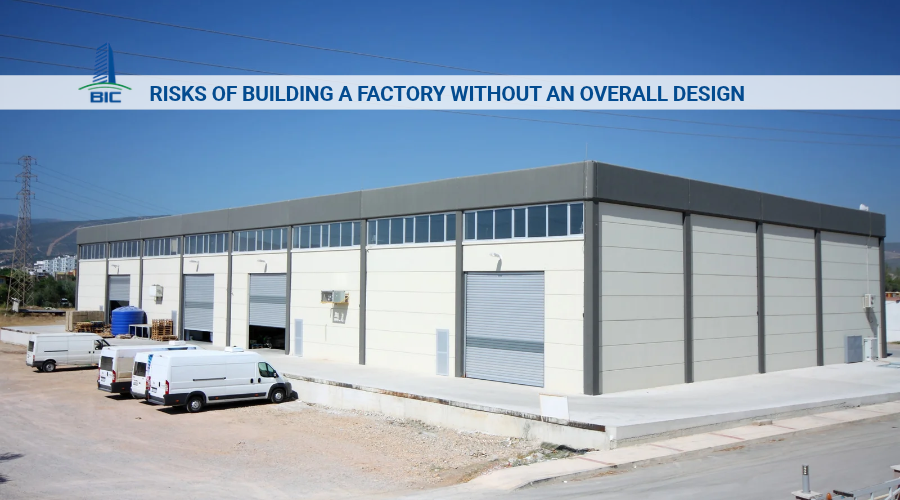
Firstly, choosing a reputable design and construction company is necessary and objective. This ensures that the process is carried out with the highest quality and adheres to the technical standards.
.jpg)
Secondly, monitoring the quality of materials and production processes is essential to ensure that everything is done according to the contract and meets the necessary quality requirements.
Lastly, mastering the factory design and construction processes helps you become more confident in every situation and make the right decisions to save costs while ensuring project quality.
We hope that with the information above, BIC has helped you understand more about how to design a cost-saving and budget-optimized factory when constructing prefabricated steel factories. Wishing investors success in their projects!