Designing industrial factories that ensure quality while saving costs is a challenging problem for many businesses. However, how can one save costs while still meeting all functional and quality requirements?
In this article, BIC will share tips for designing affordable industrial factories, helping you optimize your budget without compromising on quality.
A detailed plan is an important starting point for designing an affordable industrial factory that helps optimize construction design costs.
Before starting the design, the first and crucial step is to specifically identify the usage needs. Several factors need to be considered, including:
- Scale of Production: The size, whether large or small, will determine the necessary area design of the factory.
- Type of Product: Different types of products may require specialized areas, such as storage areas, processing areas, or packaging areas.
- Number of Workers: The number of personnel affects the design of space, quiet areas, and safety systems.
- Machinery and Equipment: The type of machinery to be used will determine the load, height, and power supply capabilities.
Understanding these factors gives you a comprehensive view of the space and functionality of the factory, thereby avoiding excessive or insufficient designs.
The location of the factory construction directly affects costs and long-term operational efficiency.
- Transportation costs: A location close to major transportation routes or near raw material suppliers can significantly reduce transportation expenses.
- Traffic connectivity: A convenient transportation system facilitates faster product distribution and market access.
- Other factors: Proximity to residential areas can aid in labor recruitment, while being farther from residential zones can help minimize noise and environmental impact.
Choosing the right location will help balance initial construction costs with long-term operational expenses.
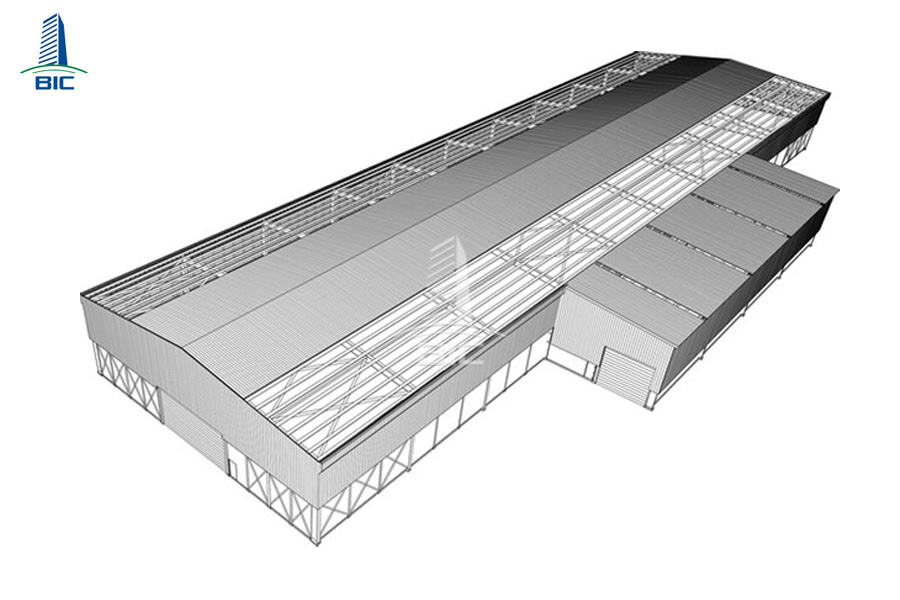
The budget is a crucial factor that shapes the entire factory design plan.
- Determine the budget: Establishing financial capacity allows for reasonable decision-making and avoids overspending.
- Plan expenditures: Divide the budget into categories for construction tools, material purchases, bonding systems, and contingency funds for unforeseen expenses.
- Cost control: Closely monitor each implementation phase to ensure no expenditures are wasted.
Identifying needs, selecting an appropriate location, and managing the budget effectively will help achieve optimal cost and quality outcomes in the design and construction of industrial facilities.
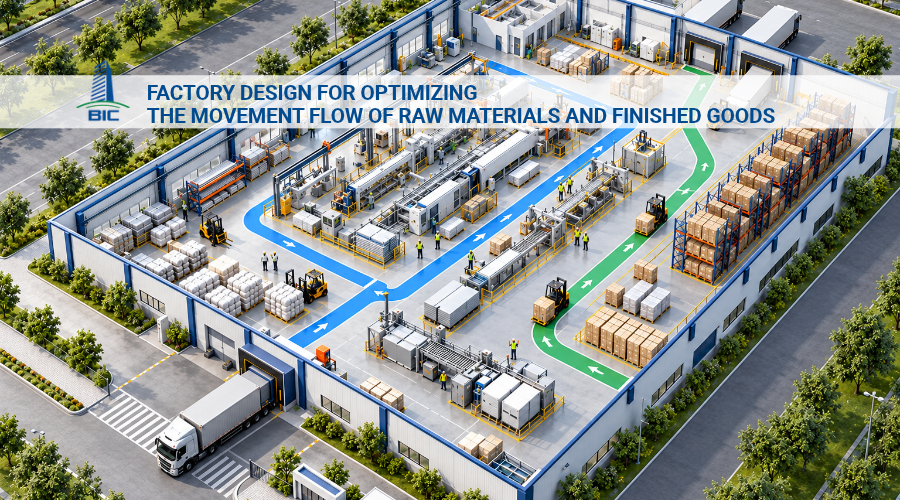
Designing a workshop with a reasonable space layout is a crucial factor in maximizing the efficiency of workshop usage.
- Logical arrangement: Organize production areas, storage, and offices scientifically to make the most of the space and optimize workflow.
- Versatile use: Design the workshop with functional areas that can be adapted to meet future production needs.
- Avoid wasting space: Eliminate unnecessary gaps and make the most of available areas, avoiding dead corners.
Optimizing space design will facilitate efficient production activities while reducing construction and operational costs.
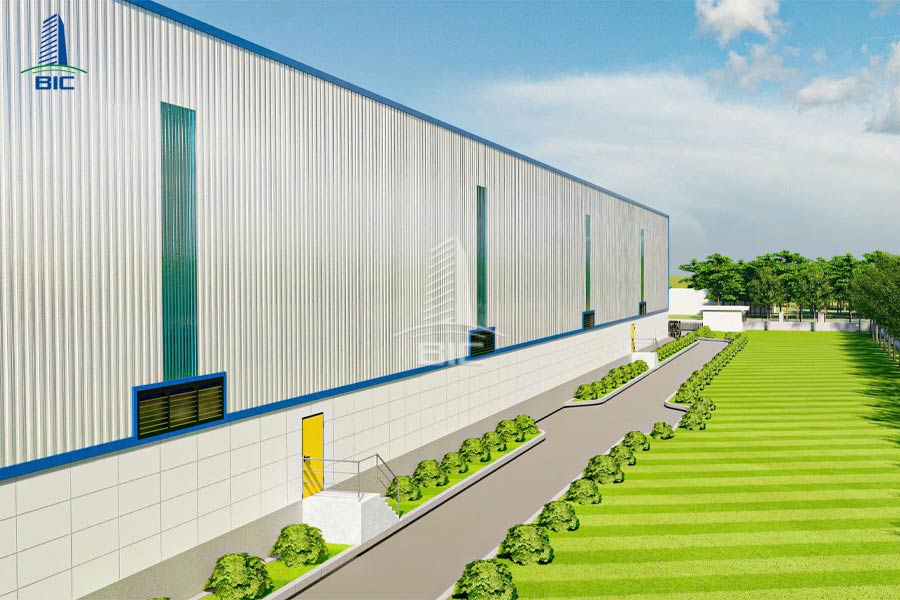
The choice of building materials directly impacts the cost and quality of industrial workshops.
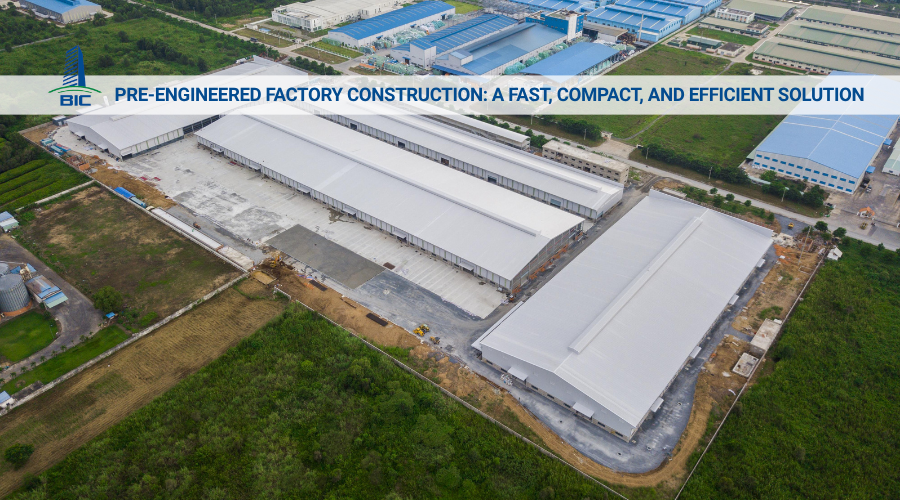
- Use of prefabricated steel: Prefabricated steel is a popular choice for industrial workshops due to its significant advantages in cost savings and shortened construction time. The steel profiles are pre-manufactured and assembled on-site, helping to minimize time and labor costs. This is an optimal solution for projects that need to be completed quickly and within budget.
- Compare prices: Before deciding to purchase materials, it is essential to consult and compare prices from multiple suppliers to select high-quality products at reasonable prices. Ensuring that the budget is used effectively is crucial.
Combining prefabricated steel with recycled materials is an optimal approach that helps reduce construction design costs, shorten construction time, and ensure sustainability.
- Prefabricated construction: Prefabricated garden houses are a popular solution today due to their outstanding advantages such as quick construction, consistent quality, and easy installation. Pre-configured conditions are created and transferred to the process, helping to reduce construction time and save labor costs. Additionally, prefabricated workshops can be easily relocated or expanded when necessary, providing high flexibility for businesses.
- Using design software: 3D design software helps to clearly visualize the garden house space and optimize factors such as structure, usable area, and the layout of functional areas. This not only helps reduce errors during construction but also allows for more accurate cost estimation, thereby saving the budget.
- Implementing energy-saving solutions: To reduce operating costs, solutions such as natural lighting systems, natural ventilation systems, and thermal panels are widely applied. Utilizing natural light helps lower electricity costs, while natural ventilation systems improve indoor air quality, saving electricity costs for air conditioning and fans.
Applying modern workshop design technology not only helps save costs but also enhances the efficiency and sustainability of the workshop.
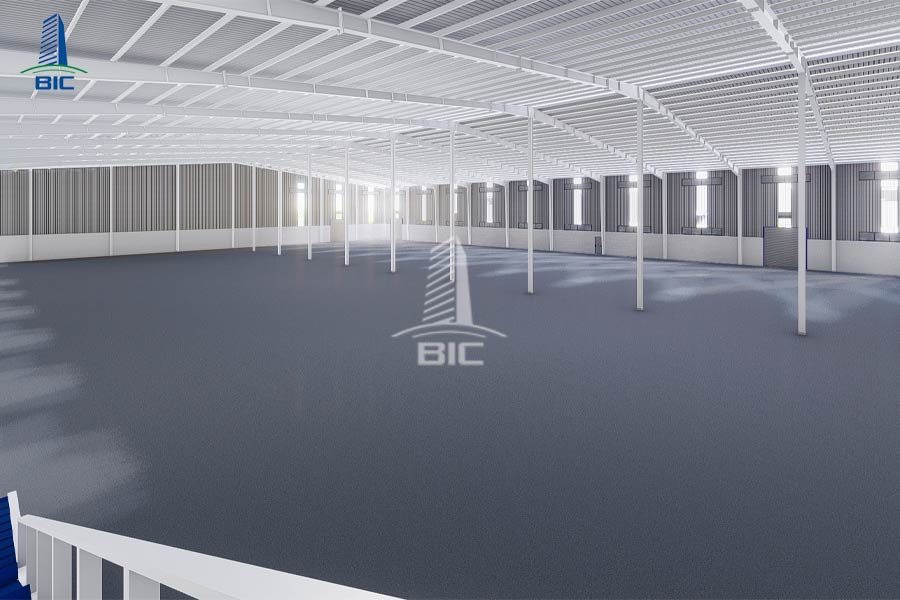
- Bid opening: The bid opening allows the investor to compare prices from multiple contractors, thereby selecting a construction unit that offers reasonable pricing and good service quality. This ensures effective budget utilization while achieving the desired quality of the project.
- Consult previous clients: Before making a decision, seek opinions and price evaluations from clients who have previously collaborated with the contractor. This feedback will help you assess the contractor's actual capabilities, service quality, and commitment during the construction process.
- Clear contract signing: To ensure the rights of both parties, it is essential to sign a construction contract that includes all terms, from costs, timelines, and quality to warranties. A clear agreement helps avoid potential risks and disputes during the project execution.
Choosing a reputable contractor not only ensures progress and quality but also provides peace of mind during the construction process.
Designing affordable industrial workshops requires not only budget calculations but also attention to technical standards. To achieve an optimized design, businesses can seek support from experts in the field of industrial workshop construction design. BIC, with over 10 years of experience in this field, is proud to help you find the most suitable solutions for your needs and budget while ensuring that the workshop is built efficiently and sustainably.