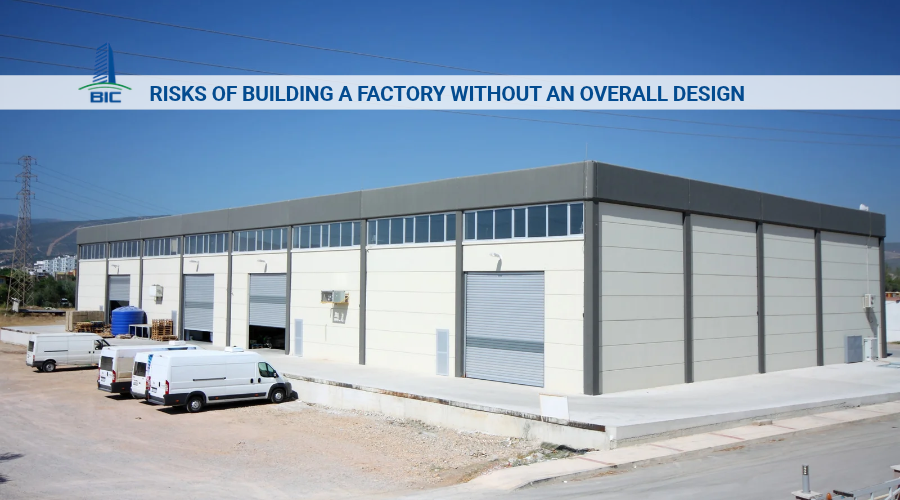
Factory design is a complex process that requires high technical standards and careful consideration of every detail. This process must be meticulously planned and executed correctly; any mistakes can lead to significant long-term consequences, directly affecting production efficiency and operating costs. In this article, BIC shares 5 common mistakes in factory design and how to rectify them.
Choosing the wrong size and location is one of the mistakes that greatly impacts the operational efficiency of the factory. If the factory is too small or too large compared to actual needs during the design phase, it can lead to wasted space or limit the arrangement of machinery and equipment, thereby affecting labor productivity.
To address this, it is essential to thoroughly research the production scale and determine the necessary area for each functional zone, such as production, storage, and office areas, to ensure a reasonable design size.
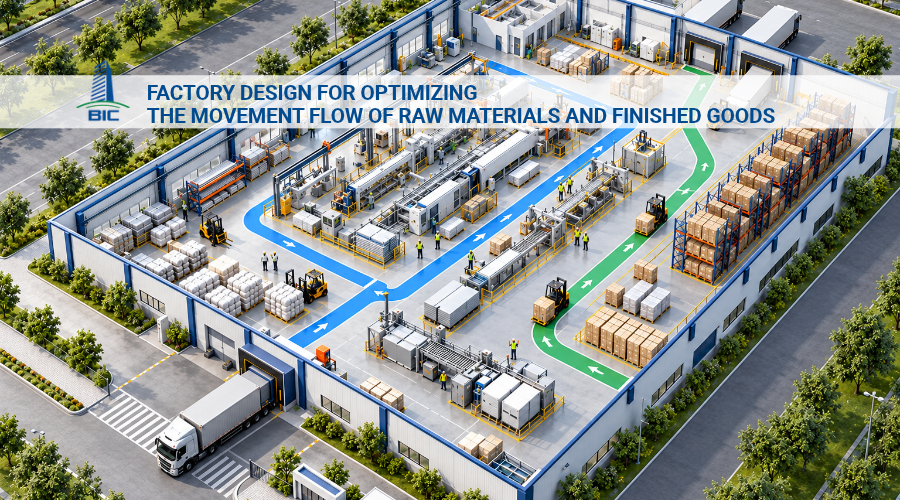
An unreasonable layout is one of the common design mistakes in factories, where functional areas are not arranged logically, leading to difficulties in the production process and increased internal transportation costs.
The consequences of this mistake not only reduce production efficiency but also increase the risk of workplace accidents.
To rectify this, it is necessary to apply the principle of continuous flow, where production stages are arranged in a logical sequence to minimize unnecessary movement of materials and products. Additionally, it is important to create ample circulation space to ensure that transportation vehicles have enough room to move easily, contributing to increased productivity and operational safety.
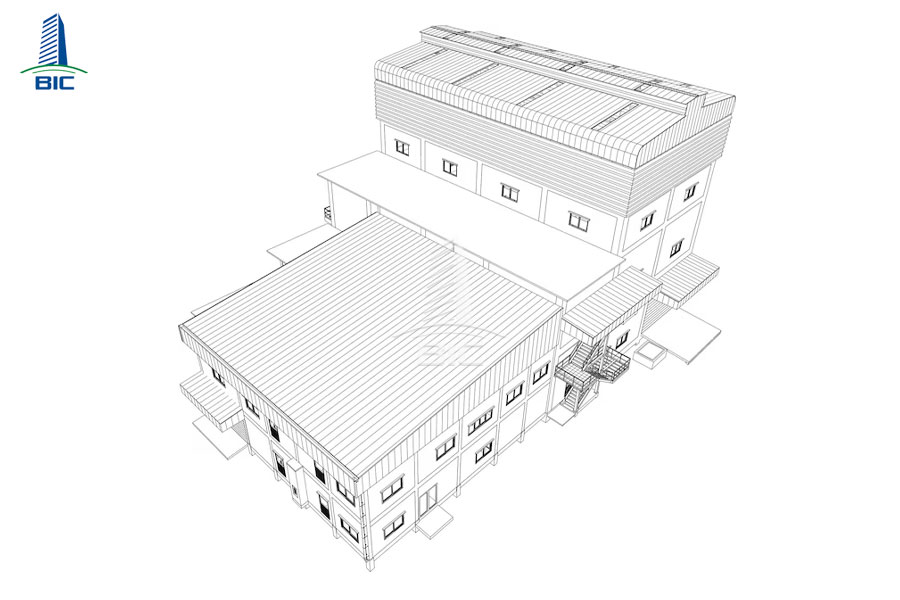
When ventilation and lighting factors are not prioritized, it is considered a common mistake in factory design. If the ventilation system is not ensured, the temperature within the factory will not be maintained, causing discomfort and affecting the health of workers. Additionally, a lack of natural light or the use of substandard artificial lighting will reduce concentration and work productivity.
Solution: It is essential to focus on designing an effective ventilation system, maximizing natural airflow, and supplementing with fans or air conditioning units. Furthermore, optimizing natural light by strategically placing windows and skylights, combined with a compliant artificial lighting system, is necessary to ensure a comfortable and efficient working environment.
Designing a structure that does not meet load requirements is a common error that can lead to serious consequences during factory operation. Choosing materials that are unsuitable for the load of equipment and goods can result in rapid deterioration or damage, increasing maintenance costs and safety risks.
Moreover, if the ability to withstand natural factors such as severe weather, earthquakes, or storms is not carefully calculated, the factory structure may suffer significant damage or even collapse.
Solution: Detailed load calculations must be performed, and materials and structural designs should meet technical and safety standards. Additionally, geographical and climatic factors at the construction site must be considered to ensure the factory's durability and long-term stability.
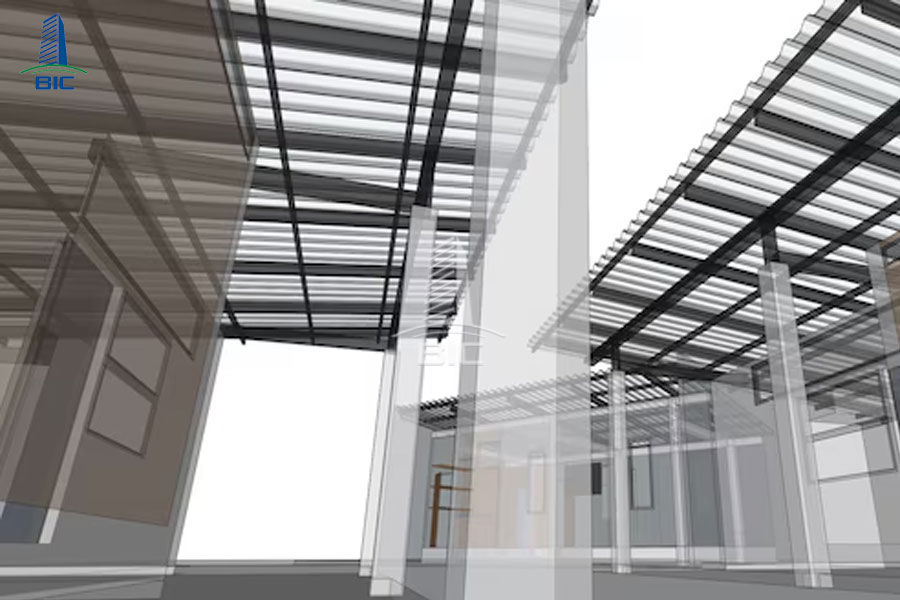
The fire protection system not meeting standards (PCCC) is a serious flaw in the design of factories, which can lead to severe consequences in the event of an incident. The lack of an automatic fire alarm and extinguishing system prevents timely detection and response to fire hazards, resulting in significant property loss and threatening the safety of workers. Additionally, the use of flammable building materials in inappropriate areas further increases the risk of rapid fire spread.
To address this issue, it is essential to design and install an automatic fire protection system, including fire alarm sensors, fire extinguishers, an automatic sprinkler system, and compliant emergency exits. At the same time, building materials should be carefully selected, prioritizing non-flammable types or those with high fire resistance in critical areas. Adhering to fire protection standards from the design phase will help ensure the safety of people and property, as well as guarantee the stable and sustainable operation of the factory.
To address design mistakes in factory construction and build effectively, you need to follow these steps:
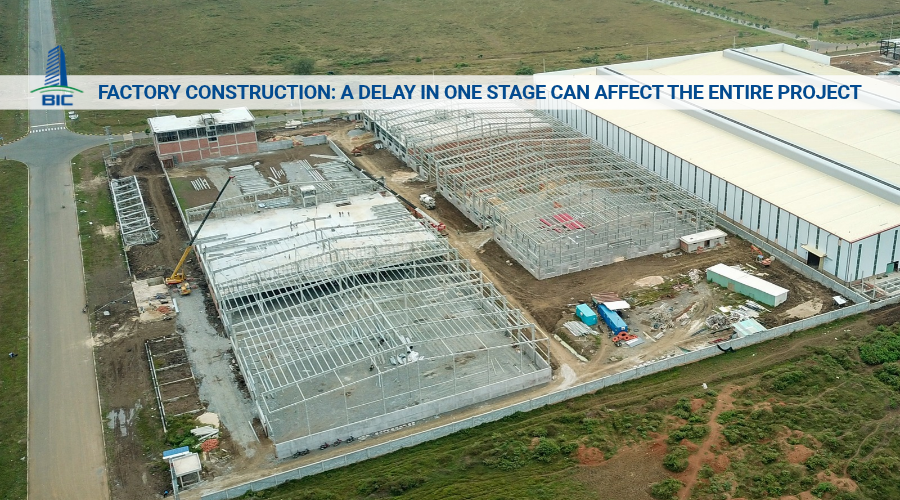
Before starting the design, clearly define the goals and specific requirements of the factory, including scale, functionality, budget, and completion timeline. A detailed plan helps you easily control progress and minimize risks during the construction process.
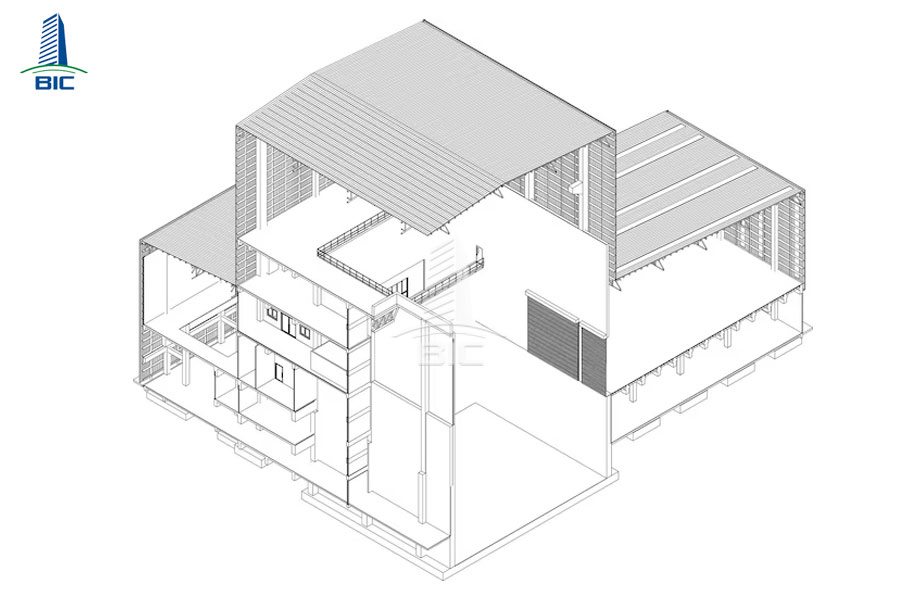
Get advice from experts in the fields of design, construction, and factory operation. This will help you make informed decisions, from material selection and structure to technical systems, ensuring that the factory operates effectively and sustainably.
Thorough preparation and collaboration with professional partners will help you avoid unnecessary mistakes and achieve a high-quality factory that meets long-term production needs. Establishing a detailed plan from the outset and thoroughly checking each stage of the factory design will ensure that the facility is optimally constructed and aligned with operational needs. If you are preparing to develop a project, contact BIC right away; we will help you realize your ideas and ensure quality for your project.