As businesses increasingly emphasize the adoption of new trends to enhance production efficiency and optimize costs, the field of factory design is evolving. These trends not only reflect technological advancements but also address the demand for safer, more sustainable, and aesthetically pleasing work environments.
Updating and applying modern factory design trends help businesses maintain competitiveness and contribute to building a green, environmentally friendly production environment. This article explores the factory construction and design trends for 2024 with BIC.
Optimizing space utilization is a crucial factor in modern factory design. Maximizing space helps businesses save on construction and operational costs while improving production efficiency. Given the current economic context, where industrial land is increasingly scarce and expensive, optimizing space utilization is more urgent than ever. Here are some effective solutions favored in 2024.
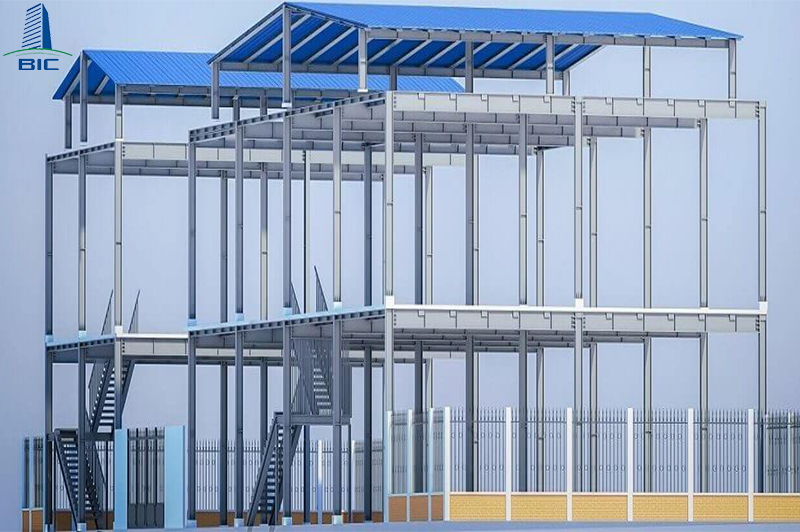
Multi-story factory design is an optimal solution for areas with limited land. By building vertically, businesses can expand production space without additional land.
Advantages:
- Expanding production space vertically: This meets increasing production demands while saving land. It is particularly useful in developed industrial zones with limited vacant land.
- Reasonable functional area division: Creates a more scientific and efficient working environment. Each floor can be designed separately for different production stages, storage, or offices.
- Maximizing natural light: Multi-story factory designs with large windows utilize natural light, reducing lighting costs and creating a more comfortable working environment.
Applications:
- Suitable for businesses with limited land needing ample production space.
- Ideal for industries producing compact products, requiring large storage spaces like electronics, textiles, and component manufacturing.
Using flexible partitions is a smart alternative to fixed walls. This allows for flexible space division, easily adjustable to production needs without disrupting work.
Advantages:
- Creating open workspaces: Saves space and construction costs compared to building fixed walls. Open spaces also enhance observation and monitoring of the entire production process.
- Increasing communication and collaboration: Lack of fixed walls facilitates easier information exchange and work coordination.
- Easy space adjustment and expansion: Flexible partitions can be easily disassembled and moved to adjust the workspace according to production needs.
Applications:
- Suitable for businesses requiring flexible space layout, frequent production line changes, or expansion.
- Ideal for industries with continuously changing production processes like toy manufacturing, electronics, and mechanical processing.
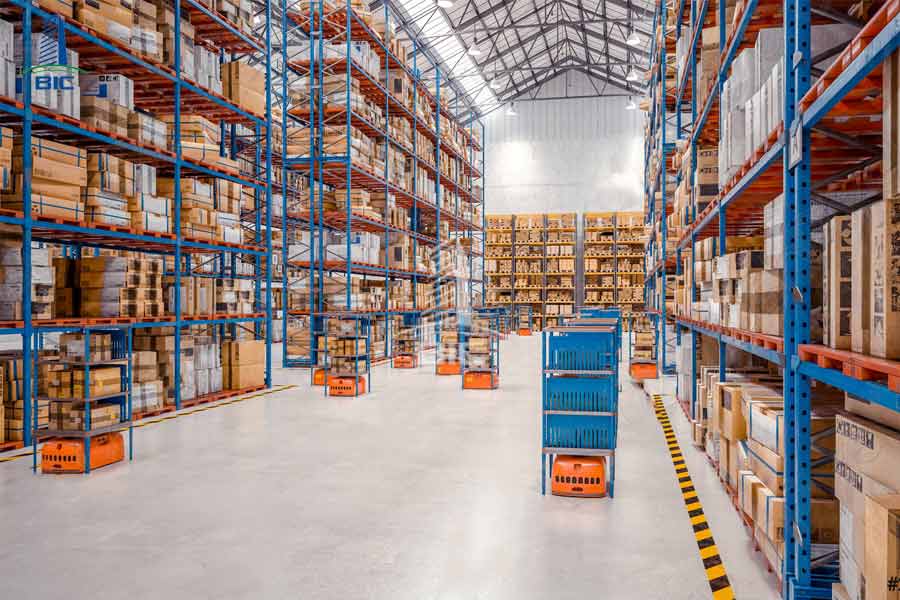
Maximizing factory height utilizes vertical space, increasing usable area without expanding the footprint.
Advantages:
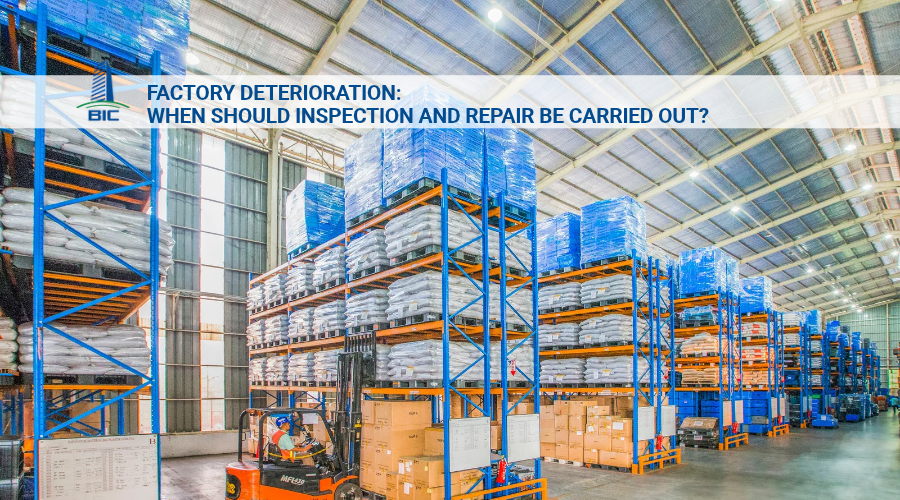
- Installing multi-layer shelving systems: Efficiently stores goods, materials, and components, saving floor space.
- Creating high-level workspaces: Suitable for office areas, control rooms, or auxiliary zones, optimizing space and providing convenient working conditions for management.
Applications:
- Suitable for businesses with large storage needs, such as logistics companies and general warehouses.
- Ideal for industries requiring ample storage space like food production, pharmaceuticals, and consumer goods manufacturing.
Applying smart warehouse systems in factory design is a significant step towards automating warehouse management. This system tracks the quantity, location, and condition of goods automatically.
Advantages:
- Automating management processes: Effectively tracks and manages warehouses, minimizes errors, and saves time. The system can automatically update stock levels, check storage locations, and issue alerts when necessary.
- Improving warehouse efficiency: Minimizes waste and loss. The system arranges goods according to FIFO (First In First Out) or LIFO (Last In First Out) principles based on business needs.
Applications:
- Suitable for large-scale businesses managing large, complex inventories like retail companies and large distributors.
- Ideal for industries needing precise and efficient warehouse management like pharmaceuticals, food, and electronic components.
These solutions not only help businesses optimize space utilization but also enhance production efficiency, save costs, and meet sustainable development needs in 2024. Implementing these solutions creates significant competitive advantages in an increasingly competitive market.
Choosing suitable building materials is crucial in ensuring the durability, safety, energy efficiency, and aesthetics of factories. Today, with scientific and technological advancements, advanced and efficient materials are increasingly used in modern factory design. Here is a detailed analysis of some typical materials:
Advantages:
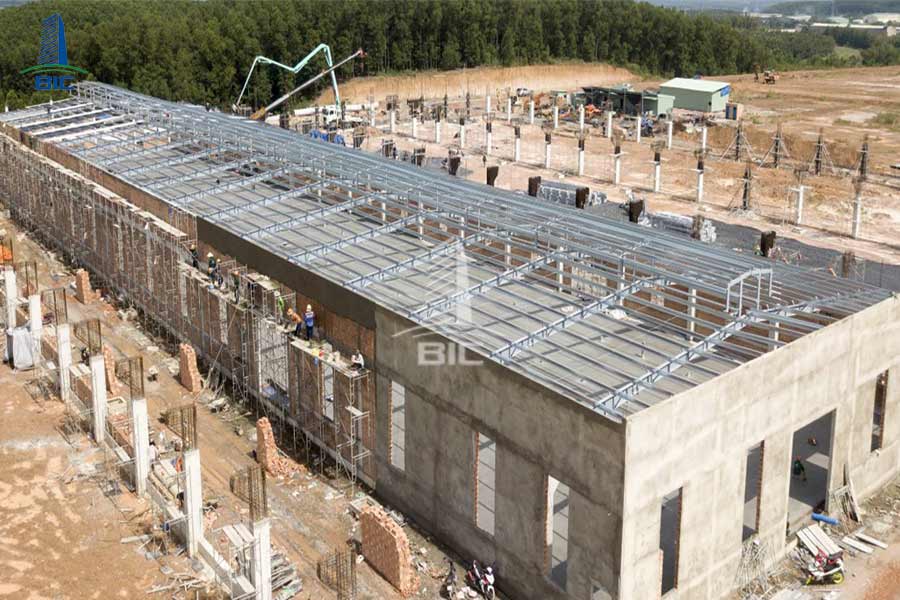
- High durability: High-strength steel has superior load-bearing capacity, withstands heavy loads and harsh conditions, extending the lifespan of the building.
- Easy construction and installation: Steel can be processed and installed quickly, reducing labor time and costs.
- Recyclable: Steel is 100% recyclable, reducing construction waste and conserving natural resources.
Applications:
- Factory frame: Creates robust, load-bearing structures.
- Beams, columns, floors, roofs: Using high-strength steel in these components ensures stability and safety for the entire building.
Advantages:
- Lightweight: Reduces load on foundations, saving on construction costs and materials.
- Good insulation and fire resistance: Lightweight concrete offers excellent insulation and fire resistance, protecting workers and assets.
- Environmentally friendly: The production process of lightweight concrete has minimal environmental impact and can use recycled materials.
Applications:
- Factory walls: Provides insulation, fire resistance, and noise reduction.
- Roofs, floors: Reduces load on structures, saving maintenance and operational costs.
Advantages:
- Lightweight and durable: Composite materials are lightweight but highly durable, resistant to wear and tear.
- Corrosion-resistant: Unaffected by chemicals, moisture, or harsh environmental conditions.
- Easily shaped: Composite materials can be easily processed into complex shapes, meeting diverse design requirements.
Applications:
- Roofs: Protects factories from harsh weather.
- Windows, doors, roofing sheets: Enhances insulation, soundproofing, and waterproofing.
Advantages:
- Good impact resistance: Tempered glass is highly durable, ensuring safety and resisting strong impacts.
- Safety: When broken, tempered glass forms small, non-sharp pieces, reducing injury risk.
- High aesthetics: Tempered glass provides a modern look, creating bright and airy spaces.
Applications:
- Windows, doors: Maximizes natural light, creating open spaces.
- Partitions: Flexible space division, ensuring safety and enhancing aesthetics.
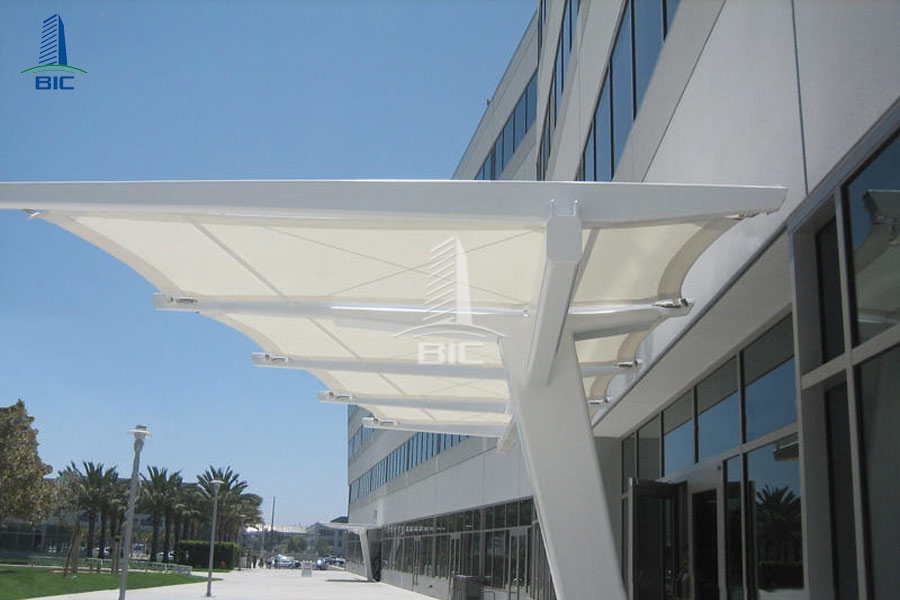
Choosing materials suitable for usage needs, financial conditions, and local climate is crucial in factory design. Using advanced materials not only improves production efficiency but also protects the environment and creates a safe, comfortable working environment for workers. Advanced materials help businesses optimize costs, increase energy efficiency, and meet sustainability standards, creating a competitive advantage in an increasingly competitive market.
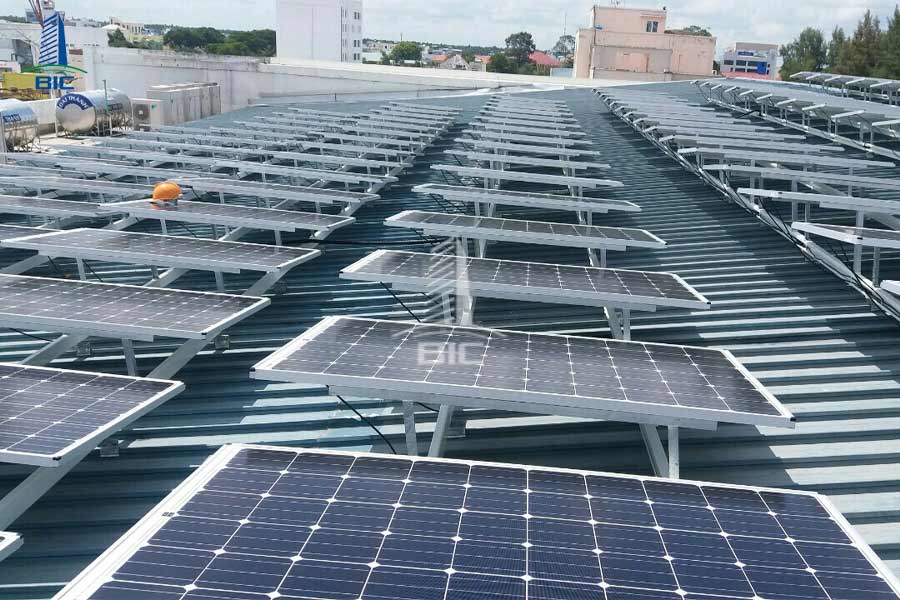
Advantages:
- Utilizing clean energy: Solar energy is an inexhaustible, non-polluting resource available everywhere.
- Reducing operational costs: Significantly lowers electricity bills and dependence on grid power.
- Reducing greenhouse gas emissions: Limits the use of fossil fuels, reducing CO2 emissions.
Applications:
- Roof installation: Solar panels can be installed on roofs, optimizing space and maximizing sunlight exposure.
- Vacant areas: Install on the ground or unused areas within the factory premises to increase power generation capacity.
Advantages:
- Stable energy source: Wind is a stable renewable energy source, especially in areas with good wind conditions.
- Reducing energy costs: Generates onsite electricity, reducing dependence on the grid and energy costs.
Applications:
- Install in high-wind areas: Wind turbines are most effective in areas with high and stable wind speeds.
- Integrate with other energy systems: Combine with solar panels to ensure continuous energy supply.
Advantages:
- Utilizing biological resources: Uses biomass sources like wood, bamboo, straw, agricultural waste to generate energy.
- Reducing waste: Converts biological waste into energy, minimizing waste output.
Applications:
- Use in factories with available biomass sources: Apply in agricultural areas or near planted forests.
- Biomass burning systems: Use biomass burning systems to generate heat or electricity.
Advantages:
- Reducing cooling costs: Uses natural wind for ventilation, reducing the need for fans and air conditioners.
- Improving air quality: Enhances air circulation within the factory, reducing humidity and preventing health issues for workers.
Applications:
- Design factories with appropriate windows and vents: Place windows and vents in suitable positions to optimize natural air circulation.
- Use advanced ventilation systems: Combine with support devices like exhaust fans to ensure maximum efficiency.
Advantages:
- Maintaining stable temperatures: Minimizes temperature fluctuations inside the factory, maintaining a comfortable working environment.
- Reducing energy costs: Limits heat loss in winter and heat gain in summer, reducing heating and cooling needs.
Applications:
- Insulate walls, roofs, and floors: Use high-quality insulating materials to cover the entire factory.
- Combine with other energy-saving solutions: Use with ventilation and efficient lighting systems to optimize energy savings.
Advantages:
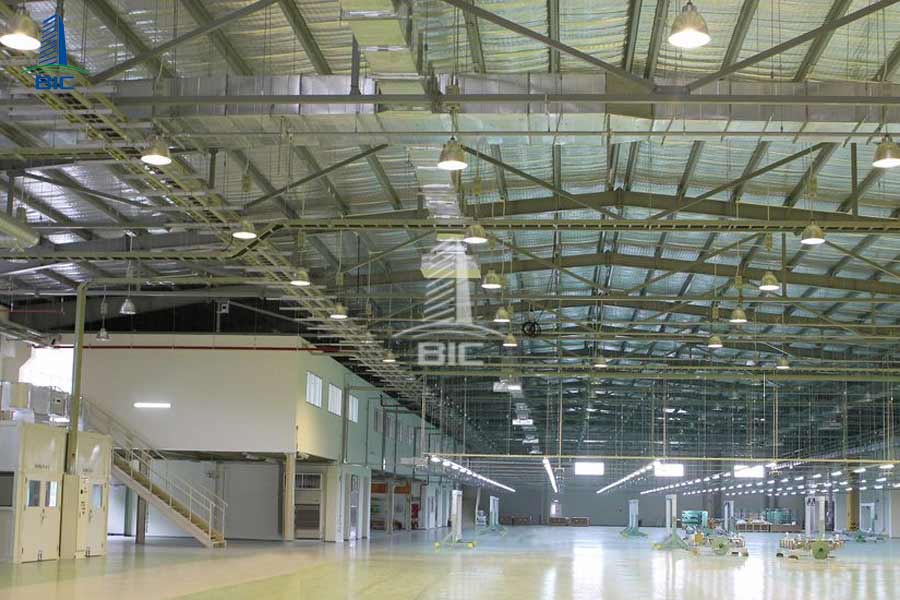
- Saving energy: LED lights consume less power than traditional lights, have a long lifespan, and offer good lighting efficiency.
- Increasing lighting efficiency: Use motion sensors and smart lighting control systems to automatically adjust brightness according to usage needs.
Applications:
- Replace traditional lights with LED lights: Use LED lights in all factory areas.
- Use smart lighting control systems: Apply in areas with variable lighting needs, such as warehouses, production lines, and offices.
Advantages:
- Reducing environmental impact: Effectively treats waste, minimizing the risk of environmental pollution.
- Complying with legal regulations: Ensures waste treatment meets environmental standards and legal requirements.
Applications:
- Install advanced waste treatment systems: Use systems to treat solid, liquid, and gaseous waste.
- Separate waste collection and treatment: Separate waste collection and treatment ensures waste is effectively processed and managed.

Advantages:
- Reducing raw material costs: Reuses waste and materials, saving raw material costs.
- Minimizing waste output: Limits waste discharge into the environment, reducing the impact on the ecosystem.
Applications:
- Recycling production waste: Recycle materials like metal, plastic, paper, and other components.
- Using treated wastewater: Use treated wastewater for irrigation, cleaning, or other purposes.
Green factory design not only protects the environment but also brings many economic and social benefits to businesses. Implementing green solutions helps businesses save energy, reduce costs, and build a positive image, attracting customers and partners who care about sustainability and the environment. Green factory design is an important step towards sustainable development, contributing to a better future for the planet.
Ensuring safety and health in factory design is crucial, not only to protect workers but also to ensure the smooth operation of production processes. Advanced safety and health solutions in modern factory design help businesses minimize risks and enhance productivity. Here is a detailed analysis of some effective safety and health solutions:
1. Fire Safety
Advantages:
- Early fire detection: Modern fire detection systems help detect fires early, allowing timely response and minimizing damage.
- Automatic fire suppression: Fire suppression systems quickly extinguish fires, preventing their spread and ensuring worker safety.
Applications:
- Install in all factory areas: Apply in production areas, warehouses, offices, and common areas.
- Use advanced fire detection technology: Use sensors and fire detection devices connected to central monitoring systems for timely response.
Advantages:
- Ensuring quick evacuation: Clear and safe escape routes help workers evacuate quickly in emergencies.
- Minimizing injury and property loss: Well-designed escape routes reduce the risk of injury and damage during fires.
Applications:
- Clearly mark escape routes: Use visible and easy-to-understand signs to guide workers.
- Regularly check and maintain escape routes: Ensure escape routes are always clear and accessible.
Advantages:
- Reducing exposure to hazardous substances: Ventilation systems and air purifiers help remove pollutants and toxic gases from the air, protecting workers' health.
- Improving air quality: Ensures a clean and safe working environment, enhancing worker well-being and productivity.
Applications:
- Install in areas with hazardous substances: Apply in production areas, laboratories, and storage rooms.
- Use advanced air purification technology: Use air purifiers with HEPA filters and other modern technologies to ensure maximum efficiency.
Advantages:
- Ensuring worker safety: Protective equipment and workwear help protect workers from hazards like chemicals, dust, and physical injuries.
- Enhancing worker comfort and productivity: Proper protective gear ensures workers can work comfortably and safely.
Applications:
- Provide suitable protective equipment: Equip workers with gloves, masks, helmets, protective clothing, and other necessary gear.
- Regularly check and replace protective gear: Ensure protective equipment is always in good condition and promptly replace damaged items.
Advantages:
- Reducing workplace injuries: Ergonomic design helps reduce the risk of musculoskeletal injuries and other health issues caused by poor working postures.
- Improving worker comfort and productivity: Ergonomic workspaces enhance comfort and efficiency, increasing overall productivity.
Applications:
- Design ergonomic workstations: Ensure workstations are designed to minimize strain on workers' bodies.
- Provide ergonomic furniture and equipment: Use adjustable chairs, tables, and other furniture to suit workers' needs.
Advantages:
- Improving air quality: Green design solutions like using plants and natural ventilation enhance air quality, creating a healthier working environment.
- Enhancing worker well-being: Green spaces and natural elements positively impact workers' mental health and well-being.
Applications:
- Incorporate green spaces: Design green areas within the factory premises to provide relaxing and refreshing spaces for workers.
- Use natural materials and colors: Apply natural materials and soothing colors in interior design to create a calm and comfortable atmosphere.
Ensuring safety and health in factory design is a priority for businesses aiming for sustainable development and long-term success. Implementing advanced safety and health solutions helps businesses create a safe, healthy, and efficient working environment, enhancing productivity and worker satisfaction. Safety and health in factory design is an investment in the future, contributing to the sustainable development of businesses and society.
With these trends, businesses can seize opportunities to shape the future and enhance competitiveness in the industry. BIC is always committed to delivering sustainable projects and modern quality construction of factories for our clients. We understand that the cost of industrial factory construction is significant; therefore, BIC continuously seeks ways to help investors save on construction costs by offering optimal design solutions, steel structures, and ensuring timely completion of projects.